
Is Rattan Furniture Good for Your Outdoor Space?
Yes, rattan furniture‘s an excellent choice for your outdoor space. You’ll enjoy its remarkable durability—synthetic options last 10+ years with minimal upkeep, while natural rattan brings authentic warmth when properly maintained. Both resist weather effectively and adapt beautifully to any design style, from coastal to contemporary. You’re investing in pieces that combine aesthetic appeal with long-term value, especially with synthetic varieties that withstand UV rays and moisture. Uncover how to maximize your furniture’s lifespan and transform your patio into a stylish retreat.
Durability and Longevity of Rattan Furniture
When you’re investing in outdoor furniture, durability matters—and rattan doesn’t disappoint. You’ll find two primary rattan types available: natural and synthetic. Natural rattan lasts 5–20 years with proper care, though it requires regular maintenance to prevent moisture damage and cracking. Synthetic PE rattan, however, offers superior durability, lasting 5–10 years or longer with minimal upkeep.
Your strength comparison reveals that synthetic rattan outperforms natural variants in outdoor environments. It resists UV rays, moisture, and extreme weather without swelling, rotting, or developing mold. Natural rattan, while lightweight and flexible, demands covered placement or indoor use for ideal longevity.
Both types boast impressive strength-to-weight ratios, supporting heavy loads effectively. With proper maintenance—periodic cleaning, protective sealants, and careful storage—you’ll extend your furniture’s lifespan considerably. To keep your rattan in top condition, perform annual inspections for splits or mold and address any issues promptly. Unlike natural materials that absorb water and deteriorate, synthetic options feature a non-porous surface that prevents water absorption and mold growth, making them exceptionally resilient in harsh outdoor conditions.

★[COLOR]: This wicker replacemenet material is not monochromatic but gradiant dark brown with mixed color stripes. ''Gradiant dark brown'' means this wicker's color is not consistant in only one brown color but mixed with cappuccino brown and espresso brown, and these two brown colors gradually transitions along with the wicker strand.
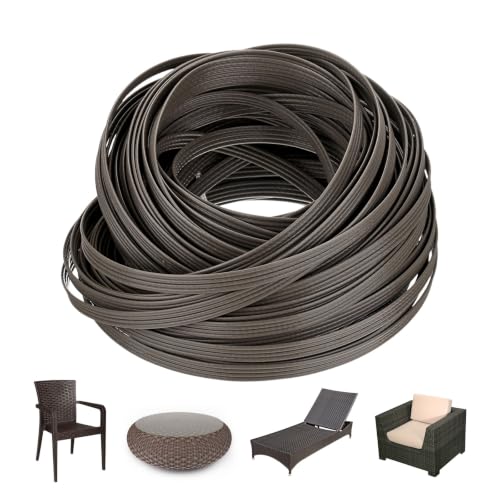
[Multipurpose Use] - This wicker repair kit is perfect for DIY furniture repair and creative projects. It's perfect for repairing rattan chairs, sofas, tables, woven parts of baskets, and can also be used to create handmade crafts, home decor, or even add a natural touch to garden fences or screens
Weather Resistance and Environmental Protection
Beyond the structural integrity that proper maintenance provides, your rattan furniture’s ability to withstand the elements determines whether it’ll thrive or merely survive in outdoor settings. Synthetic rattan‘s weatherproof materials offer extensive protection that natural rattan simply can’t match. You’ll benefit from high-density polyethylene composition that resists moisture, preventing swelling, cracking, and rotting regardless of weather conditions. Your furniture won’t require seasonal storage during rainy seasons or inclement weather.
Synthetic rattan’s moisture protection extends to UV resistance, maintaining vibrant colors season after season. Unlike natural rattan, which bleaches and weakens under prolonged sun exposure, your synthetic pieces endure year-round outdoor placement without performance degradation. Pairing this durability with aluminum frames—which are rust-resistant and corrosion-free—creates a resilient outdoor furniture solution.

★[Durable & Long-Lasting] - Made from premium PE plastic, this rattan is weather-resistant, fade-proof, and built to withstand daily wear — ideal for indoor and outdoor use.
★[Durable & Long-Lasting] - Made from premium PE plastic, this rattan is weather-resistant, fade-proof, and built to withstand daily wear — ideal for indoor and outdoor use.

【Exquisite Handwoven Wicker】 This bistro table and chairs set of 2 is made of premium PE rattan, which gives the look & texture of natural wicker with the durability, weather and UV resistance, woven exquisitely by hand featuring sturdy powder-coated steel frame which offer extra support to stand tough against the elements for years of long-lasting use
Maintenance Requirements for Optimal Performance
Preserving your rattan furniture’s longevity demands a strategic approach that addresses both preventative care and active intervention. Your cleaning techniques should include weekly dusting with microfiber cloths and occasional mild soap-and-water solutions—never soaking, which weakens natural fibers. For crevices, use soft toothbrushes instead of abrasive scrubbing.
Moisture prevention is equally critical. You’ll want to thoroughly dry furniture after rain exposure, as trapped moisture encourages mold growth. Weatherproof covers protect against dampness when furniture isn’t in use. Guarantee proper ventilation around stored pieces to maintain moderate humidity levels.
Apply protective sealants seasonally, particularly before winter. Annually inspect for split fibers or mildew damage, addressing issues immediately. By combining these preventative measures with consistent cleaning protocols, you’ll maintain your outdoor rattan’s aesthetic appeal and structural integrity for years.

【Kipiea Outdoor Furniture Covers】 Would you like to protect your precious patio furniture from the elements with a high-quality cover? Kipiea patio furniture covers feature a double-layer PU waterproof coating on higher-density 420D fabric and quality waterproof tape at the seams to ensure the cover withstands up to 200,000 PA of water pressure and keeps your furniture dry even after years of use

【Patio Furniture Covers 4 Piece Set】The large patio furniture covers fits 4 piece rattan wicker conversation set for Loveseat (SIZE: 56"L x 30"W x 30"H), 2pcs Armchairs (SIZE: 32"L x 30"W x 30"H) and Coffee Table (SIZE: 45"L x 25"W x 13"H). Please Check your furniture dimensions for proper fit before purchase.

【COMPLETE OUTDOOR PATIO COVER SET】: Outdoor patio cover set designed for 3 pieces patio bistro sets, include 2 chair covers and 1 coffee table cover,total 3-piece furniture cover set
Design Versatility and Aesthetic Appeal
As you consider furnishing your outdoor space, you’ll reveal that rattan’s remarkable adaptability makes it an ideal choice across virtually every design spectrum—from rustic and coastal to minimalist and contemporary aesthetics.
The design integration rattan offers stems from its natural warm tones and interlaced weaving, which function as either focal points or subtle accents depending on your spatial needs. You can leverage rattan’s flexibility to create intricate, personalized arrangements that reflect your individual style preferences.
Your color palette benefits greatly from rattan’s neutral foundation, which accommodates diverse themes while maintaining visual cohesion. The woven textures add tactile dimension and dynamic visual interest to outdoor areas, infusing spaces with inviting, sophisticated qualities. Whether you’re mixing rattan with metal, wood, or glass elements, you’ll achieve seamless aesthetic enhancement that adapts effortlessly across seasons.

- Sturdy & Durable: Devoko rattan patio furniture set is made of brown PE rattan and strong steel frame, It is durable enough to withstand rain and wind for long time using. Featuring sturdy construction and durable rattan, this porch furniture set can withstand the test of time and high temperature


Quality and Durable: Founded atop a strong powder-coated steel frame, wrapped in dense all-weather wicker with woven details closely in a black finish with stereo arcuate stripes for a tastefully textured, cozy look, makes outdoor furniture set 6 PCS exceptionally durable
Cost-Effectiveness and Long-Term Value
While rattan’s aesthetic versatility makes it an compelling design choice, its true value emerges when you examine the financial implications of your investment. Your price comparison reveals synthetic rattan offers superior long-term value—it typically lasts 5-10 years with minimal maintenance, whereas natural rattan demands regular oiling and protective treatments that increase ongoing costs. Though natural rattan carries lower upfront expenses, synthetic alternatives balance affordability with durability, reducing replacement frequency markedly. Your investment potential strengthens considerably when you factor in maintenance savings and extended lifespan. High-quality synthetic rattan spreads costs over time while withstanding UV damage and moisture better than natural varieties. By prioritizing quality construction and protective care, you’re not just purchasing furniture—you’re securing years of reliable outdoor enjoyment without escalating expenses.
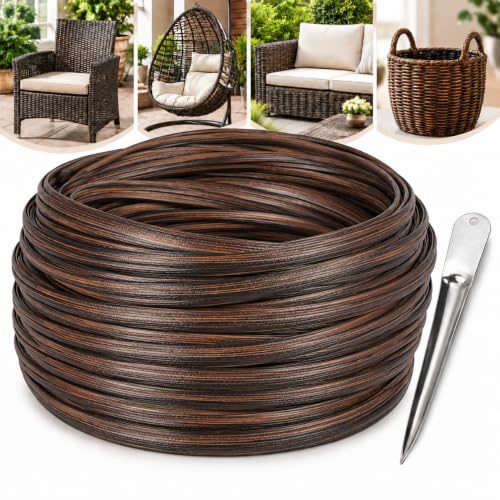
【Complete Kit for Easy Repairs】Restore worn woven furniture with a practical wicker repair kit containing one 20M roll of coffee brown repair strip and a rattan weaving tool. Everything is conveniently combined for replacing broken sections, refreshing damaged areas and completing everyday furniture restoration projects.

30m*5mm Synthetic Rattan: Package includes 30m(98.4 feet) rattan weaving material, about 5mm wide, 1.5mm thick, sufficient length to meet your crafts
★[COLOR]: This wicker replacemenet material is not monochromatic but gradiant dark brown with mixed color stripes. ''Gradiant dark brown'' means this wicker's color is not consistant in only one brown color but mixed with cappuccino brown and espresso brown, and these two brown colors gradually transitions along with the wicker strand.