

How to Clean & Restore Teak Patio Furniture Like a Pro
You’ll restore teak patio furniture by gathering protective equipment and mixing mild dish soap with water for routine cleaning. Dampen the surface, apply your solution, and scrub along the wood grain with soft-bristle brushes. Rinse immediately and dry thoroughly. For stubborn grime, use diluted vinegar or commercial-grade cleaners. Apply teak oil every three months using lint-free rags for UV protection. Store furniture indoors during adverse weather and inspect joints regularly. Follow these systematic steps, and you’ll reveal advanced restoration techniques that professionals depend on.
Preparation and Safety
Before you begin cleaning your teak patio furniture, you’ll need to gather your supplies, prepare your workspace, and take appropriate safety measures to protect yourself and your surroundings. Assemble all necessary cleaning essentials before starting, then lay down a tarp to prevent staining porous surfaces like stone or concrete. Clear your workspace of obstacles and guarantee adequate ventilation. Remove cushions and detachable hardware for separate cleaning or protection. Check the weather forecast for a dry, sunny day that’ll allow proper drying. Wear chemical-resistant gloves, protective eyewear, and closed-toe shoes as essential safety measures. Consider a mask when using strong cleaning agents. Dress in old clothes that can withstand product exposure. After cleaning, ensure you dry furniture thoroughly before applying any teak sealers or oils to maintain its condition. Avoid using harsh chemicals and abrasive tools that can damage the wood’s surface and compromise its integrity. These precautions establish a secure foundation for your furniture restoration project.
Essential Cleaning Solutions and Tools
You’ll find that successful teak furniture restoration hinges on selecting the right cleaning solutions and tools for your specific situation. For routine maintenance, you can mix two tablespoons of mild dish soap with one gallon of water. Adding vinegar addresses stubborn grime without damaging wood. Commercial-grade cleaners excel at removing heavy buildup and grease stains through two-part systems that dissolve dirt then neutralize and brighten surfaces. For persistent mildew, combine one part household bleach with two parts water.
Your application equipment matters equally. Soft nylon-bristle brushes and coarse sponges prevent surface damage when following grain direction. Squeeze bottles and spray bottles distribute solutions evenly. Fine-grit sandpaper smooths rough textures post-cleaning, with medium grits like 100-grit working well for most wood restoration tasks before progressing to finer grits for a smoother finish. Soft scrubbing pads protect finishes during intensive cleaning work. Like indoor furniture being repurposed for outdoor spaces, teak pieces benefit from weather-resistant finishes that extend their lifespan and maintain their appearance through regular exposure to the elements.

INCLUDES - Teak Cleaner (17 oz), Teak Brightener (17 oz), Teak Oil (17 oz). Does not include Lint Free Cloth, Scrub Brush, or Bucket. For these additional items see the Garden Restoration Kit.

This total teak care kit includes three easy to use products to restore and protect teak or other fine woods

STEP ONE - CLEANING: Remove any dirt and grime from the surface of your furniture. Take the Teak Cleaner for outdoor furniture and shake the bottle well before use. Mix the cleaner into a bucket of warm water at a ratio of 1:5 (1 part Teak Cleaner to 5 parts warm water). Dip a Scrubbing Brush into the mixture and scrub the surface to loosen and dirt and grime. Wipe the wood down using a clean, lint-free cloth. Rinse the wood with clean water to remove any excess Teak Cleaner.
Step-by-Step Cleaning Process
With your cleaning arsenal assembled, you’re now ready to execute a systematic approach that maximizes effectiveness while safeguarding your teak furniture’s integrity. Begin by moving furniture away from direct sunlight and removing cushions and accessories. Thoroughly dampen the entire surface with a garden hose, loosening surface dirt without oversaturating the wood. Apply your chosen cleaning solution evenly using a microfiber cloth or soft brush, allowing it to sit for 3–15 minutes. Scrub directionally along the wood grain with a soft-bristle brush, concentrating on stained areas during this deep cleaning phase. Rinse each section immediately to prevent residue buildup. Finally, rinse thoroughly with clean water, pat dry, and allow 24–48 hours for complete drying before applying surface protection treatments to shield your furniture from UV damage and moisture. For alternative outdoor furniture materials that require less maintenance, consider weather resistant options like synthetic rattan, which demand minimal upkeep while maintaining their aesthetic appeal.
Restoration and Brightening Techniques
Once your teak furniture’s surface is clean and fully dried, you’re ready to address discoloration, damage, and fading through targeted restoration methods. You’ll find several effective brightening methods available. For damage, apply wood filler specifically formulated for interior/exterior use, ensuring it’s flush with surrounding surfaces. Sand patched areas smooth before proceeding. For brightening without sanding, specialized restoration kits remove grime and restore the golden-brown hue using protectants that shield against water, dirt, and UV rays. Results last approximately six months. Alternatively, apply high-quality teak oil or protector with lint-free rags for even coverage, allowing penetration between multiple coats. Maintain this finish by oiling every three months, particularly in high UV or wet environments. Teak’s high natural oil content and tight grain structure provide inherent protection that makes it superior to alternative outdoor wood species. While teak offers superior weather resistance compared to other outdoor wood options, consistent maintenance with proper sealants and natural resistance to rot ensures your furniture remains protected and beautiful for years to come. These restoration techniques effectively revive your furniture’s appearance and longevity.

Two-step gel system safely cleans and brightens weathered teak and other wood without sanding.

ENHANCES THE BEAUTY OF THE WOOD: Teak Oil restores the beauty of grey, old and weathered teak furniture to give a golden-brown natural finish.

COMPLETE TEAK CARE KIT - Our 16 Ounce Teak Kit provides a total solution for restoring and protecting teak or other fine woods, includes three easy-to-use products
Sanding and Smoothing the Surface
Sanding reveals teak’s fresh, unblemished surface while preparing it for protective treatments, and getting this step right requires careful preparation and technique. You’ll progress through grit selection strategically: start with 80–120 grit to remove weathered layers, advance to 150–220 grit for refinement, and finish with 320–400 grit for a polished surface. Sand consistently along the wood grain using even pressure to prevent gouging or discoloration. For large surfaces, employ electric sanders; use manual sanding for intricate areas. Inspect frequently for consistency. Remove all dust with a tack cloth before proceeding—contamination compromises subsequent treatments. Always sand with the grain to avoid creating unwanted scratches on the wood surface. For optimal protection after sanding, apply a minimum of three coats of polyurethane to create a robust barrier against the elements. Wear appropriate PPE and guarantee proper ventilation throughout the process.

What You Get: This all-in-one sanding kit includes a compact micro sanding block and 180 sandpapers in 9 grits 80/120/180/220/320/400/600/800/1000

24 Pcs sandpaper + 1 Hand Sander, 9x3.6 Inch Sanding Sheets

Hand Sanding Block Set:This Sanding Block Set includes 16 sanding blocks in assorted shapes and 40pcs sandpaper sheets.The sanding block each 3.8 inches long, made from a soft, durable foam PU material. The sandpaper sheet have 8 different grits(60grit/80grit/120grit/18grit/240grit/320grit/600grit/400grit)and each grit 5pcs.The pad's hook & loop enable quick and secure sandpaper attachment and removal for optimal sanding disc life.
Sealing and Protecting Your Furniture
After you’ve sanded your teak furniture to reveal its fresh surface, applying the right sealer becomes critical to preserving that investment and maintaining the wood’s appearance for years to come. You’ll find several sealer types available: water-based formulations preserve the honey-gold color with matte finishes, while solvent-based options include UV inhibitors and mildewcide for thorough protection.
For application techniques, use lint-free cloths or foam brushes, working along the wood grain. Apply a minimum of two coats with thirty-minute intervals between applications. Test inconspicuous areas first to confirm desired color results.
Quality sealers typically protect for one year before reapplication becomes necessary. Water-based versions may require twice-yearly application depending on sun exposure. For outdoor furniture exposed to extreme conditions, consider combining an epoxy sealer with exterior varnish for enhanced moisture and UV protection, though this approach requires additional labor. Recoat seasonally in spring before heavy rain periods to maintain ideal UV protection and preserve your furniture’s appearance.

LONG-LASTING PROTECTION - Outperforms teak oils and sealers under harsh tropical sun and salt conditions; a reliable choice for all your fine woods
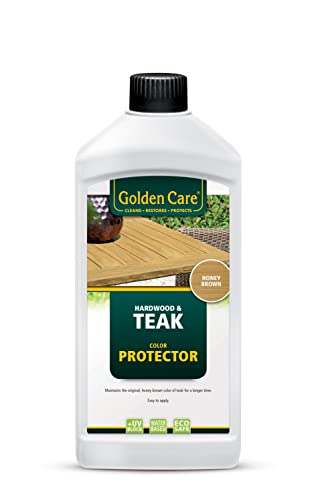
RESTORE AND PRESERVE THAT HONEY-BROWN COLOR — Honey Brown Protector is specially formulated to maintain the rich, natural color of teak, keeping your furniture looking as beautiful as the day you bought it.
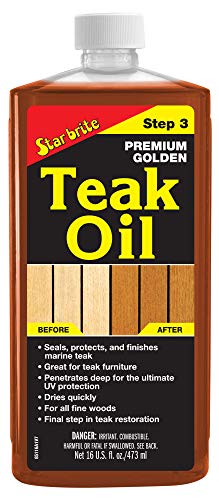
ULTIMATE WOOD PROTECTION: STAR BRITE Teak Oil provides superior protection for teak and other fine woods - Suitable for teak furniture, marine teak, decks and teak shower benches
Maintenance Tips for Long-Term Care
Your teak furniture’s longevity depends on consistent upkeep that addresses both routine cleaning and seasonal deep care. You’ll maintain structural integrity by regularly inspecting joints, hardware, and wood surfaces for cracks or loose components, tightening fasteners as needed.
Furniture placement greatly impacts durability. Position pieces in areas with good air circulation and sunlight to inhibit mold development. You must avoid placing legs directly on damp ground or standing water, which promotes wood swelling.
Seasonal considerations require you to perform thorough cleanings before and after peak usage periods. Store furniture indoors or under breathable covers during adverse weather. You should remove accumulated organic debris regularly to prevent moisture retention.
Monitor color and texture changes to determine when additional sanding or oiling becomes necessary, ensuring ideal protection year-round.

Provides interior or exterior one-step protection for dense woods such as teak, rosewood and mahogany

Odorless & Lead-Free Water-Based Teak Oil: Non-toxic, eco-safe formulation made for indoor and outdoor wood surfaces. Perfect for furniture and marine applications.

REMOVE DIRT, GRIME, and MORE : Our Teak Cleaner will remove any dirt and grime from the surface of your outdoor wood furniture.
Common Mistakes to Avoid
While consistent maintenance safeguards your teak furniture’s longevity, certain cleaning practices can undo that progress if misapplied. You’ll want to avoid abrasive tools like steel wool and metal brushes, which scratch surfaces and cause rust stains. Instead, use soft-bristle brushes that preserve teak’s natural oils. Don’t subject your furniture to pressure washers—their force erodes fibers and removes protective finishes. Bleach misuse poses another critical risk; dilute solutions to 2:1 water-to-bleach ratios and wear protective gear to prevent vegetation damage and fiber degradation. Finally, clean in shaded conditions, never direct sunlight, allowing solutions to work effectively without rapid evaporation. You’ll guarantee your teak maintains its durability, appearance, and natural patina for years ahead.


