Wood vs. Metal: Choosing the Best Outdoor Furniture
You’re choosing between durability and maintenance demands. Metal furniture lasts 15–25 years with minimal upkeep—just occasional wiping. Quality wood like teak offers 20–40 years but requires regular sealing and inspections. Metal handles coastal environments better, resisting rust and salt corrosion. Wood provides superior comfort and warmth, regulating temperature naturally. Consider your climate, available time, and budget. Metal’s generally more economical long-term, while wood delivers timeless aesthetics. Each material has distinct advantages worth exploring further.
Durability and Strength
When you’re selecting outdoor furniture, durability and strength should guide your decision since you’ll want pieces that withstand years of weather exposure without constant repairs. Metal furniture excels here, offering 15–25 years of life expectancy with minimal maintenance—just occasional wiping keeps it pristine. Aluminum resists warping and fading while wrought iron maintains structural integrity through harsh conditions. Cast aluminum’s powder-coated finishes further enhance its protection and appearance against the elements. Wood presents another viable option, particularly teak, which naturally resists rot and lasts 20–40 years. However, wood demands regular sealing to prevent deterioration. Both materials resist pest damage and splinter formation, but metal’s design versatility combined with its lower maintenance requirements makes it ideal if you prioritize longevity and ease of care. For those seeking maximum durability with minimal upkeep, resin furniture offers UV stabilization and non-porous construction that outperforms traditional materials, often lasting a decade or more without the maintenance demands of wood or metal.

Ideal for use on interior/exterior surfaces including wood, plastic, plaster, metal, masonry and unglazed ceramic

🌞【Sturdy and Rust-Resistant】The Garden Bench is powder coated with rust-resistant finish, super smooth. The Park Bench is made of reinforced steel to ensure sturdiness and stability, durable and the Metal Bench perfect for use for years. Outdoor benches clearance Garden Bench Patio Bench Yard Bench Park Bench Metal Bench.
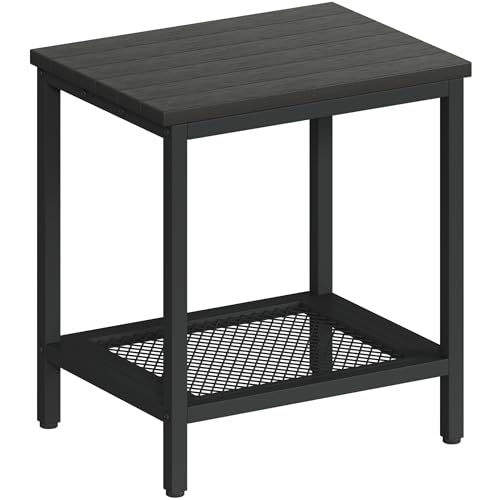
Weather and Fade Resistant:This HDPS outdoor end tables is weather resistant and will not fade or decompose, with a textured grain finish and the realistic wood-like look
Weather Resistance
Weather resistance determines whether your outdoor furniture will thrive or deteriorate in your specific climate. You’ll find that teak and IPE woods naturally resist moisture, rot, and insects, offering decades of durability even in harsh weather extremes. Aluminum and marine-grade stainless steel prevent rust and salt corrosion, making them ideal for coastal regions. Synthetic wicker, made from HDPE, resists UV fading, moisture absorption, and temperature fluctuations without degrading. Larch wood, particularly Siberian larch, combines natural durability with weather resistance, making it an excellent sustainable choice for outdoor furniture in various climates.
Your material choice depends on your environment. In hot, humid climates, choose aluminum or teak. Coastal areas demand marine-grade stainless steel or powder-coated metals. Cold regions benefit from HDPE and cast aluminum to prevent cracking. Pairing quality weatherproof materials with marine-grade stainless steel hardware further enhances corrosion resistance and extends furniture longevity.
Without protective coatings, wrought iron and untreated steel rust quickly in wet conditions. Understanding material longevity helps you select furniture that withstands your local weather patterns reliably.

ENHANCES THE BEAUTY OF THE WOOD: Teak Oil restores the beauty of grey, old and weathered teak furniture to give a golden-brown natural finish.

Just Like Real Wood- Psilvam patio bench adopt unique wood-like color technology, we abandon the exaggerated wood grain of traditional poly lumber, just to show the most real and pure wood texture, it is difficult to distinguish the difference between our products and high-grade solid wood.

【Applicable Size】This waterproof patio sofa cover fits standard 3-seater 84-88 inches outdoor wicker, teak, and metal sofas (up to 88"W x 40"D x 35"H). For the best fit, measure your sofa and choose a cover 1-3 inches larger
Maintenance Requirements
Since different materials demand vastly different care routines, understanding what your furniture requires will help you choose pieces that fit your lifestyle.
Wood furniture needs regular attention. You’ll employ cleaning techniques like soft-bristled brushing with mild soap and water, followed by thorough drying. You must apply protective coatings every 6-12 months and perform seasonal joint inspections. Light sanding precedes resealing, and you’ll need to store pieces indoors during harsh weather.
Metal furniture demands markedly less effort. Your cleaning techniques involve occasional wiping with a damp cloth and gentle soap. You’ll apply annual rust-resistant protective coatings to wrought iron or touch up powder-coating scratches promptly. Metal requires minimal seasonal storage and tightening of hardware as needed. Both steel and aluminum benefit from powder coating for added protection in outdoor environments. For rattan furniture, regular dusting with a soft cloth followed by a gentle soap and water solution will maintain its appearance and prevent moisture damage.
If convenience matters, metal’s lower maintenance demands make it the practical choice for outdoor use.

OUTDOOR RESTORER: Penetrates deep to restore faded & weathered outdoor surfaces.

FURNITURE PROTECTANT AND SPRAY: Furniture protectant creates a protective barrier on contact with simple spraying action; Removes light dust, dirt, salt spray, and grime

LONG-LASTING PROTECTION - SiO2 ceramic polymers create a durable barrier against corrosion, pitting, and salt damage, ensuring your metals stay pristine
Comfort and Aesthetics
While maintenance demands matter greatly, comfort and aesthetics ultimately shape how you’ll actually enjoy your outdoor furniture.
Wood excels in temperature regulation, staying cooler in direct sunlight and warmer during cooler months. Natural fibers in wood construction absorb shock, reducing pressure points during extended sitting without additional cushioning. Metal, conversely, absorbs heat rapidly and requires ergonomic design features like curved backs to match wood’s inherent comfort.
Aesthetically, wood brings warmth and natural beauty to your space, developing a distinctive patina over time. Teak and cedar offer unique visual characteristics that complement various design schemes, with teak’s natural oil content providing superior weather resistance alongside its elegant silver-gray finish. Cedar’s softness with a Janka hardness rating of only 350 makes it particularly susceptible to surface damage in high-traffic outdoor settings. Metal provides sleek, modern appeal with intricate patterns or minimalist finishes.
Both materials support customization. You’ll enhance wood pieces with custom cushions, while metal benefits from weather-resistant fabrics. Consider which comfort profile and visual style aligns with your outdoor living vision.

Prevents further drying and fading of wood finishes due to sun exposure, temperature variations, and moisture both indoors and outdoors

EFFORTLESS ASSEMBLY: Everything you need is included in the package—all parts, hardware, and clear instructions. One person can complete the assembly in just 10 minutes without additional tools. Enjoy your new small end table in no time for backyard gatherings, poolside relaxation, or indoor use.

Perfect Size for Most Benchs: Package contains 1 piece patio cushion for outdoor furniture measures 48 x 18 inches with a 3-inch thickness, providing a comfortable fit for a variety of seating options such as garden benches, front porch swings,outdoor picnic bench and patio furniture. Make sure to measure your furniture beforehand to ensure the perfect fit.
Weight, Portability, and Cost Considerations
Beyond how your furniture feels and looks, you’ll want to contemplate the practical realities of moving, storing, and affording your outdoor pieces. The weight comparison between materials notably impacts your decision. Cast aluminum offers exceptional portability, while wrought iron’s heaviness restricts mobility but provides stability. Stainless steel weighs three times more than aluminum, complicating rearrangement. Hardwood furniture presents moderate portability challenges depending on density.
Cost varies greatly. Wrought iron and stainless steel command premium prices, whereas aluminum costs less while maintaining durability. Premium hardwoods like teak rival metal pricing. Poly furniture costs more initially but delivers longevity benefits. Polywood, made from recycled plastic materials, provides exceptional durability while resisting rot and fading without requiring painting or sealing.
Consider maintenance expenses too. Metal requires rust prevention and repainting; wood demands sealing and rot protection. Aluminum’s low maintenance requirements make it an economical choice for long-term outdoor furniture investment. Your mobility needs and budget ultimately determine which material suits your situation best.

All Weather Aluminum Chairs: These patio dining chairs are designed to withstand various weather conditions, making them perfect for outdoor use. Made from durable aluminum material, they are resistant to rust and corrosion

HAND-PAINTED SURFACE: Gorgeous and decent Nuu Garden patio dining chairs set full of luster come with lattice weave design, antique bronze finish, environmental-friendly and finely handcrafted gold-painted coating, giving a classic and modern appearance

【MATERIAL】: The outdoor side table is made of cast aluminum, Anti-rust , UV protection and weather resistance