Is Red Cedar Good for Outdoor Furniture? Pros and Cons
Red cedar’s naturally low fiber saturation point—18-23%—makes it superior to pine for outdoor furniture since it resists moisture absorption and rot without chemicals. You’ll appreciate its tannins and oils that inhibit decay, allowing 20-30 years of durability with proper sealing every two years. Though it costs 10-25% more than alternatives, you’ll spend less on maintenance. The trade-off? Initial investment versus longevity. Understanding the specifics of cedar’s performance across different climates and conditions reveals why it’s considered the gold standard for outdoor applications.
Durability and Longevity in Outdoor Settings
When you’re considering red cedar for outdoor furniture, you’ll want to know that it’s genuinely built to last. Western Red Cedar outdoor furniture typically endures 20 to 30 years with proper care, while Eastern Red Cedar heartwood can persist for decades in dry conditions. The wood’s natural tannins and oils create exceptional rot resistance, greatly outperforming pine and particle board.
Cedar’s structural stability means you’ll experience minimal warping or splitting despite weather impact. Its low density and shrinkage factors maintain dimensional integrity over time. However, proper wood treatment through regular sealing every two years is essential for maximizing lifespan. Cedar performs particularly well in outdoor furniture applications where it avoids the ground contact issues that can compromise its durability in deck applications. Unfinished cedar weathers to silver-gray but remains structurally sound. Unlike red oak, which has an open pore structure that makes it more prone to moisture absorption, cedar’s natural properties provide superior outdoor durability with less maintenance burden. This combination of natural durability and moderate maintenance requirements makes red cedar a reliable choice for outdoor furniture investments.
Natural Weather Resistance Properties
Because red cedar possesses a fiber saturation point of 18-23%—significantly lower than most softwoods at 25-30%—you’ll experience considerably reduced moisture absorption in your outdoor furniture. This lower threshold delays shrinkage and swelling, giving your pieces superior moisture resistance against unpredictable weather dynamics.
You’ll notice cedar’s natural oils and acids, particularly thujaplicins and water-soluble phenolics, actively inhibit wood-rotting fungi. The wood’s cellular structure contains abundant air spaces that resist moisture penetration while maintaining dimensional stability. Even under prolonged rain and snow exposure, your furniture resists water damage and decay growth. Like larch wood, cedar’s natural antiseptic properties provide long-lasting decay resistance that sustains outdoor furniture through decades of use.
Cedar’s low shrinkage factor—twice better than common softwoods—minimizes warping, cupping, and twisting. You can confidently place cedar outdoor furniture in diverse climates, knowing it maintains structural integrity and appearance despite extreme temperature fluctuations and UV radiation exposure.

COMFORTABLE & STYLISH DESIGN: This patio set has thick, high-density rebound sponge cushions for cozy seating. Its simple, stylish look suits patios, balconies, poolside, or gardens.

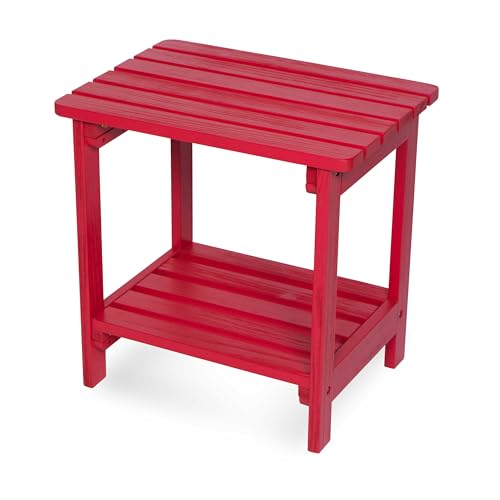
100% Genuine Cedar Wood: This small rectangular side table is crafted of sustainably harvested solid cedar wood known for its natural resistance to the elements.
Low Maintenance Requirements
Red cedar’s natural durability means you’ll spend considerably less time maintaining your outdoor furniture than you would with other wood species. Since the wood’s inherent oils provide protection without coatings, minimal finishing becomes an option rather than a necessity. You’ll establish simple cleaning protocols using damp cloths and mild detergent solutions to remove dust and discoloration. When stains persist, oxalic acid effectively tackles water or tannin marks without intensive scrubbing. For additional protection and enhanced color, consider applying water-based stains which dry quickly and require minimal maintenance compared to oil-based alternatives. Biannual inspections suffice for identifying wear, while low-pressure washing clears debris safely. By keeping surfaces dry and ensuring proper drainage, you maximize the wood’s natural lifespan. Promptly drying around metal fasteners prevents rust and maintains structural integrity. This straightforward maintenance approach makes red cedar an efficient choice for outdoor furniture requiring minimal intervention.
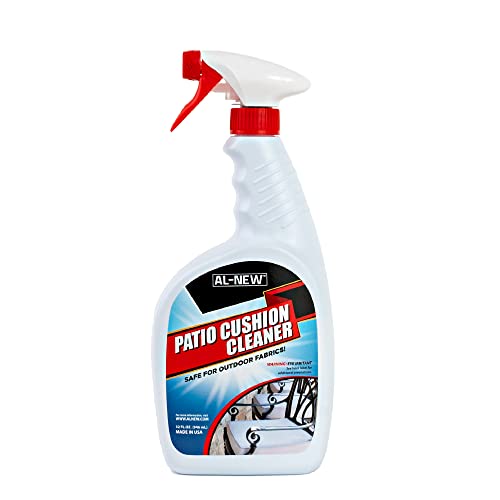
Best Way to Clean Outdoor Patio Cushions, Fabric Cushions, Patio Furniture Covers, Sunshades & Sail Cloth, Fabric Awnings, Umbrellas & More!
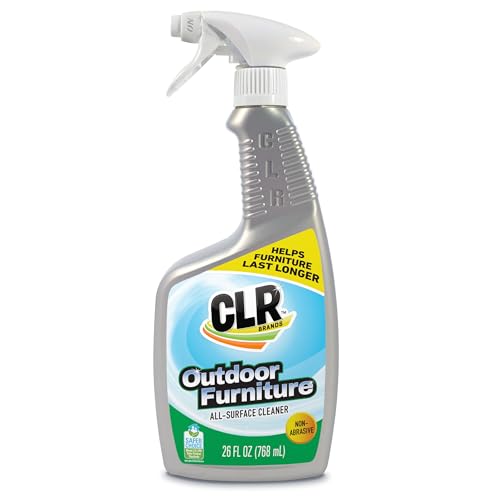
HUNDREDS OF USES: Tackle the whole yard with this powerful outdoor furniture cleaner. Formulated for use on patio, lawn and deck furniture, it is an effective and versatile product for outdoor furniture - from upholstery to plastic play sets.

POWERFUL CLEANING ACTION: Formula that loosens and dissolves greasy, grimy messes on contact ensuring easy removal with minimal effort
Aesthetic Appeal and Graceful Aging
Beyond its exceptional durability and low maintenance requirements, Western Red Cedar offers remarkable aesthetic qualities that set it apart from other outdoor furniture materials. You’ll appreciate the wood’s natural color variations, ranging from light to deep red-brown tones that create visual interest and complement diverse architectural styles.
What truly distinguishes cedar is its graceful aging process. When left untreated, the wood naturally weathers to a silver-gray patina, developing rustic charm that enhances character over time. You can preserve the original coloration through optional stain and sealer applications, or embrace the weathering transformation. Either approach maintains structural integrity while creating a distinguished appearance. To ensure your furniture maintains its beauty over time, regular cleaning and sealing will help protect the wood’s natural aesthetics. This organic evolution, impossible to replicate with manufactured materials, guarantees your outdoor furniture becomes increasingly appealing as it matures.
Cost Considerations and Value
While Western Red Cedar delivers exceptional longevity and minimal maintenance demands, you’ll find it commands a premium price that warrants careful financial analysis. Cedar typically costs 10–25% more than Douglas fir, with cladding averaging £52 per m² and fencing slats at £2.25 per linear meter.
You’ll encounter significant price variations depending on grade and sourcing. Premium, knot-free cedar demands substantial cost premiums, while American Paulownia offers 30–50% savings as a sustainable alternative. Southern Yellow Pine provides another cost-effective option with natural resistance to decay that can deliver durability at a lower price point.
For budget planning, consider cedar’s long-term value proposition. Though upfront costs are higher, cedar’s natural rot resistance reduces maintenance frequency and replacement cycles. Unlike older treatments containing harmful chemicals, modern water-based preservatives offer safer alternatives for those seeking chemically-treated wood options. Factor in re-sealing every few years, plus 10% material waste allowance. Handcrafted pieces command premiums starting around £300–£400, whereas mass-produced options vary widely. Balancing initial investment against extended lifespan ultimately determines cost-effectiveness for your project.
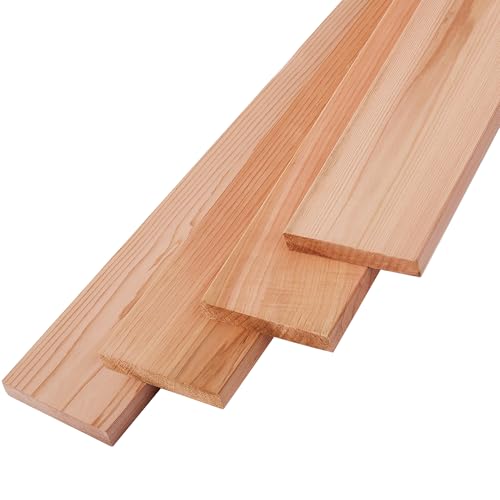
【PREMIUM CLEAR GRADE — VIRTUALLY KNOT-FREE】 Hand-selected for the most demanding projects. Our Western Red Cedar is true "Clear Grade" — virtually 100% free of knots, splits, and surface blemishes — delivering the clean, straight-grain aesthetic that defines high-end outdoor craftsmanship. Western Red Cedar has been North America's premier outdoor building material for over 100 years, specified by architects for premium decks, saunas, and coastal installations. This is the grade your local hardware store simply doesn't stock.

Resquared & Rebutted (R&R) for precise fit and professional alignment

🌲 NATURALLY WATERPROOF — NO TREATMENT EVER NEEDED: Western Red Cedar contains thujaplicins and tannins — natural preservatives that fight rot, mold, and moisture without any oil, stain, or sealant. Unlike acacia or teak tiles that require seasonal oiling to maintain, WRC protects itself. Just install and enjoy.
How Red Cedar Compares to Pine
When evaluating outdoor furniture materials within your budget constraints, comparing cedar to pine reveals significant differences in durability, maintenance, and performance. Cedar’s Janka hardness rating of 900 outpaces pine’s 690, making it considerably harder and more resistant to denting. You’ll notice texture comparison differences—cedar’s natural oils create a smoother, more weather-resistant surface, while pine absorbs moisture readily and requires pressure treatment for comparable durability. Weight differences favor pine, which is lighter and easier to move, though cedar’s superior longevity justifies its higher cost. Cedar needs minimal maintenance with periodic sealing, whereas pine demands frequent treatment to prevent rot. Cedar lasts 20+ years naturally; pine requires constant vigilance against moisture damage, making cedar the more practical long-term investment for outdoor furniture. For cedar furniture, applying a spar varnish finish provides superior weather resistance and allows the wood to expand and contract naturally without cracking or splitting. To protect metal hardware and fixtures on cedar furniture, use careful application techniques to avoid staining metal components while achieving a consistent wood finish.

ECO-CONSCIOUS LIVING – Limino Wood Stain is a highly effective clear coat that transforms the finish color of wood furniture into a specific style while preserving its natural grain details. It allows you to create furniture in various styles without the high cost of purchasing solid wood pieces, reducing timber consumption and achieving a balance between appreciating natural wood beauty and protecting the environment.

Perfect for refinishing and protecting exterior wood such as picnic tables, chairs, swing sets and more

JUST ONE COAT: Our wood stain requires just one coat to provide wood with a natural, matte finish and unmatched texture enhancement, rejuvenating old wood.
Red Cedar vs. Pressure-Treated Alternatives
As you weigh outdoor furniture options, understanding the distinctions between red cedar and pressure-treated wood becomes essential for making an informed choice. Red cedar’s classification as a naturally decay-resistant softwood eliminates chemical additives, making it ideal for visible furniture surfaces. Pressure-treated benefits include superior ground-contact durability and lower initial costs, though chemical treatments raise environmental concerns near edible areas. Cedar outperforms pressure-treated wood aesthetically, developing an attractive silver-gray patina while maintaining structural stability without warping. However, pressure-treated wood excels in hidden structural applications. Unlike cedar’s 15-20 year lifespan, hardwoods like teak offer 30+ years of durability with minimal maintenance when used for outdoor furniture. You’ll find a hybrid approach most practical: combine pressure-treated lumber for foundations with red cedar for exposed furniture surfaces, balancing durability, safety, appearance, and budget effectively. To maintain your cedar furniture’s appearance over time, consider using eco-friendly cleaners to remove surface stains and preserve the wood’s natural beauty without harsh chemicals.

☀☺〖QUICK & EASY ASSEMBLY〗: This Outdoor Furniture Set Comes With All Hardware & Necessary Tools. Follow The Instruction, You Can Easily And Quickly Assemble The Patio Chair Set.The patio set is perfect for a small backyard, and serves as a relaxing place to enjoy time outdoors.

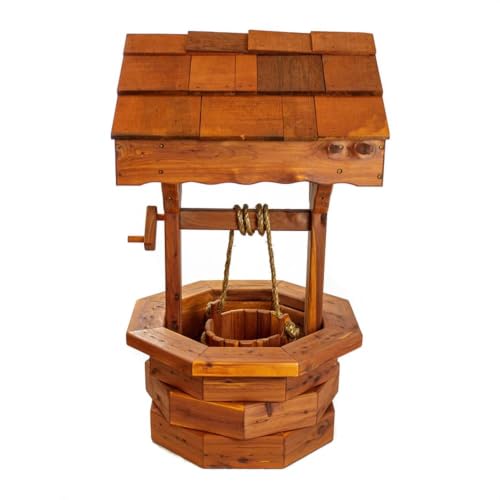
Fine Amish Workmanship - Amish communities have proven their masterful craftsmanship for centuries, and the pieces in this handcrafted Cedar Outdoor Furniture Collection are no exception.
Best Practices for Maximizing Lifespan
Proper cleaning with mild, non-phosphate detergent annually removes dirt and debris that trap moisture. You’ll want to apply protective coatings—stains or sealants with UV inhibitors—every 1–2 years to shield against weathering and fading. Sand lightly before reapplication if surfaces roughen. For best results when reapplying stain, maintain a wet edge while applying to ensure even coverage and avoid lap marks.
Prevent moisture accumulation by ensuring adequate drainage beneath furniture and elevating pieces slightly off the ground. Move furniture occasionally to allow air circulation and avoid heavy objects sitting permanently in one spot. Consider covering furniture when not in use to provide additional protection from the elements.
Address spills, leaves, and organic matter immediately to prevent mold growth. Inspect joints, legs, and seams regularly for rot, warping, or splitting. In coastal or high-humidity climates, increase maintenance frequency remarkably. Catching deterioration early extends your cedar furniture’s lifespan considerably.