Is Black Walnut a Good Choice for Outdoor Furniture?
Black walnut isn’t ideal for outdoor furniture without serious commitment. You’ll need to recoat it every one to three years and apply yearly oil treatments to maintain its prized chocolate-brown color, which fades considerably under sun exposure. While its heartwood resists decay and boasts impressive hardness, constant rain and snow accelerate deterioration beyond aesthetics. Cedar and treated woods demand far less maintenance. Understanding the full scope of walnut’s outdoor requirements reveals whether this premium choice truly fits your lifestyle.
Durability and Rot Resistance in Outdoor Conditions
Black walnut’s heartwood boasts a “very durable” decay resistance rating, making it naturally rot-resistant compared to many hardwoods—but you’ll want to understand the limitations. While the heartwood benefits from superior fungal resistance, the sapwood remains vulnerable to insect damage and beetle infestation without treatment. Outdoors, you’ll find that black walnut resists warping and cracking better than cherry or red oak, particularly in dry climates where it performs extremely well against sun exposure and rain. However, insect vulnerability and the wood’s moderate Janka hardness (1010) mean you’ll need regular maintenance and finishing to prevent deterioration. Without proper treatment and annual upkeep, your black walnut furniture will gradually succumb to environmental exposure and pest damage.

Wood Stain & Sealer in One: This walnut wood stain eliminates the need for separate primer and top coat— it’s all built right in! It deeply penetrates to nourish wood from within while forming a sealed protective film on the surface, boosting hardness to resist everyday scuffs. Perfect for DIYers to restore a finish for wood with zero hassle.

EFFECTIVE ON ALL SURFACES: Furniture Clinic Wood Stain is a fast drying wood stain effective on all indoor and outdoor wood surfaces. Our wood finish provides excellent coverage and ensures even color penetration. It's water based and environmentally friendly.
Weather Protection and Finishing Requirements
While black walnut’s natural rot resistance provides a foundation for outdoor durability, you’ll need strategic finishing to achieve real weather protection. Start with proper surface preparation—sand progressively from 80 to 220 grit to guarantee even finish adhesion. Apply marine spar varnish with UV inhibitors or polymerized tung oil in multiple thin coats rather than one thick application. These finishing techniques create moisture-resistant barriers that prevent water penetration and UV degradation. Don’t neglect hidden surfaces and end grain, which absorb moisture readily and cause warping. Reapply your chosen finish every 1–3 years based on exposure levels. This maintenance commitment protects your investment and extends your walnut furniture’s service life considerably.

Ideal for use on exterior wood surfaces above the water line, including trim, railings and wood furniture
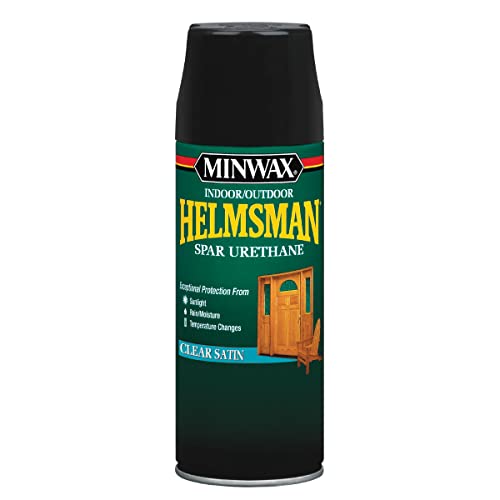
PROTECTIVE CLEAR FINISH – Minwax Helmsman Spar Urethane Spray is a specially formulated protective varnish for wood for interior and exterior projects. It contains special UV blockers that reduce the sun’s graying and fading effects.

Protects outdoor wood surfaces such as furniture, fences, railings, trim and more
Color Changes and Aesthetic Considerations
As you select black walnut for outdoor furniture, you’ll want to understand how markedly its appearance shifts over time—a transformation that’s particularly pronounced in exterior environments. Unlike cherry or oak, black walnut lightens considerably as it ages, and UV exposure accelerates this bleaching process considerably. Your rich chocolate brown tones will gradually fade to lighter honey-brown hues, compromising the wood’s aesthetic appeal.
Outdoor sunlight exposure causes severe color degradation, transforming walnut’s distinctive character into a washed-out appearance. This dramatic fading directly undermines color durability—the wood’s most valued visual quality. Additionally, constant exposure to rain and snow accelerates deterioration beyond color loss alone. You’ll find that black walnut’s color changes outdoors aren’t graceful aging like reddish-brown patinas indoors; instead, you’ll witness disappointing bleaching that diminishes your investment’s visual impact.
Long-Term Maintenance Commitments
Beyond the visual degradation you’ll witness over time, the structural integrity of your black walnut outdoor furniture hinges on consistent upkeep that extends far beyond occasional wiping. You’ll need to commit to yearly oiling applications, biannual inspections, and seasonal tightening of joints, screws, and hardware to maintain stability and safety. Regular preventive care involves monitoring for cracking, splintering, or warping, particularly at moisture-exposed joints. You must also manage protective finish recoating every few years, depending on your climate conditions, using techniques such as brush on, brush off application methods to ensure even coverage. Unlike woods with high natural oil content, black walnut lacks inherent weather resistance and requires more aggressive maintenance interventions. Without this rigorous seasonal upkeep schedule, your walnut furniture deteriorates rapidly. The investment in black walnut demands genuine long-term commitment—treating maintenance as an ongoing obligation rather than optional enhancement guarantees both aesthetic preservation and structural longevity.
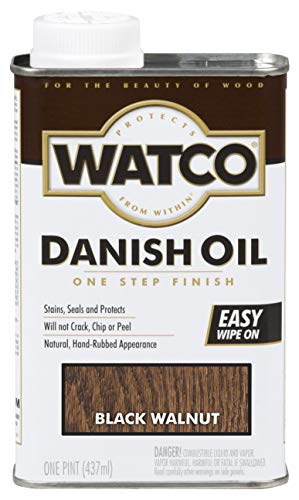
Ideal for use on a variety of indoor wood surfaces including bare, stripped or sanded; not recommended for floors

ENHANCES THE BEAUTY OF THE WOOD: Teak Oil restores the beauty of grey, old and weathered teak furniture to give a golden-brown natural finish.

Alcohol-Free Formula: Our black walnut hull tincture is alcohol-free, ensuring a gentle detoxification process for your liver. Support your body's natural cleansing with this black walnut hull organic supplement, made in the USA
Comparing Walnut to Other Outdoor Wood Options
When you’re evaluating black walnut against alternative hardwoods for outdoor furniture, you’ll find it occupies a middle tier across several performance metrics. While walnut’s 1010 Janka hardness exceeds teak and mahogany, white oak surpasses it in durability. Your cost analysis reveals walnut ranges from $2 to $38 per board foot—premium pricing that doesn’t guarantee superior outdoor performance.
Consider alternative materials strategically. Specialized treated woods designed for outdoor use demand less intensive maintenance despite higher initial costs. Cedar’s natural resistance to decay makes it a compelling alternative that requires only periodic sealing rather than constant refinishing. Recycled high-density plastic alternatives eliminate ongoing refinishing expenses entirely, proving more economical over 20+ years. You’ll spend considerably more maintaining walnut’s fading finish annually than investing in purpose-built outdoor materials that require minimal intervention while delivering comparable aesthetics and superior longevity.

DURABLE WOOD:This bistro set is made of real Acacia wood with a natural finish. This chat set is solid, strong and durable.This table chair set is Crafted from solid, weather-resistant natural acacia wood for beauty and long-lasting durability.Acacia wood is strong and durable.No splinter, rust, crack, chip or peel.Chat Set Bistro Set Table Chair Set.

Modern and Ergonomic Design: The design of our patio furniture set is simple, stylish and Ergonomic. It is perfect to decorate your your yard, poolside, balcony, patio and indoor area. Provide great comfort for you while you are enjoying your leisure time

Compact and Functional Design – This outdoor bistro set includes 2 comfortable patio chairs and a sturdy side table, perfect for small balconies, gardens, or patios. The space-saving size makes it ideal for enjoying morning coffee or evening drinks.