Is Eucalyptus Wood Good for Outdoor Furniture?
You’ll find eucalyptus wood performs exceptionally well for outdoor furniture thanks to its natural oils, high tannin content, and dense grain structure that resist moisture absorption and decay. With a Janka hardness rating of 1,125–1,200 lbf, it resists denting and scratching effectively. You can expect 20–25 years of durability with annual maintenance like oiling and sanding. It’s more affordable than teak yet outlasts pine by 15–20 years. Understanding how different climates affect this wood will help you maximize your investment’s longevity.
What Makes Eucalyptus Wood Special for Outdoor Furniture
Eucalyptus wood’s weather resistance stems from its natural composition—inherent oils and resins create a protective barrier that actively prevents moisture absorption, fungal growth, and decay. Tannins work synergistically with these oils to enhance moisture resistance, while the wood’s dense structure amplifies durability across varying climate conditions. You’ll also benefit from built-in insect repellency; the natural oils deter wood-damaging pests without requiring chemical treatments. The Janka hardness rating of 1,125–1,200 lbf guarantees resistance to denting and scratching during regular use. These properties combine to create furniture versatility—eucalyptus adapts to diverse outdoor environments while maintaining structural integrity. Beyond performance, the wood aesthetics offer warm, rich tones that complement various design preferences, delivering both functionality and visual appeal for your outdoor spaces.
Durability and Expected Lifespan
While those natural properties provide immediate protection, what ultimately determines whether your eucalyptus furniture survives decades or deteriorates within years is how long the wood maintains its structural integrity under outdoor conditions. You can expect a 20–25 year lifespan with proper care, though wood treatments greatly extend this timeline. Red eucalyptus species offer superior durability compared to other varieties. Your lifecycle considerations should include regular maintenance—annual oiling and sanding preserve structural integrity and appearance. Without intervention, untreated wood cracks and weathers rapidly. Climate impact matters considerably; freezing temperatures and prolonged moisture exposure degrade the wood faster. Applied sealants and protective treatments enhance decay resistance considerably. You’ll find eucalyptus more durable than softwoods yet requires more maintenance than premium teak to achieve comparable longevity.
Natural Weather Resistance Properties
Because outdoor furniture faces relentless exposure to moisture, UV radiation, and temperature fluctuations, you’ll find that eucalyptus wood‘s inherent properties—high natural oil content, dense grain structure, and biological pest resistance—work together to protect against weathering without relying solely on chemical treatments. The natural oil benefits extend beyond aesthetics; they create a protective barrier that minimizes water penetration and prevents swelling or warping. Your furniture maintains structural integrity through seasonal changes and freeze-thaw cycles. The wood’s density limits moisture ingress while its tight grain resists cracking from temperature stress. Additionally, these oils deter termites and wood-boring insects naturally. While surface color may darken over time, moisture protection remains effective across humid, coastal, and arid climates, requiring minimal maintenance. Unlike some hardwoods such as acacia wood, eucalyptus offers superior long-term durability with natural resistance to rot and insects that reduces the need for frequent sealing and protection treatments.
How to Maintain Your Eucalyptus Furniture
Although eucalyptus wood‘s natural oils and dense grain provide inherent protection, you’ll still need to actively maintain your furniture to maximize its lifespan and performance. Your cleaning techniques should include regular dusting with soft, dry cloths and periodic washing with mild soap and water solutions to remove deeper grime. Guarantee complete drying after cleaning to prevent moisture infiltration and warping.
Oil application is critical for preservation. Apply teak oil monthly during spring and summer, or use boiled linseed oil and tung oil for sealing. Apply polyurethane varnish several times yearly, allowing two-hour drying periods between coats. Additionally, inspect joints, brackets, and hardware regularly, tightening loose connections. Watch for splinters, cracks, and signs of insect damage, using wood filler or epoxy designed for eucalyptus when repairs are necessary. For outdoor furniture exposed to the elements, consider using type 316 stainless steel hardware to ensure durability against corrosion. Avoid using paint on your eucalyptus furniture, as paint traps moisture and can cause damage similar to what occurs with softer wood types.

ENHANCES THE BEAUTY OF THE WOOD: Teak Oil restores the beauty of grey, old and weathered teak furniture to give a golden-brown natural finish.

Provides interior or exterior one-step protection for dense woods such as teak, rosewood and mahogany
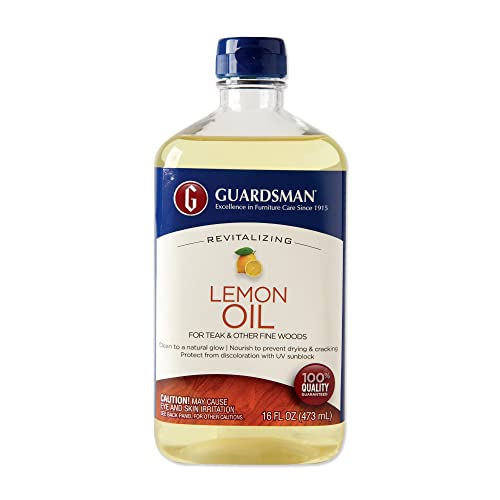
Indoor and outdoor furniture cleaner protects, restores, and gently cleans away built-up surface grime and residue; use on your teak outdoor furniture and other fine wood furniture to prevent drying, warping, splitting, as well as fading and discoloration
Cost Comparison With Other Wood Types
When you’re evaluating outdoor furniture investments, eucalyptus wood delivers exceptional value by sitting at an attractive price point between budget and premium options. Your price comparison reveals eucalyptus sets typically range from $400 to $1,200, positioning them advantageously against teak’s $1,200–$3,000+ pricing while remaining slightly higher than acacia’s $200–$600 range.
The cost effectiveness becomes evident when you examine per-unit pricing: eucalyptus averages $12–$14 per board foot compared to teak’s $35–$36. This nearly three-fold savings translates directly to your furniture budget.
However, you shouldn’t overlook long-term value. While pine costs less upfront ($200–$600), eucalyptus’s 25-year lifespan versus pine’s 5–10 years means you’ll replace pine multiple times, ultimately spending more. Your eucalyptus investment provides superior durability and longevity without premium pricing.

CUSHIONED SOFA: Looking for something more refined in your outdoor space? This sofa fulfills with comfy cushions and eucalyptus wood that's protected to weather the elements with ease

ALL-WEATHER COMFORT - Sink into cozy relaxation with this premium lounge chair featuring deep-seating dimensions and high-performing, low-maintenance Nuvella fabric outdoor cushions

WEATHER-READY COMFORT - Transform your outdoor seating area with comfy removable cushions. This coastal patio couch features a sturdy eucalyptus wood frame designed to weather the elements with ease
Environmental Benefits and Sustainability
Beyond its cost advantages, eucalyptus wood stands out as an environmentally responsible choice for outdoor furniture, delivering measurable sustainability benefits across its entire lifecycle. You’ll find that eucalyptus plantations produce 25–40 cubic meters annually per hectare—three to five times more productive than natural forests. This rapid renewability reduces pressure on old-growth timber sources considerably.
Life Cycle Assessment studies demonstrate eucalyptus furniture carries a 40–60% lower carbon footprint than metal or plastic alternatives. Mature trees absorb approximately 2.5 tons of CO₂ yearly, with carbon storage continuing throughout the furniture’s lifespan.
You’ll also benefit from eco-friendly treatments that are non-toxic and arsenic-free, preventing harmful chemical leaching. These sustainable practices eliminate VOC emissions from adhesives, making eucalyptus an environmentally sound investment for outdoor spaces.
Performance in Different Climate Conditions
Eucalyptus wood’s real-world durability depends entirely on your climate zone and maintenance commitment. In tropical regions, you’ll benefit from its natural oils and tannins that resist decay and insects—critical advantages where moisture levels remain consistently high. You’ll need twice-yearly oiling to maintain structural integrity through relentless rainfall.
In temperate zones, eucalyptus reaches a typical 25-year lifespan with adequate seasonal care. Its bending strength (85–115 MPa) and compressive strength (45–55 MPa) support extended durability across diverse climates when you follow maintenance protocols. Like cedar, eucalyptus requires regular maintenance and refinishing to preserve its appearance and protect against weather damage over time. For maximum longevity, consider pairing eucalyptus furniture with furniture covers or storage during off-seasons to extend its lifespan.
However, climate adaptability requires vigilance against UV exposure. Without protective treatment, you’ll experience aesthetic deterioration and potential warping in intense sun. Temperature differentials of 15–20°C cooler than metal surfaces prevent some damage, yet untreated wood develops gray weathering. Your commitment to preventive maintenance directly determines whether you achieve maximum longevity.
Eucalyptus vs. Teak: Which Wood Wins
How do you choose between two premium hardwoods when your outdoor furniture investment demands both performance and longevity? Teak’s superior durability stems from its high natural oil content, offering decay resistance that withstands decades or centuries. Eucalyptus qualities provide moderate moisture and pest resistance but require consistent maintenance to prevent warping and cracking. Teak advantages extend beyond durability—it needs minimal upkeep while maintaining structural stability over time. Conversely, eucalyptus demands regular sealing treatments, increasing long-term maintenance costs despite its lower purchase price. Teak’s exceptional performance in extreme climates including coastal and high-wind areas demonstrates its structural superiority over alternative hardwoods. While eucalyptus offers budget-friendly accessibility and aesthetic warmth, teak’s exceptional longevity and minimal maintenance justify its premium investment. Like larch wood, eucalyptus can weather to an attractive patina over time, though this requires protective oils or saturators to maintain desired appearance. Your choice depends on balancing upfront costs against decades of durability and care requirements.

【Premium Acacia Wood Construction】Crafted from high-grade acacia wood, this set combines durability with exotic beauty. Naturally resistant to outdoor elements, acacia maintains its rich, sleek appearance without darkening over time. Its sturdy hardwood frame ensures long-lasting resilience against wear and tear, making it a timeless investment for your patio or garden.

ACACIA WOOD: Made with acacia wood that brings a sleek and exotic look to your space, this durable hardwood naturally withstands outdoor elements and will not darken over time. Acacia wood is perfect as a solid, heavy frame that resists wear and tear.

DURABLE WOOD:This bistro set is made of real Acacia wood with a natural finish. This chat set is solid, strong and durable.This table chair set is Crafted from solid, weather-resistant natural acacia wood for beauty and long-lasting durability.Acacia wood is strong and durable.No splinter, rust, crack, chip or peel.Chat Set Bistro Set Table Chair Set.
Eucalyptus vs. Pine and Acacia
When you’re weighing outdoor furniture options, eucalyptus stands apart from both pine and acacia through superior density and longevity. Eucalyptus outlasts pine by 15-20 years, delivering a 25-year lifespan versus pine’s mere 5-10 years. You’ll appreciate eucalyptus’s higher Janka hardness rating and exceptional rot resistance—advantages that pine simply can’t match.
Against acacia, eucalyptus advantages become clear. You’ll get five extra years of performance, plus greater stability in fluctuating temperatures. Acacia drawbacks include higher moisture content, making it vulnerable to warping in heat and cracking over time. Acacia also demands frequent oiling due to lower natural oil content. Eucalyptus’s inherent oil content provides natural resistance to decay without requiring the constant maintenance that acacia demands.
You’ll invest less maintenance effort with eucalyptus’s superior durability and inherent oil content, making it the practical choice for long-term outdoor furniture performance. Pine’s natural resistance to decay can be significantly enhanced through protective coatings like marine spar varnish, which requires regular reapplication to maintain effectiveness.

Solid Wood Frame with Premium Rattan: The frame of our 3pcs patio furniture set is made of eucalyptus wood which ensures the stability and durability. And the seat and backrest are crafted of premium wicker. The surface of the set is painted, which ensures the function of waterproof and scratch resistant.

【Eucalyptus Wood Construction】: Crafted from solid Eucalyptus Wood with heavy-duty hardware, this patio sofa set supports up to 400 lbs per seat. The naturally dense eucalyptus wood offers exceptional hardness, elegant grain patterns, and long-lasting durability for outdoor use.
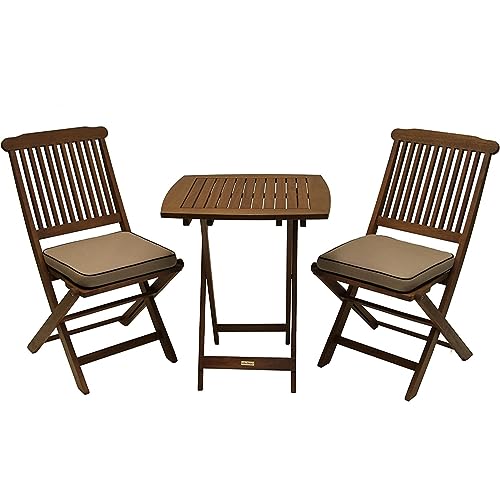
Fully Assembled 3-Piece Bistro Set: Includes a contemporary folding table, two chairs, and two removable weather-resistant seat cushions for instant outdoor enjoyment.
Is Eucalyptus the Right Choice for Your Outdoor Space
Whether you’re building a long-term outdoor furniture investment or seeking sustainable hardwood alternatives, you’ll find eucalyptus delivers exceptional performance across multiple critical dimensions. You’ll appreciate its natural oil content, which resists rot and moisture while deterring pests, ensuring structural integrity through harsh weather. The tight grain structure withstands UV exposure and temperature fluctuations, though you’ll need annual sealer applications to maintain design aesthetics and color vibrancy. You can expect 25+ years of service with proper maintenance, considerably outperforming budget alternatives. At $12-$14 per board foot, you’re investing in renewable, eco-friendly material. Unlike non-durable hardwoods that struggle with outdoor longevity, eucalyptus’s natural properties provide superior protection against decay and warping in wet or changing conditions. While woods like mango lack the inherent weather resistance of eucalyptus without protective coatings, eucalyptus naturally resists moisture and extreme temperature changes. The reddish-brown tones develop character over time, and wood finishes—whether protective oils or sealers—preserve resilience. Your commitment to consistent upkeep determines whether eucalyptus becomes your outdoor space’s standout feature.

CONTEMPORARY DECK FURNITURE: Discover a high style alternative to traditional outdoor furniture. With its antiqued teak-like finish, this end table definitely has the corner on style

【Eucalyptus Wood Construction】: Crafted from solid Eucalyptus Wood with heavy-duty hardware, this patio sofa set supports up to 400 lbs per seat. The naturally dense eucalyptus wood offers exceptional hardness, elegant grain patterns, and long-lasting durability for outdoor use.
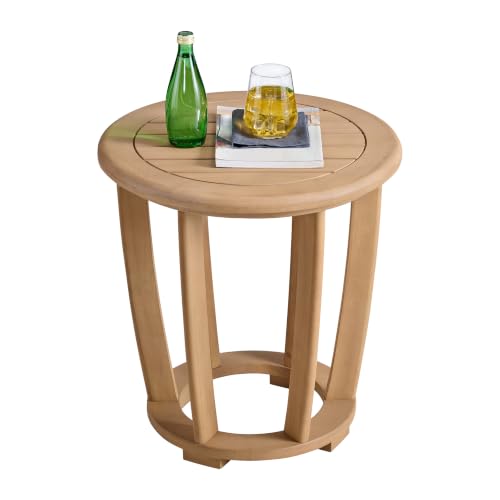
PATIO SIDE TABLE - Blur the lines between indoors and out with the modern frame and chic color of the small outdoor table. This small patio table is perfect for any space, including on the patio, deck, porch, in the backyard, or in a sunroom.