How to Clean Outdoor Furniture With Vinegar Effectively
You’ll restore your outdoor furniture by mixing vinegar with water in ratios suited to your materials—1:4 for plastic, 1:1 for metal rust removal, and equal parts vinegar with olive oil for wood. Apply the solution, let it sit 10–15 minutes, then scrub gently and rinse thoroughly. For fabric cushions, use ⅓ cup vinegar with ¼ cup dish soap. Air-dry completely in sunlight, then apply protective coatings to extend durability. There’s much more to master about material-specific techniques and long-term maintenance strategies.
Why Vinegar Works for Outdoor Furniture Cleaning
Because vinegar contains acetic acid, it’s highly effective at breaking down dirt, grime, and mineral deposits that accumulate on outdoor furniture. You’ll find that vinegar’s natural properties make it an ideal cleaning solution for various materials exposed to the elements.
Its acidic composition dissolves soap scum and stubborn water stains that resist ordinary washing. Beyond surface cleaning, vinegar acts as a natural disinfectant, eliminating bacteria and viruses without harsh chemicals. You’ll also benefit from vinegar’s ability to inhibit mold and mildew growth—it kills up to 82% of mold species, including black mold.
The cleaning efficiency improves because vinegar penetrates porous surfaces, reaching mold roots and preventing recurrence. Unlike chemical cleaners, vinegar remains biodegradable and non-toxic, making it safer for your family, pets, and surrounding plants while delivering reliable results.
Vinegar Solution Ratios and Preparation Methods
Now that you understand why vinegar works so effectively, you’ll want to prepare the right solution for your specific furniture type. You’ll need distilled white vinegar exclusively to avoid stains from colored varieties. For plastic and resin, mix one part vinegar to four parts warm water. Metal furniture requires stronger vinegar concentration—use equal parts vinegar and water for rust removal. Wooden pieces benefit from one cup vinegar, one cup water, and one tablespoon dish soap. Fabric cushions need ⅓ cup vinegar with ¼ cup dish soap for gentle stain treatment.
Always use warm water to activate vinegar’s cleaning properties. For solution storage, spray bottles work well for targeted application, while buckets suit larger furniture pieces. You can enhance stubborn stain removal by adding baking soda, creating an abrasive paste.
Material-Specific Cleaning Techniques
Since different outdoor furniture materials respond distinctly to vinegar solutions, you’ll want to tailor your cleaning approach to what you’re working with. For metal furniture, apply undiluted vinegar directly to rust spots for rust prevention, then use steel wool to remove loosened corrosion. Metal frames benefit from a 1:1 vinegar-to-water ratio for oxidation removal.
Wood preservation requires mixing equal parts vinegar and olive oil to clean and condition simultaneously. You can also use a 50% vinegar and warm water solution on teak furniture with a stiff-bristled brush. Like deck restaining, proper surface preparation ensures that protective treatments adhere effectively and last longer. After cleaning wood furniture thoroughly, applying an outdoor primer before any protective coatings will maximize durability and aesthetic appeal.
For plastic and resin pieces, stick with a 1:3 vinegar-to-water ratio using a soft-bristled brush. Sling fabric demands gentle application with a soft cloth and thorough rinsing to prevent seam damage.

OXY-POWERED OUTDOOR STAIN REMOVAL: This Outdoor Cleaner & Stain Remover delivers powerful spot cleaning with an oxy-powered formula. Designed to tackle tough outdoor stains caused by mold, mildew, algae, dirt, and grime, it helps refresh patios, decks, and outdoor living spaces
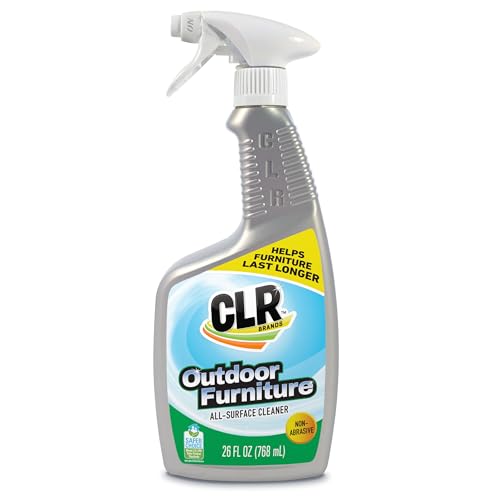
HUNDREDS OF USES: Tackle the whole yard with this powerful outdoor furniture cleaner. Formulated for use on patio, lawn and deck furniture, it is an effective and versatile product for outdoor furniture - from upholstery to plastic play sets.

POWERFUL CLEANING ACTION: Formula that loosens and dissolves greasy, grimy messes on contact ensuring easy removal with minimal effort
Powder-Coated Aluminum Furniture Care
Powder-coated aluminum furniture demands a slightly different approach than other outdoor pieces because the protective coating requires gentler handling while still benefiting from vinegar’s natural cleaning power. You’ll want to establish a seasonal cleaning frequency to prevent oxidation buildup before it becomes stubborn. Start by washing with mild soap and water, then dry completely before applying your equal parts vinegar and water solution. Use soft cloths and gentle wiping motions—soft-bristled brushes work for tough spots without damaging the finish. For oxidation prevention, apply car wax after treatment to seal the surface and extend protection through multiple seasons. This preventative maintenance reduces how often you’ll need intensive cleaning and keeps your furniture looking new. Consider using clear protective sprays as an additional layer of defense to repel water and prevent rust buildup on your aluminum surfaces. In coastal regions where salt deposits accumulate more rapidly, increase your washing frequency to combat environmental corrosion more effectively.
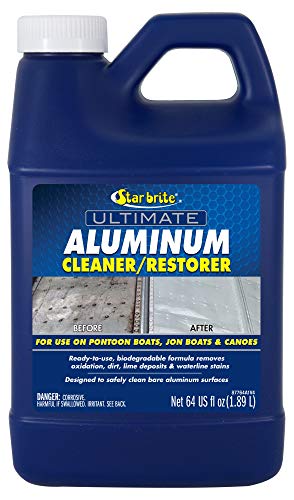
REVIVE YOUR BOAT'S APPEARANCE - Formulated to clean and restore stained or dull aluminum pontoon boats, jon boats, and canoes

CLEAN AND RESTORE: AL-NEW STEP 1 - CLEAN removes the chalky oxidation on painted and anodized aluminum, as well as fiberglass surfaces impacted by heat and UV exposure

Restore Your Aluminum to Glory: Our specialized cleaner is expertly designed to rejuvenate and brighten aluminum surfaces, from boats and pontoons to aircraft and Airstream trailers. Whether you're tackling stubborn stains or dulling oxidation, our formula delivers a like-new appearance with minimal effort.
Metal Surfaces and Stainless Steel Treatment
Metal and stainless steel furniture require specialized care to maintain their shine while preventing rust and oxidation. You’ll want to start by removing loose dirt with a soft brush, then tackle grime using mild dish soap and water, wiping along the grain.
For stubborn stains and water spots, spray your vinegar cleaning solutions—a 1:1 ratio of white vinegar to water—directly onto affected areas. Let the solution sit for several minutes before wiping gently with microfiber cloths.
After cleaning, you should polish with olive oil or stainless steel-specific polish to restore shine and repel fingerprints. Always rinse thoroughly and dry immediately to prevent water spotting. For rust spots, allow vinegar to soak before gentle scrubbing, then dry promptly and apply protective coatings to prevent future corrosion. If you have aluminum furniture, note that while it resists corrosion naturally, these same cleaning methods will help maintain its appearance and longevity.

Polishes as it cleans to beautify and protect stainless steel, chrome, and aluminum appliances and metal surfaces

Convenient, quick and easy wood polish spray leaves a crisp & fresh scent

Cleans, polishes & protects stainless steel: Our stainless steel cleaner for appliances removes fingerprints, grease, residue, and water spots. Weiman appliance wipes leave a streak-free shine and a protective barrier that helps prevent future smudges.
Plastic Furniture and Mesh Cleaning
Plastic furniture and mesh seating require a gentler cleaning approach than their metal counterparts, but vinegar remains an equally effective solution when properly diluted. Mix one part white vinegar with three to four parts water in a spray bottle for ideal plastic care.
For mildew removal, apply your solution and wait 20-30 minutes before scrubbing with a soft-bristled brush. Stubborn stains may need an hour of contact time or a second application. Promptly addressing mold or mildew prevents long-term damage to your outdoor furniture.
Address chalking by brushing away debris first, then using a baking soda paste on damp surfaces. Your mesh maintenance benefits from mild soap and water as the primary method. Avoid pressure washers that damage delicate weaving. For disinfecting purposes on mold-resistant fabrics, diluted bleach solution may be considered as an alternative to vinegar for heavily contaminated surfaces. Always rinse thoroughly and air-dry completely before storage to prevent mildew development, especially during winter storage periods when moisture can cause brittleness and deterioration.
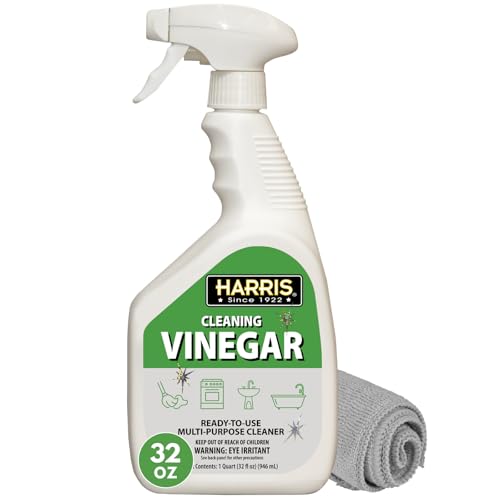
Pre-Mixed & Ready To Use: This effective & easy vinegar spray bottle powerfully cuts through grease & grime—no diluting required

OUTDOOR RESTORER: Penetrates deep to restore faded & weathered outdoor surfaces.
Best Way to Clean Outdoor Patio Cushions, Fabric Cushions, Patio Furniture Covers, Sunshades & Sail Cloth, Fabric Awnings, Umbrellas & More!
Step-by-Step Application Process
Before you start cleaning your outdoor furniture, you’ll need to gather the right cleaning tools and prepare your workspace. Lay down a drop cloth to protect your flooring from drips.
Begin by removing loose debris with a soft-bristle brush, then spray your vinegar solution directly onto the furniture surface using a controlled mist. Let it sit for several minutes to break down dirt and grime.
For stubborn stains, gently scrub with your soft brush, working systematically across the surface. Follow with a microfiber cloth, wiping along the grain to prevent scratching.
As a maintenance tip, allow the furniture to air dry completely to prevent moisture damage. Apply a fabric protectant spray afterward to guard against future staining and extend cleanliness. For cushions and pillows, consider removing covers and washing them separately to eliminate musty smells and restore freshness to your outdoor seating.

MULTIFUNCTIONAL CLEANING BRUSH: High-quality soft household cleaning brush bristles can easily clean dirty parts of clothes, such as collars and cuffs without damaging the fabrics, and can also be used to clean stains on tiles and countertops, making home cleaning easy.

MULTI PURPOSE USE: Tires, car, truck, grills, spokes, bumpers, wheel well, concrete, decks, house, pots

MR.SIGA heavy duty scrub brush is great for cleaning bathroom, kitchen, tiles, garage, bristles are firm enough to stand up after sustained use, efficiently clean dirt, grease and grime around your kitchen or bathroom.
Handling Cushions and Fabric Elements
While hard furniture surfaces respond well to vinegar’s direct application, cushions and fabric elements require a more careful approach to prevent damage while maximizing the solution’s antifungal benefits. Start cushion maintenance by brushing away loose dirt with a soft-bristle brush, then pre-clean with mild dish soap and warm water. Apply your vinegar-water solution only after thorough rinsing, spraying it evenly across the fabric surface. Let it sit for 10–15 minutes before gently agitating with a soft brush if needed. Rinsing thoroughly to remove vinegar residue that could cause stiffness is essential, and proper cushion storage between seasons will further protect your outdoor fabrics from deterioration. For fabric protection, avoid oversaturating the cushions to prevent internal foam damage. Air-dry completely in sunlight, turning cushions regularly to guarantee even evaporation and prevent mold regrowth.
Additional Treatment and Protection Methods
Once you’ve finished cleaning your outdoor furniture with vinegar, taking additional steps to treat and protect your pieces will considerably extend their lifespan and maintain their appearance. Apply protective coatings suited to your furniture’s material—use wood oil for wood surfaces, light polish for metal, and clear sealants for plastic. For wood furniture specifically, spar urethane offers superior UV resistance and flexibility, providing a durable finish that lasts 3–5 years with proper maintenance. These coatings guard against UV damage, rust, and cracking. Establish preventative maintenance routines by cleaning every 1–3 months and reapplying sealants every 6–12 months. For cushions and soft furnishings, consider applying fabric sealants that provide long-term water and stain resistance to protect against moisture damage. Cover furniture when not in use and store removable cushions indoors during harsh weather. Elevate pieces off damp surfaces to minimize moisture damage. Regular inspection catches early signs of rust or mold, allowing timely intervention and preserving your investment’s condition and aesthetic appeal.