Is Aluminum Furniture the Best Choice for Your Patio?
You’ll find aluminum furniture delivers exceptional durability, minimal maintenance, and versatile design that outperforms most traditional patio materials. Its natural oxide layer resists rust and corrosion across varied climates, while lightweight construction enhances portability without sacrificing stability. Powder-coated finishes offer endless aesthetic possibilities—from modern to traditional styles—and require only occasional cleaning with mild soap. Quality pieces carry 15 to 20-year warranties, justifying upfront costs through long-term value. Understanding how aluminum compares to wood, steel, and wicker reveals why it’s often the superior choice.
Durability and Longevity of Aluminum Furniture
When you invest in aluminum patio furniture, you’re choosing pieces that’ll serve you reliably for over a decade with minimal care. The metal’s natural oxide layer provides inherent rust resistance, eliminating concerns about moisture damage—even in coastal or humid environments. Cast aluminum’s strength-to-weight ratio delivers impressive durability while maintaining aesthetic refinement through intricate designs.
Your lifespan expectations should account for aluminum’s vulnerability to heavy impacts; while the material resists warping and UV degradation, significant blunt force can cause denting or bending. However, frames typically outlast cushions and slings, which you can replace periodically. Powder coating further extends longevity by adding protective barriers against environmental stressors. Unlike aluminum, resin furniture offers UV stabilization and non-porous surfaces that provide superior resistance to cracking, chipping, and fading. The low maintenance requirements of cast aluminum mean you’ll spend less time on upkeep and more time enjoying your outdoor space. This combination of natural corrosion resistance and manufacturing innovation makes aluminum furniture a pragmatic investment for long-term outdoor enjoyment.
Weather Resistance and Climate Suitability
Aluminum’s inherent durability extends beyond its structural integrity—the material’s natural oxide layer actively protects against environmental threats across virtually any climate. You’ll appreciate how aluminum resists rust and corrosion in coastal saltwater environments, humid tropical zones, and arid desert regions alike. The material doesn’t crack under temperature fluctuations or fade under prolonged UV exposure, maintaining both appearance and strength year-round. Powder-coated finishes provide additional protection, enhancing weather resistance further. Whether you’re furnishing a beachfront patio, poolside retreat, or mountain home, aluminum’s climate adaptability guarantees reliable performance. Unlike untreated steel or natural wood, aluminum requires minimal maintenance while delivering consistent durability across diverse environmental conditions. In contrast, wood materials like eucalyptus lose durability in freezing temperatures, requiring winter storage in cold climates to prevent damage.
Maintenance Requirements
Because aluminum’s natural oxide layer and powder-coated finishes provide excellent protection, you’ll find that maintaining your patio furniture requires minimal effort compared to other materials. Establish a weekly or monthly cleaning schedule using mild dish soap and warm water with soft cloths to prevent dirt accumulation and staining. Apply light car wax to exposed metal frames every three weeks as your primary protective treatment, creating a weather-resistant barrier against sun damage and water spots. For non-powder-coated pieces, steel wool polishing removes surface imperfections effectively. Consider using clear protective sprays designed specifically for metal furniture to provide an additional hydrophobic barrier that repels water and resists mold. Avoid bleach, ammonia, and commercial cleaners that compromise coatings. During off-seasons, store furniture indoors or beneath weatherproof covers to shield against moisture and UV exposure, ensuring your investment maintains its aesthetic appeal and structural integrity. With proper care, your powder-coated aluminum furniture can last 10 to 25 years, providing exceptional longevity and value.

Everbrite Quart Kit has all the essentials you need to restore chalky, dull or faded aluminum, anodized or painted metal. This Everbrite Coating Quart (32 oz) Kit will clean and restore about 125 square feet of painted or anodized metal or about 500 linear feet of 3" window frames with 2 coats of Everbrite Coating.

CLEAN AND RESTORE: AL-NEW STEP 1 - CLEAN removes the chalky oxidation on painted and anodized aluminum, as well as fiberglass surfaces impacted by heat and UV exposure
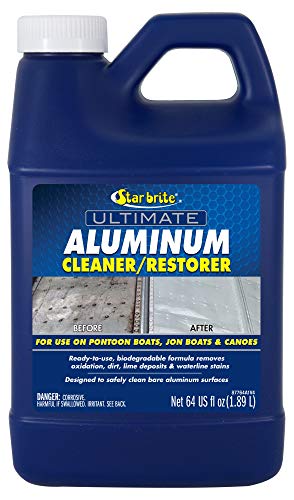
REVIVE YOUR BOAT'S APPEARANCE - Formulated to clean and restore stained or dull aluminum pontoon boats, jon boats, and canoes
Weight and Portability
One of aluminum’s most compelling advantages is its remarkable lightness—a typical cast aluminum dining set weighs just 100–200 pounds, compared to wrought iron pieces that’ll run 15–30 pounds heavier for the same footprint. You’ll appreciate how effortlessly you can rearrange your patio layout or relocate furniture seasonally without straining yourself.
Despite this lightweight construction, aluminum delivers respectable weight capacity. Most chairs support 250–360 pounds per seat, with heavy-duty options reaching 400 pounds. Benches accommodate 500–800 pounds depending on design.
However, stability factors merit attention. Lighter pieces prove vulnerable in high winds, so you’ll want furniture with wider bases and reinforced joints. Proper anchoring in exposed locations guarantees your investment remains secure and durable. This makes steel a more suitable option in particularly windy areas where superior strength and stability are paramount concerns.

【Generous Seating Dimensions】 Built for ultimate comfort, our patio sofa features a 30.8-inch backrest. The 31.5-inch seat width and 27.5-inch seat depth offer more space than typical patio furniture, ensuring ample room for users of all sizes to stretch out fully. Compared to the industry average of 24–26 inches for seat depth, our design provides significantly more space, making your relaxation experience truly luxurious.

OUTDOOR RESTORER: Penetrates deep to restore faded & weathered outdoor surfaces.

【Generous Seating Dimensions】 Built for ultimate comfort, our patio sofa features a 30.8-inch backrest. The 31.5-inch seat width and 27.5-inch seat depth offer more space than typical patio furniture, ensuring ample room for users of all sizes to stretch out fully. Compared to the industry average of 24–26 inches for seat depth, our design provides significantly more space, making your relaxation experience truly luxurious.
Aesthetic Versatility and Design Options
How do you want your patio to look? You’ll find aluminum furniture adapts to virtually any aesthetic you envision. Whether you’re drawn to modern minimalism, traditional elegance, or industrial edge, you can select from diverse style categories and collections like Salina, Ronda, and Irati.
Powder-coated finishes deliver both protection and color versatility—from neutral tones to bold statements. You can customize frame finishes with oil-rubbed bronze or brushed patinas, then pair them with genuine Sunbrella fabrics that match your vision.
Cast aluminum pieces offer ornate, classic detailing, while extruded aluminum provides sleek, contemporary lines. Hybrid designs combine aluminum frames with outdoor wicker, teak, or rattan for textured appeal. Like synthetic rattan, aluminum’s weather resistance ensures your furniture maintains its beauty through varying seasons and UV exposure.
Unlike wood options such as spruce that require regular application of UV-resistant sealers to maintain their appearance, aluminum’s inherent durability means you spend less time maintaining and more time enjoying your outdoor space.
This design flexibility guarantees your custom designs reflect your lifestyle while maintaining durability across changing seasons and weather conditions.

Durable All-Weather Structure: Crafted from premium powder-coated aluminum, our L-shaped patio sofa is robust yet lightweight. Its superior rust-resistant and scratch-resistant properties ensure durability that stands up to the elements, making it perfect for any outdoor setting.

ALL-WEATHER DURABILITY: Engineered for long-lasting outdoor durability, this outdoor table and chairs features a heavy-duty, rust-resistant aluminum frame paired with a high-density polystyrene (HDPS) tabletop. The faux-wood finish provides the classic elegance of genuine wood without the high maintenance, resisting fading, cracking, and peeling

【ALL-WEATHER ALUMINUM & RUST-RESISTANT】 Built to last through the seasons. The set features a rust-resistant powder-coated frame that combines lightweight aluminum with heavy-duty iron. Rain covers are available separately to protect your investment during harsh winter months.
Cost and Value Considerations
While aluminum furniture demands a higher initial investment than some alternatives, you’re securing long-term value through exceptional durability and minimal upkeep. Cast aluminum pieces typically range from $1,699.99 to $2,339.99 for complete sets, yet this premium pricing reflects rust-resistant properties that eliminate costly maintenance cycles.
You’ll realize substantial long term savings by avoiding the constant protective coatings required for cast iron or the corrosion treatments necessary for steel. Aluminum demands only occasional washing with mild soap and water, eliminating painting and sealing expenses that accumulate across years of ownership. For comparison, premium materials like teak wood can last 30 to 75+ years with similarly minimal maintenance requirements.
Implementing preventative maintenance through consistent cleaning helps extend your furniture’s lifespan and preserve its original shine, particularly in challenging environmental conditions.
Quality brands offer 15 to 20-year residential warranties, demonstrating confidence in material longevity. When calculating total ownership costs—purchase price plus maintenance and repairs—aluminum’s lightweight durability and powder-coated finishes justify the upfront expense through decades of reliable performance.

Room to Settle In: Chairs and sofas in the Relax Tree collection offer approximately 23.6 inches of usable seat width and depth, paired with 5.9-inch-thick seat cushions and gently reclined backrests. The generous seating area gives you room to find a comfortable position, while separate back cushions add support for reading, morning coffee, and relaxed conversations outdoors.

All-Weather Rust-Proof Aluminum Frame for Long-Lasting Outdoor Use Built with 100% thick-gauge pure aluminum and treated with an anodized and powder-coated finish, this outdoor patio furniture withstands sun, rain, and coastal air while effectively resisting rust and fading. This all-weather outdoor sofa is designed for hassle-free upkeep — it retains its polished appearance through years of regular use, and fits seamlessly into all outdoor environments. It’s the rust-proof patio sofa you can count on for long-term outdoor enjoyment.

𝗨𝗽𝗴𝗿𝗮𝗱𝗲𝗱 𝗢𝘃𝗲𝗿𝘀𝗶𝘇𝗲𝗱 & 𝗥𝘂𝗴𝗴𝗲𝗱 𝗗𝗲𝘀𝗶𝗴𝗻: Featuring extra-wide 25" seats—far roomier than standard patio outdoor furniture—this patio set lets you stretch out and relax freely. The 3mm-thick aluminum frame provides outstanding strength while staying rust-proof and crack-resistant. Its Continuous Loop Frame improves stability, distributes weight evenly, and reduces wobbling.
Comparing Aluminum to Other Outdoor Furniture Materials
When you’re selecting outdoor furniture, aluminum stands out as a compelling choice that balances durability, practicality, and aesthetic appeal against traditional materials like wood, steel, and wicker. Unlike wood, aluminum won’t warp, split, or decay when exposed to moisture, requiring minimal maintenance beyond soap-and-water cleaning. While steel offers superior impact resistance, aluminum’s lightweight construction provides unmatched portability and convenience for rearranging your patio. Compared to wicker, aluminum delivers better weather resistance without deterioration. However, you’ll need to address heat absorption through cushions or shade solutions, prioritizing user comfort during summer months. The material’s environmental impact remains favorable since it’s recyclable and doesn’t demand protective coatings. For comparison, larch wood offers a sustainable alternative with natural weather resistance that can last 10–50 years with proper maintenance, though it requires more upkeep than aluminum. This balanced profile makes aluminum a practical investment for homeowners seeking durability without excessive upkeep demands.

Oversized Soft Seating: This item is shipped in 3 boxes and may not be delivered at the same time. ComfCove oversized patio furniture is designed for true comfort, with each seat offering a generous 24.5-inch width and 27.5-inch depth—that’s wider and deeper than most standard outdoor patio sofa sets. Plus, the tall 30.8-inch high backrest supports you from shoulders to lower back, so you can truly lean back and unwind

Outdoor Furniture Sets with Durable & Lightweight Aluminum Frame: Crafted from sturdy, corrosion-resistant aluminum, It can be placed outside all year round without rusting. Features a 330-lb weight capacity per chair. Lighter than wrought iron, easy to move and rearrange.

【UPGRADED】① Wider 26 in seat & Thicker 5 in cushion, (industry standard 24 in & 5 in); ② Reinforced Structure, Hurricane-grade steel frame with thickened support beams; ③High-end a luminum with heat treatment wood grain coating, more fashionable and reduce the metal heat in summer, protect the skin; ④Top Olefin fabric, easy to clean, ten years without fading