How to Clean and Maintain Aluminum Patio Furniture
You’ll clean aluminum patio furniture using mild soap, water, and soft cloths regularly to prevent dirt buildup and oxidation. For stubborn oxidation, apply a baking soda and white vinegar paste. After cleaning, dry thoroughly with microfiber towels, paying attention to crevices. Apply car wax monthly for protection and inspect hidden areas for corrosion signs. Establish seasonal cleaning schedules and conduct regular inspections to catch wear early. These foundational steps guarantee your furniture’s longevity and appearance through proper maintenance techniques.
Cleaning Basics for Aluminum Patio Furniture
You’ll want to start with mild soap and water as your primary cleaning solution, mixing a soft detergent with warm water to create an effective yet gentle cleaner. Your cleaning supplies should include soft cloths and non-abrasive sponges that prevent damage to protective finishes. A spray bottle offers convenient application for routine maintenance.
Alternatively, dilute dish soap in water for an equally effective cleaning agent that removes dirt and dust without harsh chemicals. Gather your maintenance tools before beginning—soft cloths work best for application and drying.
Regular cleaning prevents dirt buildup that corrodes surfaces over time and becomes increasingly difficult to remove. For enhanced protection, consider applying clear protective sprays after cleaning to create a water-repellent coating that shields your aluminum furniture from oxidation and weathering. By establishing a consistent cleaning routine with these basic supplies and methodical techniques, you’ll preserve your aluminum furniture’s appearance and extend its lifespan markedly.
Removing Dirt, Grime, and Oxidation
Once you’ve established a regular cleaning routine with mild soap and water, you’ll likely encounter oxidation—that chalky white or gray coating that forms on aluminum surfaces exposed to the elements. Several oxidation removal methods tackle this effectively. Surface preparation techniques start with rinsing the furniture thoroughly to prepare the area. You can then apply baking soda to wet surfaces, letting it sit for one hour before scrubbing with steel wool. Alternatively, use white vinegar overnight for stubborn oxidation, or combine vinegar and baking soda into a paste for 10-15 minutes. For isolated spots, salt and lemon juice work well when left for two hours. Commercial aluminum restoration solutions offer single-application convenience. Each method requires gentle scrubbing and complete drying to prevent moisture accumulation and maintain your furniture’s appearance.

OUTDOOR RESTORER: Penetrates deep to restore faded & weathered outdoor surfaces.

Restores Original Brilliance Fast - Restore faded and weathered aluminum and painted metal surfaces in seconds. This aluminum cleaner and brightener revives oxidized and dull-looking patio furniture, garage doors, and outdoor fixtures with rich color and like-new shine—no scrubbing, sanding, or repainting required
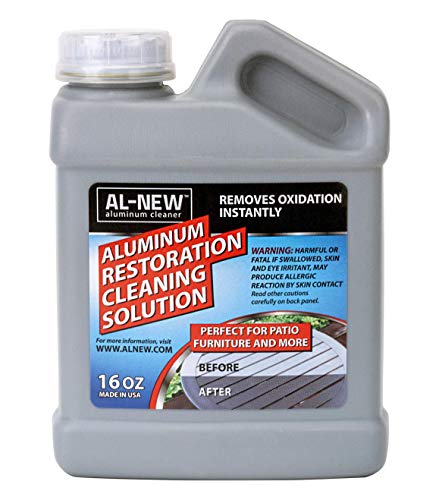
CLEAN, RESTORE, & SHINE: AL-NEW Aluminum Restoration Solution removes the chalky oxidation on painted and anodized aluminum, as well as fiberglass surfaces impacted by heat and UV exposure.
Preventing Damage and Preserving Your Finish
Because aluminum’s susceptibility to environmental damage doesn’t end with regular cleaning, you’ll need to implement protective strategies that shield your furniture from chemical degradation, physical wear, and oxidative processes. Apply car wax or specialized aluminum polish monthly to establish a protective barrier that enhances finish longevity. Consider baby oil or silicon spray as alternative protective coatings. Store furniture under breathable covers during harsh weather and winter months to minimize moisture exposure and UV damage. When properly maintained, cast aluminum furniture can last a decade or more, making these preventive efforts a worthwhile investment in your outdoor space. Inspect hidden areas—beneath seats, screw joints, and cushions—regularly for corrosion signs. Drain accumulated water from frames by removing foot caps. Since most modern patio furniture is designed to withstand occasional rain when constructed with water-resistant materials, aluminum remains an excellent choice for outdoor use. For scratches, use touch-up paint designed for aluminum or exterior-grade acrylic enamel after light sanding. These damage prevention measures preserve your furniture’s aesthetic appeal and structural integrity long-term.

CLEAN AND RESTORE: AL-NEW STEP 1 - CLEAN removes the chalky oxidation on painted and anodized aluminum, as well as fiberglass surfaces impacted by heat and UV exposure

CLEAN, RESTORE, & SHINE: AL-NEW Aluminum Restoration Solution removes the chalky oxidation on painted and anodized aluminum, as well as fiberglass surfaces impacted by heat and UV exposure

CLEAN, RESTORE, & SHINE: AL-NEW STEP 1 - CLEAN removes the chalky oxidation on painted and anodized aluminum, as well as fiberglass surfaces impacted by heat and UV exposure
Drying and Post-Cleaning Care
While protective coatings shield your aluminum furniture from future damage, the cleaning process itself isn’t complete until you’ve properly dried and inspected each piece. Use microfiber towels to eliminate all excess moisture, working from top to bottom to prevent dirty water from dripping onto cleaned surfaces. Pay special attention to crevices and corners where trapped moisture can cause corrosion. Your drying techniques directly impact the final result—air-drying invites mineral deposits and water spots, particularly in hard water regions. After drying, conduct a thorough moisture inspection by examining joints, connections, and frame integrity for corrosion or wear. Check for scratches, chips, or exposed metal that may require attention. For enhanced protection and appearance, consider applying a thin layer of car wax after cleaning to restore sheen and repel dirt. Verify complete dryness before reassembly, ensuring ideal protection and longevity of your aluminum furniture.
Addressing Mildew and Stains
After you’ve dried your aluminum furniture thoroughly, you’ll want to inspect it carefully for mildew and stains that may’ve developed during storage or regular use. Mildew identification requires recognizing dark discoloration or growth on moisture-exposed surfaces, while white powdery dust indicates oxidation buildup on cast aluminum.
For stain treatment, start with a vinegar and water solution—equal parts for oxidation, or one part vinegar to three parts water for mildew. Spray the mixture and let it sit 10-15 minutes before rinsing. For stubborn stains, apply a baking soda paste made from half cup baking soda mixed with one cup warm water. Scrub gently using circular motions to dislodge embedded grime without damaging the aluminum surface. For resistant stains, hydrogen peroxide—mixed equally with water—provides stronger oxidizing action. Unlike wood furniture that requires regular maintenance and sealing to resist the elements, aluminum’s natural resistance to moisture and rot makes it a lower-maintenance option for outdoor spaces.
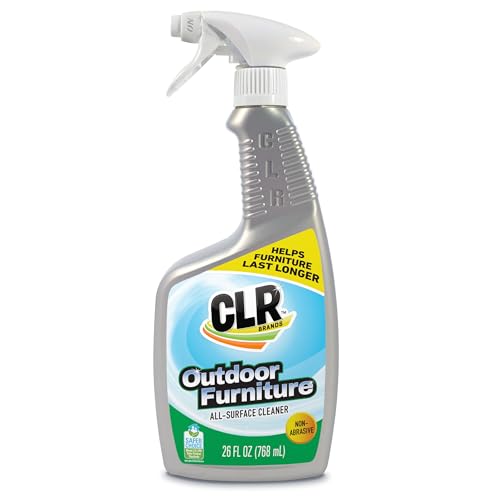
HUNDREDS OF USES: Tackle the whole yard with this powerful outdoor furniture cleaner. Formulated for use on patio, lawn and deck furniture, it is an effective and versatile product for outdoor furniture - from upholstery to plastic play sets.

OXY-POWERED OUTDOOR STAIN REMOVAL: This Outdoor Cleaner & Stain Remover delivers powerful spot cleaning with an oxy-powered formula. Designed to tackle tough outdoor stains caused by mold, mildew, algae, dirt, and grime, it helps refresh patios, decks, and outdoor living spaces

POWERFUL CLEANING ACTION: Formula that loosens and dissolves greasy, grimy messes on contact ensuring easy removal with minimal effort
Routine Maintenance and Inspection
Once you’ve addressed mildew and stains, establishing a regular maintenance schedule becomes essential to prevent future deterioration. Conduct routine checks seasonally or annually before outdoor use, performing thorough damage assessments across all surfaces. Inspect powder-coated aluminum for coating damage, examining joints and weld areas where corrosion typically initiates. Evaluate structural integrity by checking legs and feet for levelness and wear signs that compromise stability. Look for scratches, chips, dents, and oxidation indicators like dullness or white powder residue. Assess protective elements—feet glides, rubber caps, and drain plugs—for degradation requiring replacement. Systematically examine the entire frame for cracks or damage. Schedule light cleanings and touch-ups throughout the season, preventing grime accumulation. To prevent mildew and stubborn grime buildup between cleanings, consider using diluted vinegar solutions or pressure-washer-safe detergents for pre-treatment when needed. Consider waxing or oiling furniture annually to maintain protective layers and extend finish durability.
Seasonal Deep Cleaning Strategies
As seasons change, you’ll want to implement a structured deep cleaning regimen that goes beyond routine maintenance to address accumulated grime, oxidation, and environmental contaminants.
Climate impact determines your cleaning schedule profoundly. In most regions, perform deep cleaning twice yearly during spring and fall. However, four-season climates benefit from quarterly cleaning, while harsh winter areas require sessions before and after storage periods. Coastal and high-pollution zones necessitate increased frequency due to salt exposure and airborne debris.
Seasonal considerations shape your approach. Spring cleaning removes winter accumulation, while fall preparation prevents mold and mildew during storage. Skipping these essential sessions allows oxidation, corrosion, and biological growth to compound, ultimately compromising your furniture’s integrity and appearance. Establishing this disciplined schedule protects your investment long-term.
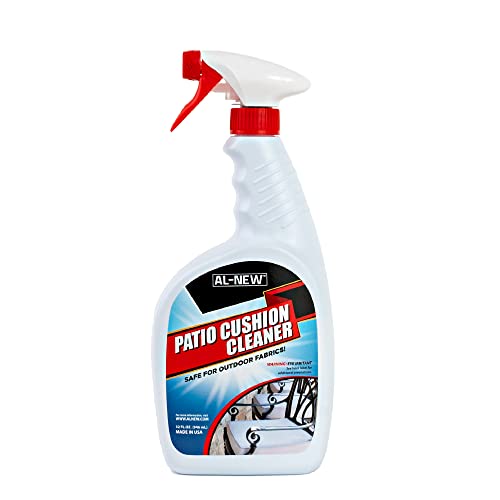
Best Way to Clean Outdoor Patio Cushions, Fabric Cushions, Patio Furniture Covers, Sunshades & Sail Cloth, Fabric Awnings, Umbrellas & More!

CLEAN, RESTORE, & SHINE: AL-NEW Aluminum Restoration Solution removes the chalky oxidation on painted and anodized aluminum, as well as fiberglass surfaces impacted by heat and UV exposure.
Protective Treatments and Long-Term Care
While seasonal deep cleaning removes accumulated contaminants and oxidation, you’ll find that protective sealants and UV strategies form the foundation of sustained aluminum furniture preservation. You should apply car wax or specialized furniture sealants to create a durable, weather-resistant barrier against sun damage and water stains. For UV protection, you’ll want to use sprays like 303 UV Spray, originally developed for aerospace applications, which prevents fading and cracking from prolonged sunlight exposure. You must reapply these treatments regularly to maintain effectiveness. Additionally, you’ll protect your investment by using breathable, water-resistant covers during storms and extended disuse, which shield furniture from moisture and debris without trapping condensation. Using marine-grade stainless steel hardware in your furniture assembly further prevents rust and corrosion from moisture and salt spray exposure. Aluminum’s rust-proof and lightweight properties make it an excellent choice for long-term patio furniture durability when combined with proper maintenance routines. You should inspect your furniture periodically for coating breakdown and address problems early to guarantee long-term durability.

Everbrite Coating is a tough, durable clear coating that will restore the color and luster of faded metals, and protect metals from tarnish, rust, corrosion, fading, chalking, oxidation and even UV rays. You can use Everbrite on painted and unpainted metals.

Use AL-NEW Step 1 Clean to restore the color and shine of your faded metal

Artisan-built of all-weather aluminum, the Marindo collection is precision welded and hand-brush for unsurpassed quality, strength and longevity