How to Create Beautiful Outdoor Furniture Using Pallets
You’ll transform discarded pallets into stunning outdoor furniture by selecting heat-treated hardwood varieties and inspecting for structural integrity. Prepare surfaces through cleaning, sanding, and applying protective finishes like exterior-grade paint and UV-resistant varnish. Design ergonomic pieces with balanced aesthetics, then assemble using corrosion-resistant hardware and weatherproof sealants. Elevate your furniture to reduce moisture exposure and maintain annual protective coatings. Source free or low-cost pallets locally while budgeting $50–$150 for complete projects—discover advanced techniques for maximizing durability and visual appeal.
Selecting and Inspecting Quality Pallets
The foundation of durable outdoor furniture starts with choosing pallets that’ll withstand years of use and exposure. Your pallet selection tips should prioritize hardwood varieties, which deliver 5-7 years of durability with 1500 kg load capacity, or LVL pallets offering superior 7-10 year longevity.
Apply rigorous inspection guidelines by examining deck boards for cracks penetrating thickness and stringers for splits exceeding one-third length. Check all fasteners remain flush without protrusion. Assess surfaces thoroughly—top, underneath, and sides—for warping, splinters, and damage. Verify chemical-free treatment and absence of stains, mold, or pest evidence. Confirm corners maintain 90° angles intact. Reject pallets with odors or visible contamination. This systematic approach guarantees you’ll build furniture that’s structurally sound, safe, and visually appealing for years.
Essential Tools and Materials You’ll Need
Once you’ve secured quality pallets that pass inspection, gathering your tools and materials becomes your next priority to transform those boards into finished furniture. You’ll need essential hand tools like a hammer, tape measure, handsaw, and metal brush for foundational work. Invest in power tools—a cordless drill, circular saw, and orbital sander—to streamline your process considerably. Stock fasteners including wood screws, nails, and metal brackets for structural integrity. Equip yourself with safety gear: dust masks, safety glasses, hearing protection, work gloves, and sturdy shoes. Finally, gather finishing materials: various-grit sandpaper, outdoor paint or sealant, brushes, and clean cloths. Ensure proper fastening with appropriate bolts to secure your pallet furniture for long-term durability and safety. Remember that handling reclaimed wood safely requires proper precautions to protect yourself from splinters and contaminants. This all-encompassing toolkit guarantees you’ll execute every phase efficiently, from initial construction through final weatherproofing.


Preparing Your Pallets for Construction
Before you cut a single board or drive any fasteners, you’ll need to thoroughly prepare your pallets—a critical phase that directly impacts your furniture’s safety, durability, and appearance. Start with pallet identification tips by locating the “HT” stamp, indicating heat-treatment rather than chemical processing. Apply safety assessment guidelines by inspecting for protruding nails, staples, and suspicious stains suggesting unsafe treatment. Test structural integrity by placing weight on pallets to detect split wood or loose fasteners. Next, scrub surfaces with soap and warm water using a wire brush to eliminate debris. Sand progressively from 80-grit to finer grades, following wood grain direction. To prevent lap marks and achieve an even finish, maintain a wet edge while sanding to ensure uniform surface preparation. Apply wood preserver to all surfaces, allowing complete drying. Finally, seal with water-based varnish for environmental protection and longevity, which will help protect the wood from sunlight, moisture, and mildew just as you would with finished patio furniture.
Understanding Pallet Furniture Design Principles
Now that you’ve prepared structurally sound, safely treated pallets, you’ll want to approach design with a framework that weaves together sustainability, aesthetics, stability, and environmental durability. Balance pallet aesthetics with practical functionality by selecting finishes that enhance wood character while protecting against outdoor elements. Your furniture ergonomics should prioritize user comfort through customized features like slanted backrests and reinforced joints. Design load-bearing sections to distribute weight evenly, incorporating diagonal cuts and angled supports for both refinement and stability. Consider modular, multi-functional designs that adapt to limited spaces. Guarantee adequate board spacing for airflow and drainage, preventing water accumulation. Apply sealants resistant to moisture and UV exposure, similar to protective coatings used in outdoor electrical installations. Sand surfaces smooth to eliminate splinters while maintaining natural texture appeal. For enhanced durability and minimal maintenance, consider reinforcing your pallet furniture with weather-resistant materials that offer superior protection against the elements.
Step-by-Step Assembly Instructions
With your design framework locked in and pallets properly prepared, you’re ready to transform raw materials into a functional outdoor piece. Begin by stacking pallet halves to achieve your desired seat height, prioritizing furniture stability considerations throughout. Secure corners with metal panels and four angled screws per corner to prevent board protrusion. These pallet assembly techniques guarantee durability and longevity.
Next, position your backrest pallet vertically against the base. Attach fence brackets to diagonal cuts you’ve made, securing everything with strong screws after pre-drilling to prevent splitting. Add reinforcement adhesive for extra strength if needed. To ensure your outdoor furniture withstands weather exposure, use weatherstripping gaskets and sealants similar to those recommended for protecting pergola installations from moisture damage. For long-term protection and aesthetic quality, consider applying a protective stain finish that will rejuvenate the wood and extend the life of your pallet furniture.
Your assembly process demands precision at each stage. Angled screws, proper corner reinforcement, and pre-drilled holes create a structurally sound foundation that’ll withstand outdoor conditions for seasons to come.

EXCEPTIONAL STRENGTH & DURABILITY: Bxbdcha Brand angle brackets are crafted from heavy duty stainless steel,ensuring super strength and durability.Thus,Corner braces for wood can be for outdoor projects.These sturdy metal brackets for wood feature a smooth surface without sharp edges,keeping your fingers safe.Their robust construction makes them ideal corner connectors for wood and cabinet brackets,perfect for reinforcing loft beds or revitalizing old cabinets.Choose durable 90 degree brackets for DIY

VALUE PACK INCLUDES: Upgrade your toolkit with our [3 Sizes L Brackets] set! You’ll get 10PCS 4 holes metal angle brackets (1.57x1.57x0.63 in), 12PCS 2 holes small l brackets (0.79x0.79x0.63 in), 4PCS heavy duty L bracket (1.18x1.18x1.5 in), and 88 durable screws. This comprehensive kit offers three sizes to suit your needs, ensuring you have the right tools for furniture repairs or DIY creations.

SUPER VALUE & COST - EFFECTIVE: Unleash your creativity affordably! Our L brackets kit includes 20 brackets and 80 screws. The sufficient quantity can meet all your different needs and future projects. Each L bracket measures 1.57*1.57*0.63 in, with a thickness of 0.08 in and an aperture of 0.2 in. The screw has a length of 0.63 in and the diameter of the screw head is 0.27 in.
Customizing Leg Height and Support Structures
The foundation of your pallet furniture’s comfort and durability hinges on getting leg height right. You’ll want to test desired heights using temporary supports before cutting permanently. Calculate leg length by adding cushion thickness to pallet dimensions, then subtract from your target seat height—typically 18-20 inches for ergonomic comfort.
Reinforcement is critical for custom stability. You’ll strengthen connections using multiple L-brackets and cross-support boards between legs, preventing wobbling under load. Material choices matter too; 4×4 posts or reclaimed wood work well when properly sanded and pre-drilled for screw attachment. For outdoor pallet furniture, ensure your leg attachment methods provide lateral bracing requirements appropriate for your deck or patio structure. When spacing posts 12 feet apart or less, doubled or tripled 2x lumber can offer additional structural support for larger furniture pieces.
Consider adjustable heights or modular designs for versatility across different furniture pieces. Aesthetic finishes—paint or stain—enhance weather resistance while integrating legs visually with your pallet surfaces. This approach guarantees both structural integrity and polished outdoor appeal.
Finishing Your Furniture With Paint and Sealant
How do you transform rough pallet wood into weather-resistant outdoor furniture that’ll last for years? Mastering paint application and sealant types makes all the difference.
Start by preparing your wood: clean thoroughly, sand with medium-to-fine grit, and remove dust completely. For stubborn dirt and mildew on your pallet wood, consider using white vinegar to naturally clean the surface before sanding. Apply exterior-grade primer to enhance adhesion and color vibrancy. Use high-quality exterior latex or acrylic paint, applying multiple coats for full coverage on all surfaces, including edges and undersides.
For sealant types, choose exterior-grade clear varnishes compatible with your paint. Apply after paint fully cures, focusing on vulnerable joints and wood ends prone to moisture absorption. This dual-layer approach—paint plus sealant—creates durable protection against UV rays and weather damage. Allow adequate drying times between coats to ensure each layer sets properly before applying the next application.
Reapply sealants periodically to maintain protection and extend your furniture’s lifespan considerably.

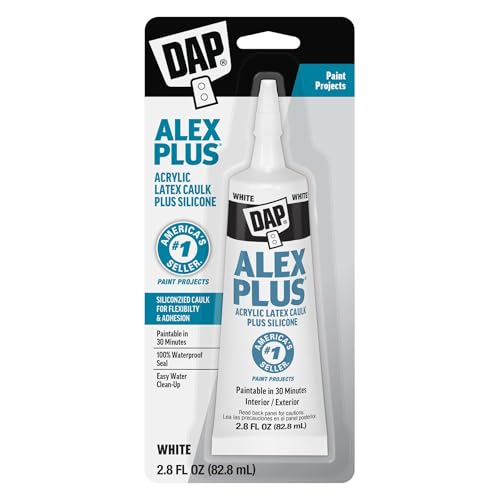
Paintable caulk in a 2.8 ounce size is ideal for small touch-ups and repairs, has strong multi-surface adhesion and won't shine through or discolor paint

Paintable caulk has strong multi-surface adhesion and won't shine through or discolor paint
Weatherproofing for Outdoor Durability
Beyond paint and sealant lies the critical foundation of weatherproofing—you’ll want to establish multiple protective layers that work together to shield your pallet furniture from moisture, UV damage, and the elements. Seal end grains with wood epoxy to prevent rapid water wicking that causes rot. Use corrosion-resistant hardware like stainless steel or deck screws to eliminate rust and structural weakening. Combine waterproof adhesives with mechanical fasteners for enhanced stability.
Elevate furniture off wet ground and improve drainage to reduce prolonged moisture exposure. Layer thin coats of sealants rather than applying one thick coat for better penetration. When applying these protective finishes, selecting the right nap and quality roller cover will help ensure even application and proper penetration into the wood. Implement outdoor maintenance routines by reapplying protective finishes annually or biannually, especially in harsh climates. Monitor for wear signs like cracking to prompt timely retreatment and sustained durability. For outdoor furniture that will withstand years of exposure, consider that pressure-treated wood offers superior longevity compared to untreated pallets, lasting 15-30 years or more with proper maintenance.

BUILT FOR OUTDOOR DURABILITY – 304 STAINLESS STEEL: Made from 304 stainless steel, these stainless steel wood screws resist rust, rain, humidity, and coastal conditions. Ideal exterior deck screws for decks, fences, docks, and outdoor wood projects. 96-hour salt spray tested for reliable corrosion resistance.
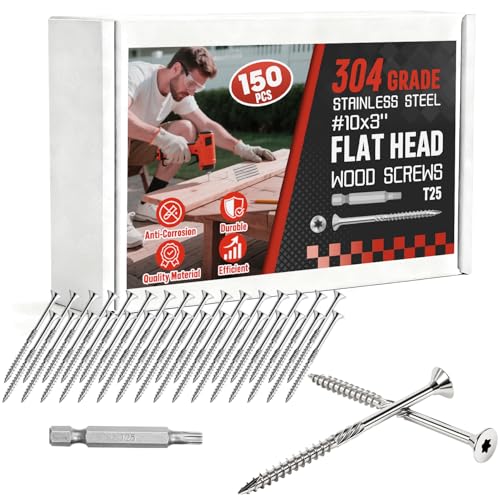
Defeat Rust for Good with 304 Stainless Steel - Tired of rusty screws ruining your project's look and strength? Get screws that stand the test of time. Crafted from premium 304 stainless steel, these construction screws resist corrosion in wet, coastal, and high-moisture environments, delivering lasting performance where ordinary screws fail.

30% FASTER INSTALLATION TIME vs. COMPETITION: Complete your project faster
Budget-Friendly Sourcing and Cost Management
Creating stunning pallet furniture doesn’t require deep pockets—you’ll find pallets available free or cheap from local businesses like hardware stores, warehouses, supermarkets, and construction sites keen to avoid disposal costs. Online marketplaces and pallet recycling centers offer cost-effective recycling options, though you must prioritize heat-treated pallets marked “HT” and inspect for structural integrity.
Your pallet acquisition strategies should emphasize quality assessment: reject chemically treated wood and prioritize pallets previously carrying food products. Budget $50–$150 for complete projects, depending on tool ownership and finishing materials. Locally source materials to reduce expenses compared to retail options. Disassemble pallets carefully to maximize usable planks, preventing unnecessary purchases. Plan furniture dimensions around available pallet inventory, avoiding costly overages. Allow adequate curing time between applications when finishing your pallet furniture with stain or sealant to ensure a durable protective coating. Consider incorporating natural elements like eucalyptus leaves into your outdoor pallet furniture design to enhance its seasonal appeal and create a cohesive aesthetic with surrounding landscape features.

OPTIMAL 4-WAY ENTRY DESIGN: Allows forklifts and pallet jacks to access the pallet from all four sides, improving loading and unloading efficiency in warehouses, stockrooms, and storage areas.

BULK PACK: WHOLESALE Pack of 6 Creative Hobbies Mini Wood Pallet Coasters for Beverages, Hot and Cold Drinks, Mini Building Blocks Stacking, DIY Crafts.

【5 Piece Repair Set】Pliers Set with Wood Pallet includes 5 mini tools for detailed handling. Designed for watch repair and jewelry work, with a beech pallet stand for organized storage on the bench.