The Ultimate Guide to Applying Behr Deck Stain Perfectly
You’ll transform your deck by mastering Behr stain application’s three critical phases. First, prepare meticulously: verify moisture below 16%, clean thoroughly, address imperfections, and allow 24-hour drying. Second, apply thin, even coats using proper tools—stain pads for large surfaces, bristle brushes for edges—maintaining temperatures between 50–90°F and humidity below 50%. Third, respect cure times: water-based stains need 12–14 hours; oil-based require up to 7 days for full protection. Uncover how each step interconnects for professional results.
Preparing Your Deck Surface for Staining
You’ll need to verify that your deck’s moisture content sits below 16% before applying stain, as this threshold directly impacts absorption quality and long-term durability. Use a moisture meter to confirm wood dryness, particularly with pressure-treated lumber that resists penetration.
Before staining, address all surface imperfections systematically. Reset popped fasteners, fill cracks and splits, and sand rough grain areas to guarantee uniform absorption. Remove old finishes completely using chemical strippers or power washing, then treat mildew and rust stains with appropriate cleaners.
After cleaning with specialized wood cleaners like BEHR PREMIUM All-in-One Wood Cleaner, scrub with stiff-bristled brushes along the grain direction. Rinsing thoroughly and allowing adequate drying times before application ensures the wood is completely prepared for optimal stain absorption. Allow 24 hours for complete drying. Working in manageable sections helps you maintain control over the preparation process and prevents overlooking any areas. This methodical preparation guarantees ideal stain adhesion and consistent results across your entire deck surface.

🌲【Accurate and fast measurements reveal hidden water leaks】: It has 2 high-precision pins that can penetrate the surface to be tested and quickly measure moisture content to estimate potential moisture increase throughout the home. COCZOW moisture meter is the ideal tool for measuring moisture.
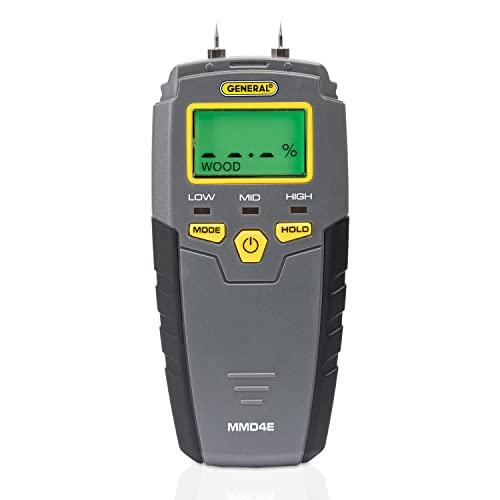
HUMIDITY SENSOR: Our handy meter tool can quickly determine what level of remediation is needed to keep your family safe from black mold. High levels of dampness that go untreated are the leading cause of harmful fungus growth in the home.

WATER LEAK DETECTOR detects relative moisture content from leaks and flooding
Essential Cleaning and Pre-Application Steps
Three critical phases—cleaning, stripping, and drying—establish the foundation for successful stain application, and each demands systematic attention to detail. You’ll begin by sweeping thoroughly, then wetting your deck with a garden hose before applying BEHR All-In-One Wood Cleaner via pump sprayer. Let the cleaning products sit for fifteen minutes, then scrub with the grain using a stiff bristle brush.
For deck types with failing finishes, use a deck stain stripper, followed by pressure washing and orbital sanding. Apply wood brightener to neutralize chemical residue. Rinsing completely is essential to prevent adhesion issues, as contaminants left behind interfere with stain adhesion and longevity. Then allow several days for full drying. When working with railings that include metal balusters, protect these metal components from stain overspray during the preparation phase to maintain clean finishes. Verify moisture levels by placing plastic sheeting over the wood—condensation indicates insufficient drying. Don’t proceed with staining if surfaces remain damp or rain threatens within twenty-four hours.

DESIGNED TO REMOVE SPECIALTY DECK COATINGS AND PAINTS FROM MULTIPLE SURFACES - Remove Paint, Latex, Polyurethane, Shellac, Varnish, Acrylic, Oil Based Coatings and More in usually a Single Application!

EASY STAIN STRIPPING: Powerful deck stain stripper for wood removes weathered, clear, or semi-transparent stains. Spray on with a pump-up sprayer and rinse with a power washer for best results.

IMPORTANT READ FIRST - Will not remove solid color opaque stains, paints, polyurethanes, or excessively over-applied acrylic (water-based) stains. If you have a question about if this will work for removing your stain, please ask below in the Questions Area with the brand name and type of stain being removed or contact us directly.
Selecting the Right Tools and Equipment
Because proper application technique directly impacts stain penetration and finish quality, selecting equipment that matches both your deck’s characteristics and the stain formulation you’ve chosen becomes crucial. You’ll find multiple tool types available, each serving distinct purposes.
The BEHR Exterior Stain Pad delivers faster coverage on large flat surfaces with its 7-inch flocked fiber design. For edges and tight spaces, you’ll need white China bristle brushes—4 to 6-inch sizes handle both detail work and backbrushing effectively. A 12-inch roller provides smoother results on expansive sections. When working with spray application methods, a pump sprayer with an adjustable fan-tip allows you to maintain consistent pressure and control spray patterns across your deck surface.
Equipment compatibility matters considerably. Confirm all applicators feature universally threaded handles that attach to standard extension poles. Match nap composition and tool selection to your specific stain type—oil-based, semi-transparent, or semi-solid formulations each require optimized application methods for consistent, professional results. Applying thin, even coats with your chosen equipment ensures proper drying and prevents surface failure including peeling and cracking.

💎BRUSH SPECS: 7” (180mm) wide x 2” (50mm) thick. Giant Block Stain Brush. This large brush with threaded handle can be attached to an extension pole or a long broom handle. Stand Stain Brush Applicator, free up your back and knees as you paint deck floor and wall ceilings.

Stains flat surfaces and between boards at the same time

Package Contents: you will receive 2 stain pads with threaded handles thereby doubling the efficiency of your work for your daily needs, and convenient for your replacement
Understanding Temperature and Environmental Requirements
While proper tool selection guarantees consistent application, environmental conditions determine whether your stain’ll actually cure correctly and deliver the durability Behr products promise. Temperature impacts dictate your application window—most Behr stains require 50°F to 90°F conditions, though some products allow 35°F minimums. Maintain temperatures above these thresholds for at least 12 hours post-application; sudden drops compromise curing and adhesion.
Humidity effects greatly influence results. You’ll achieve peak performance below 50% humidity; elevated moisture slows drying and reduces adhesion. Make sure your wood’s completely dry before staining, waiting 24 hours after cleaning or rain. Avoid applications when rain’s forecast within 24–48 hours.
Stain in shade during cooler daylight hours. Direct sunlight creates excessive surface temperatures, causing rapid, uneven drying and blotchy finishes. Check your wood’s actual surface temperature using an infrared thermometer for precision.
Mastering the Staining Technique
Maintain consistent stain consistency throughout application by stirring occasionally. Work two to three boards at a time, starting from the deck’s far end to preserve your escape route. Apply thin, even coats using proper brush techniques—maintain a wet edge and work systematically end to end. Back-brush after spraying to eliminate lap marks and guarantee uniform coverage.
Stain all accessible surfaces, including exposed ends and vertical elements. Avoid direct sunlight and hot surfaces during application. Allow 1-2 hours drying time between coats before recoating. For porous wood types, you may need to apply multiple coats to ensure complete penetration and optimal color depth. For optimal results and to ensure stain penetrates deeply into wood grain, particularly in gaps between boards, consider using a lamb’s wool applicator instead of a standard paint roller for better control and absorption.

【Easy-to-Adjust Applicator Head】Quickly hand-adjust from 0° to 180°. Made from rugged nylon to withstand repeated use. Come with a comfort-gripping handle for short-range application. Smooth performance on all heights, surfaces, and tight spaces.

Premium Quality Material: Crafted from 100% Natural Lambskin, ensuring superior absorption and a smooth, even application of stains and polyurethane.

More Even Staining, Fewer Marks: The lambswool applicator pads with fine, soft, thick fibers—release stain evenly. Unlike harsh brushes (which leave marks) or rough cloth (prone to unevenness), they glide along wood grains for smooth, natural color transitions.
Working With the Grain for Professional Results
The direction of wood grain fundamentally determines how stain penetrates and adheres to your deck’s surface. When you apply stain along the grain, you enable thin layers to penetrate the wood fibers effectively without pooling or surface sitting. You’ll achieve superior staining consistency by working two or three boards simultaneously while maintaining directional strokes. Long, smooth applications prevent streaks and blotches that compromise aesthetic results. You must avoid overlapping strokes, as these create visible lap marks and uneven coloration. Grain visibility increases considerably with semi-transparent finishes, making directional application absolutely essential. Consistent brush pressure and stroke length guarantee uniform coverage. For tougher stains or stubborn marks on your deck surface, consider boosting your cleaning solution with baking soda or OxiClean before staining to ensure optimal adhesion. After completing your staining project, clean your brushes immediately by washing them in mineral spirits or solvent for oil-based stains to maintain their condition for future use. By respecting grain direction throughout your application process, you’ll attain professional-quality results that enhance your deck’s appearance and durability.
Managing Drying Times Between Coats
Once you’ve applied your stain with proper grain-directed strokes, managing the drying period between coats becomes your next critical control point. You’ll achieve ideal drying by maintaining temperatures between 35-90°F and guaranteeing adequate ventilation throughout your work area. Humidity impact directly influences your timeline—higher moisture levels extend drying periods considerably beyond the standard 1-2 hours before recoating.
Monitor environmental conditions closely. Direct sunlight accelerates drying unevenly, potentially causing lap marks. Conversely, cooler temperatures and elevated humidity demand additional waiting time. You should verify surface dryness before applying your second coat, as premature recoating traps moisture beneath the stain, compromising adhesion and durability. Temperature must remain above 35°F for 12 hours post-application to guarantee proper cure development. Most experts recommend allowing 24-72 hours for full curing before subjecting your deck to normal use conditions. Proper drying management is especially important for larger decks, where labor costs can accumulate significantly if application mistakes necessitate additional prep work or restaining.
Achieving Full Cure and Long-Lasting Protection
Your stain’s journey doesn’t end when you’ve finished applying the final coat—proper curing determines whether your deck’ll withstand years of exposure or deteriorate prematurely. Most Behr deck stains require 72 hours for full cure, though oil-based formulations may extend to 7 days. Water-based stains cure faster at 12-14 hours. Cure duration varies with temperature and humidity; conditions below 35°F or high moisture noticeably delay hardening.
Implement critical protective measures during this vulnerable window. Avoid foot traffic and furniture placement until full cure completes. Rain exposure within the first 4 hours compromises the finish irreversibly. After 12 hours, oil-based stains resist rain damage. Before applying stain, ensure favorable weather conditions exist with at least 24 hours of dry, mild weather to support proper curing and adhesion. For those preferring to maintain the wood’s natural appearance, clear sealers offer moisture and UV protection without altering the deck’s color. Proper curing guarantees warranty validity and maximizes longevity, protecting your investment against peeling, flaking, and premature deterioration while maintaining the stain’s protective qualities for years.

READY-TO-USE DECK STAIN & SEALER: Olympic WaterGuard woodland cedar semi-transparent wood stain and sealant combines color and waterproofing in one water-based, ready-mix coat.

MARINE SEALANT: Our liquid formula creates a UV-stable coating for protection against the elements, saltwater spray, and water damage. Marine is a protector for outdoor furniture, thermally modified wood, and boat docks. Marine is safe for use over open water and is non-hazardous to aquatic life. ** This product is NOT intended for hardwoods such as ipe, mahogany and teak. NOT intended for wood submerged under water or on wooden boats **

WATER-BASED WOOD FINISH: Our sealant provides top-notch protection against wear and tear in high traffic areas. It's odorless and suitable for use on wood siding, log homes, swing sets, outdoor furniture, wooden deck and fence, and more