How to Clean Outdoor Furniture Cushions for Summer
You’ll start by vacuuming cushions with a soft brush attachment, then inspect fabric care labels carefully. Mix mild dish soap with warm water for general cleaning, or combine vinegar, water, and baking soda for stubborn stains. Apply your solution, let it sit 15–30 minutes, then gently brush and blot—never scrub aggressively. Rinse thoroughly with a garden hose at medium pressure, squeeze out excess moisture, and air-dry completely before storage. Following these methodical steps guarantees your cushions stay fresh and protected all summer long, though there’s considerably more detail to master each technique.
Preparation and Inspection
Before you begin cleaning your outdoor furniture cushions, you’ll want to remove them completely from the furniture and set up a dedicated cleaning area. Choose a shaded, well-ventilated spot protected from direct sun to prevent premature dirt drying. Lay down drop cloths to protect your patio from spilled cleaning solutions.
Next, inspect each cushion thoroughly for stains, tears, and mildew growth—particularly important for mildew prevention if cushions were stored wet. Examine fabric care labels to understand temperature requirements and acceptable cleaning methods. Identify your filler type and check for removable covers. Note any hard-to-clean areas requiring special attention. Ensure cushions are completely dry before storing them away to prevent mildew from developing during off-season periods.
Finally, vacuum cushions using a soft brush attachment to remove surface debris and dust from seams. This initial debris removal prevents dirt from embedding during washing, ensuring the best cushion protection throughout the cleaning process. For cushions showing visible mold or mildew, test any cleaning solution on a hidden area first to prevent fabric discoloration.
Essential Cleaning Tools and Materials
You’ll need a strategic combination of basic tools, specialized products, and protective equipment to effectively clean your outdoor furniture cushions without causing damage.
Start by gathering essential cleaning supplies: a soft-bristle brush, handheld vacuum with attachments, spray bottles, buckets, sponges, and towels. For equipment safety, wear gloves when handling potent agents like bleach or hydrogen peroxide solutions.
Stock specialized products suited to your cushion fabric—mild dish soap, white vinegar, and commercial outdoor fabric cleaners work well for most materials. If you’ve got Sunbrella or proprietary fabrics, invest in manufacturer-specific cleaners. For winter storage, plan ahead by removing and storing cushions indoors to avoid freezing and thawing damage.
Don’t overlook a garden hose for rinsing; avoid pressure washers entirely, as they damage fabric irreversibly. To prevent permanent damage and maintain your cushions’ longevity, treat stains promptly before they set into the material. Keep supplies organized in a designated storage location away from children and pets, maintaining inventory based on your seasonal cleaning frequency.

MULTIFUNCTIONAL CLEANING BRUSH: High-quality soft household cleaning brush bristles can easily clean dirty parts of clothes, such as collars and cuffs without damaging the fabrics, and can also be used to clean stains on tiles and countertops, making home cleaning easy.
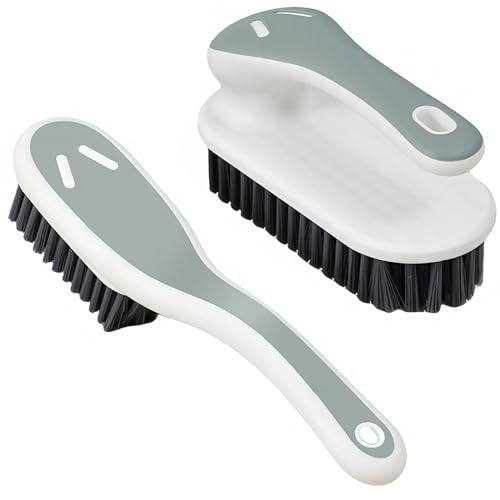
MULTIFUNCTIONAL CLEANING BRUSH: High-quality soft household cleaning brush bristles can easily clean dirty parts of clothes, such as collars and cuffs without damaging the fabrics, and can also be used to clean stains on tiles and countertops, making home cleaning easy.

【Quality & Soft Bristles】The shoe brush is made of pp and nano soft bristles, wear-resistant and flexible, do not hurt the surface of clothes, shoes and boots, can be used for delicate fabrics.
Cleaning Solution Preparation Methods
Selecting the right cleaning solution makes all the difference in restoring your cushions’ appearance without compromising their integrity. You’ll find that different stains demand specific cleaning techniques for maximum solution effectiveness.
Start with mild dish soap and water for general dirt—mix one tablespoon soap with one quart warm water. For stubborn stains, combine one cup white vinegar, one cup warm water, and one tablespoon baking soda to leverage the fizzing reaction’s lifting power. White vinegar’s natural acidity also helps break down mineral deposits and soap scum that accumulate on outdoor cushions.
You can enhance your arsenal with a borax formula by dissolving one tablespoon borax with one tablespoon dish soap in one cup warm water. For mold and mildew, adjust to one part borax with four parts water.
When standard methods fail, you’ll want rubbing alcohol solutions or OxiClean for stronger results. Always test solutions on inconspicuous areas first to verify color-fastness and fabric compatibility. If your outdoor furniture is made from acacia wood, be especially careful with excess water when cleaning nearby cushions, as acacia requires protection from moisture exposure. For optimal results with mildew and mold, consider allowing your chosen solution to sit for about 15 minutes before scrubbing gently with a soft brush.
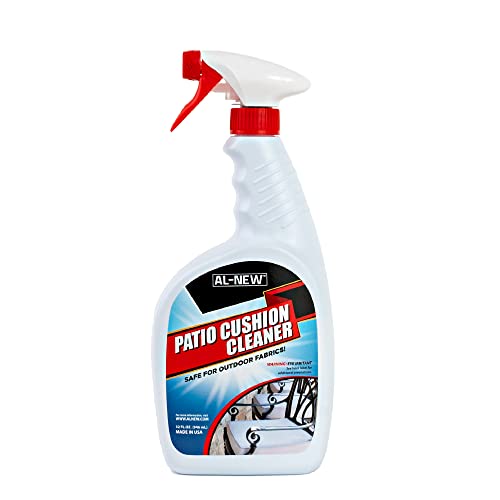
Best Way to Clean Outdoor Patio Cushions, Fabric Cushions, Patio Furniture Covers, Sunshades & Sail Cloth, Fabric Awnings, Umbrellas & More!

Specialized Formula for Outdoor Fabrics - Advanced formula designed for high-use outdoor surfaces, making this patio cushion cleaner, outdoor fabric cleaner, and outdoor furniture cleaner ideal for maintaining cushions and fabrics exposed to sun, moisture, and frequent use. Helps support regular care of outdoor materials without relying on harsh cleaning methods

Outdoor Furniture Cleaner - Parker & Bailey Patio Furniture Cleaner is an effective cleaning spray for any patio furniture set. With UV protectant that acts as a guard against the sun's damaging rays. Remove dirt, clean pollen, and sap.
Scrubbing and Stain Treatment Techniques
Once you’ve prepared your cleaning solution, the tools you select and the technique you employ will determine whether your cushions emerge refreshed or damaged. Start by vacuuming seams and crevices to remove loose debris, then apply your solution to stains and let it sit for 15–30 minutes. Use soft-bristle brushes for gentle fabric care, working methodically to lift stains without weakening fibers. Blot rather than scrub aggressively—this approach prevents damage while addressing stains effectively. For stubborn marks, employ specialized solutions like vinegar-baking soda mixtures tailored to your fabric type. Remember that stain prevention begins with proper technique: treat oil-based stains with baking soda paste first, then proceed with your cleaning solution. To further protect your outdoor cushions, consider protective coatings applied annually to enhance their durability and appearance. Always air-dry cushions completely afterward to prevent moisture from causing mildew or mold growth, which can compromise your cushions’ integrity over time. Proper material-specific care extends the life of your outdoor cushions and keeps them looking fresh throughout the season.

OXY-POWERED OUTDOOR STAIN REMOVAL: This Outdoor Cleaner & Stain Remover delivers powerful spot cleaning with an oxy-powered formula. Designed to tackle tough outdoor stains caused by mold, mildew, algae, dirt, and grime, it helps refresh patios, decks, and outdoor living spaces

Quickly removes stains caused by mold and mildew on contact without heavy scrubbing; EASY TO USE - spray, wait until the stain disappears, then rinse

Stiff bristles remove dirt and grime, breaking up stains and lifting dirt and debris from carpeted and upholstered surfaces
Rinsing and Water Removal Process
Proper rinsing is essential to eliminate cleaning solution residue and loosened dirt that’d otherwise attract grime and compromise your cushions’ appearance. Use a garden hose with adjustable spray settings, maintaining 6–10 inches between the nozzle and fabric to prevent damage. Apply medium pressure and rinse all angles thoroughly.
For water extraction, press cushions by hand to expel excess moisture, then squeeze foam inserts gently. Position cushions vertically against a wall to encourage drainage. Blot surfaces with clean, absorbent towels to remove remaining water. Consider using outdoor upholstery foam with closed-cell construction, which naturally resists moisture absorption and facilitates quicker drying.
These rinsing techniques and water extraction methods work together to prevent soap buildup and facilitate faster drying. Always perform this process outdoors, ensuring runoff doesn’t pool near furniture bases, which could promote mold growth. Multiple rinse cycles may be necessary for heavily soiled cushions. Allowing cushions to air dry completely prevents mold and mildew from developing during storage or between uses.
Drying and Post-Cleaning Care
After you’ve thoroughly rinsed and extracted excess water from your cushions, the drying phase becomes critical to preventing mold growth and ensuring your investment lasts for years. Select a sunny, well-ventilated drying location that maximizes evaporation while minimizing mold risk. Position cushions off the ground and elevate them to prevent moisture reabsorption from surfaces. Enhance air circulation by using portable fans positioned to blow directly onto cushions, and rotate them periodically to expose all sides evenly. Stand cushions vertically or hang them on a clothesline rather than stacking them, which traps moisture. Rotate your cushions every few hours under direct sunlight for ideal sanitization. For stubborn stains, consider using a mixture of mild dish soap combined with white vinegar before the drying process to ensure complete removal. Once completely dry, store cushions in covered, dry areas to maintain their freshness and prevent future mildew development.
Special Considerations for Different Cushion Types
Since outdoor cushions vary considerably in their construction and materials, you’ll need to tailor your cleaning approach to prevent damage while achieving ideal results. Foam-backed cushions demand spot cleaning only—avoid soaking, which compromises structural integrity. For solid fabric or webbing-backed options, you can use a brush with mild detergent more aggressively. Mesh and breathable materials require low water pressure to prevent debris from forcing through openings rather than removing it. Down or feather-filled cushions need gentle spot treatment exclusively, as water saturation causes permanent clumping. Your cleaning frequency depends on cushion materials and exposure conditions. High-traffic areas warrant monthly attention, while protected cushions need quarterly maintenance. Always consult manufacturer guidelines, as specialized materials sometimes require professional cleaning to maintain warranties and longevity.

WATER REPELLENT SPRAY: One Scotchgard Outdoor Sun & Water Shield Fabric Spray, 10.5 oz can, that repels water and protects against the sun's UVA/UVB rays

EFFECTIVELY REMOVES MOLD & MILDEW STAINS – Designed to eliminate tough outdoor mold, mildew stains, dirt buildup and organic staining from patio cushions and outdoor furniture fabrics.

WATER REPELLENT SPRAY: Four Scotchgard Outdoor Water Shield Fabric Spray, 10.5 oz cans, that protects fabrics against the elements