

The Ultimate Guide to Cleaning Mesh Patio Furniture
You’ll start by vacuuming loose debris with soft brush attachments, then apply mild soap solutions using circular scrubbing motions with soft-bristled brushes. For stubborn stains, use vinegar-water mixtures or baking soda pastes—avoid bleach and pressure washers. Blot excess water promptly with microfiber cloths and position furniture in well-ventilated areas for drying. Inspect overlapped mesh areas regularly for mildew, applying vinegar solutions during cleaning sessions. The extensive steps ahead’ll transform your furniture’s appearance completely.
Preparation and Initial Assessment
Before you begin cleaning mesh patio furniture, you’ll want to conduct a thorough examination of both the mesh fabric and the supporting frame. Your initial observations should identify the specific fabric types—whether you’re dealing with fabric mesh, plastic mesh, or vinyl mesh—since each requires tailored cleaning approaches. Inspect the frame material to determine compatible cleaning solutions and methods. Check for existing damage, tears, or weak spots that could worsen during cleaning. Assess dust and debris accumulation levels to gauge your cleaning intensity. Detect visible stains, mold, or mildew patterns across the surface. Finally, prepare your work area by placing furniture near a water source and removing detachable components. This methodical preparation guarantees effective, damage-free cleaning.
Gentle Cleaning Solutions
Once you’ve assessed your mesh furniture’s condition and identified potential problem areas, you’re ready to select appropriate cleaning solutions that’ll effectively remove dirt without compromising the fabric’s integrity. Mild soap-based solutions remain your first-line defense; dilute dish soap in warm water and add vinegar or lemon juice for enhanced stain removal. For organic stains like mildew, prepare homemade recipes using vinegar and water mixtures in 1:1 or 1:3 ratios. These eco-friendly options break down discoloration naturally without damaging mesh fibers. For stubborn grime, combine baking soda with water into a paste. When home remedies prove insufficient, select commercial cleaners specifically formulated for outdoor mesh furniture. To prevent permanent damage and maintain your furniture’s longevity, promptly treat stains as soon as they appear. Always follow manufacturer instructions carefully and avoid bleach, solvents, or pressure washers that irreversibly compromise fabric integrity.

POWERFUL CLEANING ACTION: Formula that loosens and dissolves greasy, grimy messes on contact ensuring easy removal with minimal effort
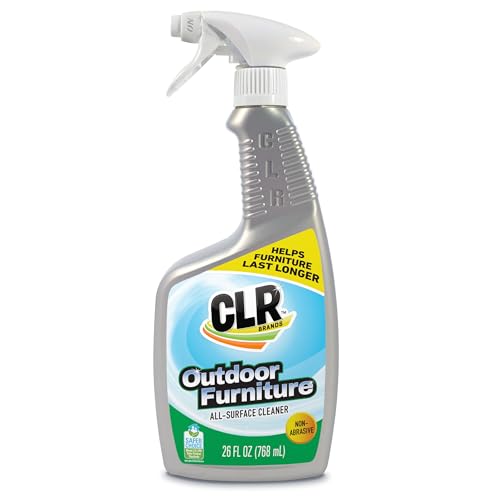
HUNDREDS OF USES: Tackle the whole yard with this powerful outdoor furniture cleaner. Formulated for use on patio, lawn and deck furniture, it is an effective and versatile product for outdoor furniture - from upholstery to plastic play sets.

EFFECTIVELY REMOVES MOLD & MILDEW STAINS – Designed to eliminate tough outdoor mold, mildew stains, dirt buildup and organic staining from patio cushions and outdoor furniture fabrics.
Washing Techniques and Application Methods
The effectiveness of your cleaning efforts depends directly on how you apply your chosen solutions and physically work them into the mesh fabric. Start with vacuuming methods using handheld cleaners equipped with brush attachments to remove loose debris before wet cleaning. This preliminary step prevents grime from embedding during washing.
For brush techniques, employ circular scrubbing motions working from top to bottom, using soft-bristled brushes or car wash gloves to avoid concentrated wear patterns. Alternatively, use soft sponges soaked in diluted cleaning solutions for targeted scrubbing on heavily soiled areas.
Apply damp cloths to distribute cleaning solution evenly across both mesh sides. Work methodically across the entire surface, ensuring complete coverage. Blot excess water with soft cloths to facilitate faster drying and prevent residue accumulation. For tough stains or mildew buildup, a mixture of water, white vinegar, and mild soap can be highly effective on mesh fabrics. To prevent water spots and potential rust formation, prompt drying with a microfiber cloth is essential for maintaining your mesh furniture’s longevity.

【It's Time to Clean Window Screen】Picture this - It's the end of the summer, the air is getting crisp, leaves are starting to fall, and there's a slight breeze in the air that's been sticky and hot for months on end. Turning on the air conditioner probably seems like major overkill, which means it's officially time to open the windows. Then sounds like it's time to use IMHO window screen cleaning brush to clean those screens!

Ergonomic Design: The peanut-shaped wood body of this hand scrub brush offers an ergonomic grip, ensuring comfortable use during extensive cleaning sessions. Ideal for those seeking a reliable bristle brush for cleaning various surfaces efficiently.

[2-in-1 Screen & Glass Cleaner] Say goodbye to dirty window screens. One side scrubs mesh screens, and the built-in squeegee wipes glass streak-free. It’s your versatile, efficient tool for fast, all-around window cleaning.
Targeted Stain Removal
Different stain types require different removal strategies, and you’ll achieve better results by identifying what you’re dealing with before applying a solution. Stain identification determines your stain treatment approach.
For food and grease stains, rubbing alcohol dissolves particles quickly, followed by diluted dishwashing liquid to eliminate remaining discoloration. Organic stains like mildew respond effectively to equal parts white vinegar and water; let the solution sit 15-30 minutes before scrubbing.
Stubborn buildup requires baking soda application with damp sponges, or combine vinegar and baking soda for enhanced penetration. Tough stains on white or plastic mesh benefit from bleach solutions—rub onto stains and wait several minutes before rinsing thoroughly.
Always use soft sponges and brushes to prevent fabric damage during stain treatment.

OXY-POWERED OUTDOOR STAIN REMOVAL: This Outdoor Cleaner & Stain Remover delivers powerful spot cleaning with an oxy-powered formula. Designed to tackle tough outdoor stains caused by mold, mildew, algae, dirt, and grime, it helps refresh patios, decks, and outdoor living spaces

Quickly removes stains caused by mold and mildew on contact without heavy scrubbing; EASY TO USE - spray, wait until the stain disappears, then rinse

POWERFUL CONCENTRATED FORMULA: Effectively removes mold, mildew, algae, leaf stains, bird droppings, tree sap, grease, oil, and some food or drink stains from awnings, tents, boat covers, cushions, carpets, vinyl, plastic, and fiberglass without damaging fabrics or colors.
Rinsing and Residue Removal
After you’ve treated stains with your chosen solution, removing every trace of cleaning agents becomes your next priority. Your rinse techniques must address both sides of the mesh thoroughly, ensuring water flows through all perforations and weave gaps. Use a garden hose with a spray nozzle rather than high-pressure washers, which risk damaging fibers.
Residue effects manifest as sticky surfaces, visible suds, or dust attraction post-cleaning. Repeat rinsing cycles if soap persists. Employ warm water when possible to dissolve stubborn residues, though cold water works acceptably if necessary. Continue rinsing immediately after applying solutions and after spot treatments.
Monitor for incomplete removal signs: tacky mesh, discoloration, or odors from trapped agents. Thorough rinsing maintains fabric flexibility, prevents buildup, and preserves your furniture’s appearance and longevity.
Drying and Maintenance
Once you’ve completed thorough rinsing, proper drying becomes critical to protecting your mesh furniture’s structural integrity and preventing moisture-related deterioration. Employ strategic drying techniques by positioning your furniture in well-ventilated areas away from direct sunlight, which causes fading and material damage. Use fans to maximize airflow and expedite moisture removal. Gently blot excess water with soft cloths before air drying to accelerate the process.
Your maintenance practices should include pressing foam cushions to detect hidden moisture and removing cushion covers for separate drying. Allow furniture to dry completely before storage or use. Store cushions covered with tarps during wet weather. Inspect overlapped mesh areas regularly for mildew development. Apply vinegar-based solutions during cleaning to inhibit mold spores and guarantee durability. Different materials like plastic or aluminum may require slightly different drying approaches, but thorough drying prevents mildew and extends your furniture’s lifespan.

Pop Up Installation: We want you have more time to paint your beauty items, not waste time on setting up the booth, this booth is a pop up paint, you can set it up easily and...
Prevention and Long-Term Care
While regular cleaning addresses immediate dirt and debris, establishing a proactive prevention strategy protects your mesh furniture’s longevity and appearance. You’ll want to apply fabric protectors or waterproof sprays designed specifically for mesh to shield against rain and UV damage. Store furniture in covered, dry areas during harsh weather seasons to minimize environmental considerations that accelerate deterioration. Use breathable covers when storing off-season to prevent moisture accumulation that breeds mold. Inspect overlapping mesh and webbing areas regularly for early mold signs, particularly in high-use seating zones. Avoid placing hot objects on vinyl mesh, which can warp or melt. Before storage, verify your furniture is completely dry and free of moisture. These preventative protection measures greatly extend your investment’s functional lifespan and aesthetic appeal.

WATER REPELLENT SPRAY: One Scotchgard Outdoor Sun & Water Shield Fabric Spray, 10.5 oz can, that repels water and protects against the sun's UVA/UVB rays
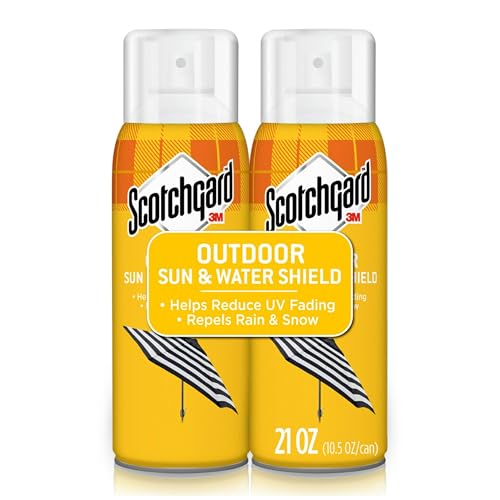
Strong fabric protection repels water based spills for easier cleanup
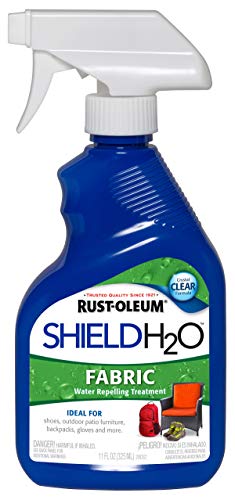
Ideal for long lasting moisture resistance on shoes, patio furniture, apparel, camping gear and more


