How to Remove Paint From Metal Patio Furniture Safely
You’ll safely remove paint from metal patio furniture by selecting the right method for your situation. Scrape using a putty knife at 30-45 degrees along the grain. Apply chemical strippers in well-ventilated areas with protective gear. Use fine-grade steel wool (#0000) with moderate circular pressure. Heat guns work well for curved surfaces—start low and avoid prolonged heating. Each technique requires proper safety equipment: gloves, goggles, and respirators rated for organic vapors. The most effective approach depends on your furniture’s condition and paint type.
Paint Scraper Method
Scraping away old paint from metal patio furniture demands careful tool selection and proper technique to avoid damaging the underlying surface. For scraper selection, choose a metal putty knife or blunt-edged scraper specifically designed for metal. Opt for multiple sizes to handle both expansive flat areas and tight crevices effectively.
When executing your scraping technique, hold the scraper at a 30-45 degree angle against the metal. Apply consistent, even pressure while working in small sections to maintain control and minimize surface damage. Always scrape along the metal’s grain or design pattern to prevent gouging or rough spots.
For stubborn paint, use a wire brush alongside your scraper on textured surfaces. After initial scraping, fine-grit sanding smooths any remaining roughness, preparing your furniture for rust-inhibiting primers and fresh paint application. Once you’ve completed sanding and painting, remember that prompt drying with a soft towel helps prevent water spots and rust formation on your newly refinished metal furniture.

10 in 1 Putty Knife: A mutifunctional paint scraper for home Improvement and professional painters

【Multipurpose】5pcs Spackling Knives Different Sizes Are Available, Perfect for Putty, Wallpaper, Applique, Backing, Repair, Paint, Plaster, Including Drywall, Plaster, Baking, Spackling, Patching, Stucco and Much More, Can Be Used to Repair All Kinds of Dents, Cracks, Holes, Spackle Tool Suitable for Any Work Project

Premium Stainless Steel Blade: Experience the ultimate convenience and efficiency with our Premium Stainless Steel Putty Knife. This scraper, equipped with a hammer end, soft grip handle, and a range of other exceptional features, is specifically designed to excel in drywall repairing and finishing tasks.
Chemical Solvents and Strippers
While the scraper method works well for loose, flaking paint, you’ll find that chemical paint strippers offer a more efficient solution for stubborn finishes adhered firmly to your metal furniture. Methylene chloride remains the industry standard, initiating chemical reactions that soften varnish and oil-based coatings effectively. However, eco-friendly options like QCS Stripwell and Ready Strip provide less toxic alternatives requiring only water cleanup. Thixotropic formulations such as Envirestrip work particularly well on ornamental metalwork. You must test milder formulations first before applying stronger strippers. Always apply products on horizontal surfaces in well-ventilated areas, never near open flames or electrical sparks. Use chemical-resistant gloves, long sleeves, and air-supplied respirators for methanol-containing products to prevent skin absorption and respiratory hazards.
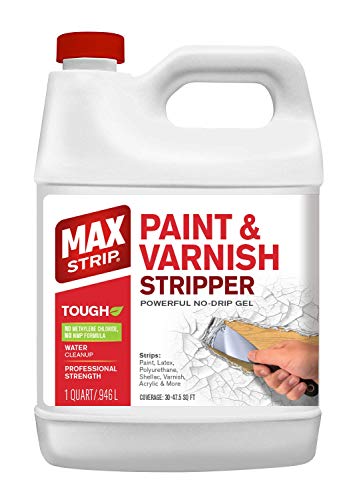
DESIGNED TO REMOVE PAINT AND VARNISH FROM MULTIPLE SURFACES - Remove Aftermarket Paints, Latex, Polyurethane, Shellac, Varnish, Acrylic, Oil Based Coatings and More in usually a Single Application!

CITRISTRIP Paint & Varnish Stripping & Removing Gel is easy to use.

Fast Acting Formula: Removes tough 2K automotive coatings, including epoxies and urethanes, stripping to bare metal within 45 minutes.
Steel Wool Technique
Steel wool offers a precise abrasive method for paint removal that you’ll find particularly valuable when chemical strippers or scrapers alone can’t reach intricate areas of your metal furniture. Before starting, verify proper surface preparation by cleaning your metal thoroughly and removing debris or grease. Select fine-grade steel wool, typically #0000, to minimize scratching risks.
Apply moderate pressure using circular or back-and-forth strokes, focusing on grooves, corners, and bevels where other tools can’t access effectively. For stubborn paint, reapply your chemical stripper and repeat the process. Wear gloves throughout to protect against abrasion and rust particles.
After removing paint, wipe the surface with mineral spirits to eliminate residual paint and steel fibers. Finally, apply protective finish promptly to prevent corrosion and maintain your furniture’s longevity.
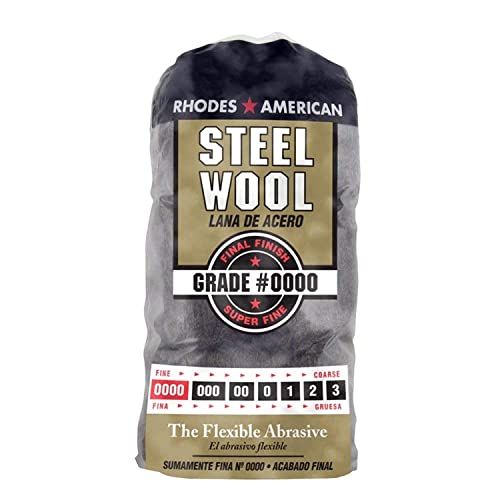
Steel wool super fine grade #0000 used in cleaning, polishing, buffing and refinishing

VERSATILE FINISHING TOOL: Achieve professional-quality results in woodworking, furniture restoration, and household cleaning projects with this 0000 super fine steel wool.

SUPERIOR CLEANING: Experience the power of fine grade steel wool in the form of PAMI Steel Wool Scrubbers, designed to tackle the toughest stains and grime with ease. Gentle on your surfaces, these super fine steel wool scrubbers ensure no scratches or damage while cleaning, offering a more natural and safe cleaning routine.
Heat Gun Application
A heat gun provides an effective alternative when you’re dealing with paint that resists scraping or chemical strippers, particularly on curved and decorative metal surfaces where other tools prove ineffective. Start with heat control set to the lowest temperature to prevent warping delicate metal. Attach a surface or flare nozzle selection to evenly distribute heat across your furniture. Position the gun 1 to 2 inches from the paint surface at a 45-degree angle, moving it slowly across small sections. Allow paint to bubble before scraping with a metal or plastic scraper. Work methodically through multiple layers, repeating heating and scraping cycles as needed. Avoid prolonged heating in one spot to prevent discoloration or structural damage to thin metals.

DUAL TEMP HEAT GUN: The HT1000 Heat Gun Kit offers a 750ᵒF and 1000ᵒF temperature setting to help complete household home improvement tasks or projects that require heat

【Fast Heat Up & Adjustable Temperature】SEEKONE 1800W Heat Gun produces strong, stable power with quick heat up in only 1.5s. Two modes: I: 120℉-840℉(50℃-450℃), 190-210L/min; II: 120℉-1112℉(50℃-600℃), 250-500L/min

1800W Strong Power with 2 Speed Modes - Two Modes: I: 122℉-572℉, 250L/Min; II: 122℉-1202℉, 500L/Min. TGK heat gun provide a strong power of 1800W, can quickly heat up to 1202℉(650℃) in 1.5 seconds, especially suitable for crafters or DIYers
Boiling Water Method
For furniture pieces too delicate for scraping or heat application, the boiling water method offers a gentler, chemical-free approach that softens paint layers through thermal action. You’ll fill a dedicated pot with water and add ¼ cup baking soda per quart to loosen paint bonds. Submerge your metal piece and maintain a gentle boil for 15–20 minutes initially, extending to 60 minutes for stubborn layers. Temperature control matters—avoid aggressive boiling that could damage delicate metalwork. Boiling effectiveness comparison shows it works best on water-based and some oil-based paints. Once softened, you’ll remove paint easily using soft brushes or plastic scrapers. Rinse thoroughly with cold water, dry completely, and apply rust inhibitor before storage.
Pressure Washing Approach
When you’re tackling larger metal patio furniture or extensive paint buildup, pressure washing delivers efficient results through high-velocity water spray that dislodges paint layers. You’ll achieve ideal settings using 2,000 to 4,000 PSI with a 15-degree yellow nozzle. Maintain a spray distance of 12 to 18 inches from the surface, employing downward sweeping motions to prevent metal damage. Hold the wand at an angle to slip underneath paint layers effectively. Work systematically through manageable sections, keeping the nozzle moving continuously to avoid pitting. Test your spray intensity first, adjusting distance as needed. Before pressure washing, pre-treat stubborn paint buildup with a diluted vinegar solution or pressure-washer-safe detergent to help loosen layers. After pressure washing, allow complete drying before addressing any remaining paint manually. For furniture with protective finishes or delicate surfaces, consider gentler cleaning methods like soft brushes and sponges paired with mild detergent solutions to avoid damaging underlying coatings. This method efficiently removes loose and peeling paint while simultaneously cleaning accumulated dirt and rust.

𝐏𝐫𝐞𝐦𝐢𝐮𝐦 𝟏𝟓° 𝐖𝐢𝐝𝐞 𝐒𝐩𝐫𝐚𝐲 𝐍𝐨𝐳𝐳𝐥𝐞:Includes 6 heavy-duty yellow pressure washer tips with a 15 degree angle, delivering a gentle yet effective spray pattern for light-duty cleaning on cars, windows, vinyl siding, and outdoor furniture. Perfect for maintaining delicate surfaces without damage

【Pressure Washer Nozzle Tips】Pressure up to 4500 PSI, 1/4-inch quick connect, 2.5 orifice size, 2.5GPM, adjusts 5 different cleaning angles.

𝐇𝐢𝐠𝐡-𝐐𝐮𝐚𝐥𝐢𝐭𝐲 𝟏𝟓° 𝐍𝐨𝐳𝐳𝐥𝐞 𝐒𝐞𝐭 – Includes seven 15-degree yellow pressure washer tips, offering a wide, gentle spray pattern that’s perfect for light-duty cleaning tasks on delicate surfaces
Safety Precautions and Best Practices
While pressure washing effectively removes paint buildup, you’ll need to prioritize safety throughout every stage of the paint removal process. Equip yourself with thorough safety equipment: chemical-resistant gloves, safety goggles, and a respirator rated for organic vapors. Wear long sleeves and pants to minimize skin exposure.
Organize your workspace strategically by ensuring adequate ventilation through open windows or fans to exhaust hazardous vapors. Position a fire extinguisher nearby and maintain distance from flammable materials. Keep children and pets away from the work area.
Never leave tools or chemical strippers unattended. Test your removal method on an inconspicuous section first. Work methodically in small sections, maintaining control and effectiveness. Just as proper surface preparation is essential for paint adhesion in finishing work, thorough preparation of your workspace ensures optimal safety and results. For metal surfaces, aluminum oxide sandpaper is particularly effective for softer metals like aluminum when removing stubborn rust and paint. After completion, wash exposed skin thoroughly and dispose of paint residue according to local hazardous waste regulations.