No-Sew Cushion Covers to Refresh Your Outdoor Furniture
You can refresh your tired outdoor furniture this weekend with no-sew cushion covers that’ll transform your patio aesthetic. Grab outdoor-grade fabric, heat-bonding tape, and fabric glue—no sewing machine required. Position your cushion on the fabric, overlap edges, and use your iron to seal everything permanently. The result? Custom, weather-resistant covers that cost a fraction of store-bought options. Uncover the specific techniques and fastening methods that’ll guarantee your covers withstand seasons of outdoor living.
Gathering Your Materials
Before you tackle your first no-sew cushion cover, you’ll want to stock up on the right tools and materials—and here’s the good news: most of what you need is probably already in your home.
Start with essentials: scissors, a ruler, and fabric markers for precision cutting. Grab your iron for activating bonding tape, then select your fabric types. Outdoor fabrics like Sunbrella offer weather resistance, while cotton works beautifully for versatile indoor-outdoor spaces. Choose color schemes that complement your existing décor—this is where your personal style shines.
You’ll also need fabric glue or iron-on bonding tape for strong, flexible adhesion. Stock painters tape to secure fabric during assembly, and grab a crochet hook for turning covers right side out. For cushion covers that will be exposed to the elements, consider quick-drying cushion foams that can withstand moisture and temperature changes while maintaining their shape. To protect your finished cushion covers from sun damage and maintain their appearance over time, you may want to apply a UV-protective coating after assembly. With these fundamentals gathered, you’re ready to create stunning, custom cushion covers.

Permanent Fabric Adhesive – Creates a strong, permanent bond on fabrics without sewing or heat setting. Dries flexible for comfortable wear. Perfect for hems, repairs, attaching embellishments, and fabric crafts.

Fabric fusing tape:hem tape width is 1/2 inch, length is 27 yards, 2 rolls of hem iron-on tapes, good for hems, no sew pillow cases, double backing ribbons and curtains, sufficient length for your daily use and replacement needs. Not suitable for very smooth or sticky fabrics
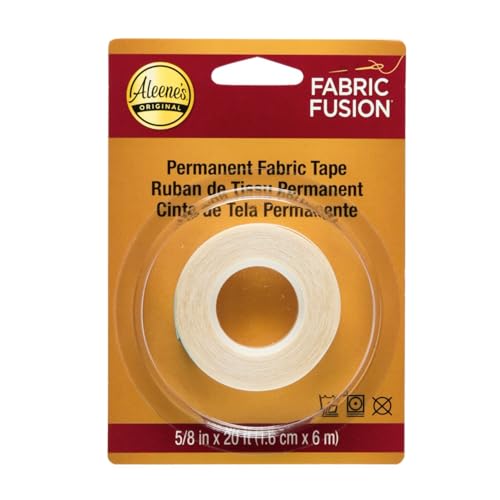
PERMANENT NO-SEW FABRIC TAPE – Double-sided adhesive tape creates instant, permanent hems and fabric bonds without heat or sewing. Just peel, press, and you're done. Perfect for quick fixes and alterations on woven fabrics.
Preparing Your Fabric
The foundation of a polished no-sew cushion cover starts with precise fabric preparation. You’ll want to lay your outdoor waterproof fabric on a large, flat surface and smooth out any wrinkles. Using a ruler, mark your fabric measurements carefully, adding an extra inch for seam allowances—so a 20″ x 20″ x 3″ cushion becomes 21″ x 21″ x 4″.
Next, handle edge treatments by applying Fray Check to seal seams or using iron-on hem tape for clean, finished edges. Before cutting, double-check all measurements and inspect your fabric for defects. Verify your material’s UV-resistance and waterproof qualities suit outdoor conditions. For polyester fabrics specifically, solution-dyed versions offer superior fade resistance compared to regular polyester when exposed to prolonged sunlight. Consider using breathable, water-resistant materials like 600 to 900 denier polyester to prevent mold and mildew growth during storage. Once you’ve organized your fabric pieces in assembly order and guaranteed edges are straight and aligned, you’re ready to move forward with confidence.
Assembling Your Cushion Covers
Once you’ve prepped your fabric with precision, it’s time to bring your custom cushion cover to life. Your design techniques should prioritize positioning the cushion centrally on your fabric’s wrong side, allowing at least five inches of extension for wrapping. Pin layers starting from each edge’s center, working outward for even tension. For a no-sew approach, apply heat bond tape along overlapped fabric edges—press with an iron in three ten-second intervals for durability. If incorporating zippers, attach them using fabric glue, sandwiching the zipper between your lining and outer fabric selections. Seal three sides, leaving the zipper functional. Once edges are secured, carefully turn your cover right-side out and insert your cushion foam, ensuring corners are evenly filled.

PACKAGE INCLUDE: 20 sheets heavy weight double-sided iron on adhesive sheets, which size is 8.5" x 12". The fusible adhesive sheet is a paper on one side. Draw or print directly on the paper backing to easily design appliqué pieces!

Heat resistant tape is a polyimide film tape with heat adhesive.

Durable & Reliable: Beezay Goods heat tape is made from durable polyimide film with a strong heat-resistant adhesive. Ideal for industrial, electronics, and sublimation applications, this heat transfer tape withstands extreme temperatures without curling or lifting.
Choosing Your Fastening Method
As you finalize your cushion cover, selecting the right fastening method makes all the difference between a project that merely holds together and one that’ll withstand years of use. Your fastening options depend largely on material considerations and your lifestyle needs.
Heat-bonding tape works beautifully for traditional fabrics, creating permanent seals with just medium heat and a few seconds of pressure. If you’ve chosen outdoor fabrics that can’t tolerate high temperatures, fabric glue offers reliable adhesion with clean, ruler-guided lines.
For removable covers you’ll wash frequently, adhesive or sew-on Velcro strips provide convenient envelope-style closures. Heavy-duty staplers deliver maximum durability for furniture facing harsh weather conditions. Each method delivers professional results—choose based on your fabric type and how often you’ll need access. Before selecting your fastening method, ensure your cushion pads are completely dry before storing to prevent mildew and maintain their integrity. To extend the life of your cushions regardless of fastening method, remember to implement regular cleaning and maintenance practices that prevent damage and preserve comfort.

Voted America’s Favorite Crafting Glue by generations of crafters, hobbyists, and households

HEAVY DUTY PERMANENT BOND: Gorilla Spray Adhesive forms a clear, permanent bond built for tough, long-lasting hold on a wide range of craft, DIY, and repair projects indoors and out

SBR latex, solvent-free adhesive offering high initial strength and an improved environmental footprint
Caring for Your Finished Covers
Your no-sew cushion covers aren’t finished once you’ve sealed them—they’re investments that deserve smart maintenance to keep them looking fresh and feeling comfortable for years to come. Establish consistent cleaning routines by vacuuming weekly with a soft brush attachment to eliminate dust and debris. Tackle spills immediately using a damp sponge and mild detergent, then blot dry. Implement essential fabric maintenance tips by rotating covers regularly to distribute wear evenly and prevent fading. Air dry covers in well-ventilated areas away from direct sunlight. For deeper cleaning, hand wash non-removable covers with lukewarm water, rinse thoroughly, and allow complete air drying before reinstalling. Plump covers frequently to maintain their shape and maximize comfort, ensuring your outdoor furniture remains inviting season after season.