How to Properly Cover Patio Furniture for Winter
To properly cover your patio furniture for winter, you’ll need high-denier polyester (600–900) for durability and breathability. Measure your furniture‘s widest, deepest, and tallest points, then add 1–2 inches for easy installation. Secure covers with adjustable buckles, drawcords, or elastic hems to prevent wind movement. Elevate furniture on pallets to avoid ground moisture, and conduct monthly inspections for tears, water pooling, and debris. Store cushions separately in dry, well-ventilated spaces. For thorough guidance on material selection and maintenance strategies, uncover the full details.
Choosing the Right Cover Material
What’s the best way to protect your patio furniture through winter? Selecting the right cover material directly impacts cover durability and moisture prevention.
Polyester and polypropylene offer superior breathability, preventing condensation and mold formation—critical for winter protection. Choose high-denier polyester (600–900) for maximum durability against harsh conditions. Canvas provides an excellent balance, delivering breathability alongside weather resistance, though you’ll need periodic re-treatment.
Vinyl prioritizes waterproofing but sacrifices breathability, trapping moisture that promotes mold growth. It’s budget-friendly but less ideal for humid climates. For additional protection, consider applying waterproofing sprays like Scotchgard to your cover material to create an extra defensive barrier against moisture penetration.
Your climate determines the best choice. In wet regions with frequent precipitation, polypropylene’s quick-drying properties excel. For extreme cold, polyester’s flexibility ensures reliable performance. Treated canvas suits moderate climates needing balanced protection. Prioritize breathable, water-resistant materials to safeguard your furniture effectively.
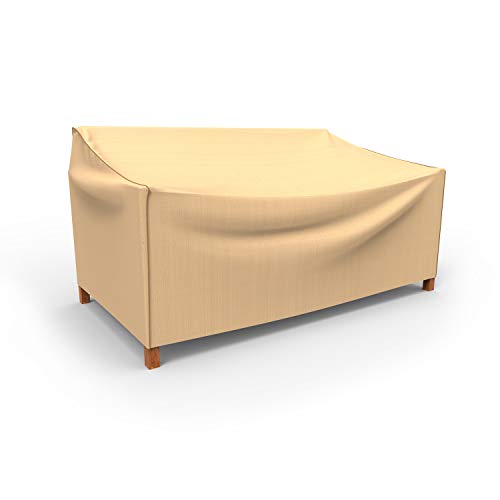
HEAVY DUTY MATERIAL: Sedona patio loveseat covers are made from a heavy duty 300 denier material that offers all-weather outdoor protection for your patio furniture. Protects furniture against rain, sun, snow, dirt, falling leaves and more.

PROTECTIVE AND STYLISH: Our patio chair covers aren't just durable, they're also stylish. Our patio chair furniture covers have an elegant, woven tan pattern accentuated by dark gray piping that is sophisticated enough to complement any patio décor. Meanwhile, our 600 denier polyester is strong enough to protect your patio chair from sun, rain, snow, dust and dirt all year long.

Premium Outdoor Cushion Covers: Made with 100% solution dyed polyester with PU coating, these thick outdoor cushion covers are highly resistant to wear and tear, moderate weather elements like dust, debris, rain, excessive sunlights, and color bleeding. Covers & all provides a 1-year warranty for all of our patio cushion covers for added quality protection.
Proper Cover Fit and Securement
Since even minor measurement discrepancies can compromise your furniture’s winter protection, you’ll want to measure each piece with precision before selecting a cover. Record the widest, deepest, and tallest points, including protrusions and handles. Add 1–2 inches to accommodate cushions and guarantee easy installation without excess material pooling water.
Your cover adjustments matter greatly for performance. Use adjustable buckles, drawcords, or elastic hems to maintain a snug fit that resists wind and prevents moisture infiltration. Secure covers to furniture legs with straps, reducing movement during storms. Avoid covers touching the ground—they’ll absorb water and damage both furniture and protection. For additional durability, consider using heavy-duty tarps with grommets that make securing your covers significantly easier and more reliable during winter weather. Additionally, keep cushions elevated and stored separately in dry, cool, well-ventilated spaces to prevent mold and moisture damage during the off-season.
Proper cover measurements and adjustments work together, ensuring water sheds effectively while debris and pests stay out. A well-fitted, properly secured cover withstands harsh winter conditions reliably.

Weatherproof Shield: Made from heavy-duty 420D Oxford fabric with a PU waterproof coating, these outdoor furniture covers waterproof help protect your patio furniture from rain, snow, and dust; Designed for reliable year-round outdoor protection with durable, easy-to-maintain fabric

【Enzeno Garden Furniture Cover】 - Is your expensive furniture damaged by rain, sun and dust? The new upgraded garden furniture cover is covered with nano PU coating and high temperature sealed waterproof adhesive tape on the stitching seams. It enables the product to withstand 15,000pa water pressure.

【Enzeno Patio Furniture Set Covers】-- Is your expensive furniture damaged by rain, sun exposure, dust ? The new Outdoor table covers has been tested to withstand 10,000pa of water pressure and can stay dry for 1800 hours when water is accumulated. The interior is coated with an environmentally friendly silver-coated coating that absorbs UV and other visible light to prevent furniture aging.
Material-Specific Covering Tips
Once you’ve secured your cover properly, selecting the right material becomes the next critical factor in protecting your investment through winter’s harshest conditions. You’ll want polyester covers rated between 600 to 900 denier for superior fabric durability and UV resistance. Polyester’s breathable construction enables effective moisture management by allowing water vapor to escape, preventing mold and mildew accumulation. Avoid vinyl covers for winter storage, as their non-breathable nature traps condensation, causing rust and furniture decay. For cushions and upholstery, choose olefin fabric—it’s waterproof, naturally mildew resistant, and quick-drying without requiring harmful chemical treatments. Many patio furniture cushions also use solution-dyed acrylics which effectively repel water and resist fading during extended outdoor storage. If your patio furniture is made from resin, you’ll benefit from its non-porous surface that already resists water absorption and mold growth, reducing the need for intensive cover protection. Match your cover material to your furniture type and regional climate to maximize protection and extend your patio furniture’s lifespan considerably.

TASTEFUL AND TOUGH: Designed to match your patio set, this collection comes in a black-and-ivory tweed pattern and is contoured to fully cover your furniture. Meanwhile, our 600 denier polyester protects your furniture from the elements all year long

【Quality Material】Made from premium polyester fabric, this waterproof canvas fabric is lightweight, tough, and offers excellent durability, abrasion resistance, and tear resistance to ensure long-lasting durability.

TASTEFUL AND TOUGH: Designed to match your patio set, this collection comes in a black-and-ivory tweed pattern and is contoured to fully cover your furniture. Meanwhile, our 600 denier polyester protects your furniture from the elements all year long
Indoor vs. Outdoor Covering Strategies
Deciding between indoor and outdoor covering strategies fundamentally depends on your furniture’s material composition, your region’s climate severity, and your available storage space. Indoor benefits include eliminating freezing temperature exposure that cracks plastic and wicker, preventing rust on metal pieces, and reducing UV fading. You’ll also keep furniture free from debris and salt damage. Outdoor advantages allow accessibility during mild winter days and preserve space indoors. If you choose outdoor covering, select 600–900 denier polyester covers with breathable mesh vents and snug-fitting straps. For plastic, wicker, or unfinished wood furniture, indoor storage is essential. Proper clamping and stabilization techniques can prevent weather-related warping and damage to wooden furniture during storage. Weather-resistant materials like teak and HDPE can withstand proper outdoor protection year-round. When securing covers outdoors, snug-fitting straps work similarly to clamping methods that minimize movement and vibration damage. Additionally, routine inspections of your stored furniture and covers will help you identify any moisture accumulation or damage before the next season begins.

General to fit rectangular/oval patio table with 4-6 standard chairs size up to 88"(L)x62"(W). Measure your patio furniture dimensions before buying, and include chair clearance in your measurements.

Heavy Duty Ripstop Polyester Construction: Our table and chair covers are crafted using 600 denier ripstop polyester with a PVC-coated lining, offering exceptional strength and long-lasting durability. Their robustness provides reliable protection against harsh weather conditions, while the rich gray color of these patio furniture covers adds elegance to your outdoor space.
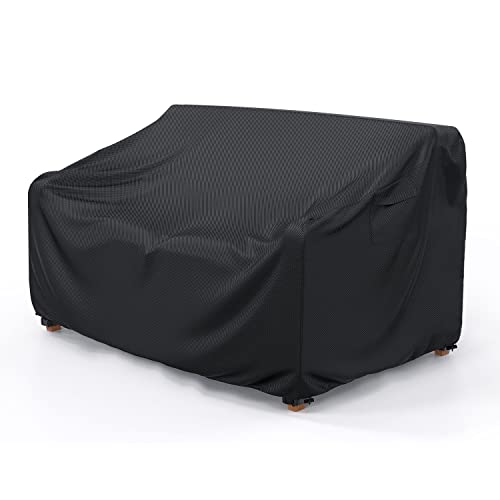
Proper Size: We have multiple sizes for you to choose. This outdoor sofa cover fits up to 60" L×34" D×30" H. Please kindly measure your patio sofa before purchasing and it’s better to choose the cover 1-2 inch larger than your sofa.
Maintenance and Inspection During Winter
While your covered patio furniture sits protected from the elements, it’s not entirely hands-off—you’ll need to perform regular monitoring to catch problems before they cause permanent damage. Conduct a winter inspection monthly, checking covers for tears, loose fastenings, and water pooling. Remove accumulated snow and debris promptly to prevent moisture buildup and fabric deterioration. Look underneath covers for mold or mildew signs, particularly after wet periods.
For moisture management, make certain furniture sits elevated on pallets or risers away from damp ground. Ventilate covered pieces on dry days by briefly lifting covers to allow airflow and reduce condensation. Wipe down accessible surfaces every few weeks with mild soap and water. Address mildew spots immediately using vinegar-water solutions. Remove standing water and salt residue from de-icing products to prevent corrosion and material degradation. For outdoor structures like pergolas that may provide partial coverage, proper beam sizing ensures long-term durability and prevents sagging that could compromise protection for your furniture. Selecting weather-resistant materials during the initial furniture purchase can significantly reduce winter maintenance demands and extend your outdoor furniture’s lifespan.
Additional Covering Accessories and Practices
Beyond routine inspections and maintenance, you’ll want to invest in the right accessories and design features that enhance your cover’s protective capabilities. Protective bags and furniture wraps provide layered defense for individual pieces, especially cushions and upholstered components vulnerable to moisture absorption. Consider stackable chair covers with zipper access for convenient storage arrangements. Dome-shaped designs encourage snow and ice runoff, preventing dangerous weight accumulation. Pair your covers with breathable linings that prevent condensation buildup while maintaining moisture prevention. Auto-locking drawcords and adjustable buckle straps keep covers secure during severe weather. These accessories work synergistically with marine-grade polyester or solution-dyed acrylic materials rated 600-900 denier. Together, they create extensive protection that greatly extends your patio furniture’s lifespan through harsh winter conditions.

Fits 6 stackable patio chairs 25.5"L x 33.5"D x 45"H
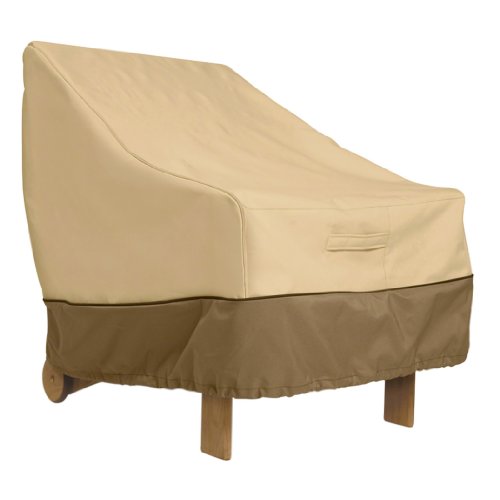
THE CLASSIC ACCESSORIES DIFFERENCE: Veranda covers go the extra mile with interior bound seams for strength, high-density stitching for durability, padded handles for comfort, and matching webbing for a sophisticated look

【Kipiea Outdoor Furniture Covers】 Would you like to protect your precious patio furniture from the elements with a high-quality cover? Kipiea patio furniture covers feature a double-layer PU waterproof coating on higher-density 420D fabric and quality waterproof tape at the seams to ensure the cover withstands up to 200,000 PA of water pressure and keeps your furniture dry even after years of use