7 Best Ways to Protect Your Patio Furniture Year-Round
You’ll protect your patio furniture year-round by using quality protective covers with breathable mesh vents, applying climate-appropriate weatherproof sealants, and storing cushions in moisture-resistant bags during harsh weather. Clean regularly with mild soap and soft brushes, select weather-resistant materials like teak or powder-coated aluminum, position furniture under covered areas with proper elevation, and inspect twice yearly for damage. Addressing these seven strategies prevents UV degradation, rust, and structural deterioration, though each method requires specific techniques for best results.
Use Protective Covers
A quality furniture cover acts as your first line of defense against outdoor elements that degrade patio investments. You’ll want to select covers made from vinyl and solution-dyed polyester blends, which provide superior waterproofing and fade resistance. These cover materials feature waterproof seam binding with rot-resistant thread that keeps moisture out effectively.
Ventilation features are critical to your cover’s performance. You should prioritize covers with breathable mesh vents and covered ventilation areas that allow air circulation, preventing condensation and humidity buildup that causes mold growth. These ventilation features work alongside the waterproof construction to shield your furniture from UV damage, rain, snow, and debris year-round. Similar to how thorough preparation steps ensure proper stain adhesion on deck surfaces, ventilation in furniture covers prevents moisture-related damage that compromises material integrity.
Additionally, you’ll benefit from securing features like buckle straps and drawcord locking systems that prevent covers from blowing away during high winds. For extra protection during heavy rainfall, consider applying water-repellent sprays to fabric cushions and wood surfaces to create an additional barrier against moisture penetration.
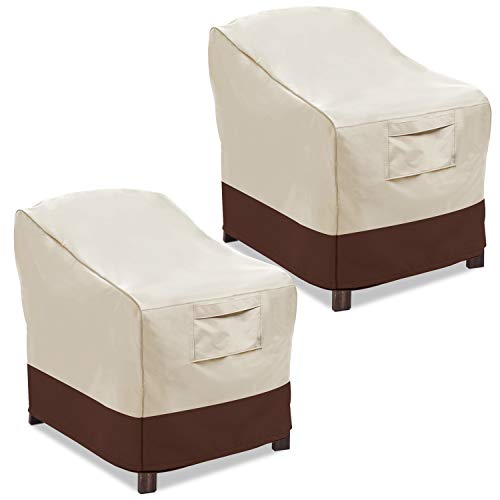
TRIPLE WATERPROOF PROTECTION: Vailge outdoor chair covers waterproof are built with heavy-duty 600D Oxford fabric with a water-resistant coating and taped interior seams. Prevents water leakage through stitching during heavy rain, protecting your patio chair from moisture.
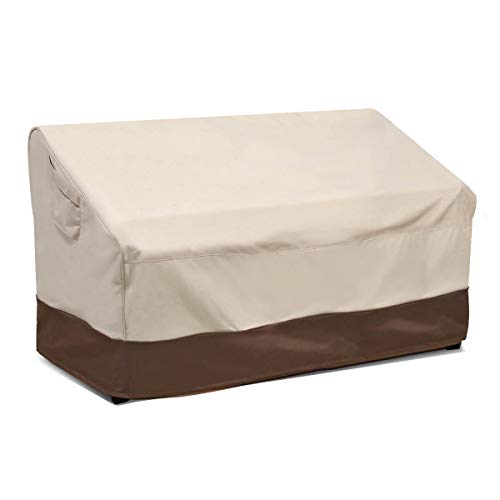
TRIPLE WATERPROOF PROTECTION: Vailge outdoor loveseat cover is built with heavy-duty 600D Oxford fabric with a water-resistant coating and taped interior seams. Prevents water leakage through stitching during heavy rain, protecting your patio loveseat from moisture.

【Enzeno Patio Furniture Set Covers】-- Is your expensive furniture damaged by rain, sun exposure, dust ? The new Outdoor table covers has been tested to withstand 10,000pa of water pressure and can stay dry for 1800 hours when water is accumulated. The interior is coated with an environmentally friendly silver-coated coating that absorbs UV and other visible light to prevent furniture aging.
Apply Weatherproof Sealants and Protective Treatments
While protective covers shield your furniture from external damage, applying weatherproof sealants and treatments creates an additional defensive layer that penetrates materials themselves. Your sealant selection depends on your climate and furniture type. Water-based sealants excel in sunny regions, protecting against UV fading, while oil-based options work best in rainy or cold climates by preventing moisture damage and cracking. For extreme humidity, epoxy-based sealers provide superior waterproofing. When applying these treatments, follow proper application techniques by ensuring clean, dry surfaces before penetrating sealers into wood pores, similar to how sanding opens up wood grain for optimal absorption. Varnishes create hard protective films requiring more frequent reapplication. Metal furniture demands rust-resistant coatings on all surfaces, especially joints. For maximum durability, consider investing in furniture made from marine-grade polymers and other weather-resistant materials that require minimal sealant maintenance. Establish regular inspection schedules to catch deterioration early and maintain your furniture’s longevity effectively.

PATIO COVERS: Fits patio sofas 77"W x 35"D x 35"H


Store Cushions and Furniture During Harsh Weather
When harsh weather arrives, you’ll want to strategically store your cushions and furniture to preserve their condition during off-season months. Start by thoroughly cleaning and completely drying all cushions before placing them in specialized storage solutions like cushion-specific bags, which provide essential protection against moisture exposure. Store cushions upright in dry, cool indoor spaces to maintain structural integrity and prevent deformation. For furniture, elevate pieces off concrete floors using furniture glides to prevent moisture absorption. Keep items in ventilated locations such as garages, sheds, or basements. Disassemble removable parts to maximize space efficiency. Use storage racks and shelves for organized retrieval. When storing wooden furniture, apply a protective sealant to prevent moisture from freezing and cracking during winter months. Implement regular inspections throughout winter to monitor for rust, cracks, and moisture accumulation, addressing issues immediately to extend longevity. Consider using UV-resistant tarps for additional protection during storage to prevent sun damage and further moisture infiltration.

【Dimension】- 68"L x 30"W x 20"H/173 x 76 x 51cm, fits for most outdoor cushions and also other furniture.

【Wide Compatibility Size】-The patio cushion storage bag will covers up to 68"L x 29"H x 20"W. Perfect fit for most chair, bench, chaise cushions and also the Christmas tree.

Dimension: 100L / 26Gal (29" L x 11" W x 18" H), 120L / 31Gal (35" L x 11" W x 19" H), 160L / 42Gal (39" L x 11"W x 22" H), 230L / 60Gal (43" L x 13"W x 24" H)
Clean and Maintain Regularly
Regular cleaning and maintenance form the foundation of effective patio furniture protection, directly extending your investment’s lifespan and appearance. You’ll want to establish a consistent cleaning frequency based on your furniture’s location and use. At minimum, clean twice yearly before summer and winter seasons; however, monthly cleaning yields ideal results. High-traffic pieces or furniture in humid climates require weekly attention to prevent mold and corrosion.
Use appropriate cleaning tools for your specific materials. Soft-bristle brushes, sponges, and lint-free rags work universally, while wicker requires dry paintbrushes or vacuum attachments. Apply mild soap and warm water solutions, letting them sit briefly on tough stains before scrubbing. Rinse thoroughly with garden hose water, then dry completely with microfiber towels. For stubborn stains, consider alternating between gentle cleaning solutions like dish soap, baking soda, or vinegar to tackle different stain types effectively. This systematic approach prevents costly deep cleaning and material deterioration. Additionally, applying protective coatings annually helps safeguard the wood from sunlight, moisture, and mildew damage while maintaining its natural beauty.

MULTIFUNCTIONAL CLEANING BRUSH: High-quality soft household cleaning brush bristles can easily clean dirty parts of clothes, such as collars and cuffs without damaging the fabrics, and can also be used to clean stains on tiles and countertops, making home cleaning easy.

OXY-POWERED OUTDOOR STAIN REMOVAL: This Outdoor Cleaner & Stain Remover delivers powerful spot cleaning with an oxy-powered formula. Designed to tackle tough outdoor stains caused by mold, mildew, algae, dirt, and grime, it helps refresh patios, decks, and outdoor living spaces

MULTI PURPOSE USE: Tires, car, truck, grills, spokes, bumpers, wheel well, concrete, decks, house, pots
Choose Weather-Resistant Materials
After establishing a regular cleaning routine, selecting the right furniture materials becomes your next critical defense against weather damage. Aluminum furniture offers lightweight construction with rust-resistant properties, especially when powder-coated for added protection and heat resistance. For superior durability, consider stainless steel or marine-grade polymer, which resist fading, moisture, and cracking.
Synthetic resin materials provide exceptional all-weather performance with 100% UV and water-proof protection. High-density polyethylene requires only soapy water maintenance while preventing fading and rot. Polywood, made from recycled plastic, offers remarkable durability and resistance to rot, fading, cracking, and splintering with minimal upkeep. Alternatively, FSC-certified teak naturally resists moisture and insects, developing an attractive patina over time.
All-weather wicker combined with powder-coated aluminum frames delivers dual-layer protection. Performance fabrics engineered to be fade-resistant, water-resistant, and quick-drying enhance durability further. While aluminum furniture is popular due to its blend of style and resilience, be aware that lightweight pieces may shift in strong winds. Matching your material selection to your climate guarantees long-term furniture longevity and reduces maintenance demands.

Chic Furniture Set: This four-piece set with a double sofa, two single sofas, and a coffee table is ideal for taking a break by yourself or catching up with friends in the sun. The armrests come with a wood grain finish that gives your patio, garden, poolside, and balcony a natural feel.

【Generous Seating Dimensions】 Built for ultimate comfort, our patio sofa features a 30.8-inch backrest. The 31.5-inch seat width and 27.5-inch seat depth offer more space than typical patio furniture, ensuring ample room for users of all sizes to stretch out fully. Compared to the industry average of 24–26 inches for seat depth, our design provides significantly more space, making your relaxation experience truly luxurious.

𝗨𝗽𝗴𝗿𝗮𝗱𝗲𝗱 𝗢𝘃𝗲𝗿𝘀𝗶𝘇𝗲𝗱 & 𝗥𝘂𝗴𝗴𝗲𝗱 𝗗𝗲𝘀𝗶𝗴𝗻: Featuring extra-wide 25" seats—far roomier than standard patio outdoor furniture—this patio set lets you stretch out and relax freely. The 3mm-thick aluminum frame provides outstanding strength while staying rust-proof and crack-resistant. Its Continuous Loop Frame improves stability, distributes weight evenly, and reduces wobbling.
Use Strategic Placement and Elevation
While material selection establishes your furniture’s inherent durability, strategic placement and elevation work together to minimize environmental stress and damage.
Position your furniture away from prevailing winds and direct sunlight exposure to reduce UV degradation and weather impact. Place pieces under covered patios or awnings, and use natural windbreaks like hedges or fences for additional wind protection.
Elevate your furniture using risers, blocks, or wooden pallets to prevent moisture absorption from damp ground. This elevation technique greatly reduces rot and rust risks. Verify all legs remain fully supported to maintain stability. Weather-resistant materials like teak wood and powder-coated aluminum work synergistically with elevation to further protect against moisture damage and corrosion.
Orient furniture strategically to maximize shade during peak sun hours. Anchor heavier pieces in sheltered corners against walls, and secure them with corrosion-resistant bolts or straps. Materials like water-resistant aluminum and synthetic resin naturally complement these protective placement strategies by providing additional safeguards against environmental damage. These combined methods create an all-encompassing defense against environmental damage.
Inspect and Repair Damage Promptly
Early detection of damage can mean the difference between a simple fix and replacing your entire furniture set. You should establish an inspection frequency of at least twice yearly—ideally before winter storage and after seasonal exposure. During inspections, examine all surfaces, joints, hardware, and fabric thoroughly.
Monitor common damage types across materials. For wood, look for splintering, cracks, and loose joints requiring sanding and resealing. On metal pieces, identify rust formation and corroded bolts needing tightening or rust treatment. Inspect fabrics for tears, mildew, and deterioration. Address structural issues like weakened joints or sagging immediately.
Prompt repairs prevent escalation. Sand damaged wood surfaces, apply rust converters to corroded metal, and treat mildewed fabrics with vinegar solutions. Replace severely compromised components to maintain stability and safety. Wood furniture particularly benefits from regular protective finishes, as even hardwoods like beech require frequent refinishing and protection when exposed to outdoor elements to prevent warping, cracking, or rot. For cedar specifically, applying semi-transparent stain with UV inhibitor every two years helps preserve appearance and protects against sun damage while maintaining the wood’s natural integrity.