The Ultimate Guide to Sealing Deck Boards
You’ll dramatically extend your deck’s lifespan by selecting the right sealer type. Topical sealers protect surfaces but fade within a year, while penetrating sealers offer superior longevity and internal protection lasting five times longer. Water-based options dry quickly in 2–3 hours, whereas oil-based alternatives penetrate deeper but require 24–48 hours between coats. Dry wood is essential for maximum adhesion. Apply two coats along the grain, maintain a wet edge, and allow 48 hours curing before foot traffic. Understanding these foundational principles positions you to master the complete sealing process.
Understanding Deck Sealing Methods
When you’re preparing to seal your deck, you’ll encounter four primary sealer categories, each offering distinct protection levels and aesthetic outcomes. Topical sealers protect only the surface, making them ideal for color changes but exposing wood to moisture once they wear off. Penetrating sealers soak deep into wood crevices, delivering superior sealer longevity and internal protection while maintaining natural appearance. Waterproof coatings provide multi-layer rubberized membranes with exceptional UV and moisture resistance. Stains differ fundamentally—they prioritize cosmetic color over protection. For outdoor wood applications, spar urethane offers exceptional durability and weather resistance, typically lasting 3–5 years with proper maintenance.
Application timing matters greatly for sealer effectiveness. You’ll need dry wood before application to maximize adhesion and penetration. Plan for two coats, spacing them according to product specifications. Water-based options dry faster, expediting re-coating and deck use, while oil-based varieties penetrate deeper but require extended drying periods between applications. Before applying any sealer, ensure you’ve completed thorough deck cleaning to remove dirt, mildew, and old coatings that could interfere with proper adhesion.
Choosing the Right Sealer Type for Your Deck
Which sealer you choose depends on balancing drying time, penetration depth, environmental concerns, and your desired finish.
Water-based sealers dry in 2-3 hours, enabling faster project completion and quicker recoating. They offer lower VOCs and easy soap-and-water cleanup. However, they cost more initially. Oil-based sealers penetrate deeper, providing superior moisture resistance and sealer durability for weathered wood, but they require 24-48 hours between coats.
For UV protection, tinted sealers outperform clear options by blocking sun damage through pigmentation. Clear sealers preserve natural wood color but fade faster.
Consider your climate and wood condition. If you’re in a regulated VOC area or prioritize convenience, choose water-based. For maximum penetration on aged decking, oil-based delivers better long-term performance despite longer drying times.
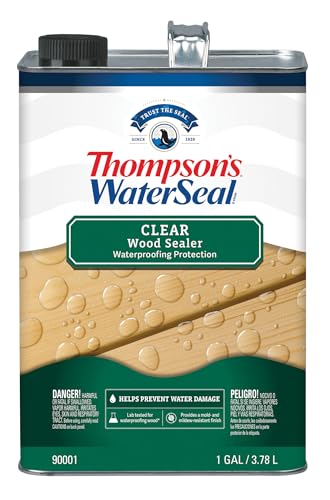
Helps Prevent Water Damage
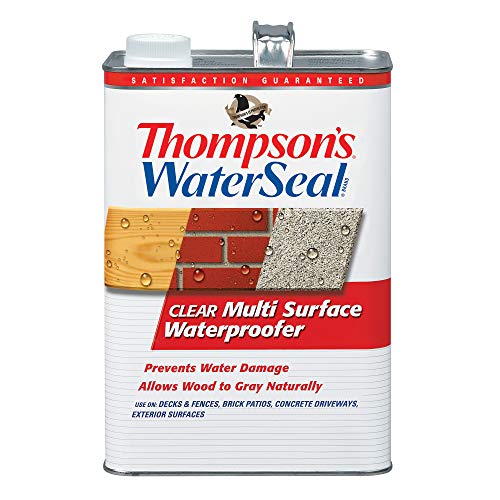
WATERPROOFING STAIN – Bring out the beauty of your outdoors with Thompson’s WaterSeal Clear Multi-Purpose Waterproof Stain. Proven to waterproof concrete, brick, exterior wood and other exterior surfaces.

READY-TO-USE DECK STAIN & SEALER: Olympic WaterGuard woodland cedar semi-transparent wood stain and sealant combines color and waterproofing in one water-based, ready-mix coat.
Comparing Sealers and Stains: What’s Best for Protection
Should you seal or stain your deck? Each option offers distinct trade-offs. Sealers provide substantial moisture protection by creating a barrier against water penetration, and they’re easy to apply without professional expertise. However, clear sealers offer minimal UV resistance, requiring yearly reapplication as color fades within 3-6 months.
Stains present notable stain disadvantages regarding moisture protection—they offer virtually no defense compared to sealers. Yet pigmented stains deliver superior UV resistance, lasting up to 5 times longer than sealers. The trade-off: stain application demands professional installation for ideal results.
Consider combined stain-and-sealer products, which merge sealer advantages with stain pigments. These hybrid formulations provide both moisture barriers and UV protection in a single application, delivering longer-lasting protection than sealers alone while reducing maintenance complexity. Like modern patio furniture that uses water-resistant materials, deck products with combined protection work best when paired with regular maintenance. Decking oils offer an alternative approach by penetrating deeply into the wood to nourish it while providing protection without creating a slippery surface.

NO LAPS, RUNS OR STREAKS: Goof Proof formula with no back brushing required; ideal for exterior wood projects
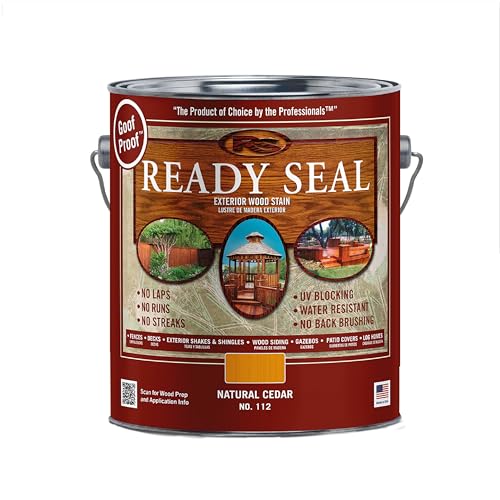
NO LAPS, RUNS OR STREAKS: Goof Proof formula with no back brushing required; ideal for exterior wood projects
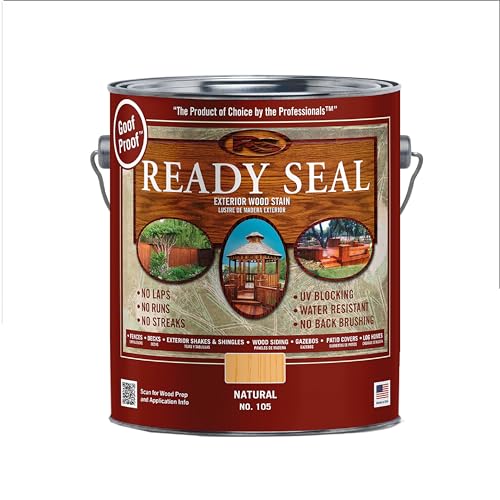
NO LAPS, RUNS OR STREAKS: Goof Proof formula with no back brushing required; ideal for exterior wood projects
Top-Rated Deck Sealer Products on the Market
Because you’ll find numerous sealers claiming superior protection, understanding which products deliver real results matters for your investment. Deck sealer comparisons reveal distinct performance tiers. Seal-Once Marine Premium leads for deep penetration and durability, while Rust-Oleum Varathane offers excellent value. Thompson’s WaterSeal excels for pressure-treated wood with its water-based formula.
For eco-friendly options, consider Sun Frog Wood Sealer’s environmentally conscious formulation or TWP 1500 Series, which maintains EPA compliance across all states. Defy Composite Deck Sealer stands out with zinc nanoparticle technology, delivering superior UV resistance and mold deterrence on both wood and composite surfaces.
Oil-based alternatives like Olympic Maximum provide long-term waterproofing through superior penetration. Proper preparation using quality deck cleaners before sealing ensures new stain adheres properly and lasts longer. Expert techniques such as working with the wood grain during application further enhance the final results. Your choice depends on deck material, climate conditions, and maintenance preferences.

MARINE SEALANT: Our liquid formula creates a UV-stable coating for protection against the elements, saltwater spray, and water damage. Marine is a protector for outdoor furniture, thermally modified wood, and boat docks. Marine is safe for use over open water and is non-hazardous to aquatic life. ** This product is NOT intended for hardwoods such as ipe, mahogany and teak. NOT intended for wood submerged under water or on wooden boats **

SEMI TRANSPARENT EXTERIOR WOOD STAIN: Our outdoor wood stain and sealer allows the natural wood grain to show through, highlighting the beauty of your decks, fences and sidings and preserving its natural look.

WATER-BASED WOOD FINISH: Our sealant provides top-notch protection against wear and tear in high traffic areas. It's odorless and suitable for use on wood siding, log homes, swing sets, outdoor furniture, wooden deck and fence, and more
Step-by-Step Application Guide and Maintenance Tips
Proper application and ongoing maintenance determine whether your sealer investment protects your deck effectively. Master your application techniques by using a brush, roller, or sprayer to apply thin, even coats along the wood grain. Work in 2–4 board sections to maintain a wet edge and prevent lap marks. Start with railings before moving to the deck floor. Allow 48 hours of curing time before foot traffic resumes. Before sealing, ensure your deck has 24 to 48 hours of drying time after cleaning to allow proper stain absorption. Testing your stain color on a small patch helps ensure you achieve the desired finish before full application.
Establish maintenance schedules that reapply sealant every 2–3 years based on manufacturer recommendations. Inspect your deck annually for water damage, wear, and UV degradation. Regular cleaning prevents dirt and mildew buildup. Avoid sealing damp wood; use the water test to confirm readiness. Keep people and pets off during drying to ascertain proper adhesion and longevity.