How to Apply Deck Stain With a Pad: a Step-By-Step Guide
You’ll prep your deck by removing debris, cleaning thoroughly, stripping old coatings, sanding with 80-grit paper, and confirming dryness. Gather a quality stain pad, bucket, brushes, sandpaper, caulk, and drop cloths. Trim the pad to fit, fluff it lightly, and stir your stain well. Apply thin coats with smooth strokes following the wood grain, working two to three boards at a time. Water-based stains dry in 24–48 hours; oil-based need 72. The complete technique encompasses critical details for flawless coverage.
Preparation Steps
Before you apply deck stain, you’ll need to thoroughly prepare the surface to guarantee proper adhesion and a professional finish. Start with deck cleaning by removing all leaves, dirt, and debris using a broom or blower. Apply a wood cleaner designed for decks to penetrate and lift embedded dirt, mildew, and mold. Scrub with a brush, then rinse thoroughly with a garden hose.
Next, address any existing stain by using a stain remover to strip peeling or flaking coatings. Sand the deck with 80-grit sandpaper to smooth rough spots, then remove all sanding dust with a tack cloth. For weathered wood with stubborn old stain, consider power washing as an alternative removal method.
Before stain selection and application, verify the deck is completely dry—typically 24-48 hours after cleaning. Confirm dryness by sprinkling water; if droplets absorb quickly, you’re ready to proceed. Consider weather and drying times when scheduling your staining project to optimize results and ensure ideal conditions for application.
Tools and Materials
Success in stain application hinges on selecting the right tools for your specific project needs. You’ll need a quality stain pad, typically 7 or 9 inches, made from flocked fiber for durability and even coverage. Verify pad compatibility with universal threaded handles that attach to extension poles, eliminating awkward bending. Gather a Wooster Wide Boy Bucket for convenient stain transfer and minimal mess during application. Before staining, use deck scrub brushes and sandpaper (various grits) to prepare your surface properly—these staining tips guarantee uniform absorption and ideal adhesion. Include caulk and a caulk gun for sealing cracks around fixtures. Finally, have rags and drop cloths ready to protect surrounding areas and facilitate cleanup throughout your project. Testing your stain color on a small area first ensures you achieve the desired appearance before committing to your entire deck. For long-term protection of your finished deck, consider using weatherproof and UV-resistant fabrics when creating furniture covers to shield outdoor pieces from the elements.

Stains flat surfaces and between boards at the same time

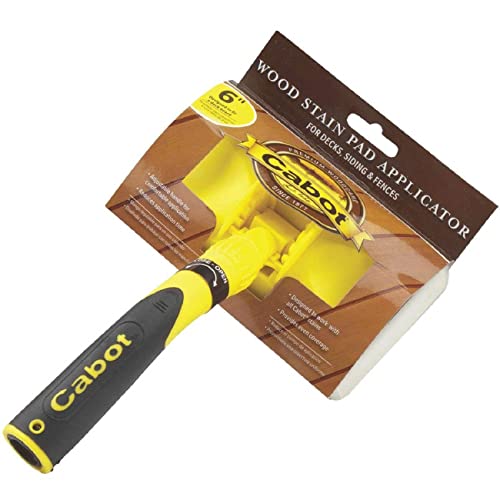
Package length: 9.3"
Cutting and Preparing the Stain Pad
With your tools and materials assembled, you’ll now focus on preparing the stain pad itself—a step that directly impacts application quality and coverage uniformity.
Start with pad sizing by trimming oversized pads to fit your applicator frame using sharp scissors or a utility knife. Cut evenly to guarantee uniform contact across deck boards, adjusting dimensions to cover two or three boards efficiently. Check for perforations that indicate proper cutting lines.
Next, focus on pad conditioning. Lightly fluff new pads to improve stain absorption and release. Remove any manufacturing debris that could compromise finish quality. Stir your stain thoroughly for consistent pigment distribution, then dip the pad into a paint tray with a grid. Load it evenly without oversaturating, working the stain gently into the fabric. For optimal results, apply stain in the direction of the wood grain to achieve even coverage and a professional appearance. This preparation guarantees excellent coverage and prevents dripping during application. Proper pad preparation combined with thorough surface preparation ensures your stain application will achieve the uniform, professional finish that protects your deck from sun and moisture damage.

Dimensions: 7 5/8 in (Length) x 6 1/2 in (Width)

Small trim painter for trimming out or texturizing

Precision-cut for a perfect fit: Designed specifically for 2006-2011 Yamaha AR/SX 210/212, seamless edge-cutting ensures flawless alignment. This custom upgrade solution precisely matches the cabin floor contours, delivering an integrated aesthetic right out of the box
Application Technique
Proper application technique transforms your prepared stain pad into a tool for flawless deck coverage. You’ll apply stain using smooth, even strokes that follow the wood grain, ensuring consistent penetration and aesthetic results. Work in manageable sections—typically two to three deck boards at a time—moving systematically from one end to the other for maximum control.
Maintain consistent pressure on your applicator to avoid patchy spots or darker streaks. Overlap edges slightly between sections to blend the stain seamlessly and prevent visible lap marks. Use long, continuous strokes rather than short dabs, keeping the surface wet throughout application. Similar to brush painting techniques, applying stain in multiple thin coats with adequate drying time between applications yields superior results.
For application consistency, stir your stain thoroughly before and during use to prevent pigment settling. Monitor your pad for dryness, reloading regularly to maintain uniform coverage. Back-brushing excess stain immediately prevents pooling or runs that compromise your finish, similar to techniques used with pump sprayers for professional results.
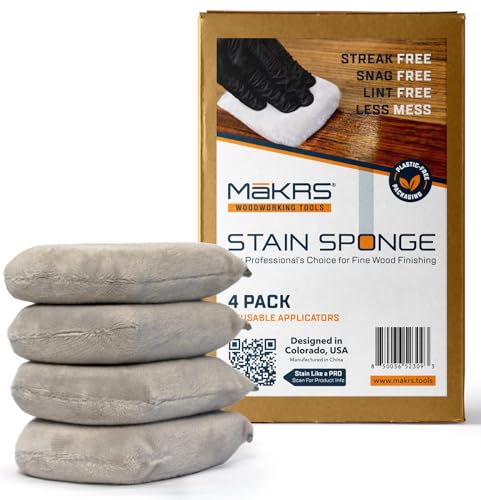
Fast Coverage for Large Wood Finishing Projects: Ideal for exterior posts and railings, interior trim and doors, and other large DIY projects. The thick microfiber Stain Sponge applies finish quickly and evenly, helping you cover more surface with each pass.
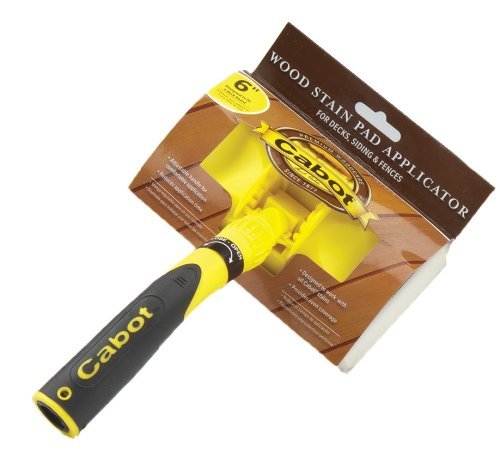
VERSATILE APPLICATION: Designed for use as a stain applicator pad, ideal for applying wood stains, sealers, and finishes to decks, fences, and other wood surfaces with precision.

Package Contents: you will receive 2 stain pads with threaded handles thereby doubling the efficiency of your work for your daily needs, and convenient for your replacement
Drying and Maintenance
Once you’ve completed your application and maintained that wet edge throughout, your deck’s success depends on understanding what happens next. Your drying time varies by stain type: water-based stains cure in 24–48 hours, while oil-based versions require 72 hours. Solid color stains need the longest curing period at 48–72 hours due to thicker pigment concentration.
Environmental conditions greatly impact drying. Maintain temperatures between 50°F and 90°F, relative humidity at 40–70%, and guarantee adequate airflow. Avoid rain for at least 24–48 hours after application. Before staining, ensure your deck has been thoroughly cleaned to remove dirt, mildew, and any previous coatings that could interfere with stain adhesion.
Your maintenance routine begins after full curing. Don’t apply foot traffic or place furniture until complete cure occurs. Inspect for blotching or peeling, addressing imperfections with spot sanding if necessary. For outdoor furniture placed on your deck, ensure cushions are thoroughly air-dried completely before use to prevent moisture damage. Regular gentle cleaning afterward prolongs your stain’s longevity and appearance.