

How to Clean Resin Patio Furniture: Top Tips & Methods
You’ll maintain your resin patio furniture by establishing a bi-weekly cleaning routine using soft-bristle brushes, mild dish soap, and warm water. For stubborn stains, apply targeted treatments: vinegar for organic stains, baking soda paste for grime, and oxygen bleach for discoloration. Address mold promptly with equal parts white vinegar and water, then air-dry in sunlight. Store furniture indoors during winter or use weatherproof covers. The specifics of seasonal maintenance and specialized techniques reveal deeper strategies for preserving your investment’s longevity.
Basic Cleaning Method for Regular Maintenance
To keep your resin patio furniture looking fresh, you’ll want to establish a regular cleaning routine using simple household materials. For basic maintenance, you’ll need a soft-bristle brush, mild dish soap, warm water, and clean towels.
Start by loosening surface dirt with gentle brush strokes, working systematically from top to bottom. Mix one tablespoon of mild detergent with two cups of warm water in a bucket. Dampen your cloth in this solution and apply it using light circular motions across all surfaces, paying special attention to crevices where debris accumulates.
Rinse thoroughly with a garden hose or spray bottle to remove all soap residue completely. Blot excess water with towels and allow your furniture to air dry fully. Establish a cleaning frequency of every two to four weeks for best results and longevity.
Stubborn Stain and Grime Removal
When regular maintenance doesn’t eliminate discoloration, you’ll need targeted treatments that address specific stain types without compromising your resin furniture’s finish. Select your approach based on the stain’s origin: use vinegar solution for organic stains, baking soda paste for general grime, oxygen bleach for tough discoloration, isopropyl alcohol for grease and bird droppings, or cornstarch for initial sap absorption. Apply your chosen solution, allow adequate dwell time, then scrub gently with soft tools. Thorough rinsing prevents residue buildup. After cleaning, thoroughly rinse the furniture with a garden hose and allow it to air dry completely. Establishing consistent cleaning frequency—weekly for high-traffic areas—significantly reduces stubborn stain accumulation. To prevent mold and mildew growth, use protective covers during adverse weather conditions and maintain proper air circulation around your furniture. Implement stain prevention tips by promptly addressing spills and debris. These methodical treatments restore your furniture’s appearance while maintaining its structural integrity for seasons ahead.

Quickly removes stains caused by mold and mildew on contact without heavy scrubbing; EASY TO USE - spray, wait until the stain disappears, then rinse

OXY-POWERED OUTDOOR STAIN REMOVAL: This Outdoor Cleaner & Stain Remover delivers powerful spot cleaning with an oxy-powered formula. Designed to tackle tough outdoor stains caused by mold, mildew, algae, dirt, and grime, it helps refresh patios, decks, and outdoor living spaces

Wet & Forget Ready To Use Outdoor Cleaner comes with a high-capacity trigger sprayer for quick application to smaller surfaces; removes green and black stains caused by moss, mold, mildew, and algae, no scrubbing, no rinsing, no pressure washing, just wet it and forget it on multiple surfaces including, porch steps, headstones, fountains, planters, concrete, canvas, and upholstery
Mold and Mildew Treatment
Because mold and mildew thrive in damp conditions, you’ll need to address them promptly to prevent surface deterioration and protect your resin furniture’s longevity. Establish regular cleaning frequency to eliminate moisture and organic growth before they become entrenched.
For effective treatment, spray equal parts white vinegar and water on affected areas, allowing the acidic solution to soak for 10 minutes before wiping thoroughly. Alternatively, use mild dish soap with warm water and soft-bristle brushes for gentle scrubbing. For stubborn cases, apply a biodegradable, nontoxic cleaner specifically formulated for outdoor surfaces.
Complete your treatment by air-drying in direct sunlight, which kills remaining spores through UV exposure. Implement preventive measures by ensuring proper drainage and airflow around your furniture, reducing moisture accumulation that encourages mold growth.

REMOVE TOUGH STAINS: Home Armor Outdoor Cleaner+ powers away dirt, grime, algae, mold and mildew stains. No scrubbing required.

Wet & Forget Concentrate Outdoor Cleaner removes green and black stains caused by moss, mold, mildew, and algae, no scrubbing, no rinsing, no pressure washing, just wet it and forget
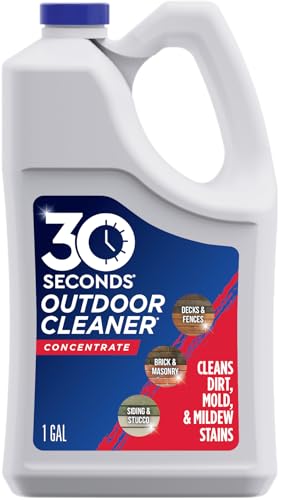
REMOVES STAINS FROM ORGANIC GROWTH ON YOUR OUTDOOR SURFACES: 30 SECONDS Outdoor cleaner cleans stains from mold, mildew, dirt and grime
Cushion and Fabric Care
While addressing mold and mildew preserves your resin frame’s integrity, your cushions and fabric require their own specialized maintenance strategy. You’ll want to establish a cleaning frequency of every few months to prevent dust and dirt accumulation. Start by removing cushions and brushing off loose debris with a soft-bristle brush. Mix a mild detergent solution—one tablespoon soap per two cups warm water—and apply it with a dampened sponge using gentle circular motions. Rinse thoroughly with clean water and air-dry completely. For removable covers, machine wash on a gentle cycle following manufacturer instructions. Select outdoor fabric types like Sunbrella or nylon blends that resist UV fading and water absorption. Always test solutions in inconspicuous areas first, and avoid abrasive scrubbing that damages fabric integrity.
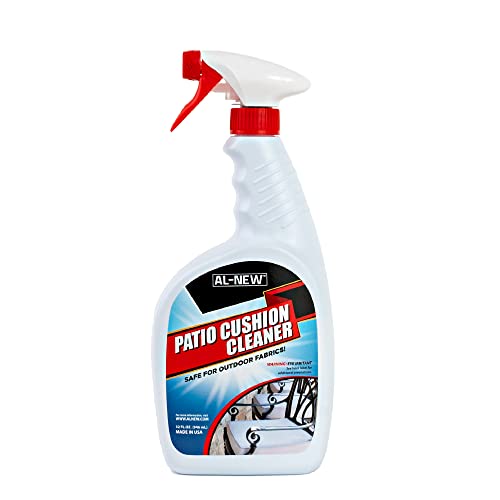
Best Way to Clean Outdoor Patio Cushions, Fabric Cushions, Patio Furniture Covers, Sunshades & Sail Cloth, Fabric Awnings, Umbrellas & More!

Specialized Formula for Outdoor Fabrics - Advanced formula designed for high-use outdoor surfaces, making this patio cushion cleaner, outdoor fabric cleaner, and outdoor furniture cleaner ideal for maintaining cushions and fabrics exposed to sun, moisture, and frequent use. Helps support regular care of outdoor materials without relying on harsh cleaning methods
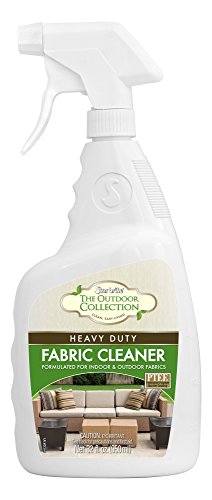
POWERFUL STAIN REMOVAL: Cleans and removes dirt, grime, and tough stains from outdoor and indoor fabrics including polyester, canvas, and acrylic materials without harsh scrubbing
Disinfection and Bird Droppings Removal
Since resin patio furniture sits exposed to the elements, you’ll need to address pathogenic contamination promptly to prevent permanent damage and health risks.
For effective pathogen removal, prepare a disinfectant solution by mixing one part bleach to ten parts water. Spray or sponge this onto all surfaces, maintaining wet contact for at least six minutes before rinsing thoroughly.
When tackling bird droppings, wear protective gloves and a mask. Soak the affected area first with disinfectant to soften debris, then gently wipe with a soft-bristle brush to avoid scratching the resin. Follow with mild dish soap and warm water to remove lingering stains. To help prevent future droppings, consider using deterrents like imitation owls or other preventative measures around your patio area.
Always rinse completely after disinfection to eliminate chemical residue. Work in well-ventilated outdoor areas and dispose of contaminated materials immediately to prevent cross-contamination.
Methods to Avoid
To protect your resin furniture’s appearance and structural integrity, you’ll want to avoid several common cleaning mistakes. Don’t use harsh chemicals like bleach, ammonia-based cleaners, or solvents—they degrade resin surfaces and cause discoloration. These cleaning precautions are essential for longevity.
Avoid abrasive tools including steel wool, stiff brushes, and power washers at high pressure, as they scratch and etch finishes permanently. Don’t dry-brush bird droppings or mildew; instead, use wet cleaning methods to prevent embedding stains.
Never mix cleaning agents without dilution or testing first. Skip incompatible combinations like adhesive removers with abrasive scrubbers. Always rinse thoroughly after cleaning—leaving residue dulls surfaces and causes staining.
These maintenance mistakes compromise your furniture’s condition, so commit to gentle, wet-cleaning approaches exclusively.
Winter Storage Guidelines
As winter approaches, you’ll need to prepare your resin patio furniture for storage to maintain its condition through the cold months. Start with thorough furniture inspection to identify any damage requiring removal from service. Clean all surfaces with a gentle detergent and water solution using a soft brush, then allow complete drying before storage.
For ideal protection, store furniture indoors in climate-controlled spaces like garages, sheds, or basements. These environments prevent extreme temperature fluctuations that compromise resin integrity. If indoor storage isn’t available, apply weatherproof, UV-resistant covers secured with bungee cords or ratchet straps. Consider positioning your stored furniture to maximize shade and air circulation, similar to how pergola orientation affects outdoor comfort and protection.
Prioritize moisture control by placing furniture in dry, cool locations with adequate ventilation. Use covers with dry vents to facilitate air circulation. Check stored pieces regularly throughout winter to detect moisture accumulation and address issues immediately. Conducting routine inspections and repairs during storage ensures you can identify and fix any winter-related deterioration before spring use.
Tools and Materials You’ll Need
Before you can properly clean your resin patio furniture, you’ll need to gather the right tools and materials to handle the job effectively. Start with essential cleaning tools: a soft-bristle brush, sponge, bucket, garden hose, and hand vacuum for removing loose debris. You’ll want mild dish soap or specialized resin cleaners for tackling grime. For tougher stains, keep mildew removers and Goo Gone on hand. Protective materials are equally important—chemical-resistant gloves shield your skin, while 303® Patio Furniture Protectant safeguards against UV damage. Include absorbent cloths for drying and spray bottles for easy application. Optional items like scrubbing pads help address stubborn buildup. Having everything prepared beforehand guarantees you’ll work efficiently without interruptions.

POWERFUL CLEANING ACTION: Formula that loosens and dissolves greasy, grimy messes on contact ensuring easy removal with minimal effort

Ergonomic Design: The peanut-shaped wood body of this hand scrub brush offers an ergonomic grip, ensuring comfortable use during extensive cleaning sessions. Ideal for those seeking a reliable bristle brush for cleaning various surfaces efficiently.
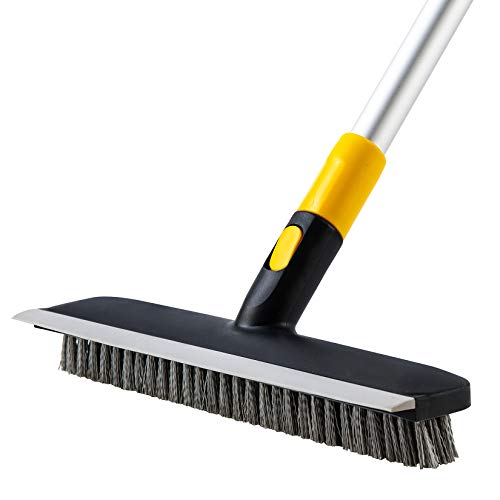
Floor Scrub Brush 2 in 1 Scrape and brush Push Broom Effective, Easy and Save Effort Brush and scraper 2 in 1 design floor scrub brush with stiff bristle and rubber squeegee; Strong cleaning ability; Brush and scrape steps to easily remove the stain, stubborn grime, dirty water, and dust; Improve effectiveness when you doing housework
Seasonal Maintenance Tips
Your resin patio furniture requires different care approaches throughout the year to maintain its appearance and structural integrity. Start your spring checklist by inspecting for mold, fading, and brittleness after winter storage. Deep clean surfaces with mild soap and water, then dry completely in sunlight. During summer, wipe furniture monthly and rinse surfaces to prevent dust buildup in the weave. Protect from intense UV rays using umbrellas or shaded areas. Before fall preparations, deep clean and reapply UV protectant. Inspect joints and legs for cracks or warping, then remove tough stains carefully using white vinegar or baking soda solutions for natural stain removal without damaging the resin surface. Winter demands indoor storage whenever possible. If you leave furniture outside, use breathable covers and raise pieces off the ground with blocks. Remove accumulated snow and ice promptly to prevent damage.


