How to Clean White Patio Furniture Easily
You’ll start by brushing away loose dirt with a soft cloth, then rinse thoroughly with your garden hose. Mix warm water with mild dish soap and scrub using circular motions with a microfiber cloth. For stubborn stains on white poly furniture, combine one-third cup Clorox bleach with two-thirds cup water, wait ten minutes, then scrub gently. Rinse everything completely and air-dry in direct sunlight. Different furniture materials require specific approaches to avoid damage and discoloration.
Essential Supplies for Cleaning White Patio Furniture
Before you tackle dirt, mildew, and stubborn stains on your white patio furniture, you’ll need to gather the right cleaning solutions, tools, and protective gear. Stock mild soap, warm water, and specialized products like Berlin Gardens Mildew Stain Remover or Casual Clean® multipurpose cleaner. For tough stains, prepare a bleach solution using Outdoor Clorox Bleach.
Your cleaning tools should include soft-bristle brushes, nylon brushes for vinyl straps, sponges, and a garden hose with spray nozzle. A shop vac removes dirt from crevices efficiently. Consider having a pressure washer available for larger cleaning jobs, adjusting the pressure settings to match your furniture material.
Don’t overlook protective gear. Wear rubber gloves, old clothes, and eye protection when handling bleach or pressure washers. Guarantee proper ventilation when using chemical cleaners, and always follow manufacturer instructions for safe, effective results. It’s important to avoid harsh chemicals and abrasive cleaners that can damage the plastic surface and cause discoloration.
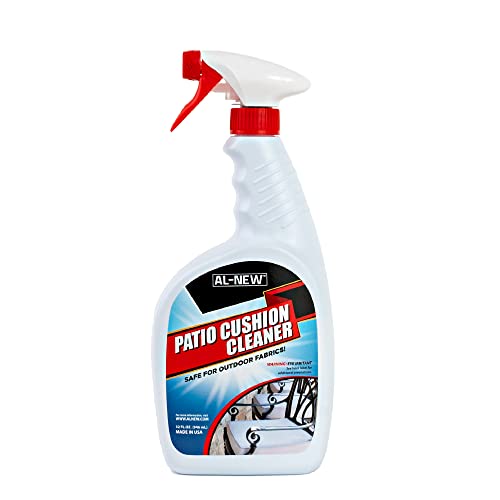
Best Way to Clean Outdoor Patio Cushions, Fabric Cushions, Patio Furniture Covers, Sunshades & Sail Cloth, Fabric Awnings, Umbrellas & More!

POWERFUL CLEANING ACTION: Formula that loosens and dissolves greasy, grimy messes on contact ensuring easy removal with minimal effort

Clean 5X Faster: Use the power of your drill to clean your bathroom faster, easier and more effectively (Cordless Drill not Included).
Basic Cleaning Steps for Everyday Maintenance
Keeping your white patio furniture looking pristine doesn’t require complicated procedures—just three fundamental steps: removing loose debris, applying a gentle cleaning solution, and thoroughly rinsing.
Start by brushing away loose dirt with a soft cloth, then rinse furniture thoroughly with a garden hose. This initial preparation removes dust before you apply any cleaning agents.
Next, mix warm water with mild dish soap and use a microfiber cloth to apply the solution evenly across surfaces. Work gently in circular motions, focusing on visibly soiled areas. Avoid harsh scrubbing that damages fabric or finishes.
Finally, rinse all surfaces completely with clean water, ensuring you remove every trace of soap residue from crevices and textured areas. Always allow your furniture to air-dry in direct sunlight after rinsing, which helps eliminate any remaining contaminants. For stubborn stains that resist basic cleaning, consider boosting your solution with baking soda or OxiClean to enhance stain removal effectiveness. These maintenance tips, performed bi-weekly during summer months, keep your furniture looking fresh. Adjust cleaning frequency based on weather conditions and usage patterns.
Deep Cleaning Solutions by Material Type
While regular maintenance keeps your furniture looking fresh, stubborn stains and weathered surfaces sometimes call for stronger solutions tailored to your furniture’s material.
For white poly furniture, your best cleaning techniques involve mixing one-third cup outdoor Clorox bleach with two-thirds cup water. Apply this solution, let it sit for ten minutes, then scrub with a soft bristle brush. Rinse thoroughly with warm water. Berlin Gardens Mildew Stain Remover offers excellent stain removal results for tougher marks. For particularly stubborn stains, use a 1500 PSI high-pressure washer, maintaining eight to twelve inches from the surface.
Other materials require different approaches. Wrought iron needs mild soap and water only—never bleach or power washers. Aluminum responds well to gentle soft-bristle brushing with mild soap solutions. Wood furniture benefits from specialized teak cleaners or vinegar solutions applied carefully to avoid damage.
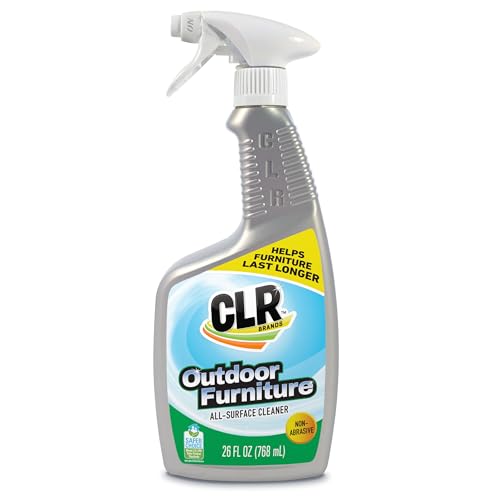
HUNDREDS OF USES: Tackle the whole yard with this powerful outdoor furniture cleaner. Formulated for use on patio, lawn and deck furniture, it is an effective and versatile product for outdoor furniture - from upholstery to plastic play sets.

Specialized Formula for Outdoor Fabrics - Advanced formula designed for high-use outdoor surfaces, making this patio cushion cleaner, outdoor fabric cleaner, and outdoor furniture cleaner ideal for maintaining cushions and fabrics exposed to sun, moisture, and frequent use. Helps support regular care of outdoor materials without relying on harsh cleaning methods

CLEANS STAINS CAUSED BY ORGANIC GROWTH: 30 SECONDS Outdoor Cleaner rapid cleans stains caused by algae, mold, mildew and moss
Removing Mold and Mildew Effectively
Since mold and mildew thrive in moist, shaded environments, you’ll want to address them promptly before they become deeply embedded in your furniture’s surfaces. Start by brushing off loose growth outdoors with a soft-bristle brush to minimize spore spread. Remove surface debris using a vacuum or leaf blower before applying cleaning solutions.
For mildew treatment, mix equal parts white vinegar and water in a spray bottle, applying generously to affected areas. Let it sit for 15 minutes, then scrub gently with a soft brush. For stubborn stains on white furniture, use a bleach solution: one teaspoon dish soap, one cup bleach, and one gallon warm water. Always test for colorfastness first.
Alternatively, you can mix OxiClean Versatile Stain Remover with warm water and apply it to affected surfaces, allowing it to stand for 5 to 30 minutes before scrubbing and rinsing thoroughly. Rinse thoroughly with a hose and air-dry in direct sunlight. UV rays provide excellent mold prevention by killing remaining spores. Confirm complete drying to prevent regrowth. For outdoor furniture that will remain exposed to the elements, ensure proper structural fastening similar to deck installations to maintain stability and longevity of your patio setup.

EFFECTIVELY REMOVES MOLD & MILDEW STAINS – Designed to eliminate tough outdoor mold, mildew stains, dirt buildup and organic staining from patio cushions and outdoor furniture fabrics.

CLEANS ALGAE, MOLD, MILDEW & MOSS STAINS: The 30 SECONDS Outdoor Cleaner rapidly cleans stains caused by algae, mold, mildew and moss on siding, decks, patios, brick, fences and driveways around your home
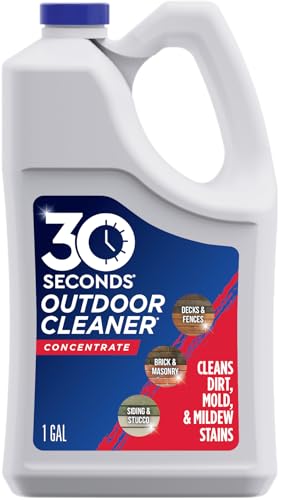
REMOVES STAINS FROM ORGANIC GROWTH ON YOUR OUTDOOR SURFACES: 30 SECONDS Outdoor cleaner cleans stains from mold, mildew, dirt and grime
Treating Plastic and Resin Surfaces
Plastic and resin furniture requires a gentler approach than other patio materials because harsh chemicals and abrasive tools can permanently damage their surfaces. You’ll want to stick with mild dish soap and warm water as your primary cleaning products, applying them with a soft-bristle brush to avoid scratches. For stubborn stains, create a baking soda paste that gently lifts discoloration without harming the material.
After cleaning, rinse thoroughly to remove all soap residue, then air dry in sunlight. For surface protection, apply automotive paste wax, which prevents future staining and maintains durability. Avoid steel wool, solvent cleaners, and pressure washers on these delicate surfaces. This careful approach preserves your white furniture’s appearance and extends its lifespan considerably.

WOOD PASTE – Minwax Paste Finishing Wax protects & adds hand rubbed luster to any finished wood surface. It’s recommended for furniture, antiques, woodwork, cabinets, doors, paneling and accessories that don’t need a hard protective coat of polyurethane.

Legendary Super Hard Shell protection and shine

Minwax Paste Finishing Wax protects and adds hand-rubbed luster to any finished wood surface.
Caring for Wood Furniture
Before you begin cleaning your white wooden patio furniture, you’ll want to remove all cushions and accessories, then sweep away loose dirt, leaves, and debris with a soft-bristled brush or dry vacuum attachment. Mix mild dish soap with warm water and scrub gently along the wood grain to prevent damage. For stubborn stains or mold, apply a water and vinegar solution, letting it sit for ten minutes before scrubbing with circular motions.
Rinse thoroughly with low to moderate water pressure, then air dry completely in sunlight. Implement wood preservation techniques by applying a semi-transparent stain with UV inhibitor every two years to protect against sun damage and preserve appearance. Consider using protective coatings annually to extend the life and appearance of your wood furniture outdoors. Sand rough spots with the grain and avoid paint, which traps moisture and causes blistering. Store indoors during winter and plan regular maintenance cleaning twice yearly for ideal longevity.
Addressing Rust on Metal Frames
When rust appears on your metal patio furniture frames, you’ll want to act quickly to prevent further oxidation and structural damage. Start with mechanical rust removal using wire brushes or steel wool to eliminate surface rust. For stubborn accumulation, apply naval jelly or a hydrogen peroxide and baking soda paste before scrubbing.
Rust converters offer the fastest solution, halting oxidation while eliminating extensive sanding needs. Apply converters with fine nylon brushes for even coverage, then spot-prime previously affected areas with rust-inhibiting primer.
After rust removal, degrease metal surfaces with acetone wipes to prevent flash rust. Finish with two to three thin coats of rust-inhibiting primer designed for iron or steel. Seal with UV-protective enamel for long-lasting rust prevention and protection against moisture damage.
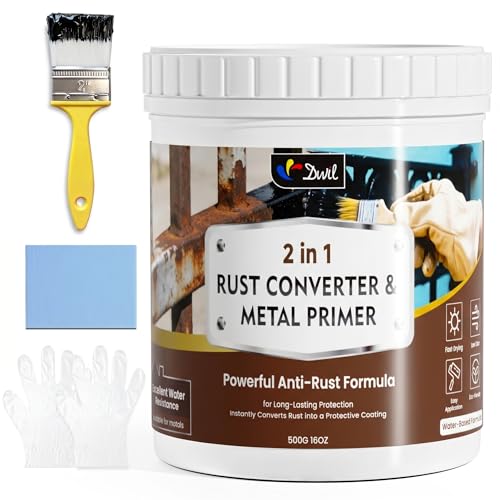
【HIGH-FLOW PENETRATION】- Looks like water, but works like chemistry. 100% LIQUID – NOT THICK PAINT. Don’t be fooled by its water-like consistency. Unlike thick paints that trap rust underneath, our low-viscosity formula utilizes capillary action to reach microscopic pores and tight crevices, ensuring every spot where brushes can't reach is fully protected. It neutralizes rust at the source, creating a rock-hard, protective bond from the inside out.

【HIGH-FLOW PENETRATION】- Looks like water, but works like chemistry. 100% LIQUID – NOT THICK PAINT. Don’t be fooled by its water-like consistency. Unlike thick paints that trap rust underneath, our low-viscosity formula utilizes capillary action to reach microscopic pores and tight crevices, ensuring every spot where brushes can't reach is fully protected. It neutralizes rust at the source, creating a rock-hard, protective bond from the inside out.
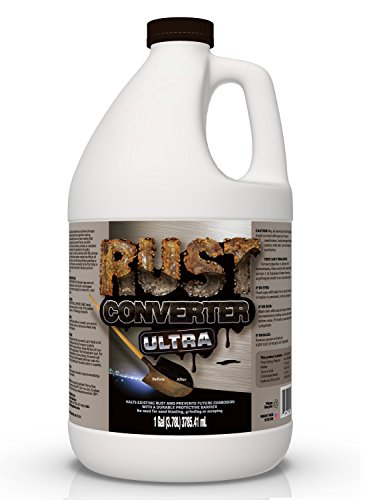
CONVERT RUST: Convert rust to an inert coating that seals out moisture to prevent further corrosion
Cleaning Cushions and Fabric Components
Your cushions and fabric components require thoughtful cleaning strategies that differ based on their construction and the specific stains you’re addressing. For removable covers, machine wash in cold water on a delicate cycle with mild detergent, then air dry completely. Non-removable cushions need vacuuming, spraying with all-purpose cleaner, gentle agitation with a microfiber cloth, and thorough rinsing.
Your cleaning frequency depends on usage and environmental conditions. Mix ½ cup mild dish soap, 1 cup white vinegar, and 1 gallon warm water for most fabric types. For stubborn stains, spray a 50/50 vinegar and water solution, let sit 15–20 minutes, then scrub gently with a soft brush. Tackle oil-based stains with baking soda on damp cloth. Always air dry completely before using cushions to prevent mold growth.
Drying and Storage Best Practices
After you’ve finished washing and treating your cushions and furniture, proper drying and storage will determine whether your white patio pieces stay pristine or fall victim to mold and deterioration.
Use efficient drying techniques by positioning cushions vertically on clotheslines and directing fans toward them to accelerate moisture evaporation. Place items in direct sunlight when possible to leverage UV disinfection. Never stack damp furniture on wet surfaces, as this reabsorbs moisture and invites mildew growth.
For outdoor storage, use breathable covers that protect while allowing ventilation. Store cushions separately from frames and elevate furniture off the ground to prevent pest contact and residual moisture absorption. Guarantee everything is completely dry before storage, and periodically inspect for moisture buildup during storage periods. Conducting routine inspections during storage ensures any moisture issues are caught early before they cause damage. Consider applying fabric water repellency treatments before storage to provide additional protection against moisture accumulation and extend the life of your patio furniture covers.
Preventing Future Stains and Damage
To keep your white patio furniture looking pristine, you’ll want to establish a prevention strategy that addresses both immediate protection and long-term maintenance. Apply stain proofing techniques like Scotchgard Outdoor Water Shield or Sunbrella Restore at the season’s start to create a protective barrier against moisture and UV damage. These preventive measures repel water and prevent stains from setting permanently.
During use, employ damage prevention by placing cushions on seats to protect coatings from scratches and securing plastic feet pads to prevent ground contact. Address spills immediately before they set, and avoid dragging furniture across rough surfaces. Touch up any chips with paint pens right away. Investing in marine-grade stainless steel hardware and other weather-resistant materials will significantly enhance your furniture’s durability against the elements. Reapply protective coatings before storage periods to guarantee your furniture maintains its white finish and structural integrity throughout the year.