How to Care for Wood Patio Furniture: A Complete Guide
You’ll extend your wood patio furniture’s lifespan by combining regular cleaning with soft brushes and mild soap, applying UV-resistant sealants annually, and positioning pieces under protective structures. Inspect hardware twice yearly for corrosion, adjust maintenance frequency based on climate conditions, and document your care history. High-use furniture needs oil treatments every 2-3 months; coastal or humid climates demand increased attention to moisture and mold. The specific techniques and tailored schedules that’ll maximize durability are detailed ahead.
Regular Cleaning Techniques for Wood Furniture
Before you apply any cleaning solution, you’ll want to remove loose debris from your wood patio furniture using a soft brush or cloth. Regular dusting prevents dirt accumulation and reduces the need for intensive cleaning later.
Next, prepare a gentle cleaning solution by mixing warm water with mild soap or detergent. Using a soft-bristle brush or sponge, perform gentle scrubbing in the direction of the wood grain to avoid surface damage. Work the solution into stained or soiled areas, including corners and crevices that trap debris.
Rinse thoroughly with clean water to eliminate soap residue, which attracts dirt and causes discoloration. Finally, dry your furniture completely using microfiber cloths or allow air drying in a shaded, well-ventilated area. This prevents warping and fading from direct sunlight exposure. Similar to outdoor structures, proper weatherstripping and sealants can help protect wood surfaces from moisture damage and environmental wear. For stubborn stains or mildew, a mild bleach and water solution can be applied before thorough rinsing. Repeat this process regularly to maintain your wood furniture’s appearance and longevity.

Ergonomic Design: The peanut-shaped wood body of this hand scrub brush offers an ergonomic grip, ensuring comfortable use during extensive cleaning sessions. Ideal for those seeking a reliable bristle brush for cleaning various surfaces efficiently.
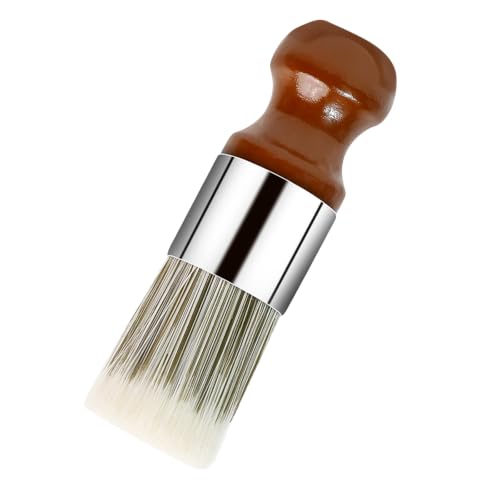
Repair & care: Our premium salve brush for leather furniture is designed for gentle yet effective cleaning, perfect for leather & wood care. Ideal for use with walk in the woods leather salve or snuff leather salve for deep conditioning

【Package Included】You will receive 1 pcs wooden soft bristle broom, The curved handle measures 12.8 x 4.3 x 0.8 inches , the bristles are 2.8 inches in length, suitable for most household cleaning
Seasonal Maintenance and Pre-Season Preparation
Your wood patio furniture’s longevity depends on adjusting your maintenance routine to match seasonal demands and climate conditions. Conduct monthly seasonal inspections during peak use to catch wear, loose hardware, and surface damage early. Before winter arrives, perform deep cleaning and apply fresh sealant coats to protect against moisture infiltration. Weather preparation includes deploying breathable covers that prevent fungal growth while allowing wood to expel humidity. In humid climates, prioritize antifungal treatments and guarantee proper air circulation around pieces. Elevate furniture on supports to prevent ground contact and moisture absorption. Document maintenance activities for each piece, establishing a care history that guides future interventions. For additional protection and aesthetic appeal, consider complementing your maintenance routine with DIY cushion covers that shield seating surfaces from seasonal weather exposure. Ensure the wood surface is properly prepared by removing dirt and old finishes before applying fresh protective coats, similar to how brush on, brush off techniques create an even finish on larger surfaces. This systematic approach minimizes deterioration and extends your furniture’s functional lifespan considerably.
Protective Treatments and Finishes
Once you’ve established a seasonal maintenance routine, selecting and applying the right protective finish becomes critical to safeguarding your wood patio furniture against UV damage, moisture infiltration, and accelerated deterioration.
You’ll find three primary categories of protective finishes: exterior oils, exterior varnish, and epoxy sealer with varnish topcoats. Penetrating oils like tung oil and linseed oil absorb deeply into wood fibers, preserving natural appearance while offering UV protection. However, they require annual reapplication depending on your climate. For optimal application of film-forming finishes, maintaining consistent spray pressure throughout the process ensures even coverage and professional results.
Film-forming finishes—particularly spar urethane and marine varnish—create durable protective barriers ideal for extreme conditions. For greatest longevity, you should combine epoxy sealer with exterior varnish topcoat, which prevents moisture damage and extends finish lifespan considerably. Pigmented finishes and paints provide superior UV protection compared to clear options, making them advantageous for furniture with limited shade exposure. When deciding between protective products, consider whether your priority is natural wood enhancement through deep penetration or long-term durability with enhanced colour coverage.

Two-part epoxy paste to replace missing or rotted wood is resistant to dry rot, UV light, fresh and salt water

CLEAR WATERPROOFING WOOD SEALER: Olympic WaterGuard clear sealer waterproofs and protects exterior wood and masonry without changing the surface's natural look.

WATERPROOFING STAIN – Bring out the beauty of your outdoors with Thompson’s WaterSeal Clear Multi-Purpose Waterproof Stain. Proven to waterproof concrete, brick, exterior wood and other exterior surfaces.
Environmental Protection and Strategic Positioning
Because environmental factors pose the most notable threat to wood patio furniture’s longevity, strategic positioning and protective measures‘ll dramatically reduce deterioration rates. You’ll maximize shade benefits by placing furniture under pergolas, awnings, or tree canopies, which minimize UV exposure and fading. Position pieces away from coastal salt spray and elevated above ground-level moisture accumulation. Your furniture positioning strategy should prioritize distance from pools and saltwater environments to extend lifespan notably. Install furniture covers during off-season periods and harsh weather conditions to shield wood from rainfall, salt aerosolization, and temperature fluctuations. Rotate furniture seasonally to distribute environmental stress evenly. Climate-controlled indoor storage during peak winter rainfall protects wood integrity and prevents warping, cracking, and fungal rot development. Ensure proper drainage spacing beneath furniture legs to prevent water pooling and wood saturation from ground contact. For optimal shade coverage, consider north-south aligned slats when positioning furniture under pergolas, as this orientation provides more balanced, shifting shade throughout the day.

【Enzeno Patio Furniture Set Covers】-- Is your expensive furniture damaged by rain, sun exposure, dust ? The new Outdoor table covers has been tested to withstand 10,000pa of water pressure and can stay dry for 1800 hours when water is accumulated. The interior is coated with an environmentally friendly silver-coated coating that absorbs UV and other visible light to prevent furniture aging.

TRIPLE WATERPROOF PROTECTION: Vailge outdoor sofa cover is built with heavy-duty 600D Oxford fabric with a water-resistant coating and taped interior seams. Prevents water leakage through stitching during heavy rain, protecting your patio sofa from moisture.

【Kipiea Outdoor Furniture Covers】 Would you like to protect your precious patio furniture from the elements with a high-quality cover? Kipiea patio furniture covers feature a double-layer PU waterproof coating on higher-density 420D fabric and quality waterproof tape at the seams to ensure the cover withstands up to 200,000 PA of water pressure and keeps your furniture dry even after years of use
Wood-Specific Care Guidelines
Strategic positioning and protective coverings form the foundation of wood furniture longevity, but they’ll only succeed when paired with consistent, targeted care routines tailored to your specific wood type and climate. You’ll develop effective wood grain maintenance by following the wood grain direction during all scrubbing and sanding operations. Your furniture preservation techniques should include routine dusting with soft cloths, gentle cleaning with mild soap solutions, and thorough rinsing to eliminate residue. For deep cleaning, apply oxygen bleach or manufacturer-recommended products, letting them sit 15–20 minutes before scrubbing. Sand lightly when preparing surfaces for refinishing. Annually apply UV-resistant wood sealers to prevent cracking and fading, as UV exposure significantly reduces durability without proper protection. For teak furniture specifically, applying teak oil or sealants will preserve the wood’s natural appearance while significantly reducing ongoing maintenance requirements. In challenging climates—coastal, humid, or dry environments—adjust your maintenance frequency and product selections accordingly to maximize protection and extend your furniture’s lifespan.
Addressing Common Stains and Damage
Despite your best preventive efforts, wood patio furniture inevitably encounters stains and damage from environmental exposure, use, and weather. Effective stain removal requires identifying the specific problem and applying targeted treatments. For mold and mildew, use white vinegar on mild cases or oxygen bleach for stubborn growth, always following the grain. To ensure thorough mildew removal, allow the cleaning solution to sit for 10-15 minutes before rinsing to maximize effectiveness. After rinsing, allow the furniture to completely air-dry in direct sunlight, as the sun’s UV rays help eliminate remaining mold spores and prevent future growth. Address grease with dish soap, then ammonia if needed. Remove pollen with a microfiber cloth and mild soap solution. Tackle water and tannin stains through light sanding or soap treatment. Rust stains respond to baking soda paste or white vinegar soaks. Damage prevention hinges on thorough rinsing and complete drying after each cleaning to discourage regrowth and deterioration.

SUPERIOR STAIN-FIGHTING POWER: When conventional cleaners, stains sprays, and scrubbing just won’t cut it, opt for RMR Deck, Patio, & Fence Wash, the heavy-duty outdoor treatment that lifts and rinses away discoloration from mold, mildew, and algae
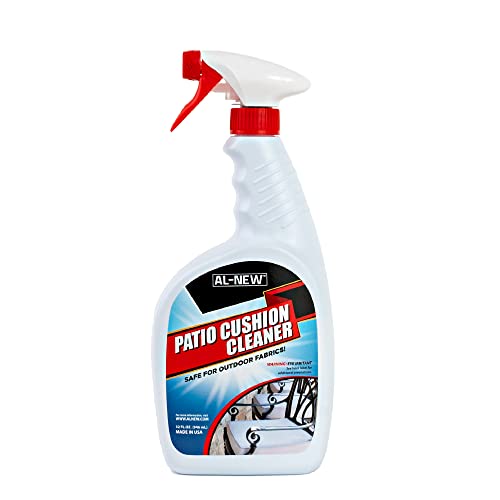
Best Way to Clean Outdoor Patio Cushions, Fabric Cushions, Patio Furniture Covers, Sunshades & Sail Cloth, Fabric Awnings, Umbrellas & More!

DECK AND PATIO WASH: Home Armor Deck & Patio Wash lifts stains from dirt and grime to keep decks and patios looking great over their lifespan.
Maintenance Schedules and Frequency
A consistent maintenance schedule is your wood patio furniture‘s best defense against deterioration. Your frequency factors depend primarily on usage impact and environmental conditions. High-use furniture demands aggressive maintenance—oil treatments every 2-3 months during active seasons and refinishing every 1-3 years. Medium-use pieces require seasonal deep cleaning and sealant application at the start and end of each season. For infrequently used furniture, annual inspections and basic protective measures suffice. Climate greatly impacts scheduling; humid and coastal environments necessitate increased cleaning frequency to combat moisture, mold, and salt buildup. Conversely, sheltered locations require less frequent maintenance than sun-exposed pieces. Dust weekly using soft cloths, scrub monthly with mild soap solutions, and conduct thorough seasonal washing. When applying sealants and stains, selecting quality roller covers ensures even coverage and proper product penetration into the wood. Complementing your maintenance routine with protective covers during off-seasons can significantly extend your furniture’s lifespan. This tiered approach maximizes your furniture’s lifespan while optimizing maintenance efficiency.
Hardware Inspection and Replacement
While wood deteriorates naturally over time, the metal hardware connecting your furniture can fail even faster without proper attention. You’ll want to inspect all fasteners twice yearly, focusing on screws, bolts, and brackets for hardware corrosion signs like rust or discoloration.
Use fastener testing techniques by applying a screwdriver or wrench to verify tightness—stripped heads indicate replacement needs. Check for wobbling joints and deformed brackets that compromise stability. Document your findings to track degradation patterns. Regular inspection and maintenance of hardware works hand-in-hand with sealing your wood to ensure comprehensive furniture protection.
When replacing damaged hardware, remove corroded pieces carefully and clean surrounding areas thoroughly. Install identical replacements matching original size, type, and material. Tightening securely without over-tightening helps prevent loosening, much like maintaining proper adhesion between wood and protective finishes. Tighten securely without over-tightening. Consider stainless steel or galvanized options for superior corrosion resistance. Store spare hardware in labeled containers for convenient future maintenance.

TRACK COVER – This stainless steel patio door track cover can be used to repair worn or damaged sliding glass door aluminum tracks, making it easier to open your door.

【𝐖𝐡𝐲 𝐝𝐨 𝐘𝐨𝐮 𝐍𝐞𝐞𝐝 𝐈𝐭】Screw-in furniture feet can adjust the height of your furniture, stabilize wobbly furniture, protect your floors from scratches, and effectively reduce friction and noise during furniture movement

Rollers are designed to move smoothly, ensuring effortless operation
Long-Term Durability and Restoration
Once you’ve addressed immediate maintenance concerns like corroded hardware, you’ll want to focus on the broader strategies that keep your wood furniture performing well for decades. Your material selection at purchase establishes the foundation for longevity—teak lasts 25+ years with proper care, while cedar, white oak, and acacia naturally resist rot. Teak’s high natural oil content and tight grain structure provide exceptional resistance to moisture, pests, and UV damage that extends far beyond typical wood alternatives. Consistent restoration techniques extend usability beyond typical 5-15 year ranges. Implement regular sealant reapplication every few years, sanding and washing beforehand for proper adhesion. For outdoor wood furniture, varnish finishes are particularly effective at withstanding UV rays, moisture, and temperature changes while maintaining the wood’s natural beauty. Apply UV-resistant finishes to prevent fading and graying. For valuable pieces, climate-controlled storage enhances preservation. Maintain detailed logs tracking care history to identify patterns and prevent future damage. These systematic approaches transform maintenance from reactive repair into proactive longevity management.