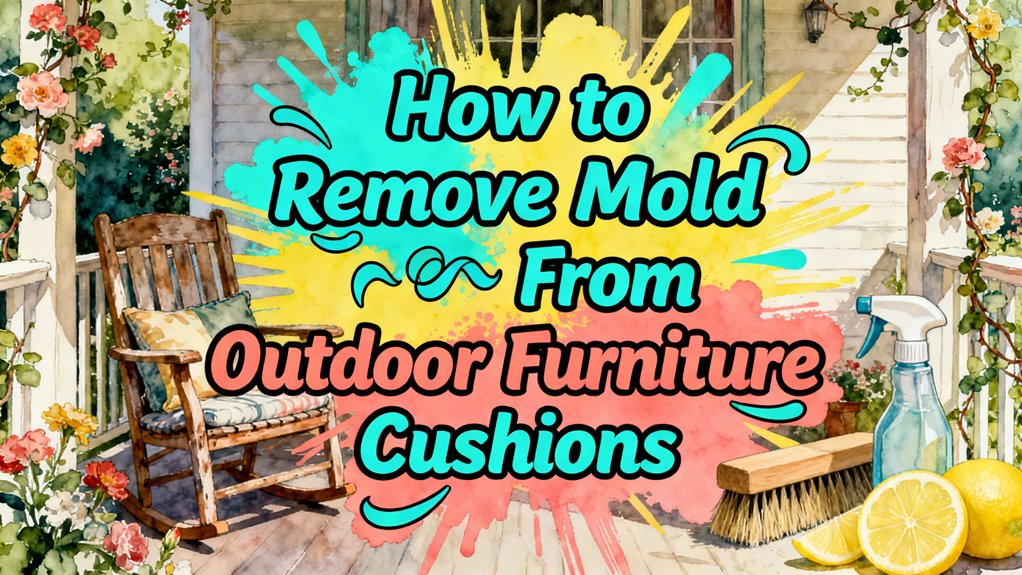
How to Remove Mold From Outdoor Furniture Cushions
You can remove mold from outdoor cushions using four effective methods: borax solution, bleach mixture, white vinegar spray, or baking soda paste. First, brush away visible mold and vacuum loose spores. Apply your chosen cleaner, let it sit 5–15 minutes depending on the method, then scrub gently with a soft-bristle brush. Rinse thoroughly and air-dry completely in direct sunlight. For best results, you’ll want to understand which method suits your specific fabric type and prevention strategies.
Preparation Steps
Before you tackle mold removal, you’ll need to take five critical preparation steps to assure effective cleaning and protect your cushion fabric from damage.
First, brush away visible mold using a soft-bristle brush, then vacuum thoroughly to eliminate loose spores. Next, inspect your cushion tags to identify fabric types and bleach compatibility—most outdoor fabrics like olefin and acrylic tolerate bleach, but delicate materials don’t.
Then gather essential cleaning supplies: a soft-bristle brush, garden hose, bucket, spray bottle, protective gloves, mild dish soap, white vinegar, and bleach if appropriate. Verify all tools are clean to prevent cross-contamination.
Finally, prepare your cleaning solution based on fabric type. For bleach methods, mix one cup bleach and one-quarter cup laundry detergent per gallon of water. For vinegar solutions, use equal parts vinegar and water. Proper preparation assures safe, effective mold elimination. To prevent future mold growth, ensure you use protective covers and maintain proper air circulation around your cushions.
Borax Cleaning Method
Borax offers an effective, eco-friendly alternative to bleach for eliminating mold and mildew from outdoor furniture cushions. You’ll create a solution by combining 1 cup of borax with water and a few drops of dish soap, ensuring complete dissolution for even application.
For Borax application, you’ll dip a hard-bristled brush into the solution and vigorously scrub affected areas. Allow the mixture to sit for approximately 5 minutes to maximize mold-killing action, repeating as needed for stubborn patches.
Regarding Borax safety, you must wear gloves during application and keep the solution away from children and pets, as it’s toxic if ingested. Test the solution on an inconspicuous fabric area first to prevent discoloration or damage, particularly on delicate or sensitive materials.

Naturally softens hard water


Bleach Cleaning Method
Bleach stands as one of the most potent and readily available mold-killing agents you can use on outdoor furniture cushions, offering superior results when properly diluted and applied. Understanding correct bleach ratios is essential for effectiveness and safety. You’ll mix 1 cup bleach per gallon of lukewarm water for general cleaning, or use a 10:1 water-to-bleach ratio for non-washable covers. Always add ½ cup laundry detergent per gallon for enhanced cleaning power.
For bleach safety, never combine bleach with ammonia—this creates toxic fumes. Wear protective gloves and test your solution on hidden fabric areas first. Spray the solution onto affected areas, allow 15 minutes soaking time, then agitate with a soft brush. Rinse thoroughly and air dry completely to prevent future mold growth.

Outdoor Mold and Mildew Stain Cleaner Helps break down and lift stubborn surface stains caused by mold, mildew, algae and dirt on decks, fences, brick, masonry, siding and stucco.

Easy to use- just apply with sponge, spray, or brush

CLOROX HEALTHCARE BLEACH GERMICIDAL CLEANER: Specially designed for healthcare professionals, this bleach cleaner kill C. diff* and C. auris in 3 minutes; packaging may vary
White Vinegar Cleaning Method
While bleach offers aggressive mold elimination, white vinegar provides you with a gentler yet remarkably effective alternative that kills up to 82% of mold species without the safety hazards of chemical cleaners. Mix equal parts distilled white vinegar and water, or apply undiluted vinegar directly to affected areas for stronger results. Spray the solution generously onto both sides of your cushions, allowing it to penetrate for 10–15 minutes. Use a soft-bristle brush to gently scrub seams, corners, and fabric weaves where mold hides. Rinse thoroughly with clean water, then air-dry in direct sunlight. The vinegar benefits extend beyond immediate cleaning—UV rays eliminate remaining spores while preventing future outbreaks. For cushions without removable covers, you can also incorporate white vinegar into an all-purpose cleaning solution alongside mild soap for enhanced mold prevention. Establish regular cleaning frequency by reapplying vinegar monthly to maintain fabric integrity and protect your outdoor investment.

OXY-POWERED OUTDOOR STAIN REMOVAL: This Outdoor Cleaner & Stain Remover delivers powerful spot cleaning with an oxy-powered formula. Designed to tackle tough outdoor stains caused by mold, mildew, algae, dirt, and grime, it helps refresh patios, decks, and outdoor living spaces
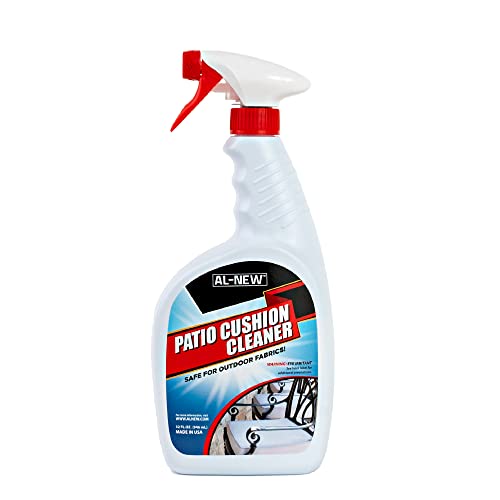
Best Way to Clean Outdoor Patio Cushions, Fabric Cushions, Patio Furniture Covers, Sunshades & Sail Cloth, Fabric Awnings, Umbrellas & More!

Simple, clean ingredients that is safe for the whole household!
Baking Soda Cleaning Method
For a natural, non-toxic alternative to vinegar’s acidity, baking soda harnesses alkaline chemistry to break down mold and mildew stains while neutralizing odors embedded in your cushion fabrics. Mix baking soda with water at a 3:1 ratio to create a thick paste, then apply it directly to affected areas.
Let the paste sit for 15 minutes to several hours, depending on stain severity. The baking soda benefits include both deodorization and mildew removal without damaging fibers.
Using a soft-bristled brush, gently scrub in circular motions to dislodge mildew particles. Rinse thoroughly with clean water to eliminate all residue—multiple rinses prevent baking soda buildup.
Air-dry your cushions completely in sunlight to eradicate remaining spores and inhibit regrowth. After cleaning, consider applying UV protection coatings to outdoor cushion covers to prevent future mold and mildew growth while preserving fabric integrity.

Quickly removes stains caused by mold and mildew on contact without heavy scrubbing; EASY TO USE - spray, wait until the stain disappears, then rinse
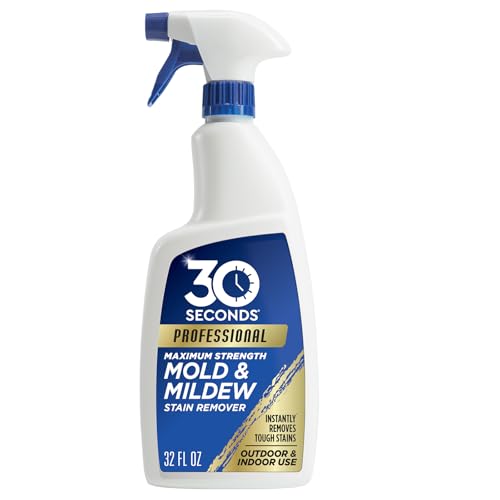
BRIGHTER RESULTS INSTANTLY: Noticeably brightens indoor and outdoor surfaces, removing black mold and mildew stains as you watch, with no scrubbing or pressure washing required for fast, visible results
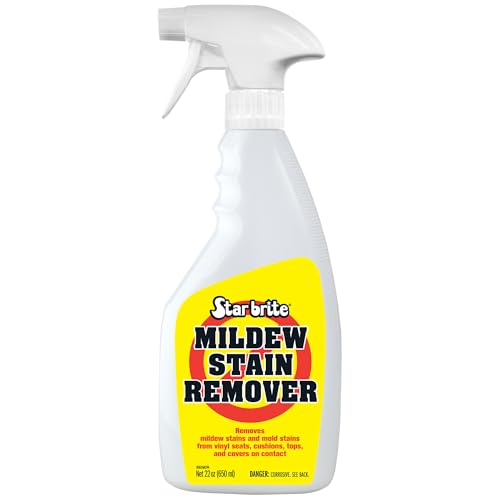
INSTANT STAIN REMOVAL - Removes mold stains and mildew stains on contact without heavy scrubbing
Drying and Prevention
Proper drying and preventive maintenance are your strongest defenses against mold recurrence on outdoor furniture cushions. After cleaning, you’ll want to maximize moisture reduction by sun-drying cushions flat in direct sunlight, flipping them halfway through the process. Sunlight actively kills lingering mold spores and accelerates evaporation.
Once dry, store cushions in ventilated, covered spaces with silica gel packs to prevent condensation. You’ll greatly extend the mold lifespan reduction by ensuring your storage area maintains adequate airflow. Position furniture in partial or full sunlight rather than complete shade, as shaded areas trap excessive moisture. Consider using weather-resistant protective covers to shield cushions from UV rays, dirt, and moisture when not in use. To prevent moisture accumulation in storage areas, ensure adequate airflow and ventilation around all stored items.
Establish a cleaning schedule of 2 to 4 times yearly, intensifying during high-humidity seasons. Regular inspections catch early warning signs—musty odors, discolored patches, or fuzzy growth—before mold establishes permanently.
Choosing the Right Cleaning Method
Because different cushion fabrics and mold severity levels demand tailored approaches, you’ll need to select a cleaning method that balances effectiveness with fabric protection. Consider your fabric type first—olefin and acrylic tolerate bleach solutions well, while delicate materials benefit from vinegar or baking soda alternatives. Assess mold types present; surface growth responds to mild detergent treatments, while deep colonization requires stronger solutions like hydrogen peroxide or borax. Just as outdoor metal furniture requires gentle cleaning methods to preserve finishes, cushion fabrics benefit from starting with the mildest effective approach before escalating to stronger solutions.
Your cleaning frequency influences method selection too. For regular maintenance, gentle soap-and-water treatments suffice. Stubborn infestations demand more aggressive approaches. Start with the mildest effective option, reserving bleach for heavily affected non-washable fabrics. Always test solutions on inconspicuous areas first to prevent unintended damage, ensuring your chosen method protects long-term cushion integrity.

REMOVE TOUGH STAINS: Home Armor Outdoor Cleaner+ powers away dirt, grime, algae, mold and mildew stains. No scrubbing required.

EFFECTIVELY REMOVES MOLD & MILDEW STAINS – Designed to eliminate tough outdoor mold, mildew stains, dirt buildup and organic staining from patio cushions and outdoor furniture fabrics.

Specialized Formula for Outdoor Fabrics - Advanced formula designed for high-use outdoor surfaces, making this patio cushion cleaner, outdoor fabric cleaner, and outdoor furniture cleaner ideal for maintaining cushions and fabrics exposed to sun, moisture, and frequent use. Helps support regular care of outdoor materials without relying on harsh cleaning methods
Maintenance Tips for Long-Term Protection
While selecting the right cleaning method addresses immediate mold problems, preventing future infestations requires an extensive maintenance strategy that starts with your fabric choice. You’ll want to prioritize acrylic and olefin fabrics—engineered specifically for outdoor use, they resist water and mildew far better than cotton or linen. Brands like Sunbrella and CushionGuard offer superior mold resistance.
Your storage solutions directly impact long-term protection. You should store cushions in weatherproof deck boxes or bring them indoors after rain, ensuring they’re completely dry first. Elevate cushions off solid surfaces to promote air circulation and prevent moisture accumulation. Consider breathable containers with silica gel packs for added defense. For even greater durability, pair your cushions with quick-drying cushion foams designed to prevent moisture retention and mold growth.
Apply UV protectant and waterproofing sprays according to manufacturer guidelines. Testing water beading after application ensures your protective coatings are effective and maintaining adequate coverage. Clean your cushions 2–4 times yearly and inspect them during seasonal changes. Sun-drying kills lingering spores naturally.