How to Waterproof Fabric for Outdoor Furniture Cushions
You’ll waterproof outdoor cushions by selecting solution-dyed fabrics like acrylic canvas or olefin, then applying fluoropolymer-based spray coatings in two even coats at 6-8 inches distance. Reinforce seams and zippers with dual-stitch techniques and seam sealers. Remove cushion inserts before spraying, allow 24 hours drying time, and test effectiveness by observing water beading. Maintain your cushions seasonally with mild soap washing and debris removal. Understanding each technique’s specific application will greatly extend your cushions’ lifespan.
Understanding Waterproof Fabric Options for Outdoor Cushions
Selecting the right fabric for outdoor furniture cushions requires understanding how different materials achieve water resistance and what distinguishes truly waterproof options from those that merely repel moisture. You’ll find two primary fabric categories suited for this purpose.
Acrylic canvas offers exceptional durability through solution-dyed construction, providing inherent water repellency and UV resistance. Solution dyed olefin presents a more economical alternative, delivering quick-drying properties and fade resistance while remaining mildew resistant.
Both materials rely on tight weaves that prevent water penetration. However, true waterproofing demands additional coatings or laminations—typically vinyl or PVC layers applied to polyester or acrylic bases—creating impermeable barriers.
You should recognize the distinction: water-resistant fabrics eventually absorb moisture under heavy saturation, while waterproof fabrics block water completely, making them ideal for exposed outdoor environments and marine applications. For maximum protection, consider supplementing fabric selection with waterproofing sprays like Scotchgard to create an additional protective layer that extends your cushions’ lifespan.

❗❗Please Note: Items pre-cut. If you order 5 yards, you will receive one continuous 5-yard piece. If you order five 1-yard units, you will receive five separate 1-yard pieces.❗❗【Professional Water-Repellent Fabric】 Features advanced waterproof coating with lotus-effect technology. This 600D cordura canvas fabric (230 GSM, 0.45mm thick) offers exceptional abrasion, UV, and tear resistance for long-lasting durability. "

WATER REPELLENT SPRAY: One Scotchgard Outdoor Sun & Water Shield Fabric Spray, 10.5 oz can, that repels water and protects against the sun's UVA/UVB rays

【Quality Material】Made from premium polyester fabric, this waterproof canvas fabric is lightweight, tough, and offers excellent durability, abrasion resistance, and tear resistance to ensure long-lasting durability.
Applying Waterproofing Sprays and Sealants Effectively
Once you’ve chosen your fabric type, you’ll need to apply a protective coating to enhance water resistance. Your spray techniques directly impact effectiveness, so shake the can thoroughly before use. Hold it upright at 6-8 inches from the fabric surface, applying two even coats with approximately 4 hours drying time between applications.
Proper material compatibility guarantees ideal results. For delicate fabrics, use fluoropolymer-based sprays like 303 Fabric Guard, which offer UV protection and breathability. Canvas and coarse materials benefit from wax-based sealants, while silicone sprays work across multiple surfaces. Avoid over-saturating cushion padding by removing inserts beforehand or wrapping them in plastic. For cushion foams specifically, consider using quick-drying cushion foams that are designed to resist moisture while maintaining comfort and longevity. Conducting routine inspections of your waterproofed cushions throughout the season helps identify any areas where the protective coating may have worn away.
Allow 24 hours for complete drying before exposing cushions to moisture. This systematic approach ensures lasting waterproofing performance.

➤ Safe for you and everything you spray it onto; provides ultimate stain, dirt and water repellent for any fabric upholstery, including leather and suede; great for protecting furniture from pet stains and sticky fingers

For home patio families who love sunny afternoons but hate surprise rain—without protection, outdoor fabrics get stains, fade fast and hold musty smells. BERIOVE Outdoor Fabric Protector Spray keeps your patio fabrics in good condition against light rain, daily spills, and unexpected stains throughout the season.

All-Weather Outdoor Protection: One 10.5 oz can provides heavy duty waterproofing for outdoor fabrics and gear. Safeguard tents, patio furniture cushions, grills covers, boat covers, jackets, shoes and more from rain, snow, and moisture.
DIY Waterproofing Methods Using Natural Materials
Why invest in commercial products when you can create effective waterproofing treatments from natural materials already available at home? You’ll find two excellent options worth considering.
For beeswax benefits, you’ll heat the wax until liquid, then brush it onto your cushion fabric. Use a hairdryer or heat gun to melt it into the fibers, allowing proper cooling and setting. This approach provides natural, biodegradable protection.
Alternatively, linseed application involves brushing raw linseed oil directly onto fabric surfaces. You’ll apply multiple coats with 24-hour drying intervals between applications for peak water resistance. Both methods work exceptionally well on cotton and wool fabrics while maintaining breathability. You’ll notice these natural treatments may alter fabric color slightly, and reapplication frequency depends on your exposure conditions and fabric type. Similar to outdoor wood furniture, proper drying time between coats ensures maximum effectiveness of your waterproofing treatment.
Preparing Your Cushions and Work Area
Before you apply any waterproofing treatment, you’ll need to thoroughly inspect and clean your cushions to confirm the product bonds properly with the fabric. Remove dust and existing stains using a soft brush with warm water and mild soap. Rinse thoroughly to eliminate all soap residue, then allow complete air drying in sunlight before proceeding.
Set up your work area by laying a tarp or drop cloth on the ground. Position cushions flat on the protective surface to guarantee even spray application. Remove cushions from furniture to promote air circulation. For tougher stains that resist initial cleaning, consider adding baking soda or OxiClean to your cleaning solution before waterproofing. To further protect your cushions, use protective covers during adverse weather conditions. Shake your waterproofing spray can thoroughly before use. Treat both sides and prioritize seams, zippers, and piping where water intrusion occurs most easily.
Selecting Foam and Materials for Enhanced Water Drainage
While waterproofing your fabric provides an essential first line of defense, you’ll also need to select the right foam and materials to guarantee your cushions drain effectively and resist moisture damage from within.
Choose High Resilience (HR) foam with a density of 32 pcf or higher to maximize durability and shape retention. Pair it with Dry Fast or reticulated foam featuring open-cell structures that accelerate water passage and drainage effectiveness. These foam properties prevent internal moisture accumulation that degrades cushions over time.
For fabric, select Phifertex-style vinyl mesh or Sunbrella acrylic that permits airflow while blocking water penetration. Ascertain your fabric is tightly woven yet breathable, allowing trapped moisture to escape without compromising the foam core’s integrity and longevity. Consider positioning your outdoor furniture in areas with optimal sun orientation to further enhance natural drying and reduce moisture retention in cushion materials.
Reinforcing Seams and Zippers Against Water Intrusion
Your cushion’s internal protection means little if water breaches the seams and zippers—the primary weak points where moisture infiltrates and compromises foam integrity. To maximize seam durability, you’ll employ a dual-stitch approach: straight stitch followed by zigzag stitching, then backstitching at starts and ends. Press seams flat post-sewing and trim allowances with staggered widths to minimize bulk and moisture traps.
For zipper integration, use continuous No. 5 zippers designed for outdoor conditions. Position them strategically and encase with piping for water shielding. Sew zippers onto base fabric before completing outer seams.
Apply antiwick thread—polyester with wax coating—to seal needle holes and prevent water seepage. Follow with seam sealers like Iosso® on both sides, reapplying periodically after harsh weather or cleaning cycles. For cushion covers, consider using fabrics with water, mold, and fade resistance properties, such as olefin, which provide an additional layer of protection beyond seam reinforcement. This approach mirrors the protective strategies needed for wood furniture, where protective coatings must be reapplied regularly to maintain weather resistance and prevent damage from moisture infiltration.

Premium Material: This self-adhesive zipper is made of heavy-duty plastic-coated metal, which resists rust and is impervious to water, ensuring long-term use; The fabric around the zipper is made of high-quality Oxford canvas

Permanent seal: This Gorilla tape creates a permanent bond that instantly seals out air, water, and moisture
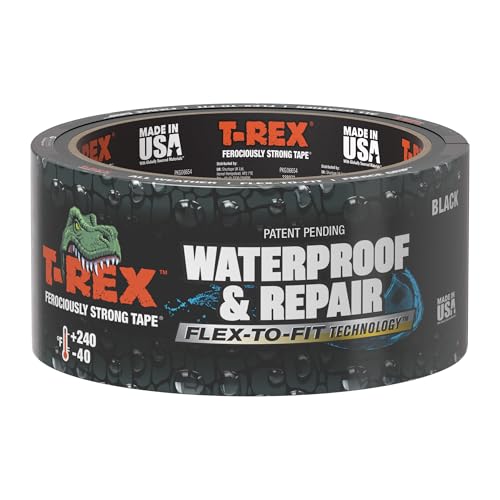
THE FIX-IT-ALL TAPE: Most versatile tape for quick repairs; add to repair kit for indoor and outdoor fixes including home, plumbing, automobile, marine, sporting and recreational equipment and more
Testing Your Waterproofing Application
How can you verify that your waterproofing treatment actually works? You’ll conduct multiple waterproofing methods to guarantee effectiveness. Start with visual inspection—spray water onto your fabric and observe if it beads and rolls off. Next, perform a hydrostatic head test using a pressure chamber to measure the water column height before penetration occurs. This quantifies your fabric’s waterproof rating. For durable outdoor cushions, combine these tests with abrasion resistance evaluations to simulate real-world wear. Finally, conduct outdoor exposure trials in natural rain conditions to observe performance under actual environmental stress. Throughout fabric maintenance cycles, monitor for coating breakdown, water absorption, or deterioration. These systematic testing approaches validate that your waterproofing application provides reliable long-term protection.

PROTECT YOUR HOME AND WELLNESS: Understand the impact of hard water on your home and health. Hard water can damage appliances, clog pipes, and affect your skin and hair. By using Varify's Water Testing Kit to monitor your water's hardness, you're taking an important step in preventing potential damage and ensuring the well-being of your household.

Clear Range: This house water testing kit offers clear, easy to read results and acceptable ranges for all substances. The water contaminant tester delivers clear results on any type of water

17 IMPORTANT PARAMETERS: The Varify Premium Drinking Water Test Kit offers an unrivaled, complete analysis of your drinking water by testing for 17 essential parameters. This includes crucial tests for chlorine, fluoride, lead, iron, bacteria, and more, ensuring that you're fully informed about the quality of your water. With this extensive range of testing capabilities, you can detect contaminants and imbalances that could affect your health, providing a holistic view of your water's safety.
Maintaining Waterproof Fabrics Throughout the Season
Once you’ve validated your waterproofing application’s effectiveness, you’ll need to establish maintenance routines that sustain that protection throughout the season. Implement seasonal cleaning by washing your fabrics approximately four times annually with mild soap and water solutions. Address stains immediately to prevent permanent damage. For moisture management, promptly wipe away standing water and stand damp cushions upright during drying to guarantee complete evaporation. Turn cushions periodically to distribute moisture evenly. Remove debris regularly using soft-bristle brushes to prevent mold growth. Air out furniture during humid conditions to prevent moisture retention. Use protective covers between seasons, but maintain access for periodic inspection and maintenance. These systematic practices preserve your waterproofing’s integrity and extend fabric longevity.