Is Alder Wood a Good Choice for Outdoor Furniture?
Alder wood isn’t your best choice for outdoor furniture. You’ll face challenges with its soft 590 Janka hardness rating, making it susceptible to dents and scratches. More critically, its poor moisture resistance and low rot resistance require constant protective treatments and monthly maintenance to prevent deterioration. While alder costs less upfront than premium options like teak or cedar, you’ll spend considerably more on frequent resealing and repairs. Exploring hardier alternatives will reveal why durability matters long-term.
Understanding Alder Wood’s Natural Properties
When you first cut into alder wood, you’ll notice its creamy white surface—but don’t let that initial appearance fool you. The wood darkens to light brown or reddish tones as it’s exposed to air, developing natural beauty that deepens with age into a warm, rich patina. You’ll appreciate alder’s straight grain and fine, uniform texture, which contribute to its aesthetic appeal without demanding extensive finishing work. The wood features occasional mineral streaks and knots that add rustic character, particularly in boards from smaller trees. Its non-porous nature means you’ll need less stain or varnish for finishing. These inherent properties make alder distinctly attractive for applications where both durability and visual warmth matter.

DURABLE WOOD:This bistro set is made of real Acacia wood with a natural finish. This chat set is solid, strong and durable.This table chair set is Crafted from solid, weather-resistant natural acacia wood for beauty and long-lasting durability.Acacia wood is strong and durable.No splinter, rust, crack, chip or peel.Chat Set Bistro Set Table Chair Set.

MID-CENTURY MODERN: Our club chair offers a mid-century modern look to your patio space with its clean lines and understated look; Featuring a traditional slatted design and wooden frames, this chair upgrades this classic style with its smooth texture and fresh cushion colors;
Hardness and Durability Considerations
While alder’s visual appeal and workability make it attractive for many projects, its softness presents significant limitations for outdoor furniture. At 590 lbf on the Janka hardness scale, alder ranks considerably lower than oak (1290–1360 lbf) and maple (1450 lbf)—woods you’d typically choose for exterior use.
This hardness comparison directly impacts durability factors. You’ll find alder susceptible to dents and scratches, which accelerate when exposed to outdoor elements. Weather exposure compounds these vulnerabilities; moisture penetration and UV damage exploit the wood’s structural weaknesses, promoting rot and deterioration. Like rubberwood, alder’s high moisture absorption causes it to deteriorate more quickly when exposed to outdoor elements. Unlike cedar, which offers natural resistance to decay, alder lacks these protective qualities.
Alder’s bending strength of approximately 9,800 psi further compromises its suitability outdoors. You’d face premature warping and failure under environmental stress. For outdoor furniture, you’ll want harder, more weather-resistant options that withstand moisture, temperature fluctuations, and physical wear better than alder can provide.

Prevents further drying and fading of wood finishes due to sun exposure, temperature variations, and moisture both indoors and outdoors

Perfect for refinishing and protecting exterior wood such as picnic tables, chairs, swing sets and more

Repels moisture as it enhances wood's natural beauty. Protect your outdoor furniture from mother nature and protect your investment.
Moisture Resistance and Weather Protection
Because alder wood ranks among the lowest rot-resistant hardwood species, it’ll succumb rapidly to moisture exposure in outdoor settings. You must apply robust protective treatments to prevent catastrophic deterioration. Alder’s permeable structure allows moisture absorption despite preservative applications, making it fundamentally unsuitable for exterior use without thorough sealing systems.
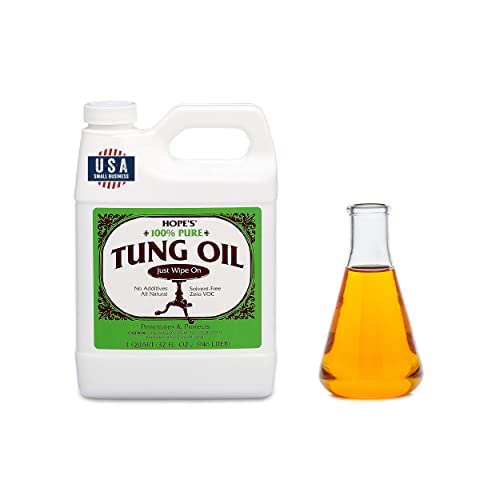
You’ll need fully sealed finishes—paint or tung oil—to protect the wood core from moisture penetration. Inadequate coverage exposes interior face frames to rapid decay, particularly in warm, humid conditions where alder turns to pulp. The wood’s hygroscopic properties cause dimensional movement as it absorbs and releases moisture based on environmental fluctuations.
Protective treatments remain mandatory for any outdoor application, yet they’ll only postpone inevitable deterioration rather than prevent it entirely.

Easy to Use - Tung oil is a natural oil recognized by craftsmen to offer the ultimate hand-rubbed finish for all fine woods; just wipe on and allow the oil to cure at room temperature

【100% Pure Tung Oil (For Wood)】100% Pure Natural! OAIEGSD tung oil food grade is 100% pure natural, which is extracted from natural tung seeds, without any additives and chemical ingredients, so it can be great for contact with food, you can use it safely. After using the pure tung oil, your wood products will have a longer life.
Easy to Use - Tung oil is a natural oil recognized by craftsmen to offer the ultimate hand-rubbed finish for all fine woods; just wipe on and allow the oil to cure at room temperature
Maintenance Requirements for Outdoor Use
Given alder’s susceptibility to moisture damage, you’ll need to establish a rigorous maintenance schedule to keep your outdoor furniture functional and visually acceptable. Your cleaning schedule should include monthly cleanings using mild soap solutions and soft brushes, with immediate removal of bird droppings and sap to prevent permanent staining. You must apply protective coatings every few years, sanding lightly beforehand to guarantee proper adhesion. Use only outdoor-grade spar varnish or film-forming finishes—indoor products won’t withstand weather exposure. Inspect furniture monthly for loose hardware, cracks, and wear. Store pieces indoors during extended non-use periods, particularly winter months. Track all maintenance activities to anticipate refinishing needs and address damage promptly before moisture or pests cause further deterioration.

Ideal for use on exterior wood surfaces above the water line, including trim, railings and wood furniture

PROTECTIVE CLEAR FINISH – Minwax Helmsman Spar Urethane is specially formulated as a protective varnish for wood for interior and exterior projects. It contains special UV blockers that reduce the sun’s graying and fading effects.

PROTECTIVE CLEAR FINISH – Minwax Helmsman Spar Urethane is specially formulated as a protective varnish for wood for interior and exterior projects. It contains special UV blockers that reduce the sun’s graying and fading effects.
Cost-Effectiveness Compared to Alternative Woods
When you’re evaluating outdoor furniture options, alder’s pricing structure offers a compelling middle ground between budget-friendly softwoods and premium hardwoods. You’ll pay approximately $2.85 to $3.95 per board foot, positioning alder about 10% cheaper than oak while considerably undercutting cherry and maple.
Your cost comparison reveals important trade-offs. You’ll invest less upfront than with durable alternatives like cypress, yet you’ll spend more than poplar or yellow pine. Budget considerations must account for long-term value, not just initial expense. Though alder demands more maintenance than premium hardwoods, its lower replacement costs offset shorter lifespan concerns. You can easily refinish or replace components without substantial financial impact. This cyclical investment approach makes alder economically viable when you’re balancing affordability with acceptable durability and workability.

Simple & Practical: Closed armrest and leg design makes the chair simple but modern and no need to worry about the rattan falling off when they are used after a long time.

Comfortable Textile Material: The back and seat of the chair are made of textile materials with many meshes. It is one of the selected materials for outdoor furniture. This quality material is very breathable and you will enjoy it even in the summer. When it’s dirty, just wipe it with a wet or dry cloth.

Quality and Durable: founded atop a powder-coated steel frame, wrapped in dense all-weather wicker with woven details closely in a black finish with stereo arcuate stripe for a tastefully textured, cozy look, makes outdoor furniture set 3 PCS exceptionally durable
Workability and Finishing Advantages
Alder’s exceptional machinability and finishing properties make it an ideal candidate for outdoor furniture construction. You’ll find that alder’s tool compatibility minimizes wear during cutting and shaping, reducing equipment maintenance costs. The wood accepts nails, screws, and glue readily without splitting, streamlining assembly processes.
Its fine, uniform grain pattern provides substantial aesthetic flexibility, allowing you to achieve various finishes—from clear coats to stained surfaces that mimic expensive hardwoods. Alder holds stains exceptionally well, creating smooth, glassy surfaces that blend seamlessly with complementary woods. The low porosity means you’ll use less finishing product while achieving even coverage.
After proper drying, alder maintains dimensional stability with minimal warping, ensuring your outdoor furniture retains its form and structural integrity through seasonal changes. For optimal outdoor durability, consider applying spar urethane as a topcoat to protect alder from UV damage and moisture exposure.
Recommended Applications and Settings
While alder’s workability makes it appealing for outdoor furniture projects, its poor natural durability fundamentally limits where you can successfully deploy it. Your recommended outdoor settings should focus on covered areas—patios, porches, and gazebos—where you’ll shield the wood from direct rainfall and ground moisture. Suitable furniture types include decorative pieces rather than load-bearing structures: planters, screens, and accent tables work well in dry climates with minimal temperature fluctuations. You’ll avoid structural outdoor furniture, as alder’s softness invites damage that accelerates decay. Instead, reserve alder for low-exposure applications where you accept frequent maintenance. To maximize the lifespan of outdoor wood furniture, leave small gaps between boards to allow water drainage and wood expansion. Consider naturally durable woods like larch, which offer superior weather resistance and can last 10–50 years or more with proper maintenance, making them a far better choice for demanding outdoor environments. If you’re willing to invest in preservative treatment and regular sealing, you can extend its outdoor viability. Otherwise, you’re better served selecting naturally durable woods like cedar or teak.
Long-Term Performance and Lifespan Expectations
If you’re considering alder for outdoor furniture, you’ll need to accept that it won’t perform like premium hardwoods—its lifespan typically falls between 3-5 years in exposed conditions without protective coatings. You’ll encounter moisture-related warping and UV degradation that accelerates structural failure compared to teak or cedar, which last 10+ years with minimal upkeep. Your performance expectations should factor in frequent resealing requirements and higher maintenance costs that offset initial savings. Sheltered placements extend longevity somewhat, but you’re still managing environmental impact through repeated finishing applications. While some woods like elm have been historically used in outdoor applications due to moisture resistance, alder lacks the durability needed for comparable performance. User experiences consistently show alder deteriorates faster than alternatives, making it impractical for long-term outdoor investments unless you’re willing to commit substantial ongoing maintenance efforts. For superior outdoor durability, pressure-treated wood offers 15-30 years of reliable performance with minimal upkeep, making it a more cost-effective long-term investment than alder despite higher initial costs.