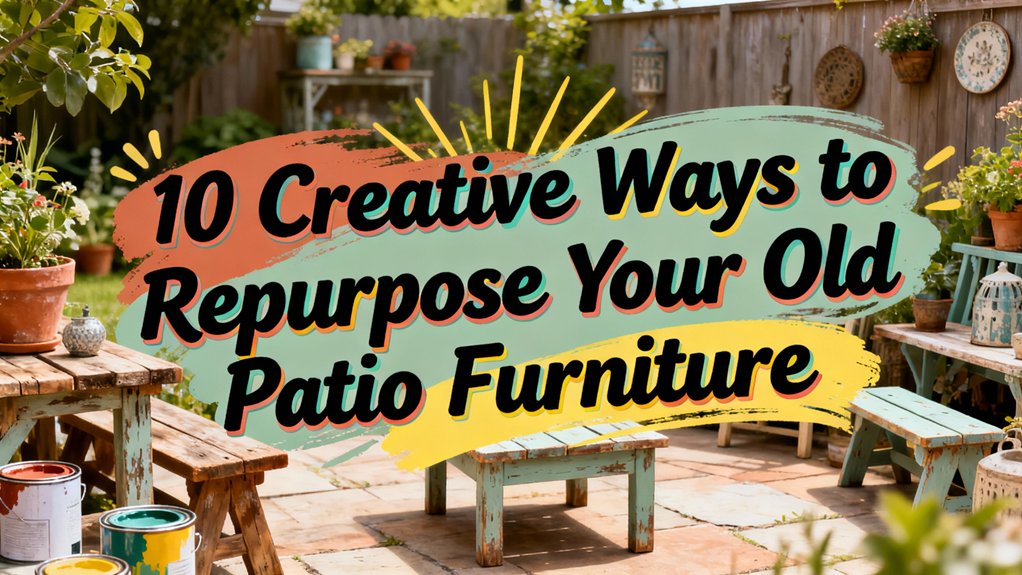
10 Creative Ways to Repurpose Your Old Patio Furniture
You can transform your tired patio furniture into stunning outdoor pieces with strategic refreshes. Paint worn surfaces with weather-resistant finishes, add artistic mosaic or stenciled designs, and swap cushions with UV-resistant fabrics. Repurpose metal frames into garden trellises, build custom tabletops from reclaimed wood, and create storage solutions from wooden pallets. Install ambient lighting, convert benches into swings, and design multi-functional pieces with hidden storage. Each transformation extends your furniture’s life while elevating your space’s aesthetic appeal—discover how to execute these creative projects with precision.
Refresh With Paint and Finish
One of the most transformative yet accessible ways to breathe new life into tired patio furniture is a fresh coat of paint. Your color selection dramatically impacts the overall aesthetic—consider bold jewel tones or soft neutrals depending on your outdoor style. Proper painting techniques guarantee professional results: apply thin, even coats rather than one thick application, maintaining your sprayer 8-10 inches from the surface using smooth, consistent motions. Sand between coats for ideal adhesion and a refined finish. Don’t overlook preparation—it’s 80% of the work. Clean thoroughly, sand to create paint tooth, and prime with metal-specific products. For maximum durability and weather resistance, seal the paint with a clear outdoor sealant to protect against peeling, cracking, and environmental damage. For exterior use, choose paints formulated with UV blockers and mildew resistance to withstand outdoor conditions effectively. Allow 24 hours curing time before use. Consider adding a protective clear topcoat annually to maintain that refreshed appearance and extend longevity.
2. Transform Surfaces With Artistic Elements
While paint refreshes your furniture’s foundation, artistic surface treatments elevate it into a true design statement. You can transform tabletops using mosaic techniques, arranging broken ceramics or glass into vibrant patterns that catch light beautifully. Layer natural textures through rope wrapping on legs and arms, adding tactile dimension and coastal appeal. Explore creative patterns via stenciling or hand-painted geometric designs that reflect your aesthetic vision. Incorporate botanical art through nature-inspired murals or pressed leaves embedded in resin, merging your furniture with outdoor ecosystems. Apply artistic finishes like distressing techniques or crackle paints for weathered depth. Consider mixed-media approaches—attaching ceramic knobs, beads, or found objects transforms ordinary surfaces into personalized outdoor art installations that blend function with visual flair. For cushioned pieces, remember that regular seasonal cleaning helps maintain the integrity of any artistic elements you’ve applied. Before applying any paint or artistic treatments, ensure your furniture is properly cleaned and free from mildew and debris using appropriate cleaning methods for your furniture material.
3. Repurpose Furniture Into Functional Garden Features
As your patio furniture ages beyond comfortable use, its bones can transform into the garden’s most compelling features—blending practicality with visual interest. Metal bed frames become elegant trellises supporting climbing roses and vines, while dismantled chair and table components craft rustic garden fencing with authentic character. Wooden slats convert into raised planting boxes that elevate your herbs and vegetables off the ground, improving drainage and accessibility. Sturdy furniture legs serve as bases for bird feeders and lantern stands, adding sculptural dimension. Large tabletops evolve into potting benches, providing dedicated workspace for your gardening tasks. These functional transformations maximize your outdoor space’s utility while preserving vintage charm, proving that worn patio pieces deserve a second life in your garden’s landscape. To maintain wooden garden features like repurposed furniture, apply oil-based stains and sealants every 2-3 years to protect against UV damage and decay. To keep your repurposed bird feeders clean and hygienic, practice regular maintenance such as cleaning bird feeders to prevent disease and pest issues.

Plant Anchor Kit: you will get 80 pieces of vine anchors, 5 pack of silicone adhesive sealant, 1 roll of garden tie tape, 1 roll of metal wire, 1 wire cutters, meeting your needs of train the climbing plants
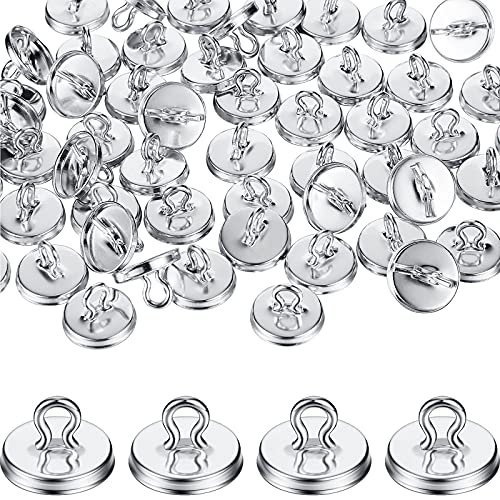
Sufficient Quantity: our plant anchor kit include 80 pieces plant anchors, these practical plant tools can be applied for your grid vines and wall climbing plants; Use your own delicate design to train the climbing plants
Sufficient Quantity: our plant anchor kit include 50 pieces plant anchors, these practical plant tools can be applied for your grid vines and wall climbing plants; Use your own delicate design to train the climbing plants
4. Replace Cushions and Upholstery for Comfort and Style
New cushions and upholstery breathe life into aging patio furniture, transforming worn pieces into inviting outdoor retreats that blend comfort with contemporary style. Your cushion selection directly impacts both aesthetics and longevity. Consider Sunbrella fabric for superior fade resistance and mold prevention, or opt for marine-grade Ottertex for weatherproof durability. Pair quality fabrics with high-density foam cores that maintain their shape longer than standard polyfill.
Fabric durability matters when selecting outdoor upholstery. UV-resistant materials preserve vibrant colors while water-resistant weaves protect against moisture damage. You’ll appreciate easy-clean properties that resist stains and mildew buildup. Custom sizing guarantees perfect fits for your specific furniture dimensions, while slipcovers offer cost-effective refresh options. When positioning your refreshed furniture near your home’s exterior, ensure any attached structures like pergolas follow local building codes to maintain a cohesive and safe outdoor environment.
This strategic investment transforms your outdoor space into a stylish, comfortable sanctuary.
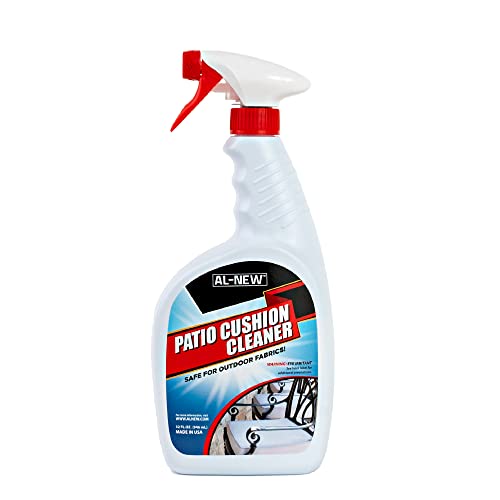
Best Way to Clean Outdoor Patio Cushions, Fabric Cushions, Patio Furniture Covers, Sunshades & Sail Cloth, Fabric Awnings, Umbrellas & More!

EFFECTIVELY REMOVES MOLD & MILDEW STAINS – Designed to eliminate tough outdoor mold, mildew stains, dirt buildup and organic staining from patio cushions and outdoor furniture fabrics.

Quickly removes stains caused by mold and mildew on contact without heavy scrubbing; EASY TO USE - spray, wait until the stain disappears, then rinse
5. Add Lighting for Ambience and Functionality
Layer your outdoor atmosphere with decorative fixtures that combine style and substance. String lights draped overhead create warmth, while wall-mounted sconces define seating zones. Incorporate solar lanterns for cordless flexibility—cluster them on tables or tuck them into garden corners for ambient illumination without electrical constraints.
Add functional styles through pendant lights that distribute even illumination across dining areas. Battery-operated lanterns and LED candles introduce intimate flickering effects. Don’t overlook pathway and deck lights, which enhance safety while adding subtle elegance. To prevent sagging and maintain a clean appearance, space your mounting clips 12 to 18 inches apart when installing overhead fixtures. For a polished installation, plan your light configuration carefully and choose the right mounting methods such as deck screws or tension wires to ensure your overhead fixtures remain secure and stable.
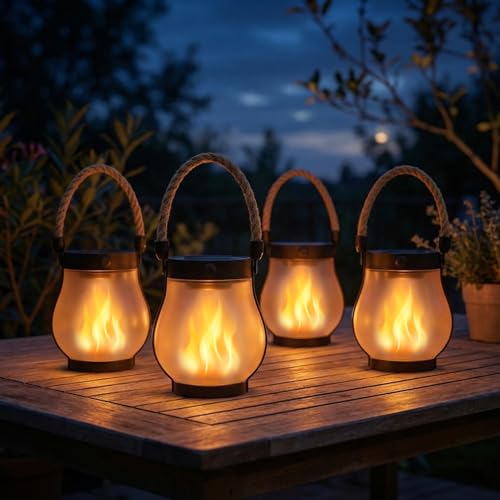
【4-PACK SOLAR LANTERNS OUTDOOR WATERPROOF】- These outdoor solar lanterns feature an IP65 water-resistant housing for patios, porches, gardens, and yards. The light-sensing design turns them on automatically at dusk and off after sunrise for convenient everyday outdoor use.
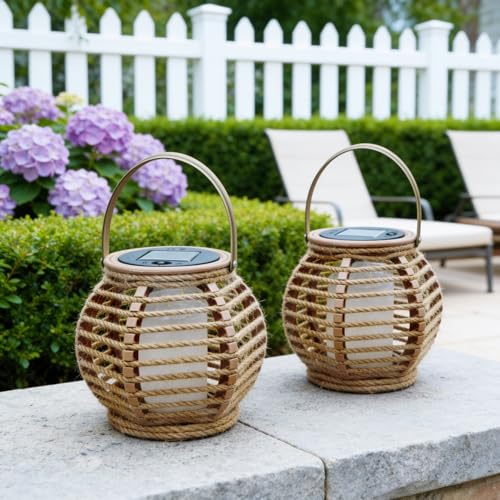
DIMENSIONS: Compact solar lantern measuring 6.1 x 6.1 x 5.5 inches with decorative rope design, perfect for outdoor spaces

Hanging Solar Lights for Outside: Our solar lanterns feature a modern classic design and premium materials. With handles and clips, you can hang, clip, carry, or place our solar lanterns anywhere you like. The protective casing effectively prevents insects from intruding
6. Convert Old Chairs Into Plant Holders
You’ll find that old patio chairs make surprisingly versatile plant vessels—transforming forgotten seating into living garden sculptures. Start by removing the seat entirely or securing chicken wire across the frame to create your planting base. Line this structure with coco fiber to retain moisture while enabling drainage. Fill with quality potting soil—typically 8-12 inches deep—chosen specifically for your plant selection. Trailing varieties like vinca vines and calibrachoa beautifully cascade over edges, concealing structural elements while creating lush visual impact. Consider drought-resistant succulents for effortless maintenance, or select herbs for functional gardens. Paint your chair frame in complementary hues that enhance your garden aesthetic. For best results, apply protective oils or sealants to the painted frame to enhance longevity and protect against weather exposure. Position plants where sunlight aligns with species requirements. Before painting, ensure the chair surface is properly prepared by sanding rough or peeling areas to help the paint adhere evenly and create a smooth, professional-looking finish. Water thoroughly after planting, then watch your chair transform into an eye-catching focal point.

Stable Support: This metal flower stand features a chair mold design and a steady structure that helps hold a flower pot in place for tabletop or floor display, making it a practical plant stand chair for home, office, balcony, garden, or shop use
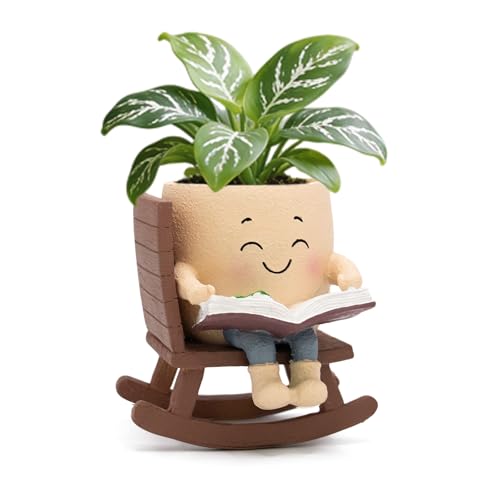
Unique Design with Reading Theme: This Reading Book Planter features a charming rocking chair design with an integrated book, creating a whimsical and artistic decor piece that adds a touch of literary charm to any space—ideal for book lovers and plant enthusiasts alike

Lovely Face Planter Pot: This cute head planter made of high quality resin, sturdy and durable, not afraid of rain or sun,will not crack or fade over time.The humanoid flowerpot holds a latte art cup with a double heart design, very creative and imaginative design,It will make you smile when you just wake up in the morning, make coffee, make breakfast, or whenever you see this smiling face flower pot.
7. Create Storage Solutions From Wooden Pallets
Wooden pallets transform into practical storage solutions that don’t sacrifice style for function. You’ll uncover versatile options for organizing your outdoor space efficiently.
Pallet tool storage units mount vertically against walls, letting you hang gardening tools, gloves, and hardware with strategically placed hooks and brackets. For broader storage needs, pallet shelving solutions stack horizontally to create multi-level units perfect for pool supplies, cleaning tools, or gardening equipment.
You can also construct storage benches with hinged lids, combining seating with concealed storage compartments. Sand and paint your projects to enhance weather resistance and visual appeal. Sanding for smooth surfaces prevents splinters and prepares the wood for protective finishes that extend the lifespan of your storage creations. For outdoor furniture that requires minimal maintenance, consider using composite deck boards instead of traditional wood, as they offer superior durability and weather resistance without the need for frequent refinishing.
Position these installations near your garden or patio for convenient access. Treat wood surfaces to prevent rot and UV damage, ensuring your repurposed pallets remain functional and attractive for years.
8. Turn Benches Into Outdoor Swings
When an old bench’s seating days are numbered, it’s the perfect candidate for vertical transformation into a suspended swing. You’ll strengthen structural integrity by installing 4-inch lag screws through leg supports and securing eye bolts into sturdy overhead beams. Sand edges smooth, apply polyurethane sealant, and finish with outdoor-grade paint for weather resistance.
Ensure swing safety by drilling pilot holes and countersinking fasteners flush with surfaces. Attach heavy-duty chains through eye bolts with secure knots, adjusting lengths so the seat clears ground while aligning with comfortable seating height. For overhead beam installation, consult local building codes and ensure proper joist spacing on center to safely support the swing’s weight and movement. Following the same principles used in deck railing installation, verify that all connection points meet current safety standards before allowing use.
Elevate aesthetics by weaving nylon webbing around the frame or adding waterproof cushions. This transformation creates an inviting focal point that transforms your patio into an elegant outdoor retreat while maximizing your furniture’s lifespan.
9. Build Custom Tabletops From Reclaimed Materials
Because salvaged deck wood carries distinctive grain patterns and weathered character that new lumber can’t replicate, it’s an ideal material for crafting bespoke tabletops. You’ll find that reclaimed timber from deconstructed decks offers tight grain characteristics and unique aesthetics that commercial lumber simply can’t match.
Start by salvaging non-pressure-treated pine 4x4s, which sand lighter and reveal beautiful surfaces. Pair your reclaimed timber with existing patio table frames—salvaged metal bases work perfectly as structural foundations. Apply epoxy resin surfaces for scratch and bacterial resistance, then finish with UV-protective coats to preserve the wood’s warm tones, similar to how proper weatherproofing techniques protect outdoor furniture during storage.
This sustainable design approach minimizes waste while creating one-of-a-kind pieces. Your custom tabletop won’t just function beautifully outdoors; it’ll tell a story through its salvaged origins, and when combined with versatile, multi-functional spaces, your repurposed furniture becomes part of a cohesive outdoor entertaining area.
10. Design Multi-Functional Pieces With Built-In Features
While custom tabletops showcase your patio’s aesthetic potential, you’ll reveal even greater functionality by designing multi-purpose pieces with integrated features that work harder than traditional furniture. Consider transforming an old ottoman into dual-purpose storage seating, or retrofitting a bench with hinged tops that conceal cushions and blankets. You can upgrade side tables with enclosed shelving for beverages and décor, creating compact solutions that eliminate clutter. Modular designs prove particularly valuable—extend dining surfaces for entertaining larger groups, then collapse them for everyday use. Stack chairs vertically to maximize space efficiency. To protect cushion interiors from deterioration, ensure your repurposed pieces feature water-resistant seams and zippers that prevent moisture seepage. Pairing these repurposed pieces with a versatile pergola creates an integrated outdoor living space that maximizes functionality and style. These thoughtfully designed pieces maximize your outdoor living without sacrificing style, proving that strategic repurposing delivers both aesthetic appeal and practical storage innovation.