How to Care for Your Wicker Patio Furniture Year-Round
You’ll extend your wicker furniture’s lifespan by establishing a consistent maintenance routine. Dust weekly with soft-bristle brushes, vacuum tight spaces, and deep clean monthly using mild detergent solutions. Address spills immediately by blotting from edges inward. Prevent mold by elevating furniture, ensuring proper ventilation, and applying annual sealants. Conduct seasonal inspections for loose weaves or structural damage. Position your pieces in shaded areas with weather-resistant covers. Uncover extensive strategies to keep your investment protected throughout every season.
Essential Dusting and Vacuuming Techniques
To maintain your wicker patio furniture‘s appearance and longevity, you’ll need to establish a consistent dusting routine. Dust weekly using soft-bristle brushes and microfiber cloths—essential dusting tools that remove surface debris without scratching. Feather dusters work well for quick cleanings, while cotton swabs access narrow crevices effectively.
Follow dusting with vacuuming using a brush attachment to eliminate dust from gaps and tight spaces. Handheld vacuums excel at detailed cleaning. Always vacuum before wet cleaning to prevent mud formation and mold growth.
Pay special attention to overlooked areas: underneath furniture, between woven strands, around joints, and near ground level where dirt accumulates. These wicker maintenance techniques prevent deeper cleaning needs and preserve your furniture’s finish. Time your cleaning for early morning or late afternoon to avoid streaking from direct sunlight.

Durable and versatile cloth perfect for your dusting needs around your home and office
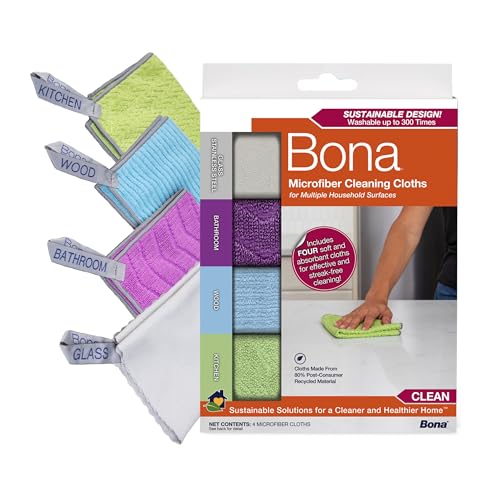
Four unique microfiber cloths for all the surfaces around your home

ULTRA SOFT MATERIAL & SCRATCH FREE - Ultra soft and highly absorbent microfiber cleaning cloths, great for cleaning windows, kitchenware, car or other delicate surfaces.
Deep Cleaning With Mild Detergent Solutions
While regular dusting and vacuuming maintain your wicker furniture’s surface, deep cleaning removes embedded grime and restores its appearance. For effective wicker care, prepare a mild detergent solution by mixing one tablespoon of mild laundry detergent per two cups of warm water. Dampen a soft sponge with this solution, wringing out excess liquid to prevent over-wetting. Gently wipe the entire surface, paying special attention to intricate weaves and crevices. For stubborn stains, dip a soft-bristled brush into your detergent solutions and lightly scrub affected areas without aggressive scrubbing.
Rinse thoroughly with clean water using medium pressure from a garden hose. Pat the furniture dry with a microfiber cloth, then allow it to air dry completely in indirect sunlight. To prevent mildew growth, ensure the furniture is fully air-dried before storing or covering. For embedded mildew in wicker weave patterns, a pressure washer with gentle pressure can effectively blast away trapped debris. Deep clean your wicker at least once or twice annually, depending on exposure and use.
Natural Cleaning Options Using Vinegar and Baking Soda
Because you’re seeking effective alternatives to commercial cleaners, white vinegar and baking soda offer powerful natural solutions for maintaining your wicker furniture. Vinegar acts as a natural disinfectant and fungicide, while baking soda lifts stubborn stains without damaging fibers.
For general cleaning, mix one part vinegar to four parts water. For tougher stains, combine equal parts vinegar and water. You can also create a potent eco-friendly cleaner by mixing half a cup of white vinegar with a quarter cup of baking soda per gallon of water—the foaming reaction boosts cleaning power considerably.
Apply your chosen solution with a soft cloth, let it sit for 15 minutes, then scrub gently. Rinse thoroughly with water and allow your furniture to dry completely in sunlight. For wicker furniture specifically, avoid using pressure washers as the high-pressure spray can damage the delicate fibers and weave of wicker materials.
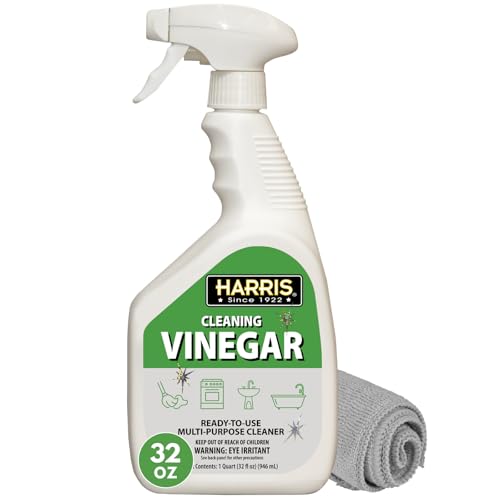
Pre-Mixed & Ready To Use: This effective & easy vinegar spray bottle powerfully cuts through grease & grime—no diluting required

Simple, clean ingredients that is safe for the whole household!

Designed for a wide range of everyday cleaning tasks, this all-purpose vinegar solution can be used on kitchen surfaces, bathroom areas, floors, and more.
Addressing Spills and Stains Immediately
The key to preventing permanent damage lies in your immediate response when spills occur on wicker furniture. Act quickly by blotting excess liquid with a clean, dry cloth—never rub, as this pushes moisture deeper into the weave. For spill containment, work from the outer edges toward the center to prevent spreading.
Once you’ve absorbed surface moisture, address stain remediation by mixing mild dish soap with warm water. Using a soft-bristled brush, gently scrub the stained area in circular motions, focusing on tight weave sections where liquid penetrates. Apply this solution directly to fresh stains for best removal. Always wear protective gear when working with cleaning solutions to protect your skin and eyes from irritation.
After cleaning, pat the furniture dry with a lint-free cloth, then position it in a well-ventilated area. You can use a fan to accelerate drying, but avoid direct sunlight to protect the wicker material. For stubborn stains that resist initial cleaning efforts, consider using a vinegar and water mixture as an alternative treatment solution.

VERSATILE WICKER CLEANER: Works on all types of wicker, including furniture, outdoor pieces, and plant baskets. Ideal as a wicker basket cleaner and cleaner for wicker furniture.

FUNCTIONAL UTILITY: Tailored seamlessly for homeowners interior stylists and vintage furniture collectors a portable easy-to-use cleaning solution that extends the lifespan and natural beauty of rattan pieces

Works on all types of wicker, Wicker Furniture, Outdoor wicker furniture, Wicker Plant Baskets, All other types of wicker, If it's wicker, it works!
Preventing Mold and Mildew Growth
Mold and mildew thrive in moist, stagnant environments—conditions you’ll want to eliminate through strategic placement and consistent airflow. Position your wicker furniture in well-ventilated areas away from trees and sprinklers where moisture collects. Elevate pieces using risers to reduce ground exposure, and inspect weekly for early signs of fungal growth.
Implement humidity control by removing cushions after each use and allowing furniture to dry completely in direct sunlight. Apply anti-mildew treatments to fabric and annual protective sealants to natural wicker for mold prevention. Use breathable, waterproof covers that prevent moisture accumulation—never non-breathable options that trap humidity.
Hose down furniture monthly, including undersides, and deep-clean before storage. Store cushions in dry, ventilated spaces to maintain protection against mold and mildew year-round.

Weatherproof Shield: Made from heavy-duty 420D Oxford fabric with a PU waterproof coating, these outdoor furniture covers waterproof help protect your patio furniture from rain, snow, and dust; Designed for reliable year-round outdoor protection with durable, easy-to-maintain fabric

【Suitable for a variety of patio chairs】 The bottom four corners of the Rimwig patio chair covers have a velcro strap that can be fixed to the feet of ordinary chairs. The side has a tightening buckle strap, and the bottom has a drawstring. Both the swivel chair and the rocking chair can be held in place, and the fit is not easy to fall off.
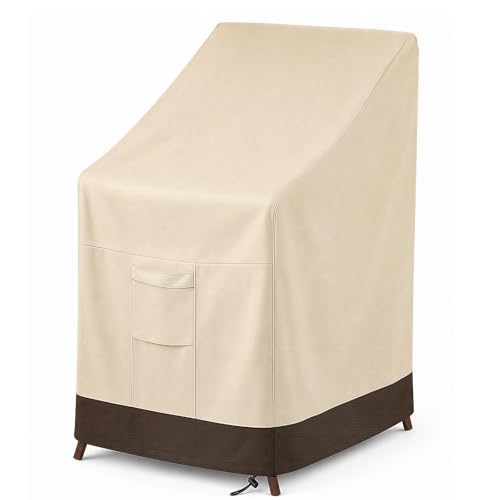
TRIPLE WATERPROOF PROTECTION: Vailge stackable outdoor chair covers waterproof are built with heavy-duty 600D Oxford fabric with a water-resistant coating and taped interior seams. Prevents water leakage through stitching during heavy rain, protecting your patio chair from moisture.
Cleaning Methods for Natural Versus Synthetic Wicker
While natural and synthetic wicker require fundamentally different cleaning approaches, you’ll find that understanding these distinctions prevents damage and extends your furniture’s lifespan.
For natural wicker, you’ll vacuum with a soft brush attachment, then apply a mild soap solution with minimal water contact. Wipe gently along the weave direction, rinse sparingly with a damp cloth, and air-dry completely in indirect sunlight. Avoid harsh chemicals and soaking.
Synthetic wicker tolerates more aggressive cleaning. You’ll remove debris similarly, but can scrub firmly with brushes and rinse thoroughly using a garden hose at low pressure. For stubborn stains, rubbing alcohol works effectively.
Your cleaning frequency depends on exposure and weather conditions. Protected furniture needs less maintenance than pieces enduring harsh elements. Regardless of wicker finishes, consistent care prevents deterioration and maintains appearance year-round.
Preparing Your Furniture for Seasonal Storage
As seasons change, you’ll want to prepare your wicker furniture for storage to protect it from deterioration and extend its lifespan. Start with thorough cleaning using a soft brush and mild soap solution, then allow pieces to dry completely in a well-ventilated area. These storage tips prevent mold and mildew growth during dormant months.
For winterization techniques, disassemble removable components like cushions and glass tops, storing them separately. Elevate furniture off the ground using pallets or glides, keeping items in dry indoor locations away from humidity-prone areas like basements. Use breathable, waterproof covers rather than plastic, which traps moisture.
Place heavier items on bottom when stacking, and label everything for easy identification when retrieval season arrives.
Regular Inspections and Touch-Up Repairs
To keep your wicker patio furniture in top condition, you’ll want to establish a regular inspection routine that catches problems before they become serious. Your inspection frequency depends on weather exposure—conduct seasonal or monthly checks for early wear detection.
During inspections, gently tug strands to identify loose weaves and look for cracks, fraying, or discoloration indicating structural issues. Clean surfaces with soft brushes and mild soap before evaluating damage. If you have natural wicker, be especially vigilant for moisture damage and mold growth, as these materials are particularly susceptible to outdoor conditions.
For repair techniques, apply clear adhesive to secure frayed fibers, then trim excess material carefully. Re-weave missing strands to match original patterns, and fill painted surface chips to prevent moisture infiltration. Tighten loose frame bolts to stabilize weave tension.
After repairs, apply UV protectant sprays and clear outdoor sealant to protect against peeling and environmental damage, then schedule follow-up inspections to confirm durability.
Maintaining Structural Integrity and Moving Parts
Beyond addressing surface-level wear, you’ll need to focus on the underlying framework that keeps your wicker furniture stable and functional. Conduct structural assessments every six months, inspecting for loose screws, bolts, and joints that compromise stability. Tighten all hardware promptly using appropriate tools.
Examine your frame and weave for cracks, splits, or warping, particularly after severe weather. Address visible damage immediately to prevent structural failure.
When moving furniture, lift rather than drag to avoid stressing joints and legs. Don’t exceed weight limits or use pieces as steps.
For repair techniques, fix minor breaks with adhesive or professional kits. Reinforce weak joints with additional brackets if needed. Replace worn fasteners to restore stability. For significant damage, consult professionals to ascertain safety and longevity.
Protecting Your Investment Through Strategic Placement and Covers
While structural maintenance keeps your wicker furniture sound, you’ll also need to shield it from environmental damage through deliberate positioning and protective barriers. Your furniture arrangement should prioritize shaded areas beneath umbrellas, awnings, or trees to minimize UV exposure and fading. Elevate pieces on furniture feet to prevent moisture absorption from damp ground, and position them in well-ventilated spaces to discourage mold growth.
For cover selection, invest in breathable, waterproof fabrics designed specifically for outdoor wicker. These materials block UV rays and rain while allowing moisture evaporation. Ascertain covers fit snugly, securing them against wind with ties or elastic hems. Clean covers regularly to prevent mildew buildup and maintain their protective effectiveness throughout the seasons. Maintaining consistent spray movement and proper application techniques ensures protective coatings adhere evenly to outdoor surfaces. Just as exterior paint or sealant protects repurposed indoor furniture in outdoor settings, quality covers provide your wicker pieces with essential weather resistance and longevity.