Is Wicker Good for Outdoor Furniture? Pros and Cons
Wicker’s suitability depends on your choice: synthetic wicker excels outdoors with 10-20 year durability, moisture resistance, and minimal maintenance, while natural wicker deteriorates in harsh conditions despite its warm aesthetic. You’ll appreciate synthetic’s UV protection and mold resistance, though natural wicker thrives indoors. Both styles offer design versatility and comfort. Mid-range synthetic options ($241–$949) provide excellent long-term value. Understanding which material aligns with your climate and maintenance capacity reveals whether wicker truly fits your outdoor vision.
Natural Wicker vs. Synthetic Wicker: Key Differences
When you’re shopping for outdoor furniture, you’ll encounter two distinct wicker categories that differ fundamentally in composition, origin, and performance. Natural wicker uses plant-based materials like rattan, cane, or bamboo harvested from renewable tropical sources. It boasts organic texture, visible grain, and warm aesthetics that age gracefully. However, you’ll need to protect it from moisture and maintain it regularly for longevity.
Synthetic wicker employs man-made resins, primarily HDPE, engineered to replicate natural aesthetics while offering superior durability. You’ll appreciate its uniform appearance, weather resistance, and minimal maintenance requirements. Synthetic wicker withstands outdoor elements year-round without peeling or fading. Synthetic rattan is specifically designed to resist UV rays, moisture, and humidity, ensuring longevity even in challenging environments. Though petroleum-based, it’s fully recyclable. To maximize the lifespan of natural wicker, applying protective sealants during seasonal maintenance helps prevent moisture damage and brittleness. Your choice depends on balancing authentic beauty and seasonal protection against convenience and year-round resilience.
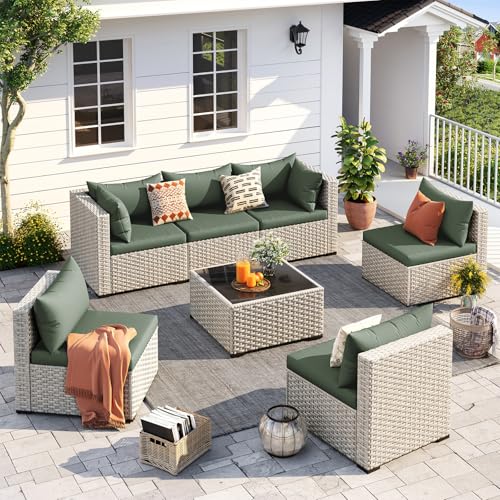
Durable Material: Outdoor patio furniture sets are made of PE rattan wicker with strong steel frame which is resistant to rust and corrosion. PE resin wicker rattan is UV resistant and waterproof

★[Durable & Long-Lasting] - Made from premium PE plastic, this rattan is weather-resistant, fade-proof, and built to withstand daily wear — ideal for indoor and outdoor use.
★[Durable & Long-Lasting] - Made from premium PE plastic, this rattan is weather-resistant, fade-proof, and built to withstand daily wear — ideal for indoor and outdoor use.
Durability and Lifespan of Outdoor Wicker Furniture
Because you’re investing in outdoor furniture, understanding how long your wicker pieces will actually last becomes essential to making a sound purchase decision. Synthetic wicker delivers superior longevity, typically lasting 10-20 years outdoors, while natural wicker deteriorates within 2-7 years due to moisture absorption and UV damage. Your material comparison matters greatly: synthetic options featuring high-density polyethylene with metal frames resist sagging, cracking, and fading far better than natural alternatives. Proper wicker care—including regular cleaning, protective covers, and seasonal storage—extends lifespan considerably. Low-quality synthetic materials warp within five years, so prioritize reputable manufacturers. Natural wicker indoors reaches 10-20 years, but outdoor exposure accelerates breakdown noticeably. Unlike wicker, resin furniture offers UV stabilization that prevents fading and resists cracking and peeling for exceptional durability in harsh outdoor conditions. Choose synthetic for lasting durability or accept natural wicker’s shorter lifespan.
QUICK DRY PERFORMANCE FABRIC: Lightweight moisture-wicking fabric pulls sweat away from your skin to help keep you cool, dry, and comfortable through workouts, runs, hikes, sports, or long days on the job. Soft stretch fabric moves naturally without feeling restrictive.

HIGH QUALITY FABRIC: This men's work polo shirt is made of 95% polyester and 5% spandex. The fabric is soft, lightweight and breathable, keep you comfortable all day

HIGH QUALITY FABRIC: This men's work polo shirt is made of 95% polyester and 5% spandex. The fabric is soft, lightweight and breathable, keep you comfortable all day
Weather Resistance: How Wicker Holds Up to the Elements
While longevity depends heavily on material quality and maintenance, your wicker’s real-world performance ultimately hinges on how well it resists the environmental forces it’ll face outdoors. Synthetic wicker excels here, engineered from polyethylene or HDPE to resist moisture absorption and prevent swelling or warping. Quality pieces incorporate UV inhibitors that combat UV degradation, maintaining vibrant color and structural integrity through prolonged sun exposure. Your all-weather wicker furniture, featuring powder-coated aluminum frames, withstands temperature fluctuations, humidity, and wind without cracking or corroding. Natural rattan, conversely, softens and rots when exposed to moisture, fades under intense sunlight, and becomes brittle in temperature extremes. To preserve natural rattan outdoors, protect it with covers and conduct regular inspections to catch mold or damage early. When properly selected, quality weatherproof materials combined with proper care can enable outdoor furniture to last decades with minimal upkeep. Mold and mildew remain rare on synthetic surfaces due to their non-porous composition, while secure weaving prevents unraveling in high-wind conditions.

★[COLOR]: This wicker replacemenet material is not monochromatic but gradiant dark brown with mixed color stripes. ''Gradiant dark brown'' means this wicker's color is not consistant in only one brown color but mixed with cappuccino brown and espresso brown, and these two brown colors gradually transitions along with the wicker strand.
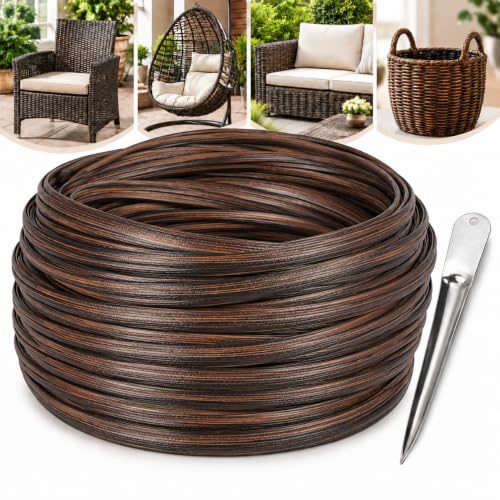
【Complete Kit for Easy Repairs】Restore worn woven furniture with a practical wicker repair kit containing one 20M roll of coffee brown repair strip and a rattan weaving tool. Everything is conveniently combined for replacing broken sections, refreshing damaged areas and completing everyday furniture restoration projects.
★[COLOR]: This wicker replacemenet material is not monochromatic but gradiant dark brown with mixed color stripes. ''Gradiant dark brown'' means this wicker's color is not consistant in only one brown color but mixed with cappuccino brown and espresso brown, and these two brown colors gradually transitions along with the wicker strand.
Maintenance Requirements for Outdoor Wicker
Keeping your wicker furniture pristine requires consistent yet straightforward care. Your cleaning techniques should include regular dusting with soft bristle brushes and vacuuming crevices with gentle attachments. For stubborn grime, you’ll apply mild soap and water solutions, then rinse thoroughly. Synthetic wicker tolerates hosing down due to its water-resistant properties.
Protective measures are equally essential. You’ll shield furniture with waterproof covers when not in use and elevate pieces with risers to prevent ground moisture contact. Overhead shelters provide defense against constant sun and rain exposure. During harsh winters, store furniture indoors to avoid snow and ice damage.
Regular inspections reveal wear, loose strands, mold, or fading. Address these issues immediately to prevent deterioration. For mold and mildew problems, a vinegar and water mixture or baking soda paste can effectively treat affected areas before thorough rinsing. Proper air circulation and immediate spill cleanup minimize moisture buildup. Apply protective sealants seasonally to maintain your wicker’s longevity and appearance.
Cost-Benefit Analysis of Wicker Furniture Options
Understanding the true value of wicker furniture requires examining both upfront costs and long-term expenses. You’ll find budget options ranging from $144–$229, but these sacrifice durability and aesthetics. Mid-range wicker construction from brands like LAUSAINT HOME ($249.99) and Better Homes & Gardens ($97–$399) delivers superior value through balanced quality and affordability.
Your price comparison should factor in maintenance demands. Synthetic PE wicker resists moisture, UV exposure, and cracking better than natural alternatives, reducing replacement frequency. While premium sets exceed $10,000, you don’t need luxury pricing for reliable performance. The $241–$949 mid-tier range offers excellent long-term cost-effectiveness, as reduced maintenance and extended lifespan offset initial investment compared to cheaper PVC alternatives that deteriorate quickly. Consider complementing your outdoor furniture with natural elements like eucalyptus leaves and strategic landscaping to enhance the overall aesthetic appeal of your patio or pergola space.

Include: You'll receive a rattan furniture fix kit measuring 0.3 feet wide and 459 feet long, including a set practical ripping tool. Repairing furniture requires ample materials, and we've provided a length sufficient to meet your favorite furniture repair needs, easily accommodating a variety of repair scenarios and ensuring long-lasting use. The included ripping tool makes repairs convenient and saves you the hassle of purchasing additional supplies

Color: Straw Yellow; Weight: 0.55 LB; Width: 9.5mm / 0.4 inch; Overall Length: 30m / 98ft; Package Content: 1 x Wicker Repair Kit

Premium Material Stylish & Durable for Outdoor Use:This Patio Furniture Sets and Wicker Rattan Outdoor Furniture Patio Conversation Set is made of high-quality PE rattan wicker and heavy-duty steel frame. The all-weather synthetic resin resists sun, rain and humidity, while this All-Weather PE Rattan Outdoor Couch is lightweight yet sturdy. Breathable cushions offer optimal comfort for backyard, garden and poolside relaxation.
Design Flexibility and Aesthetic Advantages
Wicker furniture delivers remarkable design flexibility, accommodating everything from traditional elegance to contemporary minimalism through diverse weaving patterns, color palettes, and structural forms. You’ll find herringbone, diamond, and basketweave options that create distinct visual effects, while synthetic variants replicate natural fibers with greater uniformity.
Your style combinations expand when you integrate wicker with metal, glass, or wood, enhancing visual interest and texture contrast. Pattern exploration becomes practical through adjustable weave tightness, producing surfaces ranging from smooth to highly textured.
The material’s lightweight nature enables effortless rearrangement across patios, decks, and poolside areas. You can update pieces seasonally with new cushions and covers, maintaining design relevance. Unlike traditional vinyl straps or sling fabric replacements, wicker offers superior aesthetic versatility while maintaining comparable durability in outdoor environments. To preserve wicker’s appearance through colder months, use breathable fabric covers designed specifically to prevent moisture damage and mold growth.
Wicker’s adaptability guarantees cohesive themes across outdoor zones, whether you’re creating rustic or upscale environments. This versatility makes it a strategically sound choice for evolving aesthetic preferences.