Building Outdoor Furniture With Cedar: a Complete Guide
You’ll find cedar ideal for outdoor furniture thanks to its natural oils and tannins that resist decay, moisture, and insects. You’ll need exterior-grade pocket hole screws, a miter saw, and quality wood sealer for assembly and finishing. You’ll master precise cutting, hidden dowel joinery, and proper fastener selection using stainless steel hardware. You’ll apply finishes to all six sides, then maintain your pieces with breathable stains every 2–3 years. The specifics of each technique—from joint selection to seasonal inspections—deserve deeper exploration.
Why Cedar Is Ideal for Outdoor Furniture
Cedar’s natural durability stems from compounds inherent to the wood itself—specifically oils and tannins that actively resist decay, moisture damage, and insect infestation without requiring chemical treatments. You’ll find cedar performs exceptionally well in high-moisture environments, maintaining structural integrity through seasonal temperature and humidity fluctuations. Its dimensional stability prevents warping and cracking, ensuring your furniture retains its shape over years of use.
Beyond natural resistance, cedar delivers significant aesthetic appeal. You’ll appreciate the warm reddish-brown to golden hues and distinctive grain patterns that add character to your outdoor space. The wood ages gracefully, developing an attractive silver-gray patina if left unfinished. Cedar’s low maintenance requirements further enhance its value—you’ll only need occasional protective treatments every couple years, with simple damp cloth cleaning maintaining its appearance and ensuring long-term durability. However, cedar’s relative softness with a Janka hardness rating of only 350 means it is susceptible to dents and scratches in high-traffic areas. In humid or tropical climates, cedar’s superior moisture absorption traits make it particularly well-suited compared to other outdoor wood options.
Essential Materials and Tools Required
Before you start building your cedar furniture, you’ll need to gather the right materials and tools to guarantee strong joints, clean cuts, and a long-lasting finish. Select your lumber grades based on budget and aesthetics—knotty cedar costs less with rustic appeal, while clear grades offer smoother surfaces at higher prices. Standard sizes like 2×4, 2×6, and 5/4×6 work well for most projects.
Your assembly tools should include a table saw or circular saw for cutting, a miter saw for angled cuts, and a drill-driver for fastening. A pocket hole jig creates hidden, reinforced joints, while an orbital sander smooths surfaces before finishing.
Stock exterior-grade pocket hole screws (2-1/2″), deck screws in multiple lengths, waterproof wood glue, and oak dowels for joinery. Finally, invest in quality wood sealer and spar urethane to protect your finished pieces from moisture and UV damage. Like covered pergolas that provide enhanced shade and rain protection, a durable finish ensures your cedar furniture withstands outdoor weather conditions for years to come.

100 Count Pack: Includes 100 Blue-Kote pocket-hole screws for woodworking, cabinetry, and furniture assembly projects

【Various Size Options】: LIONMAX Pocket Hole Screws Assortment Kit 450PCS for Exterior is available in 5 sizes, which are #8 x 1"--60PCS, #8 x 1-1/4"--210PCS, #8 x 1-1/2"--40PCS, #8 x 2"--40PCS, #8 x 2-1/2"--100PCS, designed for various wooden builds.
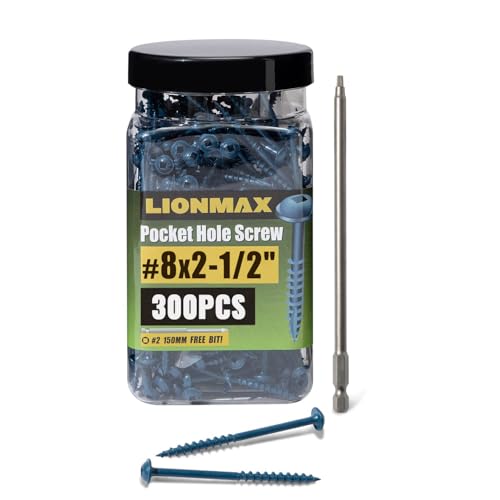
【Blue Finish Coating】: Pocket hole screws coated with blue anti-corrosion layers, show better performance in rust and corrosion than regular pocket screws, and will keep your wood working builds under the outdoor for years.
Step-by-Step Construction Process
With your materials gathered and workspace organized, you’re ready to transform raw cedar lumber into finished furniture components. Begin by employing precise cutting techniques with a miter saw or track saw, marking angles with an angle gauge for tapered legs and base cuts. Master multiple joint types—hidden dowel joinery delivers clean aesthetics, while miter joints require self-centering dowel jigs for accuracy. Use waterproof epoxy to secure dowels permanently.
Next, assemble your seat base by spacing slats evenly with supports positioned 24 inches apart, then every 12 inches thereafter. Pre-drill and countersink all holes to prevent splitting, using 2.5-inch deck screws for secure fastening. Attach cleats inside legs for slat support. Finally, join your backrest and armrests using butt joints, applying clamps throughout assembly to guarantee tight, stable connections. For outdoor furniture that will bear weight, ensure your support structure distributes loads evenly using pressure-treated or naturally durable lumber to prevent structural failure and maintain long-term durability. After construction is complete, apply protective coatings to shield your cedar furniture from sunlight, moisture, and mildew damage.
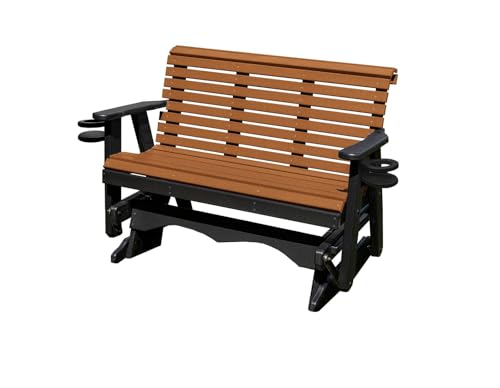
1000 LB CAPACITY — BUILT LIKE A TANK - Engineered to support up to 1000 lbs with reinforced anti-sag metal plates and structural bracing. Zero wobble. Zero flex. Designed for real family use, not decorative display. CUPHOLDERS included.

Weatherproof & long lasting outdoor furniture pads – These outdoor furniture sliders floor protectors feature a UV stabilized clear sleeve with long lasting premium marine grade berber to withstand the outdoor elements and provide lasting deck / patio floor protection. Great furniture socks for both indoor and outdoor furniture.

WIDE APPLICATION: Anti-slip chair glides for tile floors or wooden flooring preventing them from marring and scratches. Reduces friction, vibration & noise while moving furniture.
Assembly Techniques and Best Practices
Now that you’ve cut and prepared your cedar components, proper assembly methods will determine whether your furniture withstands years of outdoor exposure or fails prematurely.
Select robust joint types like pocket holes or domino joinery paired with waterproof wood glue for hidden, durable connections. Pre-drill all screw holes to prevent splitting cedar’s soft fibers, then use stainless steel fasteners rated for outdoor conditions.
Your clamping methods must balance firmness with gentleness—avoid overtightening, which indents cedar. Employ spacer blocks and jigs to achieve precise angles while checking squareness before final fastening. Just as deck railings require proper fastener selection to ensure structural integrity, your cedar furniture joints depend on appropriate hardware choices for long-term durability.
Reinforce critical stress points by combining glue and screws. Integrate cedar cleats and stretchers to distribute loads and enhance stability. Use alignment techniques throughout assembly, maintaining temporary supports until adhesives cure completely. For maximum durability, consider incorporating mortise and tenon joints at key connection points where your furniture experiences the greatest structural demands.

Package Includes: You will get 210pcs wood screws assortment kit includes 6 sizes, 50pcs #6 x 1/2", 45pcs #6 x 3/4", 50pcs #6 x 1", 40pcs #6 x 1-1/4", 15pcs #8 x 1-1/2", 10pcs #8 x 2". These Phillips drive wood screws can meet all your needs for small wood work around the house.

30% FASTER INSTALLATION TIME vs. COMPETITION: Complete your project faster

LONG-LASTING CORROSION RESISTANCE: Made from 304 (18-8) stainless steel, our wood screws help resist rust for dependable indoor use and demanding outdoor applications.
Finishing and Protection Methods
Protecting your cedar furniture requires choosing between two fundamentally different approaches: penetrating oil finishes that enhance the wood’s natural character, or film-forming barriers that create a hard protective shell.
Penetrating oil finishes soak deep into wood grain, preserving visibility of the natural wood beauty while requiring reapplication every 1-3 years. They allow you to refinish without completely removing previous coats. Film-forming barriers create a glossy or matte protective layer shielding against moisture, UV rays, and environmental damage. However, they demand complete stripping for maintenance and need approximately one week of curing before water exposure.
Clear finish applications maintain cedar’s appearance while providing elemental protection, though they reveal every surface imperfection. For additional outdoor protection beyond furniture, consider no-damage solutions like adhesive clips or command hooks to add decorative elements without compromising your cedar pieces. Prepare smooth-planed cedar with 50-60 grit sandpaper scuffing; textured cedar doesn’t require preparation. Similar to deck finishes, applying thin, even coats along the wood grain and back-brushing to work the finish into the wood ensures optimal penetration and durability. Apply finish to all six sides when possible for consistent protection.
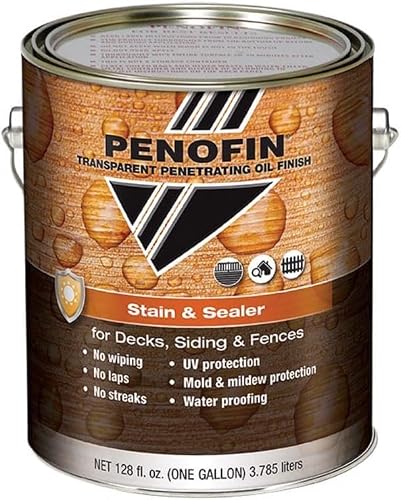
Oil based stain Low odor Can ship to all states Cedar color 1 gallon

Restor-A-Finish is a unique finish-penetrating formula that restores wood finishes while blending out minor scratches, blemishes and abrasions

ENHANCES THE BEAUTY OF THE WOOD: Teak Oil restores the beauty of grey, old and weathered teak furniture to give a golden-brown natural finish.
Project Design and Customization Options
Once you’ve selected your finish and protected your cedar investment, you’ll want to focus on designing furniture that combines structural integrity with personal aesthetic preferences. Your design inspiration can draw from traditional straight lines, contemporary geometric shapes, or slatted designs that suit your outdoor space.
Plan dimensions carefully using standard cedar lumber sizes—2×4, 2×6, and 4×4—to guarantee durability and workability. Consider furniture adaptability by incorporating multifunctional pieces like tables with integrated storage or shelves. Modular arrangements allow you to customize seating configurations for personalized layouts.
Experiment with ergonomic details: seat heights, armrest widths, and tapered profiles enhance both comfort and style. Match grain and color across assembled pieces for visual continuity. Utilize pocket holes and dowels for refined joinery that strengthens your design without visible fasteners.
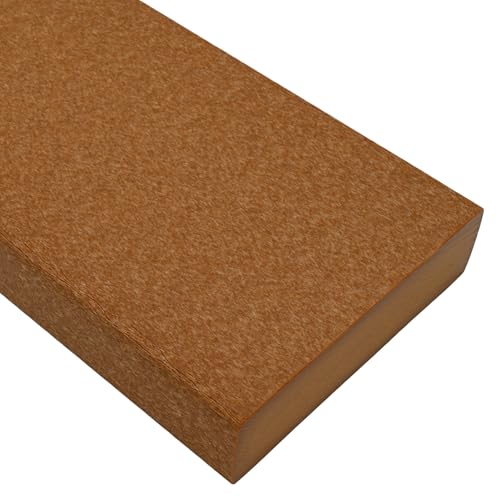
NOTICE: The 2×4 profile is 1.5" thick and 3.5" wide. The length includes a ±0.125" tolerance.

NOTICE: The 2×4 profile is 1.5" thick and 3.5" wide. The length includes a ±0.125" tolerance.

Maintenance and Long-Term Care
Your carefully designed cedar furniture will maintain its beauty and structural integrity only through consistent upkeep that addresses the wood’s natural vulnerabilities to moisture, UV exposure, and weathering. Implement preventive measures by applying breathable stains every 2–3 years to protect against UV damage and moisture infiltration without trapping water. Inspect fasteners seasonally, tightening screws and bolts to maintain structural integrity while ensuring you use corrosion-resistant hardware. Position furniture where it’ll dry thoroughly after rain, and cover it during extreme weather using waterproof, UV-resistant tarps secured tightly to prevent damage from wind and moisture buildup. Clean corners and crevices thoroughly to prevent grime and moisture accumulation. For additional protection, consider applying a clear outdoor sealant after staining to provide an extra barrier against peeling and environmental damage. For longevity strategies, store furniture indoors during winter and dry metal hardware after cleaning to prevent rust. These disciplined maintenance practices greatly extend your cedar furniture’s lifespan.
Common Mistakes to Avoid
Even with quality cedar and proper maintenance, many builders undermine their projects through preventable mistakes during assembly, material selection, and finishing.
Fastening errors commonly compromise structural integrity. You’ll weaken joints by using screws that don’t penetrate sufficiently into lower blocks—upgrade to longer fasteners as needed. Avoid directly screwing tabletops to bases; instead, use figure-8 fasteners that accommodate wood expansion and prevent splitting.
Wood selection greatly impacts durability. You must choose cedar specifically for its natural rot resistance**, rejecting pressure-treated alternatives that introduce toxicity and excess weight. Unlike woods with only moderate decay resistance that require frequent refinishing, cedar’s inherent properties make it far superior for outdoor applications. Pair cedar with stainless steel** or coated fasteners, which resist rust unlike zinc-coated options.
Inadequate surface preparation undermines finishing. Sand cedar thoroughly, round edges, and remove all dust before applying stain. For maximum durability, apply oil-based stains that provide superior protection compared to water-based alternatives. Leave proper spacing between boards for expansion, and never skip sealant application or curing time between coats.