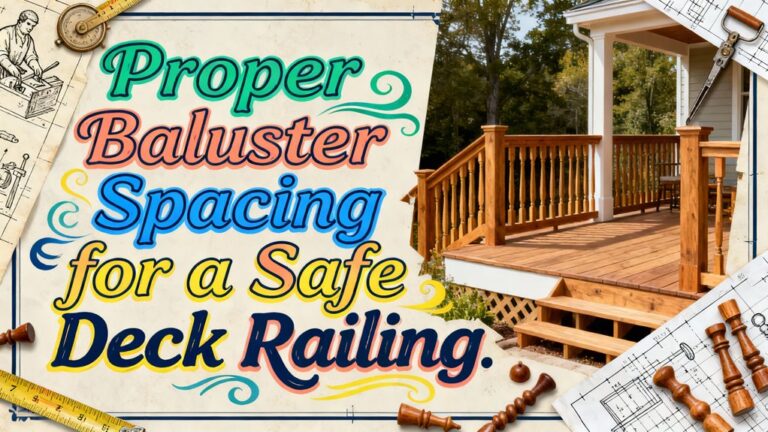
The Ultimate Guide to Ledger Board Sizing for Your Deck
You’ll need a minimum 2-inch by 8-inch pressure-treated ledger board matching your deck joist depth. Space ½-inch bolts or lag screws 16 inches on-center in two staggered rows for proper load distribution. Implement triple moisture protection using house wrap, back flashing, and Z-flashing to prevent costly structural failure. Size your ledger based on tributary area calculations using a minimum 50 psf design load. Verify local building code compliance and consider consulting a structural engineer for non-standard attachments. Understanding these specifications will reveal critical details for your deck’s safety.
Understanding Minimum Ledger Board Dimensions
Building codes establish strict minimum requirements for ledger board sizing to confirm your deck’s structural integrity and safety. You’ll need a minimum nominal size of 2-inch by 8-inch (51 mm by 203 mm) per IRC and most state codes. The ledger board’s depth must equal or exceed your deck joists’ depth, but you can’t exceed the rim joist or band board width. When determining ledger lengths, remember that pressure-preservative-treated, No. 2 grade lumber is mandatory. These specifications directly support the ledger board’s purposes: distributing your deck’s weight to the house structure and preventing structural failure. Proper fastening with bolts or lag screws spaced according to building code requirements ensures the ledger board remains securely attached to your house rim joist. Meeting these minimum dimensions confirms your deck can safely support intended loads while complying with applicable building codes. The ledger board works in conjunction with other framing components, and your overall deck framing should follow guidelines regarding joist spacing and sizing to ensure proper load distribution throughout the structure.
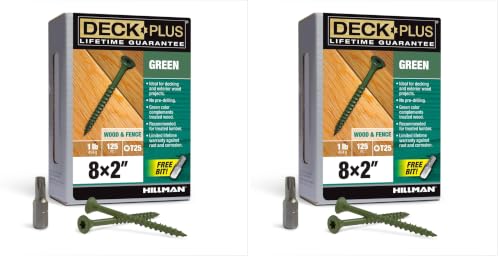

- Complete 100-Piece #8 x 2 Inch Deck Screws Set - Includes 100pcs carbon steel deck screws and a matching T25 Torx Drive Bit, ready for immediate installation without extra tools. Perfect for medium-duty outdoor projects like decking, fencing, and outdoor furniture assembly, saving you time and effort.

Built for Outdoor Excellence: You will get 5lb box (approx. 614pcs screws) #8 x 2" Bronze deck wood screws with T25 star bit,Tested to withstand over 2000 hours of salt spray exposure,feature a specialized external Bronze corrosion-resistant coating,withstand harsh weather conditions without breaking down.
Selecting the Right Material for Your Ledger Board
Once you’ve confirmed your ledger board meets the minimum dimensional requirements, you’ll need to select a material that can withstand the structural demands and environmental exposure your deck will face. Pressure-treated wood remains the most common choice, offering proven material durability against moisture and insect damage. For superior dimensional stability, consider engineered woods like LVL or LSL, which resist warping and provide increased strength. Composite boards excel in highly moisture-prone environments due to their rot resistance and minimal maintenance needs. With proper maintenance and installation, pressure-treated ledger boards can last 15-30 years or longer, making them a reliable long-term investment for your deck structure. Regardless of material selection, you must install proper flashing and use corrosion-resistant fasteners to protect against water infiltration, similar to the fastening systems employed in modern deck board installation. Always verify that your chosen material meets local building codes—most jurisdictions mandate pressure-preservative-treated wood rated No. 2 or better for ledger board applications.
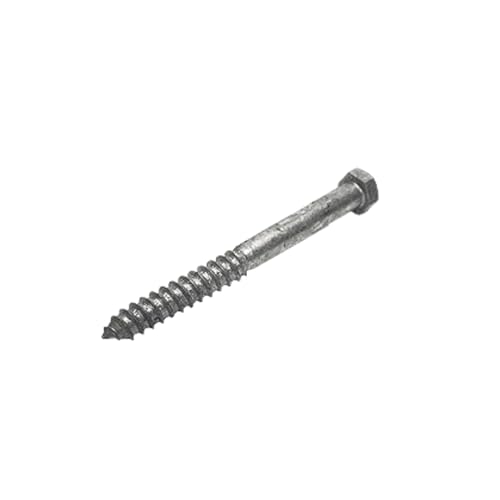
1/2" x 6" SIZE FOR HEAVY-DUTY FASTENING 1/2 inch diameter and 6 inch length designed for strong wood-to-wood structural connections where high strength is required without deep embedment.

Package Included: this package included 10 pack of deck spacers; These deck spacers feature a 2-inch diameter and ½-inch thickness, providing a larger support surface compared to standard washers; Offering lightweight yet strong reinforcement for deck joists, stair stringers, and other structural applications
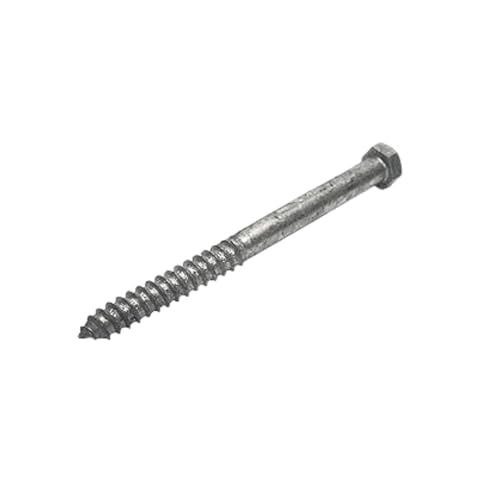
1/2" x 8" SIZE FOR STRUCTURAL WOOD FASTENING 1/2 inch diameter and 8 inch length designed for strong wood-to-wood connections where structural strength is required without excessive embedment depth.
Fastening Patterns and Bolt Spacing Requirements
Proper fastening patterns and bolt spacing are critical to your deck’s structural performance and long-term safety. You’ll need ½-inch diameter bolts or lag screws spaced according to your joist length—typically 16 inches on-center for joists up to 12 feet. Arrange fasteners in two staggered rows vertically, maintaining minimum 1⅝-inch spacing between rows and at least 5 inches within rows. Position all fasteners no closer than 2 inches from the ledger edge, with end fasteners within 5 inches of board ends. Use hot-dip-galvanized or corrosion-resistant fastener types to resist weathering. Specialized ledger screws eliminate pre-drilling requirements and feature integrated washers, streamlining installation while ensuring proper load distribution and structural integrity throughout your deck connection.

SPECS - Corrosion Resistant Wood Construction Screws | Diameter: .275" | Length: 5" | Driver Bit: T30 Star Drive (Included) |Head Type: Flat Heat Screw | Thread Length: 3 1/2" | Material: Carbon Steel

PRECISE 3/8" x 6" SIZE FOR STRUCTURAL FASTENING 3/8 inch diameter and 6 inch length ideal for wood-to-wood structural connections where strong holding power is required without excessive embedment depth.

Matching Ledger Board Depth to Your Deck Joists
To guarantee your deck’s structural integrity, your ledger board depth must match or exceed your joist depth—this creates the full bearing surface and attachment points you’ll need for secure joist connections. When your ledger board depth falls short of your joist depth, you’ll compromise connection strength and risk deck failure.
Your ledger board alignment directly affects how effectively various joist hanger types perform. Deeper ledger boards support stronger joist hanger attachment, requiring a minimum of 60% ledger board depth for ideal hanger performance. Rim joists and ledger boards should mirror your deck joist width to maintain frame stability and prevent lateral movement. This proper sizing transfers deck loads efficiently to your home’s primary structure, ensuring safe load distribution across the entire assembly.

Made from 18 gauge galvanized steel to increase rust and corrosion resistance, creating a stronger, long-lasting joist-to-header connection
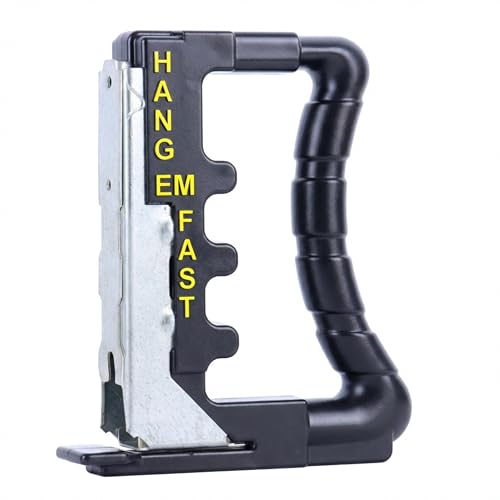
Professional Design: Specialized joist hanger tool engineered for precise installation of 2x4 joist hangers, 2x6 joist hangers, and 2x8 joist hangers; Compatible with standard joist hanger nailers for efficient deck building

Fits true 2 in x 6 in rough lumber
Preventing Moisture Damage and Structural Failure
While matching your ledger board depth to your deck joists creates the structural foundation you need, that foundation won’t last without proper moisture protection. You’ll need triple protection: house wrap, back flashing, and Z-flashing that overlaps to direct water away from your house. Install self-adhering butyl-based flashing tape compatible with pressure-treated lumber, and seal all fastener penetrations and gaps with appropriate materials. Consider using teak wood or other naturally rot-resistant materials for ledger boards in high-moisture environments, as their inherent resistance to decay reduces long-term structural vulnerability. Establish inspection routines at least annually, checking for discoloration, mold, or soft spots indicating rot. Address any cracks or damaged boards immediately. Moisture barriers—including proper house wrap beneath the ledger—prevent water from reaching your framing. Incorporating layering textures with weather-resistant fabrics in your outdoor design can complement your protected deck structure while maintaining durability. Without these safeguards, you’ll risk costly structural damage, potential deck collapse, and water infiltration into your home.
Load Capacity and Stability Considerations
Because your ledger board transfers all deck loads directly to your house framing, you’ll need to size it based on both the weight it must support and the forces acting against it. You’ll perform load calculations by multiplying your deck’s tributary area by the design load—typically 50 psf minimum, though snow loads or hot tubs can demand 100 psf or more.
Your ledger must resist horizontal forces of at least 1,500 pounds at joist ends for lateral stability. You’ll achieve this through proper fastening: ½-inch bolts or lag screws spaced 15 inches on center, installed in staggered patterns with washers. Larger ledger sizes—2″x10″ or 2″x12″—support greater loads than minimum 2″x8″ boards. You’ll guarantee the ledger width matches or exceeds your joist dimensions for effective load transfer and structural integrity. Similar to how pergola footings must account for soil conditions and environmental factors, your ledger board installation should consider local building codes that may impose specific requirements based on your region’s climate and frost conditions. Just as guardrails must resist concentrated force to ensure deck safety, your ledger board fastening must be designed to withstand the structural demands placed upon it.
Attachment Methods: Bolts, Screws, and Connectors
Once you’ve determined your ledger board size, you’ll need to select fastening methods that’ll reliably transfer loads to your house framing without risk of withdrawal or failure. Your fastener selection fundamentally impacts deck safety and longevity.
Half-inch diameter bolts remain the gold standard for ledger attachment. Install them through pilot holes in staggered rows, ensuring full thread engagement and superior load distribution. Hot-dip galvanized hex-head machine bolts provide corrosion resistance critical for exterior applications.
Alternatively, lag screws or high-strength structural screws offer viable attachment techniques when properly sized and spaced per code requirements. Both demand pre-drilling and adequate penetration beyond the rim joist. While screws provide superior tensile strength for preventing board movement and warping over time, bolts remain the preferred primary fastener for ledger connections due to their exceptional load-bearing capacity.
Consider specialized connectors and flashing brackets alongside your primary fasteners. These elements create moisture barriers essential for preventing rot and extending your ledger’s structural life considerably. Testing fastener compatibility on hidden areas before full installation helps ensure long-term performance and prevents potential issues from material incompatibility.

Application: Designed for heavy-duty construction projects requiring a strong, corrosion-resistant fastener for wood, concrete, or masonry.

25 pcs 1/2" x 5" carriage bolts and 25 pcs USS flat washers and nuts

HEAVY DUTY SIZE AND THREAD: 1/2-13 x 3-1/2 in galvanized hex bolt offers optimal strength and compatibility for various construction applications
Navigating Local Building Codes and Regulations
Building codes establish the minimum standards you’ll need to meet for ledger board installation, and they’re not optional—they’re legally binding requirements that directly impact your deck’s safety and your home’s structural integrity. You must verify your local jurisdiction’s ledger board regulations before beginning construction, as they dictate material specifications, fastener requirements, and attachment methods.
Compliance inspections guarantee your installation meets IRC standards and local amendments. Inspectors verify that you’ve used pressure-treated lumber graded No. 2 or better, installed fasteners correctly in staggered rows, and applied proper flashing to prevent water intrusion. You’ll likely face reinspection if deficiencies exist. Railing systems must also meet safety load requirements and be tested and certified to comply with applicable building codes.
Contact your building department early—requirements vary considerably by location, and some jurisdictions demand engineered drawings for complex designs. Your deck must also include guardrails at least 36 inches tall if elevated more than 30 inches above adjacent grade, as specified in Ohio Building Code standards. Securing permits and passing inspections protects your investment and maintains your home’s insurability.
When to Consult a Structural Engineer
While standard deck construction often follows prescriptive code guidelines, you’ll need a structural engineer’s expertise when your installation deviates from typical residential practices. Consult an engineer when attaching ledgers to masonry, stone veneer, or engineered wood products, since these applications require specialized design criteria. You’ll also want engineering assessment for decks carrying unusual loads—heavy hot tubs, large gatherings, or commercial occupancy. If your ledger span exceeds prescriptive limits or your band joist’s condition remains unverified, an engineer prevents structural failure by calculating proper sizing, fasteners, and connections. Additionally, difficult site conditions like uneven elevations, complex wall configurations, or moisture protection concerns warrant professional evaluation to guarantee durability and safety. Just as building codes establish requirements for other outdoor structures, your deck design must comply with local regulations that may necessitate engineer involvement. Before engaging a structural engineer, ensure your deck has been thoroughly assessed for underlying frame hazards including broken lumber, electrical lines, and other potential safety issues that may affect the design requirements.