How to Attach a Ledger Board for Your Dream Pergola
You’ll secure your ledger board horizontally to your home’s outer wall using pressure-treated 2×8 lumber positioned below the soffit. Install lag screws or code-approved SDS screws spaced 16 inches apart, staggering them vertically for maximum strength. Pre-drill pilot holes, place outermost fasteners 2 inches from ends, then perform shake testing to confirm structural integrity. Proper fastening guarantees your pergola supports its intended load safely. The following sections reveal the complete installation process.
Planning and Preparation for Your Pergola Installation
Before you install a pergola, you’ll need to assess your site thoroughly to guarantee a stable, compliant structure. Start with an extensive site assessment of your installation area. Verify that the ground is level and structurally sound. Contact your local building department to understand permit requirements, particularly for attached structures or larger installations. Depending on your pergola’s size and features, you may need a zoning permit for smaller structures or a full construction permit for larger ones.
Conduct utility checks before any digging begins. Locate underground lines—electrical, gas, water, and sewage—to prevent costly damage and safety hazards. Request a utility locating service if you’re uncertain about line positions.
Document your local climate conditions and frost depth requirements, as these directly impact post hole depth and structural durability. Review weather patterns and wind ratings for your region. In regions prone to extreme weather such as hurricane zones or snowy areas, serious engineering and consultation with a professional engineer may be required to ensure your pergola can withstand environmental stresses. Finally, inspect existing patios or concrete slabs for soundness before proceeding with installation planning.
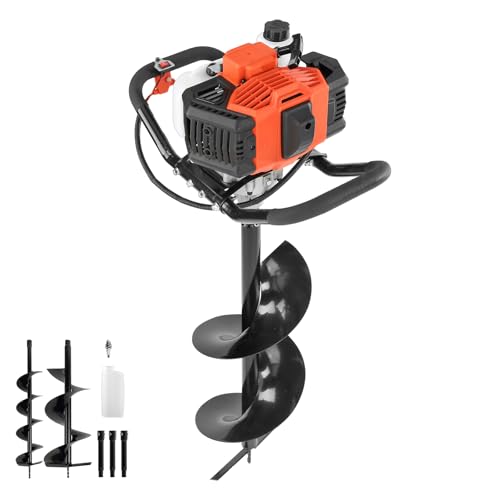
High-Performance Power: This post hole digger uses a 52 cc engine with speeds up to 9350 rpm. A gearbox with ball-bearing shafts and alloy gears adapts to sandy soil, wooded ground, and farmland. Use a 1:40 oil-to-gasoline mixing ratio, measure it with oil can

Set of 3 Bulb Planting Auger: 1.6x16", 2.6x16", 3.5x16" - Auger Drill Bit for tulips, iris, bulbs, bedding plants, and seedlings. Also great for digging weeds up by the roots. Quickly digs holes up to 16 inches deep and 3.5 inches wide using the power of your hand held drill.
Selecting and Positioning the Ledger Board
Once you’ve completed your site assessment and confirmed permit compliance, you’re ready to select and position the ledger board that’ll anchor your pergola to the house.
Choose ledger board types based on your home’s construction. Wood remains popular for ease of attachment, while steel and aluminum offer superior durability. For brick homes, avoid wooden ledger boards—use alternative attachments instead.
Position your ledger board horizontally along the outer wall where rafters’ll connect perpendicularly. Use a level to guarantee perfect horizontal alignment, critical for rafter stability. Mark the location based on pergola measurements and align it with existing house framing—rim joists or studs—to guarantee secure fastening and proper load transfer to your home’s structural system.
Mount below the soffit to prevent gutter interference, and establish perpendicular reference lines for accurate orientation. Ensure the ledger board is pressure-treated lumber at least 2×8 in size to provide adequate structural support and resistance to moisture and decay over time. Properly anchored ledger boards with concrete footings or specialized base plates will provide stability and support against weather conditions.

Package Included: this package included 10 pack of deck spacers; These deck spacers feature a 2-inch diameter and ½-inch thickness, providing a larger support surface compared to standard washers; Offering lightweight yet strong reinforcement for deck joists, stair stringers, and other structural applications

Package Included: this package included 20 pack of deck spacers; These deck spacers feature a 2-inch diameter and ½-inch thickness, providing a larger support surface compared to standard washers; Offering lightweight yet strong reinforcement for deck joists, stair stringers, and other structural applications

Package Included: this package included 10 pack of deck spacers; These deck spacers feature a 2-inch diameter and 1/4-inch thickness, providing a larger support surface compared to standard washers; Offering lightweight yet strong reinforcement for deck joists, stair stringers, and other structural applications
Fastening and Securing the Ledger Board to Your Home
Now that you’ve positioned your ledger board with perfect horizontal alignment, you’ll need to secure it with appropriate fasteners that’ll transfer the pergola’s load directly into your home’s structural framing.
Your fastener types include 1/2″ lag screws, 1/4″ structural lag screws, or code-approved SDS screws. Avoid nails entirely due to withdrawal failure risks.
For installation techniques, pre-drill 5/16″ pilot holes through both ledger and rim joist, then drill a 1/2″ hole through the ledger board itself when using lag screws. Space fasteners 16 inches apart, positioning outermost fasteners 2 inches from ledger ends. Stagger fasteners vertically for enhanced strength. Drive each fastener flush against the board surface until completely seated. Similar to deck fastening systems, maintaining consistent fastener spacing ensures proper load distribution across your structure. Verify levelness and perform shake testing post-installation to confirm structural integrity before proceeding. Always consult your local zoning permits requirements to ensure your pergola installation complies with setback and structural code specifications.

Manufactured in china
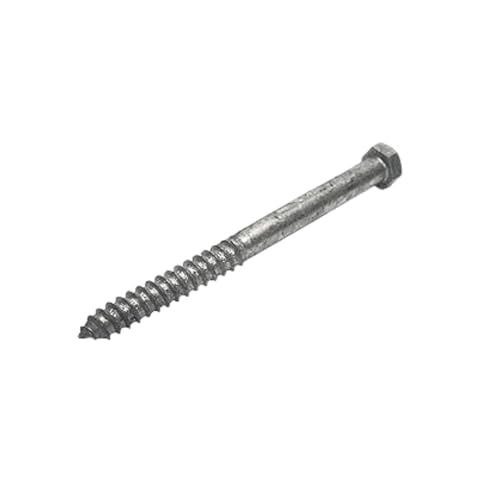
1/2" x 8" SIZE FOR STRUCTURAL WOOD FASTENING 1/2 inch diameter and 8 inch length designed for strong wood-to-wood connections where structural strength is required without excessive embedment depth.

The Length Of A Lag Screw Is Measured From The Under Head Bearing Surface To The Tip Of The Screw
Layout and Marking for Precise Attachment
With your ledger board secured in perfect horizontal alignment, you’ll now mark the attachment points that’ll guide fastener placement and joist or rafter installation. Begin by drawing all joist locations before installing structural bolts, typically spacing them at 400mm, 600mm, or 1200mm intervals. Position the first joist 250mm from the ledger’s end, then continue marking at consistent intervals with the final joist equally spaced from the opposite end. Use a framing square for accuracy. Next, account for rail post locations on the ledger board, adjusting your joist layout to prevent interference. Employ a zig-zag fastener pattern, maintaining approximately 500mm spacing between bolts while keeping them clear of hanger positions. For optimal holding power, ensure your fasteners penetrate at least 1 inch into the structural members below. Before marking fastener locations, verify that weather conditions are favorable with adequate drying time to allow any cleaning or preparation work to fully cure. Double-check all marks for accuracy before proceeding to fastening.

Designed for attaching the ledger board to the rim joist of a house

Ledger screws 5/16 in x 5 in size; fifty pieces per pack; ideal for securing deck ledgers to wood framing; engineered for maximum holding power
The product is 12PK 5"Ledgertite Screw
Installing Beams, Rafters, and Performing Final Inspections
The foundation you’ve established with your ledger board and marked attachment points now supports the structural framework that’ll define your pergola’s form and function. You’ll install secondary beams into notches on posts first, securing them before positioning main beams on top. Your installation techniques require sequential placement to maintain beam alignment throughout the structure.
Verify measurements between secondary beams against design specifications before permanent fastening. Use four pre-drilled holes per connection point with 3/8″ x 2″ hex screws and washers for secure beam-to-post joints. Roll beams to align half-lap notches correctly, employing hoisting equipment or multiple workers for safe elevation.
After beams are positioned and fastened, install rafter hangers on ledger plates. Cover all exterior screw holes with 5/8″ diameter plugs using hidden fastener systems to maintain a seamless finished appearance. Insert post caps approximately 1/4″ below post tops, securing them with vinyl glue for weatherproof protection. Ensure your pergola structure can support the specified load requirements if it will be used as a deck or elevated platform accessible to occupants.

Quantity & Size: You will get 9pcs 3/8 x 2 inch Hex lag screws, 9pcs flat washers, a 9/16" Hex Socket Driver Bit. Handy Screw Bolt Kit for your wooden projects

Quantity & Size: You will get 10pcs 3/8 x 2 inch Hex lag screws, 10pcs flat washers, a 9/16" Hex Socket Driver Bit. Handy Screw Bolt Kit for your wooden projects

3/8-16 Hexagon Bolt Kit: BNUOK 3/8-16 x 2 Inch black bolts with hex nuts,Flat & Lock Washers Head Diameter,with bright finish,clean & smooth thread and no burrs,This Hexagon black bolts makes your project look more professional which are favoured for heavy-duty fastening applications.