How to Build a Sturdy Pergola for Your Outdoor Swing
You’ll build a sturdy pergola by selecting weather-resistant materials like aluminum or pressure-treated wood, then sizing posts and beams correctly—4×4 posts for 10-foot spans, with beams spaced 6-8 feet apart. Dig footings 24-48 inches deep below the frost line, using concrete and rebar for stability. Connect components with heavy-duty brackets and through-bolts, ensuring square alignment. Secure swing hardware to withstand amplified forces from motion. Regular maintenance—inspecting fasteners, applying protective coatings, and managing drainage—keeps your structure sound for decades. The specifics of each phase deserve closer attention.
Choosing the Right Materials for Durability and Weather Resistance
When you’re planning your pergola project, selecting durable, weather-resistant materials is essential to guarantee longevity and minimize maintenance demands.
Your material comparisons should account for climate conditions and maintenance tolerance. Aluminum offers superior rust resistance and requires minimal upkeep, lasting 20–30 years with lifetime warranty options. Cedar and redwood provide natural decay resistance but demand periodic sealing. Vinyl resists rot and fading yet becomes brittle in extreme temperatures and can’t be repainted.
For weather factors like impact and UV exposure, polycarbonate panels deliver 100% UV protection and superior shatter resistance. FRP panels resist warping and corrosion across all climates with gel coat protection. WPC combines wood aesthetics with plastic durability, resisting warping better than traditional wood. Cast aluminum’s powder-coated finishes enhance both protection and appearance while providing exceptional durability in outdoor environments. If your pergola will support an attached deck or elevated platform, ensure it meets building code requirements for structural safety and compliance.
Evaluate your regional weather patterns, budget, and maintenance commitment before deciding.

PACKAGE CONTENT & PRODUCT DIMENSIONS: Our weatherproof outdoor curtains are sold in panel (1 panel in each package). Each curtain panel measures 52” width by 84” Length, a set of 2 curtain panels measures 104” width by 84” Length. The curtains are constructed with silver rust-proof grommets with inner diameter of 1.6”

OUTDOOR VINLY CURTAIN: Ezcasch outdoor vinly curtains are made of 20oz heavy duty material, which is weatherproof to meet your needs. And it is suitable for awnings, gazebo, patio, porch, houses, shops, attics, balconies, plant sheds, carports, both indoor and outdoor.
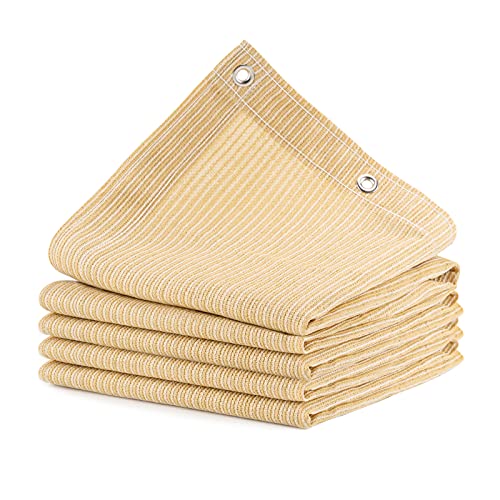
Premium Sun Shade Cover – Designed to attach to a large outdoor deck, pergola, or patio space to block harsh UV sun rays and keep you cool all summer long this sun shade cloth offers 90% UV protection without sacrificing cool air breathability.
Understanding Structural Components and Sizing Requirements
Once you’ve settled on your materials, you’ll need to understand how the structural framework supports your pergola’s longevity and performance. Your posts—whether 4×4, 6×6, or 8×8—form the foundation for load distribution, with larger posts handling greater spans and weights. Beams run horizontally across posts, typically 2″ x 8″ for vinyl or 3½” x 9½” for cPVC, supporting rafters that run perpendicular. Proper alignment techniques guarantee even weight distribution and structural integrity. Standard spacing follows the Golden Ratio (width divided by 1.618) for both aesthetic appeal and functional strength. Your pergola’s dimensions determine post size requirements—10-foot spans need 4x4s, while larger structures demand 6×6 or 8×8 posts for stability and safety. For optimal performance, keep unsupported beam spans between 6 and 8 feet to prevent sagging and warping over time. Heavy-duty post base brackets and concrete footings ensure your posts remain plumb and anchored securely against environmental stress.
Planning Your Foundation and Support System
A solid foundation determines whether your pergola will stand firm for decades or shift and settle prematurely, which is why you’ll need to select the right footing system before breaking ground. You’ll choose from several foundation types based on your soil conditions and pergola design. Concrete footings with rebar reinforcement remain the standard choice, offering reliable stability and load distribution. For existing decks or sensitive ground, screw piles minimize disturbance while providing excellent support. Your footing considerations should account for soil quality, drainage, and dynamic loads from swings. Plan isolated footings at each support post location, ensuring adequate depth and spacing. Quality concrete should reach 3500–4000 PSI strength, with rebar meeting minimum 40,000 PSI tensile strength requirements. For longer spans, consider using engineered lumber or doubled beams to ensure your pergola can safely support the structural demands of an outdoor swing. Footings must extend below the frost line to prevent settling and ensure your pergola remains structurally sound through seasonal ground movement.

【Bid Farewell to Rust Concerns】We are acutely aware that corrosion of wood fence post anchor base is the primary enemy of both aesthetics and safety. Therefore, we resolutely opt for high-quality stainless steel as the sole material for our concrete post base anchor bracket. This stands in stark contrast to ordinary iron products, which succumb rapidly to damp soil and harsh weather. Our bracket inherently possesses robust corrosion resistance, enabling it to fearless withstand seasonal changes and rain erosion. Choosing it means not only selecting a product but also laying a foundation of graceful commitment and long-term peace of mind for your family and precious moments.

Stands up to frost and high winds

Preparing Your Site and Setting Posts Correctly
Before you break ground, you’ll need to assess your site carefully and prepare it properly—these initial steps directly determine whether your pergola will remain stable throughout its lifespan. Start your site assessment by identifying level ground, avoiding low-lying areas prone to water accumulation. Clear a work area at least 5 feet larger than your structure in every direction. Before beginning construction, confirm whether your pergola requires a zoning permit based on its size and features.
Mark post positions with brightly colored spray paint for visibility. Use diagonal measurements across your marked rectangle to confirm square layout. For uneven spots, employ leveling techniques: remove high areas with shovels and fill low areas with gravel or sand. Contact local utilities before digging to prevent damaging underground lines. Dig post holes 24 to 48 inches deep—complying with local frost line requirements—at approximately 9-inch diameter with equal spacing. For optimal stability, ensure footings are placed on undisturbed earth rather than filled or disturbed soil. Verify posts achieve perfect vertical alignment using levels before concrete cures for 24 to 48 hours.

LARGE PACK 33.8oz - Will Intall x2 Posts | Replaces 80-100 lbs Concrete
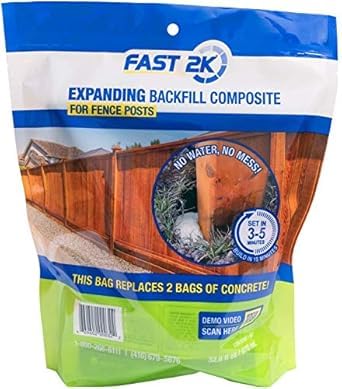
SAVE YOUR BACK: Lightweight technology replaces 80lbs of concrete with a 2.5lb bag

FOR EASY REPAIRS — It's the ideal concrete patch repair mix, neatly fixing cracks and spalls so your property looks like new. It's even textured for a more seamless blend with the existing structure
Assembling the Frame and Installing Hardware
With your posts set and concrete cured, you’re ready to assemble the frame—this stage determines your pergola’s structural integrity and longevity. Begin your frame assembly by laying out beams and posts on level ground to verify alignment and fit. Connect beams to posts using heavy-duty brackets or through-bolting with carriage bolts, then secure joints with structural screws or lag bolts. Guarantee all corners are square using diagonal measurements. Ensure your pergola design complies with structural requirements established by your local building department to guarantee it can withstand weather conditions in your area.
For hardware installation, attach outer crossbeams first, then install interior joists perpendicular to these beams. Pre-drill all connections and use self-tapping screws for secure fastening. Position brackets with drain holes facing downward. Tighten hardware firmly without over-tightening. Inspect every connection for stability, checking that all frame members remain level, plumb, and square before proceeding. Follow manufacturer recommendations for fastening to ensure proper spacing and load distribution throughout the structure.
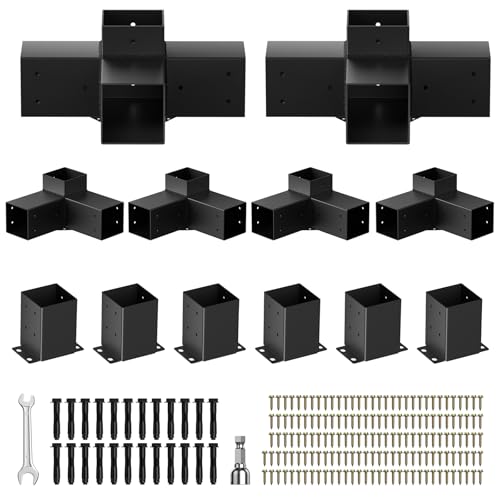
3-Way & 4-Way Pergola Brackets Kit: Upgraded 3-way & 4-way right-angle pergola brackets boost pergola stability in harsh weather. Designed for 4"x4" (actual 3.5"x3.5") sizes, the 4x4 pergola brackets are weather-resistant and sturdy, with no need to worry about storm or wind damage

Engineered for USA Climates - ORIGLE pergola brackets are crafted with heavy-duty, corrosion-resistant steel and a premium black powder coating to withstand harsh weather conditions. Designed to snugly fit 4x4 post brackets (actual inner dimension: 3.58"x3.58"), these brackets eliminate gaps and ensure a rock-solid hold for your pergola’s structural integrity. Ideal for pergola kit projects in gardens, patios, or backyard retreats.

Superior Quality Materials: This 4x4 pergola brackets feature a 90° right angle gusset plate design and weather-proof performance and a stable frame,so you do not have to worry about the attack and damage to storms and wind.
Designing for Safe and Comfortable Swing Operation
Now that you’ve established a solid structural foundation with your frame assembly and hardware installation, you’re ready to address the unique demands of swing operation. You’ll need to prioritize swing clearance by maintaining a minimum 6-foot clear use zone in front and behind the swing. Ascertain at least 30 inches of clearance between the swing and pergola’s main support frames to prevent collisions during use. Space multiple swings at least 24 inches apart, measured from their widest points. Design your swing arc to allow a comfortable 4-foot-wide path without obstruction. Remember that dynamic forces during swing motion multiply stress on mounting points significantly more than the static weight alone. Secure your swing attachment points using pressure-treated lumber and appropriate bolts to ensure the mounting hardware can withstand these amplified forces. For edge safety, sand all beams and swing seats smooth with rounded edges to prevent scrapes and injuries. Position the swing to avoid direct alignment with walkways or structures that users might contact during exit.

INNOVATIVE REINFORCED DESIGN: Innovative in the swing set brackets support force point to add a triangle hardware, the reinforced structure strengthened the legs and beams. Stronger load-bearing capacity, no deformation.
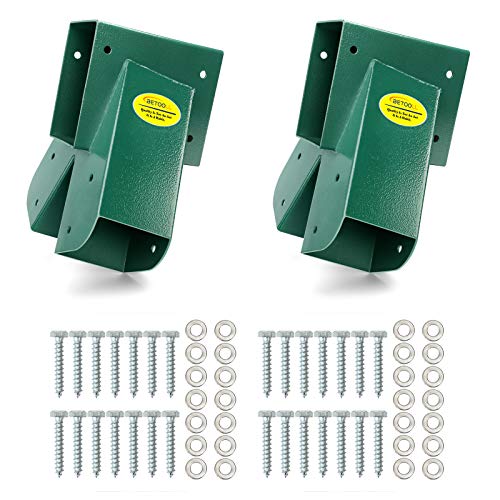
The Strongest Brackets to Build A Swing Set: Made of heavy gauge steel, 100% welded joints, heavy and durable. Also painted nicely to stay rust-free for a good-looking swing set for years to come

【Ultimate Strength Swing Set Brackets】 Crafted from heavy-duty steel with fully welded joints, these brackets are significantly more robust and durable compared to those with spot welds. The green powder-coated finish provides excellent protection against rust and corrosion, ensuring your swing set frame remains attractive and long-lasting.
Maintaining Your Pergola for Long-Term Performance
Your pergola’s structural integrity and safe swing operation depend on a consistent maintenance program that addresses the wear patterns created by weather exposure, regular use, and environmental debris. Conduct regular inspections twice yearly, checking fasteners, joints, and drainage systems for deterioration. Apply protective coatings like UV-resistant sealants and fresh stain every two years to guard wood surfaces against sun damage and moisture infiltration. For cedar wood specifically, use oil-based stains and sealants to provide enhanced protection against UV damage and decay. For aluminum components, wipe powder-coated surfaces monthly and lubricate louver mechanisms annually. Remove debris promptly using soft brushes and low-pressure water spray (1,500–2,000 PSI). Address rust, corrosion, or wood damage immediately with appropriate treatments. When inspecting fasteners, use specialized techniques such as screw extraction tools for stripped or damaged screw heads to ensure all connections remain secure. After storms, clear drainage blockages and open louvers to prevent water pooling, ensuring peak performance and longevity.