How to Build a Sturdy Pergola With 6×6 Posts
You’ll build a sturdy pergola by starting with proper material selection—cedar or pressure-treated pine—then digging foundation holes at least two feet deep to your local frost line. Pour concrete footings and anchor steel post brackets securely. Assemble your roof frame using two primary 6×6 beams spaced 7-8 feet apart, then lift it onto the posts. Install cross-bracing for lateral stability, cut posts level, and apply weatherproof sealant to all exposed wood. These foundational steps set you up for years of reliable performance.
Selecting Materials and Planning Your Build
Before you break ground on your pergola project, you’ll need to make strategic decisions about materials and structural design—choices that’ll directly impact both performance and longevity. Start by selecting your wood species: cedar provides superior rot resistance and strength, while pressure-treated pine requires larger dimensional posts for equivalent load capacity. Next, assess your roofing material’s weight—slate and tile demand robust 6×6 posts, whereas polycarbonate allows smaller dimensions. Consider your design aesthetics alongside structural integrity requirements. Determine your pergola’s footprint and purpose; entertainment spaces typically need 6×6 or 8×8 posts for adequate load calculations. Finally, evaluate material alternatives like aluminum or vinyl-sleeved options, which offer equivalent strength with reduced maintenance. If you choose untreated wood such as pine, it will typically need to be painted or sealed thoroughly to protect it from moisture and prolong its lifespan. Ensure all components are level and square during assembly to maintain structural integrity throughout the build process. These preliminary decisions establish your project’s foundation.


Premium 2.5mm Reinforced Steel Construction:Crafted from upgraded 2.5mm thick galvanized steel (thicker and stronger than standard 2mm market brackets), these pergola brackets deliver enhanced structural integrity and long-term durability. The extended 5.9-inch design provides greater support surface and improved weight distribution, ensuring a more stable and secure pergola structure for heavy-duty outdoor projects.

MEASURE POST Before ordering These post tops are designed to fit standard 4x4 pressure treated fence posts, these post caps fit 3.5"x 3.5 inch up to 3.75" x 3.75-inch posts and are perfect for any outdoor fence or deck project. They slide down the post 1.5 inches; their widest outside dimension is 5.5 inches. They will install on wood, composite, metal, and vinyl posts
Preparing the Foundation and Installing Posts
Since your pergola’s longevity depends entirely on proper foundation work, you’ll need to understand frost line requirements and local building codes before you dig the first hole. Different foundation types suit different climates: northern regions require posts extending below the frost line, while southern areas allow shallower installations.
Use proper excavation techniques to dig holes 12–24 inches in diameter, extending at least 2 feet deep or to your local frost line. Pour concrete footings roughly 16 inches square for 6×6 posts, ensuring they bear on undisturbed earth. After concrete cures 1–2 days, anchor steel post base brackets using heavy-duty fasteners. Backfill carefully around posts with soil or concrete, maintaining plumb alignment. Proper foundation installation prevents frost heave and settling, ensuring your pergola remains structurally sound for years. Before beginning excavation, verify whether your pergola size requires a full construction permit or just a zoning permit. Consulting your local building department for specific frost line depth and foundation specifications in your area will help ensure compliance with regional requirements.

Deck Base Post Anchor, for 6x6 Nominal Lumber(Actual Inner Size 5-1/2")
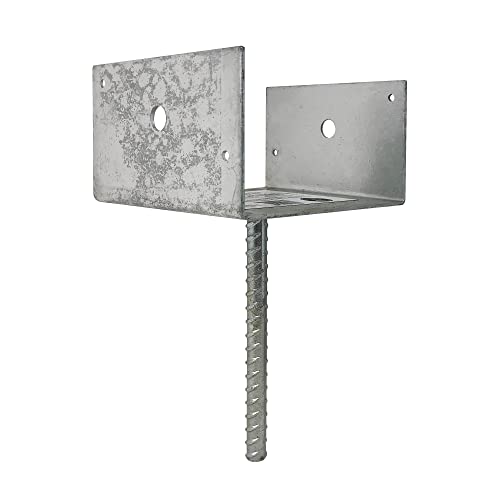
Designed for anchors 6” x 6” nominal wooden posts to concrete footings for deck supports

【Versatile Application】Our 6x6 post base anchor is designed to deck,patio or pergola, making it suitable for various applications.
Assembling the Roof Frame
With your posts now plumb and firmly anchored, you’re ready to assemble the roof frame that’ll crown your pergola. Your roof frame design utilizes two primary 6×6 beams spaced 7-8 feet apart, connected by perpendicular depth-side beams. Before lifting, assemble this structure on the ground for safety and convenience.
Bracket selection is critical—use corner 3-arm brackets at beam ends, positioning the two-hole arms downward. Slide brackets onto beam ends until their internal lips butt against the ends, then secure with stainless steel screws. Insert perpendicular beams into bracket channels and fasten identically.
For lasting durability in outdoor conditions, consider finishing your assembled frame with penetrating oils or varnishes to protect the wood from weather damage before installation. Teak oil offers faster drying times compared to other protective finishes, making it a practical choice for pergola frames. With several helpers, lift the complete assembly and slide your vertical 6×6 posts into the corner brackets. Confirm posts fully seat at bracket tops for stability, then drive screws into all bracket holes. This creates your rigid pergola frame foundation.
Cutting and Bracing Posts for Stability
Precision in cutting and bracing your 6×6 posts directly determines your pergola’s structural integrity and longevity. You’ll mark cut lines on all four sides using a pencil and rafter square, then make passes with a circular saw at maximum depth. Rotate the post consistently, aligning your blade to the previous kerf for even cuts. A box jig fitted around the post guides your saw and maintains level cuts across all faces.
For post stability, you’ll install temporary diagonal braces to hold posts plumb during cutting and fastening. These braces maintain post position while you work. Once assembly begins, attach permanent cross-bracing between posts and use metal brackets at joints to enhance lateral stability. Pre-drilling pilot holes before fastening prevents wood splitting and ensures secure connections. Level and secure all bracing elements tightly to prevent movement over time, ensuring your pergola remains structurally sound for years. For pergola beams, remember that typical maximum unsupported spans generally range from 6 to 8 feet, so plan your post placement accordingly to prevent sagging or warping.
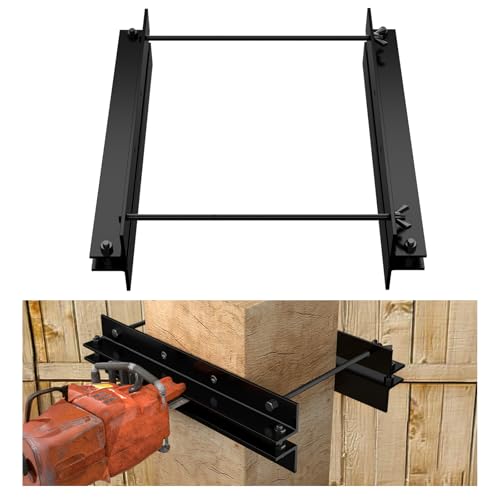
Multi-angle Cutting: Suitable for 0-45 degrees cutting on 6x6 posts, both sides of the sawmill guide leave a margin to adjust the cutting angle. The saw guide helps to keep the saw blade in place, resulting in smoother and more professional-looking finished products

Perfectly Straight & Flush Cuts, Guaranteed: Achieve professional-grade results every time. Our guide jig locks your circular saw in perfect alignment, ensuring razor-straight cuts with a flush top finish that is essential for seamless deck boards, clean fence lines, and sturdy construction projects.

Flush Finish: Designed to achieve a neat, flush finish at the ends of the posts, giving your project a professional look.
Anchoring Posts to the Ground
Your pergola’s longevity depends on how securely you anchor its posts to the ground. You’ll find several anchor types suited for different conditions. Concrete footings—dug below the frost line—offer maximum stability for heavy loads. Surface mounting with galvanized bases works well on existing patios, though you’ll need periodic bolt retightening. Ground spikes and helical anchors provide versatile, less labor-intensive alternatives.
For concrete footers, reinforcing the concrete with steel rebar or mesh enhances stability and tensile strength, ensuring your 6×6 posts can handle significant structural loads over time. A recommended footing size for 6×6 posts is approximately a 16-inch square base dug about 12 inches deep on undisturbed earth.
Regardless of which anchor type you choose, proper alignment is critical. Use chalk lines and precise measurements to guarantee posts align with your pergola layout. Clean drilled holes thoroughly before installing anchors to maximize holding strength. Keep posts vertical and braced during installation until fasteners fully set. For sloped surfaces, shim anchors or cut post bottoms to prevent rocking.
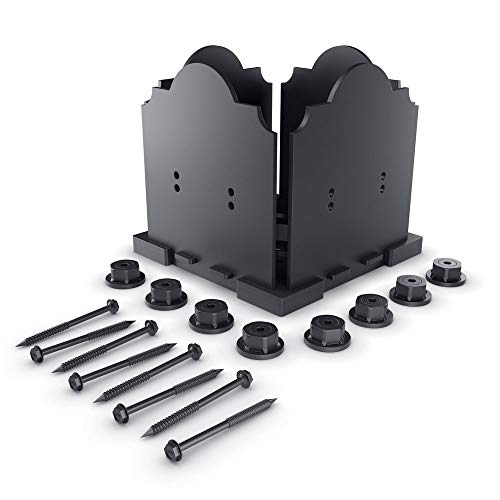
Robust Construction: This post base features 3/16-inch thick hot dipped galvanized and powder coated steel, ensuring durability and resistance to weathering, making it ideal for your pergolas, decks, and other outdoor structures

Heavy Duty Galvanized Steel: This 6x6 post base made from thick galvanized steel for reliable outdoor support. The rust-resistant coating helps protect the 6x6 post base from weather exposure, making it suitable for concrete foundations, decks, patios, pergolas, and gazebos.

Save Time & Effort: Pre-drilled holes and elongated slots make installs quick and frustration-free. Even DIY beginners can bolt down posts with confidence and adjust for perfect alignment
Installing Rafters and Finishing Touches
Once you’ve secured your posts firmly in place, you’re ready to install the rafters that’ll form your pergola’s roof structure. Start with rafter alignment by marking equal intervals—typically 20 inches on center—along your beams. Install outer boundary rafters first, then space field rafters evenly between them using a string line as your guide.
For fastening techniques, use 5½-inch wood screws through pre-drilled holes to prevent splitting. Position rafter clips or brackets at joints to enhance load-bearing capacity. Verify screws penetrate deeply into posts and beams for maximum grip. Like deck railing posts, your pergola posts should be plumbed to ensure they stand perfectly vertical in both directions.
After installation, inspect all fasteners for tightness and sand any rough edges. Apply weatherproof sealant to cut ends and consider adding decorative end caps for enhanced aesthetics. To extend your pergola’s lifespan, maintain the wood regularly by cleaning away debris and dirt buildup.
Sealing and Protecting Your Pergola
Now that you’ve completed the structural installation of your pergola, protecting it from the elements becomes essential to confirm longevity and maintain its appearance. Begin with sealant application using polyurethane or silicone-based caulk on all joints, gaps, and connections. Apply water-repellent stains containing UV blockers for wood preservation, preventing rot and sun damage. Clean surfaces thoroughly before applying any products to guarantee proper adhesion. Install flashing over roof edges and incorporate gutters for drainage, directing water away from posts. For pergolas attached to your home, ensure that gutter systems are properly integrated with your attachment points to maintain both structural integrity and water management. Inspect fasteners for corrosion and replace with rust-resistant alternatives. Reapply sealants and stains every 1-3 years based on weather exposure. For cedar pergolas specifically, consider using oil-based stains and clear sealants every 2-3 years to provide enhanced protection against UV damage, moisture, and decay. Regular maintenance including debris removal and mildew cleaning prevents moisture retention and structural degradation.

IDEAL CHOICE FOR SMALL JOINTS — Offers exceptional performance on joints where maximum depth is equal to 1/2-in. or less. Use to secure windows, door frames, reglets, flashing, and more

TIGHT, STRONG SEALS — This Sika polyurethane sealant offers exceptionally secure adhesion while also allowing for a high elasticity that helps prevent cuts and tears

FOR SEALING CRACKS AND JOINTS — Sika Pro Concrete Fix offers exceptional adhesion and elasticity, creating strong bonds that resist tearing and cracking and can maintain a ±35% joint movement range
Maintaining Your Structure for Long-Term Durability
Building a pergola’s longevity depends entirely on consistent maintenance that addresses wear, weather exposure, and environmental factors before they compromise structural integrity. You’ll need to conduct quarterly inspections of fasteners, joints, and hardware to catch loosening before structural stress develops. Regular maintenance should include monthly debris removal, biannual deep cleaning with wood-safe solutions, and annual checks of wooden components for rot or insect damage. Seasonal checks prove critical: spring power washing and resealing, summer rust inspections, fall gutter clearing, and winter snow load monitoring. You’ll also need to lubricate metal moving parts annually and address minor damages immediately using appropriate repair materials. For areas prone to moisture accumulation, consider applying sand and stain techniques to wooden surfaces that experience heavy foot traffic to enhance both safety and durability. Proper surface preparation, including removing old stain residues and sanding rough areas, ensures better adhesion and longevity of protective finishes on your pergola. Trim surrounding vegetation routinely to prevent moisture accumulation and weight stress on your structure.