
Teak Oil vs. Tung Oil: Best Choice for Outdoor Furniture
For outdoor furniture, you’ll want tung oil’s superior durability and UV resistance—it outperforms teak oil’s shorter protection window. Tung oil demands more patience between coats, requiring 24+ hours versus teak oil’s 2-hour intervals, but you’ll gain a harder, waterproof finish lasting six months versus teak oil’s six to twelve. You’ll sacrifice the warmer amber tone teak oil provides, getting instead a nearly colorless finish that preserves wood texture. Your maintenance commitment and aesthetic priorities determine which best serves your furniture’s long-term preservation.
Understanding the Core Differences Between Teak Oil and Tung Oil
While both products serve outdoor furniture protection, teak oil and tung oil differ fundamentally in composition and derivation. Tung oil is a pure, natural drying oil extracted directly from tung tree seeds, whereas teak oil isn’t derived from teak wood at all—it’s a carefully formulated blend combining linseed, tung, and often synthetic components like mineral oil and petroleum-based solvents.
These composition differences directly impact finish characteristics. Tung oil delivers a nearly colorless, natural-looking finish that preserves wood’s authentic appearance without significant darkening. Teak oil, conversely, imparts a warmer, amber tone that emphasizes grain patterns and creates a richer, more traditional aesthetic. Both produce matte finishes, but teak oil’s blend composition affects its protective longevity and reapplication frequency compared to tung oil’s harder, more durable surface. For longer-lasting outdoor protection, spar urethane finishes provide superior UV resistance and weather durability compared to oil-based options alone. Teak wood itself offers natural resistance to UV damage and weathering due to its high oil content and tight grain structure, making it an inherently superior choice for outdoor furniture that requires minimal maintenance.
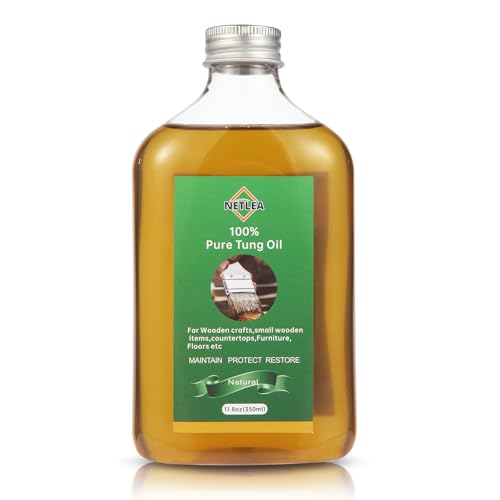
IDEAL FOR SMALL WOODWORKING & CRAFTS: Our 350ml bottle of 100% pure tung oil is the perfect size for woodworkers, carvers, and DIY enthusiasts. It's specially packaged for finishing small projects like wooden models, jewelry boxes, carving crafts, and custom ornaments without the waste of a large can.

[FOOD GRADE PURE TUNG OIL & NO ADDITIVE] OLASIR 100% pure tung oil is extracted from the seeds of high-quality tung seed crops in East Asia. It is environmentally friendly, non-toxic, and food grade tung oil, emitting the aroma of natural tung oil. Can be safely used in wooden chopping boards, wooden tableware, and other areas that come into contact with food.Important Safety Note:While safe for food-contact surfaces, this oil is not intended for ingestion. Avoid direct consumption and keep out of reach of children.

Easy to Use - Tung oil is a natural oil recognized by craftsmen to offer the ultimate hand-rubbed finish for all fine woods; just wipe on and allow the oil to cure at room temperature
Durability and Protection: Which Oil Lasts Longer?
Since you’re protecting outdoor furniture against the elements, understanding how tung oil and teak oil perform over time becomes critical to your maintenance strategy.
Your durability assessment reveals that tung oil delivers superior long-term protection. It penetrates deeply into wood fibers, forming a harder, more resilient finish that resists water, UV rays, and scratches more effectively than teak oil. You’ll notice tung oil requires reapplication only every six months, while teak oil demands attention every six to twelve months.
This oil performance comparison demonstrates tung oil’s advantages for demanding outdoor environments. Its natural properties create a robust waterproof barrier that maintains color stability under prolonged sun exposure. Tung oil also dries clearer without yellowing, which helps preserve your furniture’s original appearance over years of use. You’ll experience fewer visible marks from everyday wear, and your furniture will retain its appearance longer. Like water-based latex paint, tung oil resists UV fading better than oil-based alternatives, offering superior color protection for outdoor furniture. For maximum durability in harsh conditions, tung oil proves the superior choice.

【100% Pure Tung Oil (For Wood)】100% Pure Natural! OAIEGSD tung oil food grade is 100% pure natural, which is extracted from natural tung seeds, without any additives and chemical ingredients, so it can be great for contact with food, you can use it safely. After using the pure tung oil, your wood products will have a longer life.
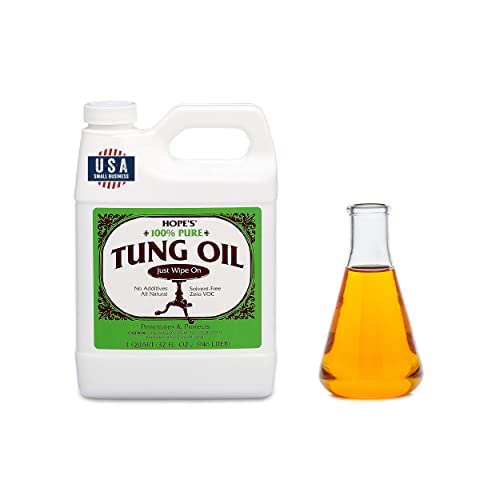
Easy to Use - Tung oil is a natural oil recognized by craftsmen to offer the ultimate hand-rubbed finish for all fine woods; just wipe on and allow the oil to cure at room temperature
How These Oils Impact Wood Color and Appearance
When you apply either oil to your outdoor furniture, you’re not simply protecting the wood—you’re fundamentally altering its visual character. Tung oil delivers subtle color enhancement through gradual amber development while emphasizing texture through its matte-to-satin finish. This approach preserves natural grain complexity without heavy surface buildup. Conversely, teak oil produces more pronounced color enhancement via deeper amber saturation and glossy surface residue. Its resin components create richer luster but may mask fine texture details. For texture emphasis, tung oil’s deep penetration highlights wood grain’s natural intricacy without reflectiveness. Teak oil intensifies grain contrast rapidly through surface accumulation, ideal for figured woods. Consider your aesthetic priority: tung oil favors authentic texture preservation; teak oil prioritizes visual richness and depth. Both oils require regular reapplication to maintain their protective and aesthetic benefits over time.
Application Process and Drying Time Comparison
The application procedures for teak and tung oils diverge markedly in their execution and timing demands. You’ll apply both oils using lint-free cloths or quality brushes on bare, sanded wood, but their drying durations differ greatly. Teak oil requires 2-hour intervals between coats, with ideal overnight drying before recoating. You can complete multiple coats in a single day under warm, dry conditions. Conversely, tung oil demands 24+ hours between applications, sometimes extending to 7 days for full cure, especially in humid environments. While teak oil’s quicker drying accelerates your application techniques, tung oil’s extended drying durations necessitate patience. Both require wiping excess oil within 15-30 minutes post-application. Your choice depends on project timeline and environmental conditions.

COMPLETE BEARD & MUSTACHE KIT: A beard and mustache grooming kit built for men who want it all covered in one box. This beard kit pairs oil, balm, comb, brush, and scissors so beard care and mustache care both get handled, no extra products required.

A COMPLETE REGIMEN: Everything you need for a complete beard care routine; step 1: cleanse with Beard Wash; step 2: treat with Recovery Beard + Face Lotion; step 3: hydrate with Beard Butter and Beard Oil
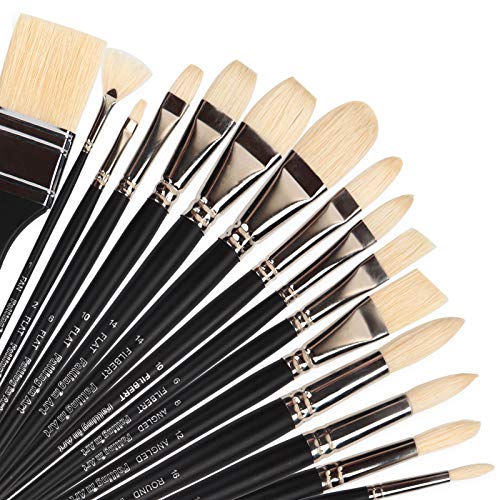
Full Range of Artist Paint Brushes Size & Tip -- FAN(#1); ROUND(#4, #8, #10, #16); FLAT(#2, #6, #10, #14); ANGLED(#8, #12); FILBERT(#6, #10, #14); CHIP(40MM); There are not only small pointed tips for fine detail painting but big brushes for a wide filling;
Safety Considerations and Environmental Impact
Beyond application timelines, you’ll want to carefully weigh the safety profiles and environmental consequences of your chosen finish.
Pure tung oil excels environmentally—it’s biodegradable, releases no harmful VOCs, and you can safely apply it to food-contact surfaces once fully cured. Teak oil’s environmental impact depends entirely on its formulation. Many commercial blends contain synthetic additives and varnishes that compromise biodegradability and may leach trace chemicals onto food surfaces.
For food safety, you’ll find pure tung oil reliable for cutting boards and countertops, provided it’s fully cured. Teak oil requires manufacturer certification for food-contact applications since synthetic additives may render it unsafe.
Both finishes demand adequate ventilation during application. You’ll need to dispose of oil-soaked rags carefully to prevent spontaneous combustion. Always verify product labeling and follow manufacturer guidelines for ideal safety outcomes. When working with finishes on outdoor structures like deck railings, ensure your handrail height complies with local building codes to maintain both safety and structural integrity.
Maintenance Schedules and Reapplication Guidelines
Your choice between teak oil and tung oil carries distinct maintenance implications that’ll shape your long-term care routine. Teak oil demands reapplication every 6 months for ideal color retention, whereas tung oil requires treatment every 6 to 12 months depending on exposure conditions. In harsh climates with direct sunlight or heavy rainfall, you’ll increase maintenance frequency for both oils.
Reapplication techniques remain consistent: thoroughly clean the surface with mild soap and water, then lightly sand with fine-grit sandpaper. Apply oil evenly following the wood grain, allowing 15–30 minutes penetration time before wiping excess. For weathered furniture with significant buildup, consider starting with medium-grit sanding to remove old gray layers and restore the wood’s natural appearance before applying fresh oil. Tung oil requires 24–48 hours drying between coats for multiple thin applications. You’ll wait 24–48 hours before using furniture after either oil application, ensuring complete curing and ideal protection. Just as with deck restaining, proper surface preparation through cleaning and sanding ensures the oil adheres evenly and achieves optimal results.

Provides interior or exterior one-step protection for dense woods such as teak, rosewood and mahogany

ENHANCES THE BEAUTY OF THE WOOD: Teak Oil restores the beauty of grey, old and weathered teak furniture to give a golden-brown natural finish.

🌱 UNLEASH THE BEAUTY OF YOUR OUTDOOR WOOD WITH TEAK OIL: Our premium wood finish and sealer is specially formulated for outdoor furniture, providing waterproof protection and enhancing the natural color and structure of teak, mahogany, pine, beech, oak, and other wood types. Preserve and beautify your outdoor wood with confidence.
Selecting the Right Oil for Your Outdoor Furniture
How do you determine which oil best suits your specific outdoor furniture needs? Evaluate your wood type and usage scenarios systematically. If you’re protecting high-traffic pieces or furniture exposed to harsh elements, tung oil’s superior durability and scratch resistance justify its labor-intensive application. Its water and UV resistance outperform teak oil remarkably.
Conversely, if you’re maintaining decorative teak or prioritize convenience, teak oil’s faster drying times and simpler reapplication align with your maintenance capacity. Consider your climate: extreme weather favors tung oil’s resilience, while moderate conditions accommodate teak oil’s adequate protection. For woods like mahogany, natural resistance to rot and decay can complement either oil choice depending on your maintenance preferences.
Assess your environmental priorities too. Pure tung oil offers non-toxic, plant-based advantages, while teak oil’s synthetic components may conflict with eco-conscious preferences. Match your choice to realistic maintenance commitment and specific exposure conditions. However, the knowledge base cautions that teak oils applied outdoors can promote mildew and cause uneven color, so application method matters significantly for long-term furniture preservation.

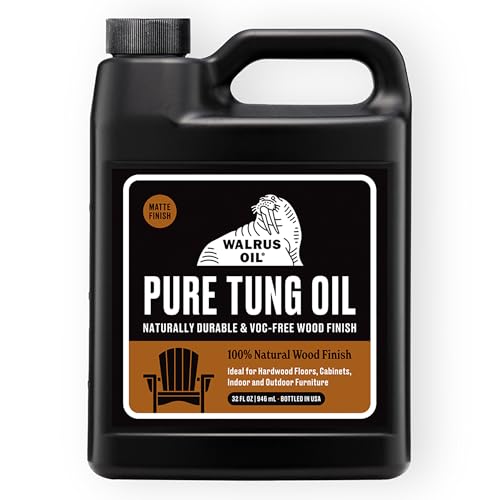
Crafted from 100% pure tung oil, derived naturally from plant nuts, this wood finish is non-toxic and completely free of VOCs. Once dry, it poses no harm to human health, making it a safe and natural choice for interior wood applications. It deeply penetrates wood fibers to enhance the natural grain while forming a durable, protective layer — ideal for surfaces where a pure, plant-based, and eco-conscious finish is desired.

Great for Cabinets, Doors, and Hardwood Floors

【100% Pure Tung Oil】NetLea 100% pure tung oil, derived naturally from plant nuts, this wood finish is non-toxic and completely free of VOCs. Once dry, it poses no harm to human health, making it a safe and natural choice for interior wood applications. It deeply penetrates wood fibers to enhance the natural grain while forming a durable, protective layer — ideal for surfaces where a pure, plant-based, and eco-conscious finish is desired.