Oil vs. Latex Paint: Best Choice for Outdoor Furniture
For outdoor furniture, you’ll want oil-based paint if durability and moisture protection matter most—it forms a hard, tough surface lasting longer on well-prepared pieces. However, latex paint offers faster recoating (4 hours versus 6-8), superior UV resistance preventing fading, and easier soap-and-water cleanup. Latex also emits lower VOCs, reducing health risks. Your choice hinges on prioritizing longevity or convenience, though exploring specific conditions affecting each option reveals important nuances.
Durability Comparison
When you’re selecting paint for outdoor furniture, durability becomes the primary consideration since exposure to elements constantly tests a coating’s integrity. Oil-based paint forms a hard, tough surface that delivers superior wear resistance, resisting chipping, scuffing, and scratches from frequent use. Latex paint, conversely, proves more susceptible to surface damage in high-traffic areas, though its flexibility prevents cracking as wood expands and contracts.
For weather resistance, oil-based paint excels in moisture and mildew protection, making it ideal for harsh conditions. However, you’ll find latex paint more resistant to UV fading and less prone to cracking during temperature fluctuations. While oil-based paint generally lasts longer on well-prepared surfaces, it becomes brittle over time, potentially requiring more touch-ups than flexible latex alternatives.

Weather and corrosion resistant coating protects exterior/interior surfaces like wood, metal, concrete, masonry and more

Weather and corrosion resistant coating protects exterior/interior surfaces like wood, metal, concrete, masonry and more

Weather and corrosion resistant coating protects exterior/interior surfaces like wood, metal, concrete, masonry and more
Drying Time and Application
How quickly you can move through your outdoor furniture painting project depends largely on whether you choose latex or oil-based paint.
Latex paint dries to the touch in 1–2 hours, allowing you to apply a second coat after just 4 hours. You’ll complete multiple coats within a single day using efficient application methods. Oil-based paint, conversely, requires 6–8 hours before recoating, restricting you to one coat daily.
Your drying techniques must account for environmental conditions. Temperatures below 50°F double drying times for both types. High humidity and low sunlight greatly slow the process, while direct sunlight and wind accelerate it.
Cleanup differs markedly: latex requires only water and soap, whereas oil-based paint demands mineral spirits. Consider your timeline and convenience when selecting between these application methods.
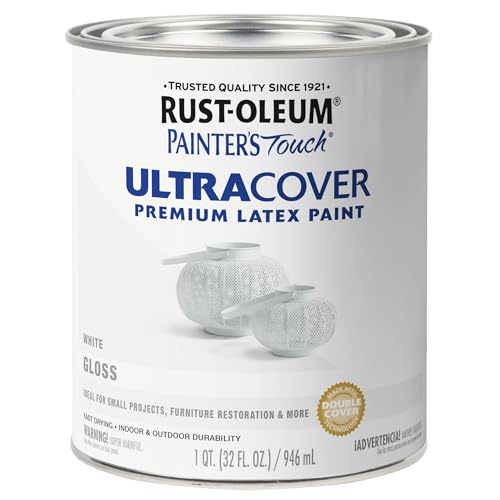
Use for a variety of indoor and outdoor project surfaces including wood, metal, plaster, masonry or unglazed ceramic

Use for a variety of indoor and outdoor project surfaces including wood, metal, plaster, masonry or unglazed ceramic
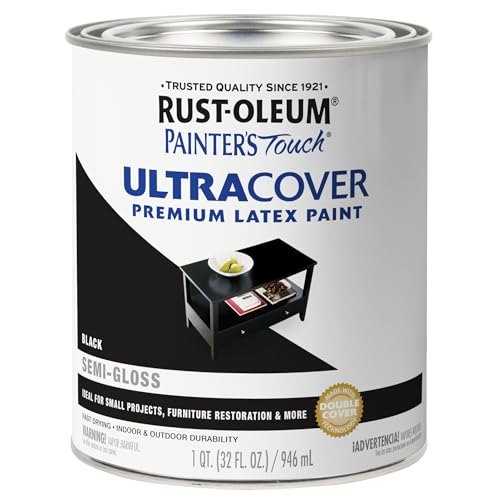
Use for a variety of indoor and outdoor project surfaces including wood, metal, plaster, masonry or unglazed ceramic
Finish and Appearance
Because the visual outcome of your outdoor furniture project extends well beyond the initial application, understanding how latex and oil-based paints perform over time proves essential to your selection. Oil-based paint delivers a smooth, glossy finish that enhances wood and metal aesthetics, leveling exceptionally well due to slower drying that minimizes brush marks. Latex paint typically produces a matte or eggshell finish with more visible texture, though newer formulations improve sheen quality. Your finishing techniques matter considerably: oil paint maintains its lustrous appearance longer under heavy use, while latex’s superior UV resistance prevents yellowing and color fading. Unlike polyurethane, latex paint maintains flexible, protective coating properties that allow wood to expand and contract naturally without cracking. For visual aesthetics on sun-exposed furniture, latex preserves vibrant colors across years, whereas oil-based formulations risk discoloration and dullness despite initial deeper saturation. When selecting between these options, consider that paint provides a strong, protective layer lasting five to ten years, making it ideal for furniture in harsh weather conditions.

Ideal for use on interior/exterior surfaces including wood, plastic, plaster, metal, masonry and unglazed ceramic

Ideal for use on interior/exterior surfaces including wood, plastic, plaster, metal, masonry and unglazed ceramic

Ideal for use on interior/exterior surfaces including wood, plastic, plaster, metal, masonry and unglazed ceramic
Environmental and Safety Factors
While visual aesthetics matter for outdoor furniture, the environmental and safety implications of your paint choice deserve equally careful consideration. Latex paint’s low VOC emissions—at or below 250 grams per liter—minimize air pollution and health risks like headaches and respiratory issues. Oil-based paint, conversely, releases 250-500 grams per liter, off-gassing for weeks and potentially causing serious health effects with prolonged exposure.
Cleanup methods differ greatly. Latex paint requires only soap and water, while oil-based paint demands harsh solvents emitting toxic fumes. Regarding environmental impact, latex paint’s reduced VOC content and simpler disposal prevent water contamination and soil leaching. Oil-based paint necessitates hazardous waste handling, increasing logistical challenges. For outdoor furniture exposed to year-round conditions, combining latex paint with weather-resistant materials ensures both safety and long-term durability. For outdoor furniture, latex paint represents the safer, more environmentally responsible choice.
Maintenance and Longevity
Once you’ve selected your paint, understanding how each type performs over time becomes essential to maximizing your outdoor furniture’s lifespan. Oil-based paint delivers superior durability and moisture resistance, though it demands more frequent maintenance due to brittleness and cracking tendencies in harsh weather. You’ll need solvents for cleaning, complicating routine upkeep. Latex paint requires less maintenance overall, offering better UV resistance and flexibility that accommodates wood movement without peeling. For longevity strategies, apply primers and topcoats to both types—critical for oil-based durability. Oil’s slower drying produces smoother finishes with fewer brush marks, enhancing wear resistance. Latex’s quick drying enables faster recoating but may require additional applications. Like decking oil, latex paint’s flexibility accommodates wood movement without compromising the finish integrity. Consider pairing your painted outdoor furniture with shade structures like pergolas to further protect against UV damage and extend the paint’s vibrancy. Proper surface preparation and adequate curing time prove essential for both options’ extended performance.

Works on virtually any surface including wood, plastic, metal, fiberglass, concrete, wicker, vinyl and more

Ideal for use on interior/exterior surfaces including wood, plastic, plaster, metal, masonry and unglazed ceramic

Weather and corrosion resistant coating protects exterior and interior surfaces like wood, metal, concrete, masonry and more
Cost and Accessibility
Two main factors—price and availability—often determine whether you’ll choose latex or oil-based paint for your outdoor furniture project. Latex paint typically ranges from $30 to $80 per gallon, while oil-based options cost $40 to $90, with premium brands commanding higher prices. Budget-friendly latex alternatives from Behr and Valspar start at $20 per gallon.
Store availability differs greatly between types. You’ll find latex paints readily stocked at major retailers like Home Depot and Lowe’s in numerous colors. Oil-based paints require more searching in specialized aisles and may demand online ordering from dedicated paint stores.
Price variations depend on region, retailer, and seasonal promotions. Urban areas typically charge more due to demand and shipping costs. Bulk purchases reduce per-gallon expenses, making 5-gallon buckets economical for larger projects.

Apply to metal, wood, plaster, masonry and unglazed ceramic

Use for a variety of indoor and outdoor project surfaces including wood, metal, plaster, masonry or unglazed ceramic

Apply to metal, wood, plaster, masonry and unglazed ceramic