

How to Choose Weather-Resistant Balcony Furniture
You’ll dramatically extend your balcony furniture’s lifespan by matching specific materials—HDPE lumber, teak, powder-coated aluminum, or marine-grade stainless steel—to your climate zone’s moisture levels, temperature swings, and salt exposure. Evaluate fabrics for solution-dyed acrylic with 30,000+ abrasion ratings and 2000+ UV lightfastness hours. Assess maintenance demands: aluminum requires minimal care, while wood needs periodic sealing. Position furniture strategically for airflow and drainage. Understanding these variables reveals which combinations deliver best durability and aesthetics for your specific environment.
Understanding Durable Material Options
When you’re selecting balcony furniture, the material you choose determines how well it’ll withstand weather exposure, UV damage, moisture, and temperature fluctuations. You’ll find five primary options, each with distinct advantages.
HDPE lumber offers maintenance-free durability with UV inhibitors and 100% waterproofing. Teak wood provides natural oils that resist moisture and insects, aging gracefully over decades. Powder-coated aluminum balances lightweight construction with exceptional corrosion resistance. Wrought iron and steel deliver unmatched strength and longevity, though they require rust protection in coastal areas.
Finally, resin wicker and PVC present affordable alternatives for mild climates, though they’re less durable than premium materials. Resin furniture stands out as an exceptional choice, resisting cracking, chipping, and fading while maintaining its appearance through UV stabilization and a non-porous surface that prevents water absorption and mold growth.
When considering material sustainability and current design trends, HDPE emerges as an environmentally conscious choice requiring zero maintenance while delivering superior performance across extreme temperature ranges. Larch wood also serves as a sustainable alternative, offering natural weather resistance and durability that can last 10–50 years or more with proper maintenance.

ALL-WEATHER MATERIAL:LZRS small outdoor tables are made of recycled plastic HDPE material with a textured grain finish and the realistic wood-like look. This material prevents warping, dents, rot, and fading, it perfectly improves the shortcomings of solid wood, which is easy to rot, mold, chip, peel and crack.

ALL-WEATHER MATERIAL:LZRS small outdoor tables are made of recycled plastic HDPE material with a textured grain finish and the realistic wood-like look. This material prevents warping, dents, rot, and fading, it perfectly improves the shortcomings of solid wood, which is easy to rot, mold, chip, peel and crack.

Weather Resistant HDPE: Enjoy a realistic wood-grain texture without the upkeep of natural timber; This outdoor side table resists fading, cracking, and peeling even after prolonged exposure to sun or rain; The stable construction maintains its look
Evaluating Fabric Performance for Outdoor Cushions
Once you’ve settled on your furniture’s frame material, the cushion fabric you select becomes equally important to overall durability and weather resistance. Look for solution-dyed acrylic or polypropylene fabrics that deliver superior fabric durability and stain resistance without requiring additional treatments. These inherent fiber qualities guarantee colorfastness testing compliance and protection against UV damage. Verify abrasion resistance ratings exceeding 30,000 double rubs using Wyzenbeek testing standards—a critical benchmark for outdoor cushions enduring repeated use and friction.
Prioritize moisture management capabilities, particularly polypropylene’s quick-drying properties and acrylic’s moisture-wicking characteristics. Check for UV protection certifications meeting 2000+ hours of lightfastness or three-year fade warranties. Confirm ACT performance standard compliance for flammability, crocking, and colorfastness requirements. Solution-dyed fibers saturated with fade-proof pigments outperform batch-dyed alternatives, which absorb moisture and stains readily. Polypropylene’s inherent resistance to mold and mildew makes it particularly suitable for humid balcony environments where moisture accumulation is a concern. Just as proper surface preparation ensures optimal stain adhesion on exterior wood surfaces, selecting fabrics with proven moisture-wicking capabilities prevents water damage and extends cushion longevity.
Assessing Weather Protection Capabilities
Weather protection’s true measure lies in rigorous testing standards that simulate real-world conditions your balcony furniture will face. You’ll want to examine durability metrics across multiple environmental stressors. Fire resistance combustion tests verify compliance with safety standards, while corrosion resistance testing in salt spray environments assesses long-term protection against rot. Chemical resistance evaluation guarantees materials withstand cleaning agents without fading. UV and temperature fluctuation testing expose weaknesses in finish and structural integrity. Water resistance and mildew resistance evaluations protect against moisture damage. Stability testing confirms furniture won’t topple on uneven surfaces. Load testing determines maximum weight capacity under stress. Look for ASTM certification validating these thorough weather testing protocols, confirming your investment withstands seasonal variations and frequent environmental exposure.
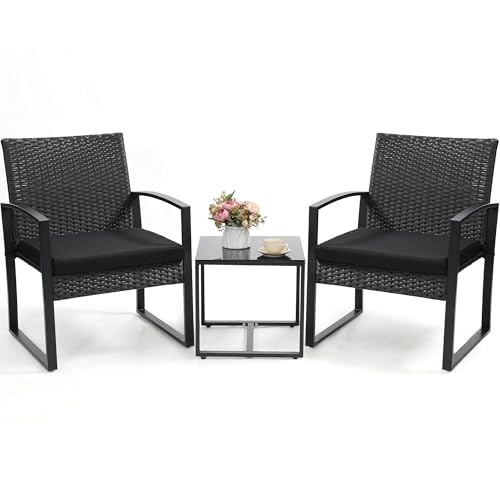
【AESTHETIC AND MINIMALIST DESIGN】The legs connected with seat and armrests. It looks like simple and modern. Each chair has self-adjust feet at the bottom. you can adjust it according to the ground conditions, keep the chair balance.
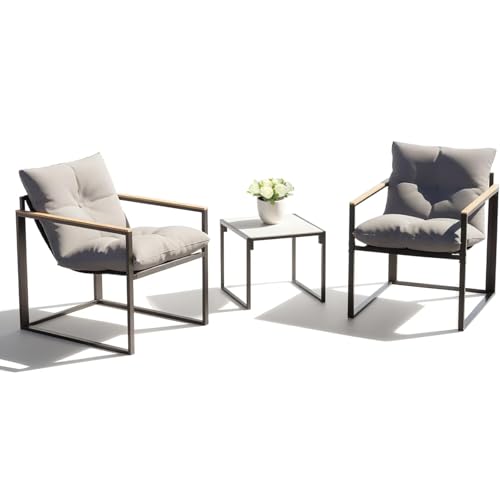
ANTI-SCALD COMFORT & STABLE STRUCTURE: Say Goodbye to Burning Metal Arms. Unlike standard all-metal chairs that scorch your skin in the summer sun, our bistro chairs feature heat-resistant wood slats on the armrests. Combined with a one-piece steel leg design, this set offers a touch-safe, wobble-free seating experience that keeps you cool and stable while enjoying your morning coffee.

Elevate Your Outdoor Oasis: Transform your outdoor areas into a stylish retreat with ZICOTO’s outdoor pillow covers—perfect for bringing designer looks to your porch, patio, or garden while enhancing comfort and keeping your pillows beautifully protected in any outdoor setting
Matching Materials to Your Climate Zone
Because your climate zone fundamentally determines which materials’ll withstand environmental stressors most effectively, you’ll need to match furniture composition to your specific conditions. Material durability varies considerably across climates, so assess your environment first.
In hot, dry regions, cast aluminum with powder-coated finishes delivers superior performance. For humid areas, aluminum’s rust resistance and synthetic wicker with quick-dry cushions excel. Coastal zones demand marine-grade stainless steel or teak wood to combat salt corrosion. Rainy climates benefit from teak’s natural water-repelling oils or synthetic resin options.
Your climate compatibility assessment should account for temperature fluctuations, moisture levels, wind exposure, and salt air presence. Cast aluminum’s exceptional durability makes it particularly suitable for environments with significant weather variation. Matching materials to these specific conditions prevents premature deterioration and maximizes furniture longevity. This strategic approach eliminates costly replacements and guarantees reliable performance year-round.
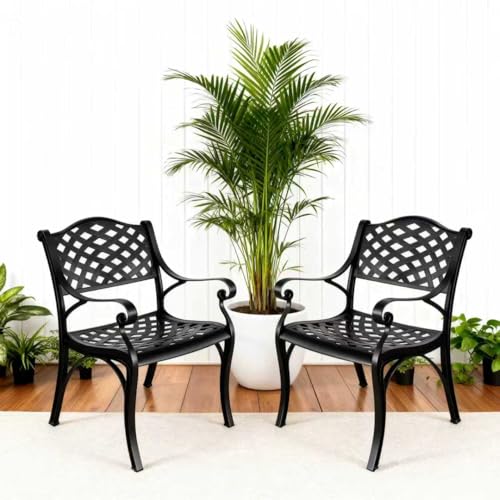
All Weather Materials: Aluminum patio chairs are made of cast aluminum with rust-proof, weather-resistant, sturdy, and can be used for a long time. Our patio bistro chair set is durable but lightweight, the maximum weight capacity of a single chair is 400 lbs.

All Weather Aluminum Chairs: These patio dining chairs are designed to withstand various weather conditions, making them perfect for outdoor use. Made from durable aluminum material, they are resistant to rust and corrosion

WHAT YOU GET: Stylish and elegant bistro table set, including one round dining table and two bistro chairs. The backrest is curved to add more comfort to you, and the seat is slightly curved for fitting your body perfectly. Dimension: Φ23.6" x 25.9"H (Table), 16.54" L x 19.69" W x 34.84" H (Chair) Weight Capacity: 300 lbs (Chair)
Comparing Maintenance Requirements Across Materials
After you’ve selected materials suited to your climate, understanding how much upkeep each option demands will help you commit to a realistic maintenance schedule.
Wood maintenance varies by species. Teak needs only mild soap and water, while eucalyptus and acacia require sealing every 6–12 months. Metal upkeep depends on composition: aluminum requires minimal wiping, but wrought iron needs rust inspections and protective coatings every 1–2 years. Synthetic care is straightforward—resin wicker resists mold and needs only soap, water, and debris removal from the weave. Fabric cleaning involves mild detergent for olefin and textilene; store cushions when unused. Assess your available time before choosing materials, as demands range from minimal to moderately intensive depending on your selection.
Balancing Cost and Aesthetic Appeal
How do you weigh visual preferences against your budget when balcony furniture options span from $100 plastic sets to premium wood collections exceeding $1,500?
You’ll find ideal value in the $200–$600 range, where PE wicker and powder-coated metal balance price aesthetics with durability. Plastic sets offer immediate affordability and color variety but fade within 2–3 seasons. Metal furniture delivers minimalist appeal lasting 5–10 years with minimal maintenance. Wood provides timeless warmth and superior style longevity exceeding 10 years, though requiring consistent upkeep.
Consider your timeline and commitment level. Rental situations demand budget-friendly plastic. Permanent installations warrant mid-range PE wicker or metal for proven satisfaction. Premium wood justifies higher investment through lasting aesthetic appeal and extended lifespan, making per-year costs competitive despite higher upfront expense. Certain wood types like teak and cedar naturally resist weathering and decay, providing enhanced durability for long-term balcony installations. Teak in particular can last decades or even centuries with minimal maintenance due to its natural oils that resist decay and moisture.

【Exquisite Handwoven Wicker】 This bistro table and chairs set of 2 is made of premium PE rattan, which gives the look & texture of natural wicker with the durability, weather and UV resistance, woven exquisitely by hand featuring sturdy powder-coated steel frame which offer extra support to stand tough against the elements for years of long-lasting use

Quality Material: Devoko outdoor furniture which is made of high-quality, waterproof, rustproof, and anti-corrosive hand-woven PE rattan wicker, with a sturdy powder-coated steel frame and non-slip feet for stability and safety.

【Various colors available】 Color: Wine Red. All cushion covers and cushion covers can be removed and hand washed.
Selecting the Right Frame and Support System
Once you’ve settled on a budget and aesthetic direction, the frame—your furniture’s structural backbone—becomes the next critical decision point. You’ll want to evaluate frame stability and support weight capacity based on your balcony’s conditions and usage patterns.
Aluminum frames offer lightweight durability with rust resistance, making them ideal for most climates. If you’re in a windy location, wrought iron or stainless steel provide superior frame stability through their substantial weight, preventing tipping. However, wrought iron demands regular maintenance to combat rust.
For peak longevity, choose powder-coated metal frames—they dramatically enhance corrosion resistance and reduce upkeep. Consider wood frames like teak if you’ll commit to seasonal sealing. While wood frames like spruce offer affordability and natural aesthetics, they require regular application of UV-resistant sealers to prevent rot and decay. Ultimately, match your frame material to your climate, wind exposure, and maintenance capacity for durable balcony furniture.

Premium Galvanized Steel Construction – Built from heavy-duty galvanized steel with a durable powder-coated finish, this awning delivers excellent rust resistance, reliable weather protection, and long-lasting outdoor durability.


BUILT TO LAST: Made from durable steel, this outdoor table can support up to 100 lbs and is designed to withstand the elements. The powder-coated finish protects the metal from UV rays, rust, and harsh weather.
Making Your Final Selection Based on Your Needs
With your frame material and budget established, you’ll now synthesize all previous considerations—climate, maintenance capacity, aesthetic preferences, and longevity goals—into a coherent selection strategy. Evaluate your balcony layout to determine furniture dimensions and quantity that optimize space without crowding. Cross-reference your climate zone against material durability specs: coastal areas require marine-grade stainless steel, while humid regions benefit from resin wicker or teak. Align your personal style preferences with practical maintenance demands. If you prioritize minimal upkeep, choose aluminum or HDPE lumber. For classic aesthetics, invest in sustainable teak. Aluminum furniture offers exceptional durability and rust and corrosion resistance, making it an excellent choice for various climates while requiring minimal maintenance. Finally, calculate total cost-of-ownership by factoring material lifespan—typically 10–15 years—against replacement frequency and maintenance expenses. This integrated approach guarantees your selection balances functionality, durability, and visual coherence. When positioning furniture, ensure consistent spacing between pieces to allow for proper airflow and to prevent moisture accumulation that could compromise material integrity.


