Is Resin Furniture Durable Enough for Outdoor Use?
You can absolutely rely on resin furniture for decades of outdoor use. High-density polyethylene resists cracking, warping, and moisture damage that compromise wood and metal alternatives. UV-stabilized formulations maintain color integrity through 20,000+ hours of sunlight exposure. The non-porous composition prevents water absorption, eliminating rot and mold concerns. You’ll need only mild soap and water maintenance—no sealing or refinishing required. Understanding how resin’s engineered properties deliver superior long-term performance reveals why it outperforms traditional materials.
Resin Resists Cracking, Chipping, and Peeling
Because resin furniture is engineered from high-density polyethylene (HDPE) or polypropylene—synthetic materials designed for strength and resilience—it outperforms traditional outdoor materials in structural durability. You’ll find that HDPE’s molecular structure resists environmental stress, and its non-porous composition prevents moisture absorption that causes cracking in wood. The cracking resistance is exceptional; resin withstands temperatures from -40°F to 140°F without structural failure, maintaining integrity through repeated thermal cycles. Regarding chipping resilience, you benefit from color and texture fused throughout the material rather than surface-applied finishes. Since resin furniture contains no coating or veneer, you won’t experience peeling. Unlike laminated wood, resin won’t delaminate. Its toughness and flexibility minimize chipping even under heavy use, eliminating the maintenance requirements that plague traditional outdoor furniture. Like other recycled plastic materials, resin furniture also offers environmental benefits while delivering superior performance compared to wood alternatives.

【DURABLE MATERIAL】This side tables are made of recycled plastic HDPE material that is more weather resistant than other poly lumber table.HDPE is an eco-friendly solution to wood.Weatherproof, heavy-duty construction withstands a range of environmental stressors,Weatherproof, heavy-duty construction withstands a range of environmental stressors
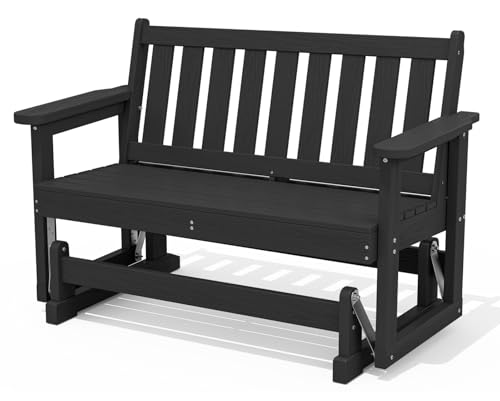
[2-Person Glider Bench] Enjoy relaxing with your loved one on this spacious 2-person glider bench, measuring 26.97"W x 48.82"D x 35.24"H and capable of holding up to 660 pounds. The ergonomic design ensures a comfortable seating experience, perfect for unwinding in your outdoor space.

Flexible Modular Design: This patio conversation set features a modular design, with each seating unit being independent. You can freely rearrange and configure the seats to suit your needs and personal style. Whether you want a compact straight layout, or prefer a more personalized L-shaped or U-shaped arrangement, the modular design offers ultimate flexibility and creative freedom for your space
UV Stability and Color Retention
How well does resin furniture maintain its appearance under constant sun exposure? UV-stabilized resin furniture performs markedly better than non-stabilized alternatives. Quality manufacturers incorporate UV inhibitors that protect polymer chains from degradation, enabling color durability for years in sunny climates. While standard resin yellows and fades within months, UV-stabilized variants withstand up to 900 hours under accelerated weathering conditions. HDPE resin offers superior UV resistance due to its molecular structure, while stabilized polypropylene can last up to 12 years outdoors. The concentration and quality of UV inhibitors directly determine color retention performance. Regular cleaning maintains inhibitor effectiveness, and providing shade further extends viability. Similar to how real-time data on intuitive displays enhances decision-making in modern technology systems, the quality of UV inhibitor formulation directly impacts long-term material performance. You’ll find that choosing UV-stabilized resin from reputable suppliers guarantees reliable long-term appearance retention without requiring additional protective treatments.
Weather Resistance Across Climate Conditions
While UV stability determines color longevity, resin furniture’s true durability emerges through its exceptional performance across diverse climate conditions. You’ll find that resin demonstrates remarkable climate resilience by resisting temperature fluctuations without cracking or warping—a critical advantage over wood and plastic alternatives.
Your furniture maintains structural integrity in coastal environments where salt spray causes corrosion in competing materials. The non-porous composition prevents water absorption, enabling your pieces to withstand rain, snow, and humid conditions without developing mold or rot. Resin wicker constructed over aluminum frames provides stability during high-wind events comparable to wrought iron. Like engineered materials rated for 200 pounds of lateral force, quality resin formulations are tested to meet rigorous structural performance standards under stress and environmental exposure.
Whether you’re managing extreme seasonal temperature variations or prolonged moisture exposure, quality resin formulations like LLDPE deliver consistent performance across environmental factors and geographic regions, ensuring your investment’s longevity. For maximum durability, pair your resin furniture with marine-grade stainless steel hardware to prevent rust and corrosion from salt spray and moisture exposure.

WOOD HARDENER FOR ROTTED WOOD: two-part epoxy system seals, hardens, preserves, and protects all types of wood by stopping rot. Makes finishes like paint and varnish stick better and last longer. Easy to use treatment has no VOCs or harsh fumes

Deck Hinge made of Marine Grade Nylon, Ultimate Corrosion Resistant, with matte surface

Deck Hinge made of Marine Grade Nylon, Ultimate Corrosion Resistant, with matte surface
Moisture and Water Management
The structural integrity you’ve gained from resin’s climate resilience depends fundamentally on how well your furniture manages the moisture it encounters. Your resin wicker’s water durability stems from HDPE construction, which creates non-porous surfaces that repel rather than absorb water. This prevents moisture infiltration entirely—water simply beads off and cannot penetrate the material structure.
You can confidently leave your furniture exposed to rain without compromising waterproof properties. The aluminum or steel frames woven with resin coating guarantee complete protection against moisture reaching underlying materials. After wet weather, you’ll find water doesn’t pool on non-porous surfaces; simply wipe down dampness or allow sun exposure for quick drying. Unlike powder coated aluminum furniture that relies on a protective coating layer, resin’s inherent non-porous nature provides resistance to rust and corrosion without requiring additional surface treatments. For optimal protection, consider using protective covers during extended periods of non-use to further shield your investment.
However, you should note that cushions require separate maintenance through annual waterproofing spray applications to sustain their water resistance.

Deck Storage Box: Beautiful wicker resin outdoor box has a wide and spacious 99-gallon capacity for patio, deck, yard, porch, garage, and shed storage

-Chic Design: This all-weather wicker plastic storage box with modern rattan pattern design, which is a great decoration for deck, garden, yard, porch and poolside.

Perfect Fit for Most Chairs: Measured with 32" W x 37" D x 36" H, We have a variety of different sizes suitable for patio chairs of various shapes and types. please measure your chair carefully before purchasing. It is suggested to choose the cover 1-2 inch larger than your chair size.
Maintenance Requirements and Care
Maintaining your resin furniture requires consistent attention to cleaning, environmental protection, and structural inspection—three interconnected practices that directly extend your investment’s lifespan. Your cleaning techniques should employ mild soap and water with soft cloths or non-abrasive brushes, avoiding bleach and harsh chemicals that degrade surfaces. Monthly cleaning suffices for standard conditions; high-traffic areas warrant increased frequency. Furniture protection demands waterproof, UV-resistant covers during non-use periods and storage in covered areas during extended downtime. Regular inspections identify cracks, warping, or rust on metal fasteners before problems escalate. To prevent moisture damage, ensure your furniture is completely dried after cleaning in a well-ventilated area or direct sunlight. Similar to deck railing specifications that mandate force resistance of 200 pounds, your resin furniture’s hardware should be inspected regularly to maintain structural integrity. Address structural issues promptly and tighten hardware periodically. These maintenance practices prevent costly damage while preserving resin furniture’s aesthetic and functional integrity for years of reliable outdoor performance.

General to fit rectangular/oval patio table with 6-8 standard chairs size up to 111"(L)x74"(W). Measure your patio furniture dimensions before buying, and include chair clearance in your measurements.

【Kipiea Outdoor Furniture Covers】 Would you like to protect your precious patio furniture from the elements with a high-quality cover? Kipiea patio furniture covers feature a double-layer PU waterproof coating on higher-density 420D fabric and quality waterproof tape at the seams to ensure the cover withstands up to 200,000 PA of water pressure and keeps your furniture dry even after years of use
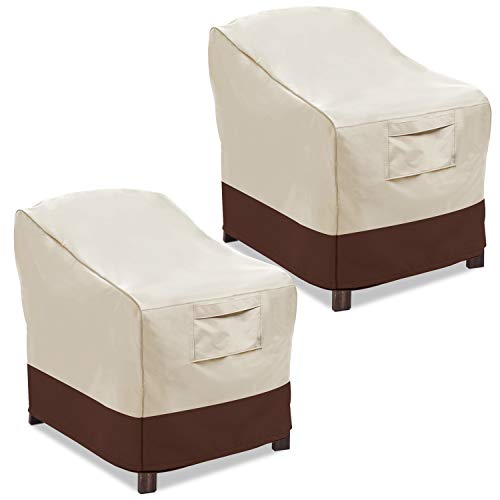
TRIPLE WATERPROOF PROTECTION: Vailge outdoor chair covers waterproof are built with heavy-duty 600D Oxford fabric with a water-resistant coating and taped interior seams. Prevents water leakage through stitching during heavy rain, protecting your patio chair from moisture.
Lifespan Comparison and Investment Value
Because resin furniture’s durability directly impacts your long-term financial commitment, understanding how it compares to alternative materials proves essential for informed purchasing decisions. Resin furniture typically lasts 5–10 years, positioning it between budget plastics and premium options like HDPE wicker (10–20 years) and teak wood (20–40 years). While you’ll experience higher replacement frequency than aluminum or stainless steel alternatives, resin delivers moderate cost efficiency through lower initial investment and minimal maintenance demands. Its aesthetic appeal remains relatively stable with UV-rated formulations protecting against fading. Unlike aluminum furniture, which resists rust and corrosion across various climates, resin requires more frequent replacement despite its lower upfront cost. To extend the lifespan of resin furniture when refreshing its appearance, consider using chemical paint strippers designed for the furniture’s surface material to safely remove old finishes before repainting. For budget-conscious buyers, resin balances affordability with functional durability. However, you’ll ultimately invest more across decades compared to superior materials, making resin suitable for temporary installations or secondary spaces rather than long-term primary investments.

OUTDOOR RESTORER: Penetrates deep to restore faded & weathered outdoor surfaces.
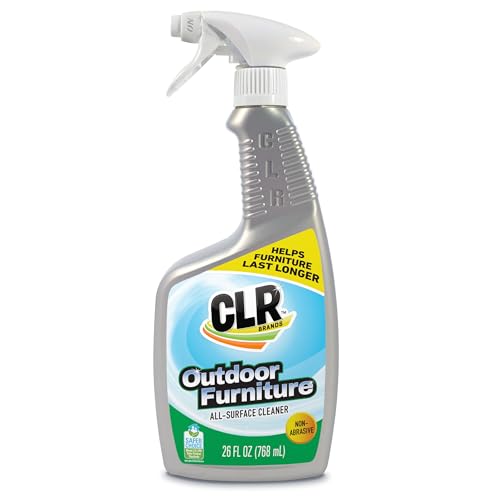
HUNDREDS OF USES: Tackle the whole yard with this powerful outdoor furniture cleaner. Formulated for use on patio, lawn and deck furniture, it is an effective and versatile product for outdoor furniture - from upholstery to plastic play sets.

LARGE OUTDOOR STORAGE BOX: Fashionably store your outdoor furniture cushions, pool floats, and more. This outdoor storage bench offers lots of convenient, lockable storage space and has enough room to seat 2 adults.
Long-Term Performance and Reliability
While resin furniture‘s initial affordability makes it an attractive choice, its real value emerges through examining how it performs under sustained outdoor exposure. You’ll find that high-quality resin maintains structural integrity across decades, resisting cracking, warping, and UV-induced degradation. Its non-porous composition prevents moisture absorption, eliminating rot and mold concerns that compromise alternative materials.
The cost efficiency becomes evident when you consider minimal maintenance requirements. Unlike wood, you won’t need sealing or refinishing. Unlike metal, you’ll avoid rust concerns. This translates to reduced long-term expenses and effort. While cast aluminum offers exceptional rust resistance, resin furniture eliminates corrosion concerns entirely through its inherent material properties. Proper fastening at regular intervals ensures your resin furniture remains secure and stable throughout its lifespan.
Your resin furniture preserves its aesthetic appeal through color infusion during manufacturing, preventing surface-level fading even after 20,000+ hours of direct sunlight exposure. Temperature fluctuations won’t cause expansion or contraction, ensuring reliable performance in diverse climates.