Is Rubberwood Suitable for Outdoor Furniture?
You shouldn’t use rubberwood for outdoor furniture. Its porous structure absorbs moisture rapidly, triggering swelling, warping, and structural deformation within 5-10 years. Unlike teak or acacia—which naturally resist fungal growth and decay—rubberwood lacks protective oils and pest resistance. You’ll face weekly damage inspections, monthly sealant reapplication, and immediate drying protocols after rain. Maintenance costs add 10-15% annually to your purchase price, ultimately rivaling more durable alternatives’ lifetime expenses. Understanding why rubberwood fundamentally fails outdoors reveals better material choices.
Moisture Sensitivity and Water Damage
If you’re considering rubberwood for outdoor furniture, you’ll quickly reveal that its highly porous structure makes it fundamentally unsuitable for exposure to wet conditions. The wood’s moisture absorption properties trigger rapid swelling and expansion, causing structural deformation that compromises furniture integrity. Fluctuating humidity levels—inherent to outdoor environments—accelerate warping and crack development throughout the material.
Water penetration into the wood grain deepens when sealing fails, expediting deterioration. You’ll observe visible staining and permanent discoloration as the wood absorbs moisture readily. The porous nature enables liquids to penetrate quickly, creating white mineral deposits and darkening the surface.
Repeated moisture exposure weakens the strength-to-weight ratio considerably. Glued joints fail prematurely when adjacent wood swells unevenly, undermining structural stability. Indoor humidity control becomes impossible outdoors, making rubberwood unsuitable for exterior applications.

Proven Type I Waterproof Performance: Passes ANSI/HPVA Type I water-resistance standards, making it ideal for outdoor woodworking, cutting boards, furniture, and projects exposed to weather conditions.
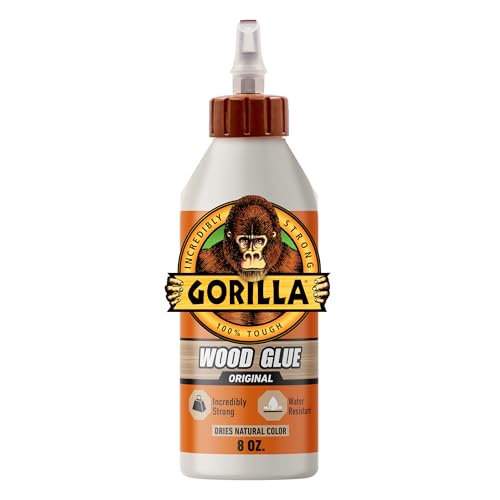
FAST CLAMP TIME: Bonds strong and fast with a clamp time of just 20–30 minutes; fully cured in 24 hours to keep your projects moving on schedule
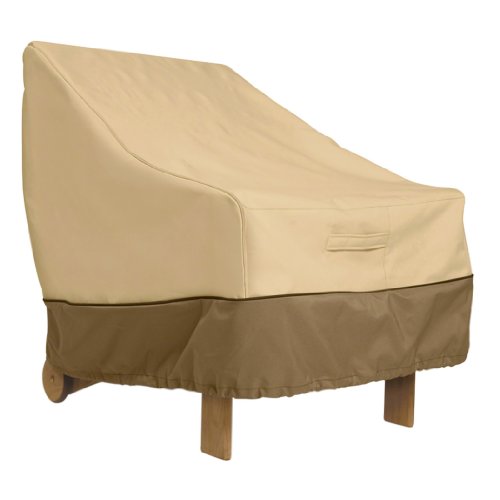
THE CLASSIC ACCESSORIES DIFFERENCE: Veranda covers go the extra mile with interior bound seams for strength, high-density stitching for durability, padded handles for comfort, and matching webbing for a sophisticated look
Lack of Natural Weather Resistance
Unlike teak and other naturally weather-resistant hardwoods, rubberwood fundamentally lacks the protective oils and compounds necessary to withstand outdoor environmental stressors. You’ll find that rubberwood properties don’t include the inherent decay resistance that premium outdoor woods possess, leaving your furniture vulnerable to fungal growth and decomposition when exposed to continuous moisture.
The absence of built-in pest protection further compromises outdoor furniture constructed from rubberwood. You face increased infestation risk from termites and wood-boring beetles, which penetrate untreated rubberwood more easily than naturally resistant species. These pests compound existing moisture problems, creating multiple deterioration pathways.
Additionally, rubberwood demonstrates poor dimensional stability in variable outdoor conditions. You’ll observe warping and cracking as fluctuating temperatures and humidity levels cause expansion and contraction, weakening structural joinery and connections over time.
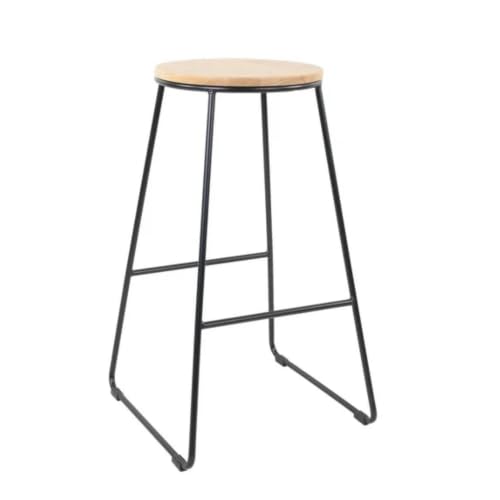
STURDY CONSTRUCTION: Features a powder-coated black steel base paired with a solid natural Rubberwood seat with a clear finish for lasting durability.

DURABLE SOLID WOOD - TCHOSUZ Wooden Furniture Legs are made of eco-friendly rubberwood and well finished with 3 layer walnut coating. Also comes with golden metal triangle top plate. Makes it durable and beautiful.

Selected material: made of sturdy wood material, durable and reliable to use,furniture feet,wood table legs
Heat Sensitivity and Temperature Issues
Because rubberwood lacks the dense cellular structure of naturally weather-resistant hardwoods, it’s particularly vulnerable to heat-related damage when exposed outdoors. You’ll notice rubberwood’s poor heat tolerance becomes evident through warping and surface degradation when exposed to direct sunlight and elevated temperatures. Temperature fluctuations inherent to outdoor environments cause the wood’s cellular structure to expand and contract repeatedly, weakening the grain over time. When you combine outdoor heat with moisture absorption, the damage accelerates considerably. High-humidity environments paired with temperature swings create ideal conditions for swelling, cracking, and eventual structural failure. Rubberwood simply doesn’t possess the inherent heat resistance necessary for sustained outdoor performance. Without adequate protection—which proves temporary at best—your outdoor furniture will deteriorate rapidly, making rubberwood an unsuitable choice for exterior applications.
Durability Comparison With Outdoor-Suitable Woods
When you evaluate rubberwood against hardwoods specifically engineered for outdoor use, the performance gap becomes stark and measurable. Teak, acacia, oak, and cedar all outperform rubberwood in durability metrics. Acacia’s Janka hardness of 1,750–2,000 lbf greatly exceeds rubberwood’s 890–995 lbf, while teak and oak offer superior natural oil content and moisture resistance. Cedar matches rubberwood’s hardness but surpasses it in rot and insect resistance through natural compounds like natural oils and resins that provide long-term decay protection. These rubberwood alternatives can last decades outdoors with minimal maintenance—acacia furniture lasts 10–15 years, cedar 15–25 years, and premium softwoods like Siberian larch can last 10–50 years or more with proper maintenance due to their high density and resin content. Rubberwood requires chemical treatment to approach their performance and still degrades faster. For serious outdoor furniture investments, dedicated exterior woods provide markedly better longevity and weather resistance than treated rubberwood.

DURABLE WOOD:This bistro set is made of real Acacia wood with a natural finish. This chat set is solid, strong and durable.This table chair set is Crafted from solid, weather-resistant natural acacia wood for beauty and long-lasting durability.Acacia wood is strong and durable.No splinter, rust, crack, chip or peel.Chat Set Bistro Set Table Chair Set.

- Natural Wood - Outdoor dining set is made of whole solid Acacia wood, which provides better load bearing and appearance than traditional synthetic wood. Beside, the surface has been lightly polished to make it feel smoother.

【Premium Acacia Wood】Crafted from high-quality acacia wood, our outdoor conversation set boasts a sleek, exotic appearance, enhancing your outdoor space. This durable hardwood naturally withstands the elements, ensuring longevity without darkening. For any issues, visit Merax.com or email csr@merax.com.
Maintenance Requirements for Outdoor Exposure
The maintenance demands of outdoor rubberwood furniture far exceed those of dedicated exterior woods, requiring you to commit to a rigorous and ongoing care schedule. You’ll need daily cleaning to remove moisture and debris, weekly inspections for damage signs, and monthly sealant reapplication. This preventive measures approach proves essential because rubberwood’s high porosity demands immediate drying after rain or spills to prevent swelling and rot. You must apply water-resistant treatments frequently, knowing they only slow—not stop—moisture penetration. UV-protective coatings require regular renewal as outdoor exposure degrades their effectiveness. Additionally, you’ll implement seasonal deep cleaning and repairs to maintain structural integrity. The cumulative time and cost investment makes rubberwood impractical for outdoor use compared to naturally weather-resistant alternatives.

ENHANCES THE BEAUTY OF THE WOOD: Teak Oil restores the beauty of grey, old and weathered teak furniture to give a golden-brown natural finish.

Repels moisture as it enhances wood's natural beauty. Protect your outdoor furniture from mother nature and protect your investment.

LONG-LASTING PROTECTION - Outperforms any teak oil or sealer, even under harsh tropical sun and salt conditions; a reliable choice for all your fine woods
Why Rubberwood Fails in Outdoor Settings
While rigorous maintenance can temporarily mitigate rubberwood’s vulnerabilities, it can’t overcome the fundamental material properties that make this wood unsuitable for outdoor environments. You’re confronting a material with 7.5% volumetric shrinkage and high porosity that actively absorbs moisture, driving dimensional instability and warping. The moisture impact becomes catastrophic in humid conditions—decay rates accelerate dramatically within months of consistent damp exposure. Untreated rubberwood lacks fungal resistance entirely, allowing rot to initiate at joints and end grains where moisture penetrates deepest. Simultaneously, you face termite and wood-boring insect damage that compounds structural weakness. UV radiation degrades lignin fibers, while wet-dry cycles intensify deterioration. These cascading failures—moisture absorption, rot progression, insect damage, and weathering—create irreversible structural compromise that no preventive maintenance protocol can adequately arrest.
Chemical Treatments and Their Limitations
Given rubberwood’s inherent vulnerabilities, manufacturers often apply chemical preservatives—primarily boron and borax compounds—via pressurized immersion to penetrate wood fibers and combat fungal decay, insect infestation, and wood-boring organisms. However, you’ll find that outdoor exposure severely compromises preservative effectiveness. Rain and moisture trigger chemical leaching, stripping protective barriers from the wood’s surface and interior. This leaching process accelerates vulnerability to fungal attacks and insect damage, undermining the initial treatment investment. While these chemicals excel at extending indoor product lifespans, they cannot withstand prolonged outdoor conditions. You shouldn’t rely on chemical treatments alone for exterior furniture; they’re fundamentally designed for climate-controlled environments where moisture exposure remains minimal and predictable.
Cost-Benefit Analysis of Outdoor Rubberwood Furniture
Because rubberwood’s initial affordability masks substantial long-term costs, you’ll need to evaluate the true financial implications of choosing this material for outdoor furniture. While rubberwood costs 30-50% less than teak, annual maintenance expenses add 10-15% to your purchase price over five years. Your cost savings diminish when you factor in frequent sealing and protective coatings that premium hardwoods don’t require. Rubberwood furniture typically lasts 5-10 years outdoors versus 15-25 years for teak or acacia, forcing earlier replacement cycles. Budget considerations must account for durability limitations alongside upfront expenses. For large outdoor sets, initial savings are significant, but lifetime costs often rival more durable alternatives when maintenance and replacement frequency are calculated thoroughly. Materials like resin offer UV stabilization and water resistance that eliminate many of the ongoing maintenance demands required by rubberwood. In contrast, Southern Yellow Pine offers natural resistance to decay and insects, providing a more cost-effective alternative that balances affordability with extended outdoor longevity.

Modern and Ergonomic Design: The design of our patio furniture set is simple, stylish and Ergonomic. It is perfect to decorate your your yard, poolside, balcony, patio and indoor area. Provide great comfort for you while you are enjoying your leisure time

Simple & Practical: Closed armrest and leg design makes the chair simple but modern and no need to worry about the rattan falling off when they are used after a long time.

Comfortable Textile Material: The back and seat of the chair are made of textile materials with many meshes. It is one of the selected materials for outdoor furniture. This quality material is very breathable and you will enjoy it even in the summer. When it’s dirty, just wipe it with a wet or dry cloth.
Recommended Indoor Applications Instead
Rather than accepting rubberwood’s outdoor limitations, you’ll find this material excels in interior applications where moisture exposure and UV degradation aren’t concerns. You can leverage rubberwood’s fine grain and natural warm hues to enhance indoor aesthetics across multiple rooms. Its durability withstands daily wear in dining environments, making it ideal for tables and chairs. You’ll appreciate rubberwood’s multifunctional design capabilities in bedroom sets, storage solutions, and living room furniture. The material takes stain exceptionally well, allowing customization to match your décor preferences. To achieve optimal stain results on rubberwood surfaces, proper preparation through applying a brightening solution will open up the wood’s pores for better color absorption and finish quality. For kitchen applications, you can utilize cutting boards and utensils that combine functionality with aesthetic appeal. Protect your rubberwood furniture by using protective covers during storage and vacating periods to prevent dust accumulation and maintain its pristine condition. You’ll maintain rubberwood’s beauty through simple polishing and appropriate cleaning, ensuring longevity in climate-controlled interior spaces where its properties truly shine.