
Danish Oil vs. Teak Oil: Best Choice for Outdoor Furniture
You’ll find Danish Oil delivers superior moisture protection with its harder semi-glossy coating, requiring annual reapplication. Teak Oil penetrates deeper into dense hardwoods, resisting UV damage and weathering better, though it demands quarterly treatments. Danish Oil produces a refined satin finish while Teak Oil offers subtle, rustic aesthetics. For outdoor furniture, your choice depends on maintenance commitment and desired appearance. Uncover which oil best matches your specific climate and furniture style by exploring the detailed comparison ahead.
Water Resistance and Protection Compared
When you’re selecting an oil for outdoor furniture, water resistance becomes your primary concern. Danish Oil provides superior moisture protection through its harder, semi-glossy coating that sustains waterproofing better than Teak Oil. However, Teak Oil excels with dense hardwoods like teak, offering specialized UV and weathering defense.
Your application techniques matter considerably. Danish Oil builds durable protection through multiple coats, resembling varnish-like durability, while Teak Oil typically requires fewer initial coats but demands more frequent reapplication. Both oils penetrate deeply, maintaining wood breathability while repelling water. To extend your furniture’s lifespan, consider applying sealers every six months as part of your regular maintenance schedule.
For wood type compatibility, Danish Oil suits diverse woods—oak, pine, and teak. Teak Oil optimizes performance on dense hardwoods but proves less cost-effective on porous softwoods due to high absorption rates and frequent maintenance needs. Similar to how board width affects stability in deck construction, wood density significantly influences how effectively each oil protects and maintains its finish over time.

ENHANCES THE BEAUTY OF THE WOOD: Teak Oil restores the beauty of grey, old and weathered teak furniture to give a golden-brown natural finish.

DEEP-PENETRATING FORMULA, NOT A SURFACE FILM – Infused with natural palm wax, our water-based wood wax oil soaks into the wood grain to nourish fibers from within, enhancing natural texture and luster without the peeling or flaking common with film-forming sealers.

Hardworking comfort at its best! A pair of durable NINGO mens work boots is what every worker wants. Crafted from 100% full grain leather, these steel-toe working boots provides flexibility and all-day cushioning you need for long hours on hard surfaces. It's ideal for construction, factory, warehouse, or farm and ranch work. Note: To ensure comfortable extended wear, we recommend choosing a half to one size larger size. Not suitable for use in acid and alkali corrosive environments.
Finish Appearance and Aesthetic Quality
Beyond protecting your outdoor furniture, the oils you choose dramatically shape how your pieces look and feel. Teak oil delivers a matte to subtle satin finish that preserves wood’s natural appearance with a golden hue, ideal if you prefer understated elegance. Danish oil produces a satin to semi-gloss finish with pronounced grain definition and darker brown tones, offering richer aesthetic quality and a more polished look.
The finish appearance difference is noticeable side by side. Teak oil’s less reflective sheen suits rustic styles, while Danish oil’s greater reflectivity creates a refined, sealed appearance. Danish oil typically darkens wood more dramatically than teak oil’s subtle enhancement. Both oils improve visual texture and tactile quality, but your choice depends on whether you want your furniture’s finish appearance to whisper traditional charm or command attention with deeper, glossier aesthetic quality. Unlike polyurethane finishes that can trap moisture and cause wood to crack, both teak and Danish oils allow wood movement and breathability essential for outdoor durability.
Durability and Long-Term Performance
While aesthetic qualities matter, outdoor furniture‘s true value emerges through its ability to withstand years of exposure to sun, rain, and temperature fluctuations. Your performance comparison reveals distinct longevity factors between these finishes.
Danish Oil’s surface film lasts 6–12 months before you’ll need reapplication, particularly in harsh climates where its varnish component becomes brittle. Teak Oil penetrates deeper, extending intervals between treatments and resisting temperature swings more effectively. Teak wood’s natural properties, including its high natural oil content and tight grain structure, provide inherent protection that complements these finishes.
You’ll find Teak Oil superior in high-moisture environments—it resists mildew better and maintains integrity longer. However, both require regular maintenance; neither fully prevents UV degradation or extreme weather damage. Just as proper surface preparation ensures stain adherence on deck wood, preparing outdoor furniture before applying these oils maximizes their protective effectiveness and finish quality.
For sustained protection, you’ll reapply Teak Oil every 12 months, while Danish Oil demands more frequent attention, especially under intense sun or heavy rainfall. Choose based on your climate’s severity.
Maintenance Requirements and Frequency
Because outdoor furniture demands consistent protection, your choice between Danish Oil and Teak Oil greatly impacts how often you’ll maintain your investment. Danish oil requires annual reapplication, though high-use areas may need more frequent attention. Teak oil demands quarterly applications—up to 3-4 times yearly—under harsh weather conditions.
Regarding maintenance convenience, Danish oil involves more intensive preparation and multiple coats with drying intervals between applications, spanning hours or days. Teak oil offers simpler application frequency; you’ll apply it with minimal surface prep, often using just a cloth. While teak oil’s individual sessions demand less effort, you’re committing to more frequent upkeep. Danish oil provides longer intervals between treatments, making it suitable if you prefer concentrated maintenance sessions over continuous attention.
Like bamboo furniture, both oils work best when combined with regular sealing with water-resistant finishes to maximize your outdoor furniture’s longevity and performance across seasons.

Provides interior or exterior one-step protection for dense woods such as teak, rosewood and mahogany

ULTIMATE WOOD PROTECTION: STAR BRITE Teak Oil provides superior protection for teak and other fine woods - Suitable for teak furniture, marine teak, decks and teak shower benches

Provides interior or exterior one-step protection for dense woods such as teak, rosewood and mahogany
Application Method and Composition Differences
Understanding how often you’ll maintain your furniture sets expectations, but what you’re actually applying matters just as much. Danish Oil and Teak Oil differ considerably in composition and application techniques, affecting your results.
Danish Oil combines Boiled Linseed Oil with varnish and mineral spirits, creating a formulation that soaks deeply into wood due to its thinned consistency. Teak Oil blends Tung Oil and Boiled Linseed Oil with higher solid content, requiring you to thin it for best penetration. Both oil types demand similar application approaches—brush or rag application in thin, even coats.
The critical distinction lies in solids concentration. Teak Oil’s elevated solid content provides superior sealant properties, while Danish Oil’s lower solids allow easier application. Neither manufacturer follows standardized recipes, so compositions vary between brands. You’ll need three coats for best protection regardless of which oil type you select.
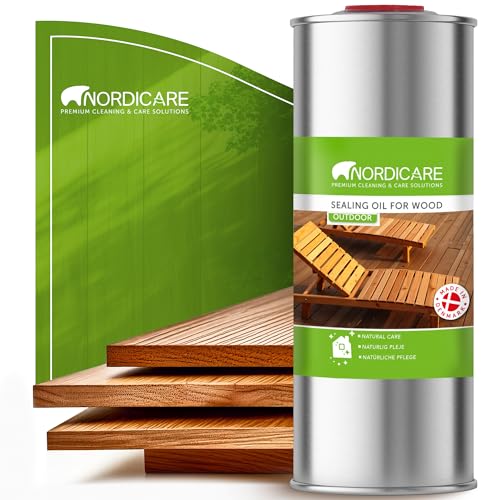
🌱 UNLEASH THE BEAUTY OF YOUR OUTDOOR WOOD WITH TEAK OIL: Our premium wood finish and sealer is specially formulated for outdoor furniture, providing waterproof protection and enhancing the natural color and structure of teak, mahogany, pine, beech, oak, and other wood types. Preserve and beautify your outdoor wood with confidence.

🌱 UNLEASH THE BEAUTY OF YOUR OUTDOOR WOOD WITH TEAK OIL: Our premium wood finish and sealer is specially formulated for outdoor furniture, providing waterproof protection and enhancing the natural color and structure of teak, mahogany, pine, beech, oak, and other wood types. Preserve and beautify your outdoor wood with confidence.
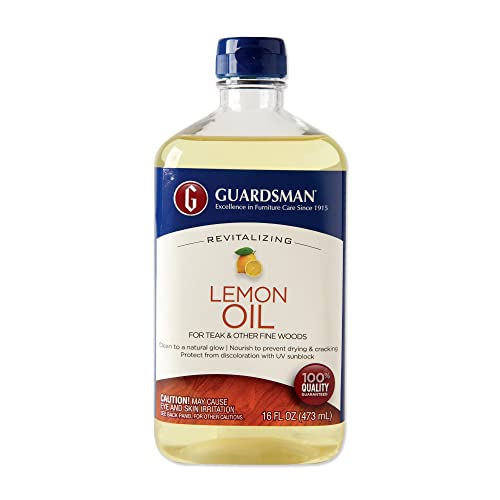
Indoor and outdoor furniture cleaner protects, restores, and gently cleans away built-up surface grime and residue; use on your teak outdoor furniture and other fine wood furniture to prevent drying, warping, splitting, as well as fading and discoloration
Outdoor Durability in Various Climates
Since you’re choosing between Danish Oil and Teak Oil for outdoor furniture, climate conditions will greatly impact which product delivers better long-term protection. Danish oil maintains durability for 10-18 months under standard conditions but loses effectiveness by six months in wet climates. Teak oil lasts 6-12 months between applications, with high UV areas reducing that lifespan by three months. The climate influence on moisture absorption differs markedly between these products. Danish oil’s waterproof layer resists mold formation effectively in humid environments, making it superior for moisture-rich regions. Conversely, teak oil provides water resistance rather than waterproofing, allowing moisture absorption that causes gray weathering. In covered outdoor areas, both products extend durability by six months due to reduced weather exposure, though Danish oil remains the better choice for consistently damp climates.
Best Uses for Garden Furniture
When you’re selecting between Danish Oil and Teak Oil for your garden furniture, the maintenance routine and protective treatment you’ll commit to should directly influence your choice. Danish oil works exceptionally well for hardwood furniture styles requiring a satin finish and deeper wood penetration. You’ll appreciate its water-resistant properties for contemporary designs. Teak oil suits teak and eucalyptus furniture best, particularly suited for traditional furniture styles experiencing heavy seasonal use. You should reapply teak oil monthly during spring and summer months to maintain ideal protection. For best types of outdoor pieces, match your oil selection to wood species and climate exposure. Fine sanding before application improves adhesion regardless of which oil you choose, ensuring superior durability and aesthetic preservation.

Apply periodically to refresh your dense woods and help protect them from UV rays
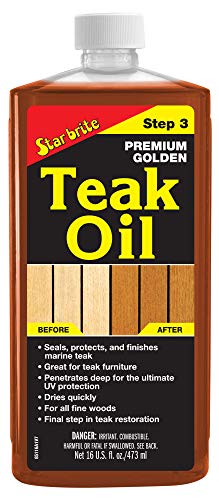
ULTIMATE WOOD PROTECTION: STAR BRITE Teak Oil provides superior protection for teak and other fine woods - Suitable for teak furniture, marine teak, decks and teak shower benches

INCLUDES - Teak Cleaner (17 oz), Teak Brightener (17 oz), Teak Oil (17 oz). Does not include Lint Free Cloth, Scrub Brush, or Bucket. For these additional items see the Garden Restoration Kit.
Color and Wood Tone Enhancement
The visual transformation of your outdoor furniture depends heavily on which oil you choose, as Danish Oil and Teak Oil produce distinctly different aesthetic outcomes. Danish Oil imparts a warm, amber tone with a lustrous semi-gloss finish, while Teak Oil delivers a subtle, matte appearance that emphasizes texture. Your wood’s color response varies greatly by species—lighter woods like pine show dramatic changes, while dense hardwoods require more coats. Danish Oil’s varnish content creates more pronounced color enhancement and superior finish longevity, resisting fading and wear in high-traffic areas. Teak Oil naturally darkens wood but may fade with sun exposure. Apply multiple thin coats with sanding between applications for even color penetration and consistent results.
UV Protection and Sun Damage Prevention
Because UV radiation degrades wood fibers and causes discoloration, your choice between Danish Oil and Teak Oil greatly impacts how well your outdoor furniture withstands sun exposure. Danish oils incorporate active UV stabilizers and free radical scavengers that neutralize harmful rays, offering deeper penetration and extended UV stability through chemical protection. Teak oil functions as a passive barrier, preventing moisture and UV rays from penetrating dense hardwoods like teak and mahogany. For full exterior exposure, teak oil delivers superior immediate resistance on hardwood furniture. Danish oil suits semi-protected settings but requires more frequent maintenance in intense sun exposure. Both demand regular reapplication—apply minimum three coats of Danish oil to maximize UV defense. To further extend the life of your teak furniture, consider using protective covers or winter storage alongside your chosen oil application. Proper joist spacing and structural support can also help ensure your outdoor furniture remains stable and level on deck surfaces. Neither replaces marine-grade varnishes in extreme climates.
Cost-Effectiveness for Outdoor Projects
While both Danish oil and teak oil carry comparable upfront costs, their total cost of ownership diverges considerably based on maintenance frequency and durability. Danish oil’s 10-18 month lifespan between applications greatly reduces your long term savings compared to teak oil’s 6-12 month reapplication cycle. You’ll apply Danish oil roughly half as often, decreasing labor expenses and material costs notably over multiple years.
When developing budgeting strategies for outdoor furniture protection, factor in the cumulative expenses of frequent reapplication. Teak oil’s shorter durability means you’ll purchase and apply the product more often, compounding costs. Danish oil’s extended intervals between treatments make it the economically superior choice for projects prioritizing budget efficiency. Similar to composite decking projects that require proper site preparation and framing to ensure durability, outdoor furniture finishes benefit from strategic planning and quality application. For maximum long-term protection and cost savings, consider pairing these oils with a UV-resistant topcoat like spar urethane to extend the lifespan of your outdoor furniture finish. You’ll recover your investment faster while minimizing ongoing maintenance expenditures.
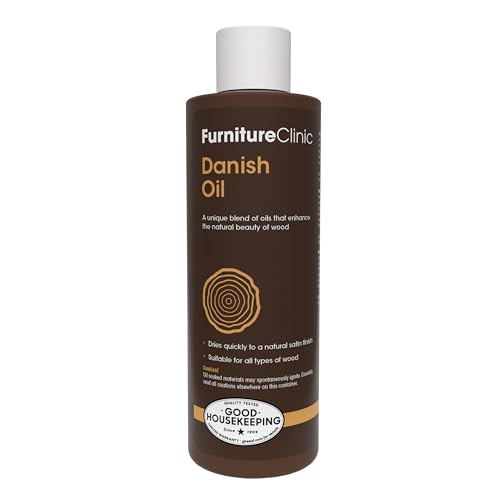
SEALS & PROTECTS: Effectively seals and protects wood surfaces from moisture, dirt, and wear, extending the lifespan of your wood projects.
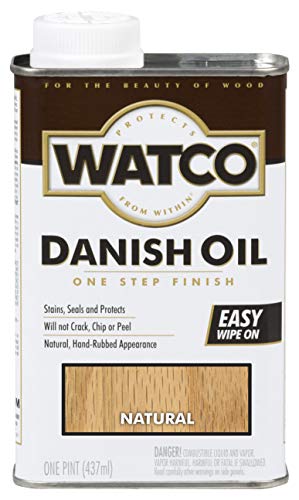
Ideal for use on a variety of indoor wood surfaces including bare, stripped or sanded; not recommended for floors

SUPERIOR PENETRATING POWER: Danish wood oil is a natural linseed oil beauty for all wooden surfaces. Suitable for use on all types of wood. Easy to apply and dries quickly. Provides an attractive, natural, satin finish.