Lacquer vs. Polyurethane: Best Finish for Outdoor Furniture
For outdoor furniture, you’ll want polyurethane over lacquer because it resists moisture, UV damage, and temperature fluctuations far better. Lacquer’s brittleness causes cracking and peeling in harsh weather, while polyurethane—especially spar varieties—maintains gloss and flexibility outdoors. Though polyurethane takes longer to dry, its superior durability means fewer repairs and lower long-term costs. Water-based polyurethane also reduces health risks and environmental impact. Understanding which finish truly maximizes your furniture’s lifespan requires examining specific performance metrics.
Durability and Resistance
When you’re selecting a finish for outdoor furniture, durability should be your primary concern, and polyurethane greatly outperforms lacquer in this regard. Your performance evaluation reveals that polyurethane forms a resilient film resisting chipping and cracking, while lacquer’s brittleness makes it prone to stress damage. Polyurethane maintains integrity through temperature fluctuations, whereas lacquer degrades rapidly under seasonal changes.
For cost comparison, lacquer initially appears cheaper, but its shorter lifespan demands frequent reapplication, ultimately increasing expenses. Polyurethane’s superior moisture resistance prevents wood swelling and water damage—critical for outdoor environments. Its flexibility absorbs impacts without cracking, while lacquer’s hardness becomes a liability, creating surface vulnerabilities. Additionally, polyurethane resists yellowing and fading from UV exposure better than lacquer. For outdoor furniture, specialized finishes like spar urethane provide better UV resistance and flexibility than traditional polyurethane formulations. Proper preparation with sanding and cleaning ensures optimal adhesion and performance of your chosen finish. When durability matters, polyurethane delivers superior long-term value.

Protects indoor wood surfaces such as furniture, windows, cabinets, trim and more

PROTECTIVE CLEAR FINISH – Minwax Helmsman Spar Urethane is specially formulated as a protective varnish for wood for interior and exterior projects. It contains special UV blockers that reduce the sun’s graying and fading effects.

3X‑THICK ONE‑COAT PROTECTION: Formulated to be three times thicker than Varathane Ultimate Water‑Based Spar Urethane, allowing excellent durability and project completion up to three times faster in just one coat
Appearance and Finish Quality
While polyurethane’s durability makes it the practical choice for outdoor furniture, appearance and finish quality matter prominently to homeowners seeking both protection and aesthetics. Lacquer naturally produces an exceptional high-gloss finish that showcases wood grain with remarkable clarity. Its optically transparent surface maintains finish clarity without yellowing, delivering a professional-grade appearance ideal for fine pieces. However, lacquer’s susceptibility to moisture and UV damage compromises its outdoor longevity. Standard lacquer finishes typically last only 2-3 years outdoors, making them poorly suited for external exposure compared to specialized exterior finishes.
Polyurethane, particularly oil-based formulations, offers superior gloss retention in harsh outdoor conditions. Oil-based variants provide warmer depth compared to water-based options, which tend toward plasticky appearances. While polyurethane resists UV exposure and maintains its glossy finish despite environmental stress, quality varies greatly between budget and premium products. Like paint and stain finishes, polyurethane formulations vary in their environmental VOC levels and durability performance. Your choice ultimately depends on balancing aesthetic preferences against outdoor exposure demands.

PROTECTIVE CLEAR FINISH – Minwax Helmsman Spar Urethane is specially formulated as a protective varnish for wood for interior and exterior projects. It contains special UV blockers that reduce the sun’s graying and fading effects.

Ideal for use on exterior wood surfaces above the water line, including trim, railings and wood furniture

PROTECT WOOD SURFACES – Minwax Polyurethane Wood Finish protects interior projects like woodwork, furniture, floors and cabinets. The oil-based, clear top coat is one of the most durable coatings for wood protection against scratches, spills and more.
Application and Maintenance
Because application speed and working conditions fundamentally differ between these finishes, your choice greatly impacts both project timeline and execution method. Lacquer’s rapid 20-30 minute recoat times enable you to complete multiple coats quickly, though you’ll need precise application techniques with spray equipment. Polyurethane’s extended 8-24 hour drying periods allow you brush application without rushing, offering greater flexibility.
Your maintenance frequency differs greatly between finishes. Polyurethane’s superior durability reduces reapplication needs, lowering long-term maintenance costs. Lacquer, conversely, requires more frequent maintenance due to lower durability and environmental susceptibility. Pre-catalyzed lacquers demand meticulous edge coverage to prevent moisture infiltration and finish failure. For outdoor furniture, polyurethane’s moisture-sealing capability provides extended protection, minimizing maintenance demands over time. Materials like teak wood require minimal maintenance and can last 30 to 75+ years, demonstrating how wood selection combined with proper finish choice significantly extends furniture lifespan.
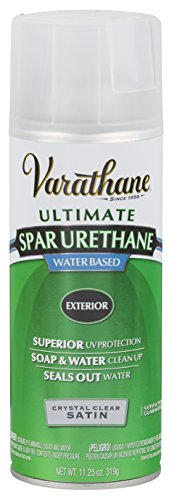
Protects outdoor wood surfaces such as furniture, fences, boats, trim and more

Ideal for use on all interior wood surfaces including furniture, doors, trim and more

Protects outdoor wood surfaces such as furniture, fences, railings, trim and more
Outdoor Suitability
For outdoor furniture, polyurethane’s superior durability fundamentally outperforms lacquer across all environmental exposure scenarios. You’ll find polyurethane resists moisture, UV rays, abrasion, and thermal fluctuations that lacquer can’t withstand. Weather factors like humidity and intense sunlight cause lacquer to fade, soften, and peel prematurely.
Different exposure types demand different protection levels. Polyurethane’s tough barrier shields wood from water damage and frequent spills, maintaining consistent properties under harsh conditions. Lacquer’s penetrating nature provides inadequate surface protection, leaving your furniture vulnerable to environmental stress. Wood with high moisture absorption properties, such as rubberwood, requires especially robust finishing solutions to prevent deterioration.
You’ll appreciate polyurethane’s resistance to bacteria, fungi, and mildew in humid climates. While lacquer dries quickly, it requires multiple coats and can’t match polyurethane’s longevity outdoors. Polyurethane easily withstands decades of use with proper maintenance, making it the definitively superior choice for outdoor furniture applications. For those seeking maximum durability, UV stabilization and non-porous surfaces provide exceptional resilience that even polyurethane-finished wood struggles to match.

PROTECT WOOD SURFACES: SENVEN Polyurethane Protective Finish protects and adds beauty to your interior wood projects, including woodwork, furniture, doors and cabinets. The clear top coat protects against scratches, spills, dirt and more.

Use on railings, furniture, trim, boats (above the waterline)
Environmental and Health Considerations
Polyurethane’s outdoor performance advantages don’t come without environmental and health tradeoffs that warrant careful examination. Oil-based polyurethane releases higher VOC emissions—particularly toluene—causing respiratory irritation and central nervous system effects. Water-based polyurethane notably reduces these health risks through lower VOC concentrations, making it the safer choice for application and nearby occupants.
Lacquer finishes present comparable concerns, emitting esters and aromatic hydrocarbons that frequently exceed indoor air quality thresholds. You’ll face greater health risks during application without proper ventilation, as both finishes expose you to potentially harmful airborne chemicals.
Production processes compound these issues. Polyurethane manufacturing relies on fossil fuel-based chemicals, while lacquer production contributes substantial VOC emissions. Water-based polyurethane better aligns with environmental regulations due to reduced air pollutant emissions, offering you a more ecologically responsible option despite similar outdoor durability.
Cost and Long-Term Value
While lacquer finishes command a lower upfront purchase price, polyurethane products demand a premium investment that reflects their advanced formulation and enhanced protective properties. Your cost analysis reveals that polyurethane’s higher initial expense yields substantial long-term savings through reduced maintenance cycles and minimal recoating requirements. Lacquer necessitates frequent touch-ups and repairs due to susceptibility to chipping, scratching, and environmental degradation. When you conduct an investment comparison across your project’s lifespan, polyurethane’s durability advantage—particularly for high-traffic outdoor applications—offsets elevated upfront costs. Lacquer repairs remain economical, but their cumulative frequency increases total ownership expenses. For outdoor furniture, you’ll find polyurethane’s resistance to moisture, chemicals, and UV exposure prevents costly weather-related damage, making it the financially prudent choice for extended service life. Regular maintenance with soft brush and mild soap helps preserve any finish’s longevity by removing dirt and preventing buildup that can compromise protective coatings. Selecting weather-resistant materials like marine-grade polymers and powder-coated aluminum can further enhance your furniture’s longevity and reduce long-term maintenance expenses beyond finish selection alone.
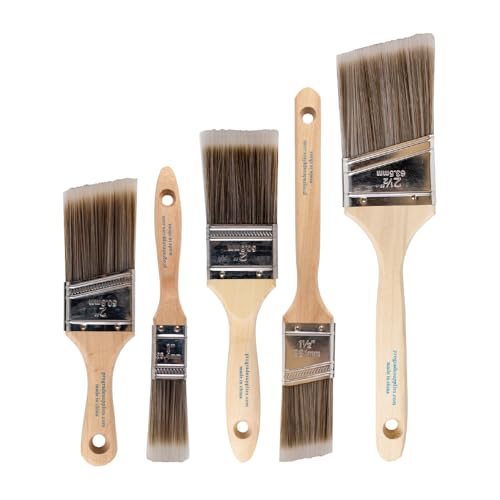
COMPLETE 5-PIECE BRUSH SET FOR EVERY PAINTING TASK — Includes 1 Inch Flat, 1.5 Inch Angle, 2 Inch Flat, 2 Inch Angle Stubby, and 2.5 Inch Angle brush giving you every size professional painters use daily. Get all 5 for less than the price of a single brush from hardware store brands — professional grade performance at a fraction of the cost. Perfect for walls, trim, cabinets, doors, furniture, and detailed cutting-in work on any project.

PROTECTIVE CLEAR FINISH – Minwax Helmsman Spar Urethane is specially formulated as a protective varnish for wood for interior and exterior projects. It contains special UV blockers that reduce the sun’s graying and fading effects.

MARINE GRADE VARNISH imparts a rich, clear amber tone that enhances wood grain; creates a durable, uv resistant, waterproof finish that won't fade; ideal for interior and exterior wood, brightwork on boats & outdoor furniture