How to Protect Patio Furniture During Rainy Weather
You’ll protect your patio furniture by applying waterproof coatings like Scotchgard to fabrics and marine varnish to wood, then layering marine-grade covers with vented construction to prevent moisture buildup. Choose solution-dyed olefin or premium pre-treated fabrics like Sunbrella for superior rain resistance. Store cushions in waterproof containers and elevate furniture to prevent water pooling. Establish seasonal cleaning routines using mild soap and inspect coatings regularly for effectiveness. A thorough strategy combining materials, covers, and maintenance guarantees lasting durability through wet seasons.
Waterproofing Outdoor Cushions and Fabrics
When you’re shopping for outdoor cushions, the fabric type you choose fundamentally determines how well your furniture’ll withstand rainy weather. Solution-dyed olefin and acrylic fabrics offer superior fade and stain resistance compared to polyester options. You can further enhance protection by applying waterproof coatings like Scotchgard or 303 Fabric Guard, which create a durable surface barrier that repels water and stains. Before applying these sealants, you’ll need to clean and dry your cushion fabrics thoroughly, then spray thin, even layers across all surfaces, including seams. Multiple coats may be necessary for peak water resistance. You should test effectiveness by observing how water beads on the fabric after drying. For long-term durability, consider investing in premium pre-treated fabrics like Sunbrella or Tempotest, which come with built-in water and stain resistance that outperforms standard coatings. This multi-layered approach to cushion fabrics guarantees your outdoor furniture remains protected throughout rainy seasons.

WATER REPELLENT SPRAY: One Scotchgard Outdoor Sun & Water Shield Fabric Spray, 10.5 oz can, that repels water and protects against the sun's UVA/UVB rays
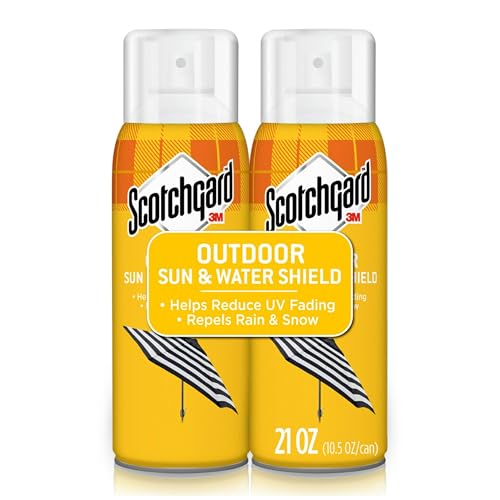
Strong fabric protection repels water based spills for easier cleanup

Strong fabric protection repels water based spills for easier cleanup
Protecting Wooden Patio Furniture
Because wood is naturally susceptible to moisture damage, you’ll need to apply protective finishes that create a durable barrier against rain and humidity. Start by thoroughly cleaning and sanding your furniture along the grain, then remove all dust with a tack cloth. Oil-based polyurethane offers superior durability for outdoor conditions, though marine or spar varnish provides excellent UV protection. Apply multiple thin coats rather than one thick application to build an effective protective layer. Spar urethane typically lasts 3–5 years with proper maintenance, making it an excellent choice for long-term outdoor furniture protection. Natural oils like tung and linseed penetrate wood fibers effectively, though they require periodic reapplication. Recoat your finish every couple of years depending on exposure levels. For wood moisture management, consider covering furniture during heavy rain or storing pieces indoors seasonally. Tightening hardware and replacing rusted parts ensures your furniture remains stable even during wet weather conditions. Different finish types—sealers, combination stains, and UV-protective coatings—each serve distinct purposes for long-term protection.

Protects outdoor wood surfaces such as furniture, fences, railings, trim and more

PROTECTIVE CLEAR FINISH – Minwax Helmsman Spar Urethane is specially formulated as a protective varnish for wood for interior and exterior projects. It contains special UV blockers that reduce the sun’s graying and fading effects.

PROTECT WOOD SURFACES – Minwax Polyurethane Wood Finish protects interior projects like woodwork, furniture, floors and cabinets. The oil-based, clear top coat is one of the most durable coatings for wood protection against scratches, spills and more.
Waterproofing Wicker and Metal Furniture
While wooden furniture benefits from oils and varnishes that penetrate the grain, wicker and metal components require different waterproofing approaches tailored to their unique material properties. For wicker treatments, apply marine or polyurethane varnish in multiple coats to create a protective barrier. Alternatively, use specialized waterproofing sprays or treat fibers with tung oil or linseed oil to repel moisture. Clean wicker thoroughly before application to guarantee proper adhesion, and ensure proper air circulation to prevent mold and mildew from developing underneath protective coatings. Avoid harsh chemicals that can damage wicker fibers and compromise the effectiveness of your waterproofing treatments. For metal coatings, you’ll want rust-resistant paints or powder coating to prevent oxidation. Inspect metal regularly for rust or chipped paint, touching up immediately with rust-inhibiting products. Store metal furniture under covers to minimize rain exposure. Reapply both wicker treatments and metal coatings annually or every 1-2 years depending on environmental conditions, or consider using high-quality breathable covers as an additional protective layer during extended rainy periods.
High Performance Waterproofing: Designed to maintain texture and breathability of nubuck and suede footwear while adding water repellency

➤ Safe for you and everything you spray it onto; provides ultimate stain, dirt and water repellent for any fabric upholstery, including leather and suede; great for protecting furniture from pet stains and sticky fingers

WATERPROOFING STAIN – Bring out the beauty of your outdoors with Thompson’s WaterSeal Clear Multi-Purpose Waterproof Stain. Proven to waterproof concrete, brick, exterior wood and other exterior surfaces.
Using Covers and Shelter to Protect Patio Furniture
Physical barriers like covers and shelters form your first line of defense against moisture damage, extending the lifespan of your outdoor investments considerably. You’ll find multiple cover types suited to different climates: 300D marine-grade polyester with polyurethane coating, 600D solution-dyed fabric for heavy-duty durability, and breathable canvas options that prevent condensation buildup. Sunbrella fabric delivers 99% UV blockage with superior fade resistance.
Fastening systems matter equally. You’ll need adjustable shock cords to secure covers during wind, double-stitched seams that prevent water infiltration, and elastic hems for consistent positioning. Vented construction allows proper airflow underneath, reducing mold and mildew growth. Select covers with fully finished tailoring and rot-proof thread to eliminate vulnerable edges and extend durability across multiple seasons. Just as proper surface preparation is essential for deck staining to ensure even adhesion and protection, selecting the right cover materials and fastening systems ensures your furniture receives maximum weather protection and longevity.

Weatherproof Shield: Made from heavy-duty 420D Oxford fabric with a PU waterproof coating, these outdoor furniture covers waterproof help protect your patio furniture from rain, snow, and dust; Designed for reliable year-round outdoor protection with durable, easy-to-maintain fabric

Quickly removes stains caused by mold and mildew on contact without heavy scrubbing; EASY TO USE - spray, wait until the stain disappears, then rinse

COMMERCIAL-GRADE SPECS ENGINEERED FOR MARINE USE — Seascape marine vinyl delivers 110,000-cycle abrasion resistance (ASTM D4157), 650-hour UV resistance Class 5.0 (ASTM D4329-13), and cold crack rated to -22°F. Built and tested to outperform generic imports in real marine, automotive, and outdoor environments.
Cleaning and Maintenance Practices
Regular cleaning and maintenance protect your patio furniture from the moisture damage that rain inevitably brings. Establish consistent cleaning schedules at the beginning and end of each season, with additional cleanings as needed based on weather conditions and debris accumulation.
For frames, wipe down all-weather materials with a soft damp cloth, then use a mild detergent solution and bristled brush for deeper cleaning. Rinse thoroughly with low-pressure water, avoiding pressure washers on powder-coated finishes.
Clean outdoor cushions with mild dishwashing liquid or a vinegar-water mixture for stubborn stains. Confirm complete drying before storage to prevent mold growth. To prevent moisture accumulation that leads to mold and mildew, use protective covers during rainy periods and when storing cushions seasonally.
Regular maintenance directly extends furniture longevity. Dust wicker crevices frequently, inspect metal parts for rust, and apply weatherproof sealants to vulnerable materials for enhanced protection. Apply UV protectants annually to combat environmental degradation.
Methods and Products for Waterproofing Application
Strategic waterproofing requires matching the right products to your furniture’s material composition and applying them with precision. For wood, you’ll choose between film-forming varnishes like polyurethane and penetrating oils such as tung oil, each offering distinct product effectiveness. Metal furniture demands rust-resistant paints and metal-specific sealants applied over properly sanded surfaces. Fabric pieces benefit from spray-on protectors like Scotchgard™ or wax-based sealants for canvas. Selecting furniture made from weather-resistant materials like marine-grade polymers or powder-coated aluminum provides inherent protection that reduces the need for frequent reapplication of waterproofing products.
Your application techniques greatly impact results. Clean and fully dry all surfaces beforehand—moisture undermines effectiveness. Sand wood and metal to guarantee proper adhesion. Apply thin, uniform coats in well-ventilated areas, allowing adequate drying between applications. Multiple coats considerably enhance protection. For maximum durability, consider investing in furniture constructed from UV stabilized resin, which resists cracking and fading while preventing water absorption and mold growth. Follow manufacturer instructions precisely regarding drying times and recoat intervals to maximize durability against rainy weather exposure.
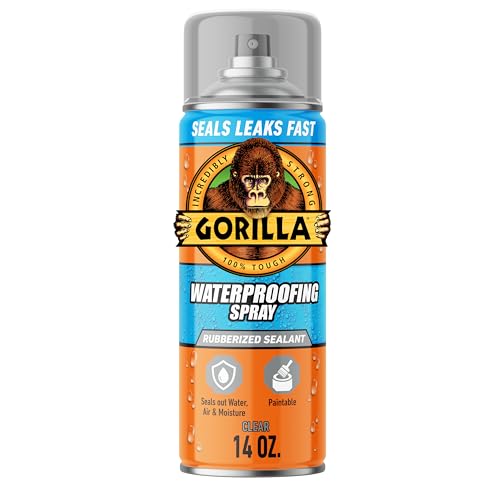
Seals out water, air, and moisture: Gorilla waterproof sealant provides a flexible rubberized coating that seals out water, air, and moisture to stop and prevent leaks

Prevents Water Damage and resists color fading
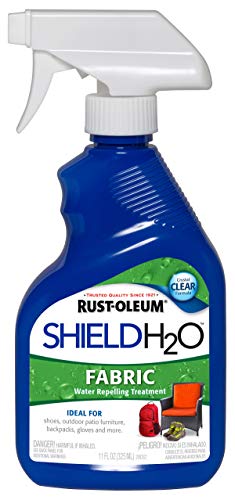
Ideal for long lasting moisture resistance on shoes, patio furniture, apparel, camping gear and more
Layered Protection Strategies for Maximum Defense
While waterproofing treatments form your furniture’s chemical defense, layered protection strategies amplify that foundation by addressing the physical environment where your patio pieces sit. You’ll maximize durability by combining elevation enhancements with shade combinations. Raise furniture on blocks or feet to prevent water pooling that causes wood sogginess and metal rust. Simultaneously, install pergolas over main seating areas and umbrellas at dining zones to shield cushions from UV degradation and moisture. Add dual-layer protective covers featuring waterproof outer layers and soft inner linings to guard against scratches and wind damage. Secure covers with elastic hems and tie-down straps to withstand storms. When installing pergolas for weather protection, account for dynamic forces from movement that can multiply stress on mounting points during windy conditions. Ensure your patio structure meets guardrail safety requirements if your furniture is positioned on an elevated deck to maintain both protection and compliance. This integrated approach—elevation, shade, and covers working together—creates extensive defense against diverse weather factors, greatly extending your furniture’s lifespan.
Seasonal Storage and Extended Weather Exposure
Beyond the immediate defense mechanisms you’ve established, protecting your patio furniture through seasonal change and extended weather exposure requires deliberate preparation that mirrors your layered protection approach. You’ll begin by cleaning and thoroughly drying all surfaces before storage, then apply protective coatings like car wax for aluminum or paste wax for wicker. Seal cushions in waterproof bags to prevent moisture infiltration and pest damage. Prepare your storage space with climate control, dehumidifiers, and proper ventilation to maintain moisture control. Elevate furniture off floors using plastic sheeting as a moisture barrier. For extended outdoor exposure, choose weather-resistant materials like powder-coated aluminum or all-weather wicker. Invest in quality furniture covers made of breathable, water-resistant materials such as 600 to 900 denier polyester to allow condensation to evaporate and prevent mold and mildew growth. Remove and store cushions separately in waterproof containers, ensuring thorough air-drying before storage to eliminate any moisture that could promote mold or mildew growth during the off-season. Ensure thorough protection against seasonal deterioration.
Inspecting and Maintaining Waterproof Coatings
Your waterproof coatings won’t maintain their protective properties indefinitely—they’ll degrade over time depending on environmental exposure and usage patterns. Establish a seasonal coating inspection routine to catch deterioration early. Watch for water that no longer beads up, visible mold, or peeling varnish—these signals indicate reapplication is necessary.
Test effectiveness by pouring water onto treated surfaces, paying special attention to seams and zippers where vulnerability peaks. If water soaks in, you’ll need another coat.
Between recoating applications, maintain your furniture with regular cleaning using mild soap and soft cloths. Address rough spots on wood with light sanding before resealing. Tighten all hardware connections to prevent water penetration. Most waterproof sprays last one season, while lacquered wood requires renewal every two to three years for maximum durability.