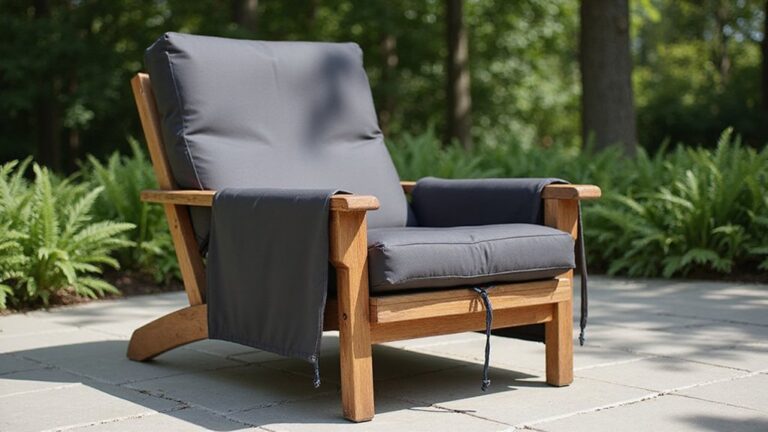
Building Outdoor Furniture With Composite Wood: a DIY Guide
You’ll build durable outdoor furniture that resists rot, pests, and UV fading when you choose composite wood. Pre-drill holes with sharp blades, then fasten joints with 3½-inch screws and structural adhesive for strength. Incorporate hidden fasteners for a polished aesthetic while maintaining consistent spacing for seasonal expansion. Your finished pieces’ll require only soap and water cleaning every few weeks. Uncover advanced techniques that’ll elevate your project’s durability and design appeal.
Why Choose Composite Wood for Outdoor Furniture
When you’re selecting materials for outdoor furniture, composite wood stands out because it fundamentally outperforms traditional wood in weathering harsh environmental conditions. You’ll gain composite advantages like superior rot and pest resistance—termites and mold won’t compromise your investment. Unlike natural wood, composite won’t warp, splinter, or fade under UV exposure or temperature swings.
You’ll appreciate the minimal maintenance requirements too. Instead of sanding and staining annually, you’ll simply rinse with soap and water. This reduces long-term costs remarkably despite higher upfront pricing. Like resin furniture, composite materials benefit from UV stabilization that protects against sun damage and color fading over extended periods.
The environmental benefits matter equally. You’re choosing a material manufactured from recycled plastics and post-consumer waste, diverting garbage from landfills while reducing deforestation demand. With lifespans exceeding 15 years, you’ll replace furniture less frequently, lowering your overall environmental footprint. While premium woods like ipe offer longevity, composite materials provide an eco-conscious alternative that performs comparably in outdoor settings.

Low Maintenance & Easy Assembly: This rocking fire pit chair is easy to clean with just soap and water—no painting or staining needed. Simple assembly and weather-resistant performance make it a convenient and stylish choice for your deck, lawn, or porch.

ALL-WEATHER MATERIAL:LZRS small outdoor tables are made of recycled plastic HDPE material with a textured grain finish and the realistic wood-like look. This material prevents warping, dents, rot, and fading, it perfectly improves the shortcomings of solid wood, which is easy to rot, mold, chip, peel and crack.
FAST CLAMP TIME: Bonds strong and fast with a clamp time of just 20–30 minutes; fully cured in 24 hours to keep your projects moving on schedule
Essential Tools and Materials You’ll Need
Now that you’ve decided composite wood offers the durability and low-maintenance benefits you’re seeking, you’ll need to gather the right tools and materials to bring your outdoor furniture project to life.
For cutting techniques, you’ll want a circular saw, miter saw, and jigsaw to handle various angles and detailed cutouts in composite boards. A power drill with multiple bit sizes guarantees precise pilot holes and screw placement.
Your fastening options should include composite deck screws, exterior screws, and structural wood screws rated for outdoor applications. Consider hidden fasteners or Cortex screws for seamless top-down installation. Through bolts with washers provide high-performance connections.
You’ll also need pressure-treated lumber for frames, cedar materials for accents, sawhorses for workspace support, and stainless-steel hardware rated for treated lumber compatibility.

Use indoors or outdoors: Give your indoor or outdoor projects a Gorilla Tough bond with waterproof Ultimate Gorilla Wood Glue (passes ANSI/HPVA Type I), our most durable wood glue

Proven Type I Waterproof Performance: Passes ANSI/HPVA Type I water-resistance standards, making it ideal for outdoor woodworking, cutting boards, furniture, and projects exposed to weather conditions.

Dual-Bristle Construction: The only deck brush to effectively clean both deck boards and seams at once! With Unger Professional's Wood & Composite Deck Brush, one tool is all you need to thoroughly clean your standard sized deck with ease
Step-by-Step Construction Techniques
Transform your composite wood materials into sturdy outdoor furniture by mastering the key construction techniques that account for this material’s unique properties. Start with cutting techniques using sharp blades and conventional tools like saws and routers. Pre-drill all holes before inserting nails or screws to prevent splitting. Guarantee adequate support during cuts since composite wood flexes easily when warmed. For fastening methods, use 3½-inch screws or framing nails with air nailers or hand-driven options. Apply polyurethane-based glue or epoxy alongside mechanical fasteners for maximum joint strength. Start each joint with glue and a single screw, then add additional fasteners for security. Consider using hidden fasteners between boards to achieve a seamless, polished appearance while reducing the risk of splitting. Maintain consistent spacing between boards to allow for material expansion and contraction throughout seasonal changes. Add cross braces to prevent sagging and maintain structural integrity throughout your finished piece.

Hard wearing berber glide furniture leveling feet – Premium adjustable furniture leg levelers for tables, chairs, patio furniture, deck furniture, outdoor furniture, and more. Great screw in furniture sliders for outdoor and indoor use. Please measure existing furniture socket to ensure you choose the correct size and review size / fit information images.

- Complete 100-Piece #8 x 2 Inch Deck Screws Set - Includes 100pcs carbon steel deck screws and a matching T25 Torx Drive Bit, ready for immediate installation without extra tools. Perfect for medium-duty outdoor projects like decking, fencing, and outdoor furniture assembly, saving you time and effort.

All-in-One Outdoor Solution: 110-piece assorted wood deck screws + included T25 star bit—no extra tool purchases needed, ready to use right out of the box for decking, landscaping, and log projects.
Design Ideas and Assembly Methods
Once you’ve mastered the fundamental construction techniques, you’re ready to explore the design possibilities that composite wood offers and select the assembly methods that’ll best serve your project. Creative designs range from minimalist modern to rustic, leveraging composite wood’s versatility for Adirondack chairs, benches with built-in storage, and modular components.
For assembly techniques, pocket hole joinery delivers strong, hidden connections ideal for DIY projects. Lap joints increase surface area for bonding, while butt joints reinforced with stainless steel screws provide reliable fastening. Use exterior-grade wood glue for durable bonds, and incorporate dowels or biscuits for alignment on larger assemblies. Heavy-duty applications benefit from bolts and washers. Consider knock-down furniture using cam locks for convenient disassembly and transport. For premium outdoor furniture, hidden fastener systems offer a cleaner aesthetic while maintaining structural integrity. When attaching composite components to a structural base, pre-drilling holes prevents cracking and ensures a professional finish.
MOST DURABLE WOOD GLUE: 100% waterproof Ultimate formula bonds hardwoods, softwoods, and natural wood composites and withstands exposure to water, sun, and extreme temperatures

Weatherproof & long lasting outdoor furniture pads – These outdoor furniture sliders floor protectors feature a UV stabilized clear sleeve with long lasting premium marine grade berber to withstand the outdoor elements and provide lasting deck / patio floor protection. Great furniture socks for both indoor and outdoor furniture.

Weatherproof & long-lasting outdoor furniture pads – These outdoor chair leg sliders floor protectors feature long lasting premium marine grade berber to withstand the outdoor elements. Great furniture feet pads for both outdoor and indoor applications.
Long-Term Maintenance and Care
While composite wood’s durability makes it an excellent choice for outdoor furniture, you’ll need to establish consistent maintenance routines to maximize its lifespan and preserve its appearance. Implement cleaning techniques every 2–3 weeks using mild dish soap, warm water, and soft-bristle brushes to prevent dirt accumulation. Vacuum debris before washing to avoid surface scratches, then rinse thoroughly and air-dry completely.
For seasonal storage, deep-clean furniture before winter coverage and store cushions indoors during cold months. Inspect hardware monthly for corrosion or looseness, tightening components promptly. Apply waterproof protectant spray before harsh weather, and elevate furniture to reduce ground moisture contact. Consider applying UV inhibitor finishes to prevent sun damage and fading of your composite furniture.
Address spills immediately using a 1/3 bleach solution for stubborn stains. When cleaning composite furniture, use soft bristles to avoid damaging the surface while removing mildew and stains effectively. Avoid high-pressure washers and abrasive cleaners that damage surfaces. These proactive measures guarantee your composite furniture remains structurally sound and aesthetically appealing for years.

WATER REPELLENT SPRAY: One Scotchgard Outdoor Sun & Water Shield Fabric Spray, 10.5 oz can, that repels water and protects against the sun's UVA/UVB rays

FURNITURE PROTECTANT AND SPRAY: Furniture protectant creates a protective barrier on contact with simple spraying action; Removes light dust, dirt, salt spray, and grime

Superior UV inhibitors protect against color fading, peeling and cracking caused by the sun on Outdoor Garden and Décor