The Ultimate Guide to Cleaning Your Decking Boards
You’ll restore your deck’s appearance by identifying your material type—wood, composite, or PVC—then selecting appropriate cleaning methods. For wood, use oxygenated cleaners with soft-bristled brushes. Composite decks tolerate mild detergents and low-pressure washing below 3,100 psi. PVC requires only soap and water with soft cloths. Equip yourself with safety gear, stiff-bristled brushes, and a pressure washer rated 1,600 psi or less. Uncover how proper techniques and protective finishes extend your deck’s lifespan considerably.
Identifying Your Decking Material Type
Before you can properly clean your decking boards, you’ll need to identify what material you’re working with.
Wood characteristics include natural grain patterns, color variations, and visible knots. Pressure-treated wood displays a greenish or brownish tint from chemical treatment. Tropical hardwoods showcase dense grain with rich colors ranging from yellow to deep reddish brown.
Composite features present uniform texture and consistent wood-like appearance with minimal board-to-board variation. These boards blend wood fibers with recycled plastics or resins.
Polymer benefits emerge in fully synthetic boards featuring smooth, plastic-like surfaces without wood fibers. They resist staining and fading while allowing vibrant color options.
Inspect your deck’s surface texture, color consistency, and finish. Natural wood shows weathering signs like cracking, though some wood species like cedar offer natural resistance to rot and decay that extends their longevity. Composite and polymer boards resist these deterioration patterns, offering smoother, more uniform appearances that guide your cleaning approach. Proper deck attachment through ledger board installation ensures your decking structure remains stable and protected from water damage during cleaning and maintenance.
Essential Tools and Safety Equipment
To clean your decking boards effectively, you’ll need to assemble the proper tools and protective gear before beginning any work. Your tool selection should include a stiff-bristled scrub brush, broom, and specialized gap-cleaning implements for debris removal. A pump sprayer delivers cleaning solutions evenly, while a pressure washer at 1,600 psi or less accelerates rinsing without damaging wood fibers.
Essential safety gear protects you throughout the process. Wear chemical-resistant gloves, goggles, and a respirator when handling cleaning agents. Long sleeves, pants, and closed-toe footwear with good traction minimize exposure to chemicals and prevent slips on wet surfaces. A shop vacuum or leaf blower efficiently removes loose debris, reducing dust inhalation. Buckets and measuring containers guarantee accurate solution preparation, preventing over-concentration of cleaning chemicals that could harm your deck’s finish. Avoid pressure washers exceeding recommended limits, as overly stiff bristles can damage the wood surface. For stubborn grime or mold growth, consider pre-treating with a diluted vinegar solution to improve cleaning results before pressure washing.
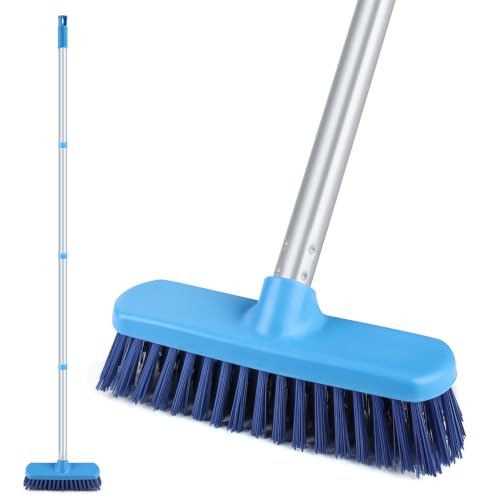
Scrub Brush with Long Handle: The shower cleaning brush consist of stainless steel pole and PP material brush head. The shower srubber brush length with 4 metal iron poles that can be adjusted from 16 inches to 50 inches as you want. Don't need bend or squat down yourself while cleaning

VERSATILE CONNECTION - Compatible with any standard 3/4" threaded broom handle, making it an essential addition to any cleaning kit. The scrub brush head can also be used independently as a handheld floor scrub brush. Handle sold separately.

A Unique Bi-Level Shaped Design: Tackle tough stains and dirt with this stiff, durable bi-level brush that cleans from multiple angles. The unique design allows you to access tight corners and hard-to-reach places for more aggressive outdoor cleaning
Step-by-Step Cleaning Methods by Material
Since different decking materials require distinct cleaning approaches, you’ll need to tailor your method to your deck’s specific composition. For wood decks, use oxygenated cleaners with sodium percarbonate, applying the solution with a soft-bristle brush before rinsing thoroughly. Composite decks tolerate mild detergents and low-pressure washing below 3100 psi with plastic brushes. PVC or vinyl decks require only soap and water with soft cloths, avoiding pressure washing entirely. Your cleaning frequency depends on environmental conditions—shaded, moist areas need more frequent attention. For stubborn stains on any decking material, consider boosting your cleaning solution with baking soda or vinegar to enhance stain removal effectiveness. After cleaning, allow surfaces to dry completely before applying any surface treatments or sealants, as complete air-drying helps prevent moisture trapping and guarantees protective coatings adhere properly, extending your deck’s longevity.

100% PURE Uncoated Sodium Percarbonate, an excellent multi-purpose cleaning and bleaching agent for many tasks around your home. Uncoated Sodium Percarbonate is the best type for mixing, DIY, and cleaning around the home.

Oxygen Bleach Powder for Stain Removal – Pure sodium percarbonate delivers powerful oxygen cleaning action. Safely removes stains, brightens fabrics, and eliminates odors without chlorine.

100% PURE Uncoated Sodium Percarbonate, an excellent multi-purpose cleaning and bleaching agent for many tasks around your home. Uncoated Sodium Percarbonate is the best type for mixing, DIY, and cleaning around the home.
Restoring and Protecting Your Deck
Once you’ve thoroughly cleaned your deck, you’ll want to assess its structural integrity before moving forward with restoration. Inspect for rot, cracks, and loose fasteners, replacing damaged boards with pressure-treated wood and securing replacements with rust-resistant fasteners.
Next, prepare surfaces by sanding away weathered fibers and removing old finishes with chemical strippers if necessary. Recess nail heads and replace corroded hardware. Verify complete drying before applying protective finishes.
Select high-quality exterior stains or sealants appropriate for your wood type and climate. Apply with brushes or rollers, moving with the grain to achieve even coverage. Consider using mildew-resistant stains to enhance protection in humid environments. Multiple coats maximize protection against UV damage and moisture penetration. For decks previously finished with solid stain, ensure all loose previous stain is scraped away before applying new coats.
Ongoing deck maintenance requires regular resealing, fastener inspection, and prompt repairs to prevent structural deterioration and extend your deck’s lifespan.
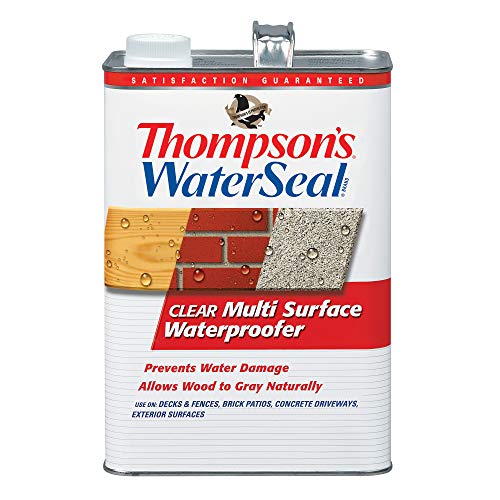
WATERPROOFING STAIN – Bring out the beauty of your outdoors with Thompson’s WaterSeal Clear Multi-Purpose Waterproof Stain. Proven to waterproof concrete, brick, exterior wood and other exterior surfaces.

READY-TO-USE DECK STAIN & SEALER: Olympic WaterGuard woodland cedar semi-transparent wood stain and sealant combines color and waterproofing in one water-based, ready-mix coat.

Waterproofing deck stain & sealer with all-in-one protection
Eco-Friendly Practices and Long-Term Maintenance
As you’ve restored your deck’s appearance and structural integrity, you’ll want to adopt sustainable cleaning and maintenance practices that protect both your investment and the environment. Implement preventive maintenance by scheduling regular cleanings with eco-friendly, plant-derived cleaners that biodegrade quickly without harming ecosystems. Choose sustainable products bearing EPA Safer Choice certifications, ensuring they’re phosphate-free and VOC-free. Apply low-pressure rinsing techniques using soft-bristle brushes to minimize water waste and wood damage. Between cleanings, allow natural drying periods to prevent chemical accumulation. Protect your deck with water-based, low-VOC sealers annually, and consider using natural bristle brushes or specialized applicators for even penetration during maintenance treatments. For decking boards, consider materials like rot-resistant cedar that naturally withstand moisture and UV damage, reducing the need for intensive chemical treatments. Monitor local landscaping practices to prevent fertilizer runoff degradation. This proactive approach extends your deck’s lifespan while reducing environmental impact considerably.