10 Creative Ways to Repurpose Your Old Deck Railing
You can transform your old deck railing into nine functional features for your home and garden. Build a rustic outdoor bench using salvaged balusters and posts, or create garden trellises for climbing plants. Design decorative garden edging, mailbox posts, and pathway markers to enhance landscaping. Construct outdoor tables, storage solutions, and artistic wall installations using weather-resistant techniques. You’ll also learn how to craft indoor staircase features and pet gates that maximize durability and aesthetic appeal.
Transform Your Railing Into a Garden Trellis
Before you haul that old deck railing to the landfill, consider repurposing it into a functional garden trellis. You’ll find that cedar and pressure-treated lumber resist weathering exceptionally well, extending your trellis’s lifespan considerably. The sturdy balusters and posts provide excellent vertical support for climbing plants without requiring extensive cutting or preparation.
You can create multiple trellis types from your railing components. A-frame configurations work well for vining plants in compact spaces, while horizontal baluster arrangements create lattice-style structures ideal for beans and peas. Vertical orientations with horizontal slats form traditional ladder designs.
For plant compatibility, you’ll want to match your trellis design to your plants’ needs. Lightweight vines like peas climb easily on closely-spaced balusters, while heavy fruiting plants such as grapes demand reinforced frames with additional cross-bracing for adequate support. To extend your repurposed railing’s durability even further, consider applying topical sealers to protect the wood from moisture and UV damage. Like weather-resistant materials used in outdoor furniture, proper protective treatments help your wooden trellis withstand environmental challenges year after year.

A square structure is more robust and sturdy. Premium Natural Fir Wood: Made of premium solid wood with weather-resistant coating, this garden arch features waterproof and fade-proof performance for long outdoor service. Smooth polished surfaces prevent splinters, offering safe use for families and perfect growing conditions for climbing plants on this wood trellis.

Crafted from sustainably sourced FSC-certified cedar
Build a Rustic Outdoor Bench
When you’ve salvaged balusters and posts from your old deck railing, you’ve got the ideal materials for constructing a sturdy rustic bench that doubles as both seating and a safety barrier. Anchor your frame securely to existing deck joists using lag bolts and heavy-duty brackets, ensuring structural stability. Space bench slats evenly with 1/2-inch gaps for drainage and airflow. Add a 2×6 top plate for a comfortable, clean-lined seat edge that enhances user comfort.
Incorporate ergonomic design by angling the backrest slightly. Similar to pergola slat positioning, consider how slat orientation affects comfort and aesthetics on your bench design. Apply weatherproof coatings and stains to preserve reclaimed wood’s rustic finishes while protecting against outdoor elements, similar to the weather-resistant protection methods used for seasonal furniture storage. Consider tiered seating on larger decks for visual interest. Position your integrated seating to frame views and create inviting conversation areas that harmonize with your outdoor aesthetics.
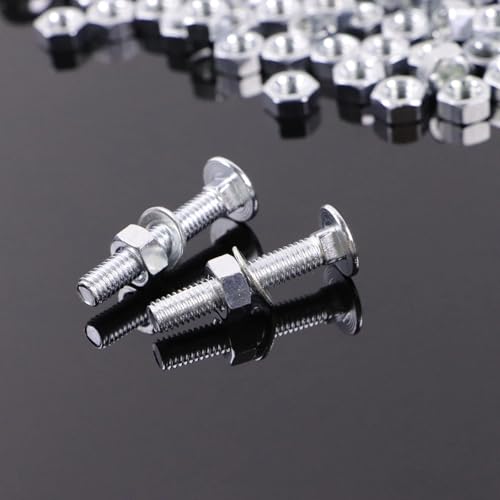
Specialized Metal Frame Connection Specifically engineered to securely fasten wooden bench slats to metal frame ends, providing superior stability and load distribution for long-lasting outdoor furniture construction

【Beautiful Decoration】Choose from timeless black, white or carbonized to match your outdoor style.The wagon bench’s smooth wood grain and simple design fit right into outdoor space—whether your space is modern, rustic, or anything in between.

【DURABLE MATERLAL & STABLE STRUCTURE】This garden wagon wheel bench is made of 100% fir wood and handled with burn finish to resist corrosion and water, making this outdoor rustic bench more durable and longer lasting. Solid wood construction is strong enough to hold up to 660 pounds, providing a solid seating area year after year. Our wooden garden bench is made from FSC-Certified wood
Create Decorative Garden Edging and Posts
Your salvaged deck railings offer three versatile applications for garden transformation: defining bed borders, creating vertical structures, and organizing tools. You can install vertical railing posts as standalone markers to outline garden rows, then paint or stain them to match your garden style. Ornate metal balusters add vintage charm while defining planting zones and controlling foot traffic. For plant support, lean railing sections against walls to create trellises for climbing flowers and vines. You’ll maximize vertical space by converting multiple pieces into A-frame structures. Horizontal balusters provide attachment points for hanging potted plants using S-hooks. Additionally, you can repurpose railings as raised bed edging—their decorative texture enhances garden appeal while retaining soil. Before applying any finish, ensure your salvaged railings are thoroughly cleaned to remove dirt and old coatings, and allow them to dry completely before staining or painting. When preparing salvaged railings for outdoor use, consider using carbide-tipped blades to make any necessary adjustments or cuts to fit your garden layout. This approach combines durability with rustic aesthetics throughout your landscape.
Design a DIY Outdoor Table or Bar
Once you’ve maximized your deck railing’s garden potential, you can repurpose remaining sections into functional outdoor furniture that extends your living space. You’ll create a railing-mounted table by securing two 1×6 boards as your tabletop with three shorter boards wrapped around for table stability. Use pocket hole jigs with 1¼” exterior screws and waterproof wood glue to guarantee durable, weather-resistant joints. Add a 1×2 rim on three sides to prevent items from shifting.
For portable design flexibility, you can build a balcony bar using two planks—one 40cm wide for the surface, one 30cm wide for support—connected with adjustable hooks. This configuration allows you to relocate your bar between patios and pool decks effortlessly while maintaining structural integrity across varying railing widths. To ensure your repurposed furniture maintains its appearance and durability over time, consider applying primer plus spray paint formulated for your material to protect against weathering and UV damage. For outdoor wooden furniture, varnish offers superior weather resistance compared to polyurethane, making it an excellent choice for long-lasting protection and aesthetic appeal.

【CLASSIC AMERICAN FARMHOUSE CHARM】 Embrace the warmth of traditional outdoor living. Crafted from solid wood with a deep, carbonized finish, this railing table brings a rustic, heirloom-quality feel to your balcony. Unlike synthetic plastic or composite lumber, it connects you with nature. Perfect for sipping morning coffee, tending to potted plants, working on your laptop, or even drying your shoes—it turns a cramped apartment balcony into a cozy, nostalgic retreat.

Connectable 2-Piece Set: This 2-piece hanging table set gives you flexible setup options, allowing it to be used as one extended surface or as 2 separate bar tables. You can enjoy a seamless surface for relaxation or working with the included connecting hardware

Quality Material: Universal pole mount/deck clamp is made from sturdy, rust resistant, powder coated, cast iron.
Craft an Indoor Staircase Feature
Three distinct approaches can transform old deck railings into striking indoor staircase features that blend functionality with aesthetic appeal. First, you can adapt wooden balusters or metal railings as repurposed banisters, refinishing them to match your interior while maintaining structural integrity. Second, you’ll integrate ornate carved sections as statement elements, combining them with modern inserts like wire mesh for balanced design. Third, leverage sturdy deck posts as newel posts, anchoring your installation with decorative caps. Each method enhances staircase aesthetics through reclaimed materials that reduce waste. You’ll guarantee safety by maintaining proper handrail height and baluster spacing per code standards. Fresh paint or varnish improves durability while creating visual coherence with your décor, transforming utilitarian deck materials into sophisticated architectural focal points. Consider how dappled light effects from nearby windows can highlight your repurposed railing installation, especially if positioned near stairwells with natural illumination. To ensure your refinished railings maintain their appearance and longevity, consider applying multiple coats with sufficient drying time between applications for optimal protection and finish quality.
Construct a Pet Gate or Safety Barrier
Because repurposed deck materials offer durability and visual continuity, they’re ideal for constructing pet gates that protect your home while maintaining design cohesion. Your pet gate design should match your existing railing height and baluster spacing for seamless integration. Use Merbau decking for superior wear resistance against animal contact. Construct your safety barrier construction using pocket hole joinery with water-resistant adhesives like Titebond III to prevent moisture damage. Space vertical stiles consistently at 30mm intervals, and make your gate width 1 inch narrower than the opening for smooth operation. Install diagonal bracing to prevent sagging under pet weight. Cedar wood offers natural rot resistance and stability, making it an excellent alternative material choice for outdoor pet gates. Mount hinges to masonry using corrosion-resistant Number 10 by 3-inch Spax screws positioned in mortar joints. For a finished appearance that complements your home’s aesthetic, consider applying oil-based enamel spray paint to your pet gate for enhanced durability and a smooth, professional look. Sanding and finishing your gate with penetrating oils or varnishes will provide additional weather protection. This approach creates a durable, attractive barrier.
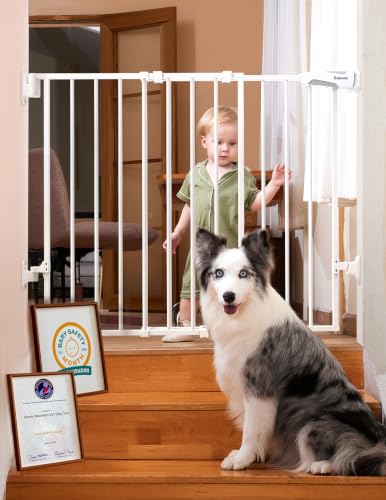
Accommodates Most Openings: Babelio 26-43" hardware mount baby gate is specifically designed for stairs and bannisters, and the width of the safety gate can be adjusted to fit top or bottom of stairs, doorways and hallways. And 28 inch tall make it perfect for toddlers and medium pet

Accommodates Most Openings: Babelio 26-43" hardware mount baby gate is specifically designed for stairs and bannisters, and the width of the safety gate can be adjusted to fit top or bottom of stairs, doorways and hallways. And 28 inch tall make it perfect for toddlers and medium pet

Simplified Installation: Our sliding gate kit includes all essential gate frame hardware for effortless setup, featuring an all-in-one lock that requires no additional assembly. The adjustable tracks and semi-open frame allow for flexible installation—no need for precise measurements, making it perfect for DIY projects
Fashion a Mailbox Post or Sign Support
Your old deck railing posts can serve as excellent mailbox post material when they meet specific structural requirements. You’ll need to conduct a thorough post inspection to verify that posts are plumb, crack-free, and untwisted before repurposing them.
For mailbox stability, secure mounting is essential. You must anchor posts firmly in the ground or mount them to a stable concrete base. Use screws with countersunk holes for secure attachment, ensuring posts remain square and aligned for level installation. Before installation, consider removing any existing stain or finish with chemical strippers to prepare the surface for new materials.
Consider cladding posts with composite materials or treated wood to enhance durability and aesthetics while hiding imperfections. For posts with existing notches or irregular surfaces, precise measurement techniques can help ensure your cladding material fits seamlessly around any complex features. If posts fail structural requirements, don’t reuse them—compromised posts pose stability risks. Professional inspection guarantees safety, ensuring your repurposed mailbox post functions reliably for years.
Build an Artistic Wall Installation
How can old deck railing components transform into striking wall art? You’ll arrange cut railings into geometric patterns—diagonal arrows, X shapes, or Chippendale motifs—creating visual interest through repeating grids of vertical and diagonal panels.
Enhance artistic textures by integrating metal accents, mixing solid panels with patterned inserts, and incorporating LED lighting behind slats to highlight cast shadows. Consider combining materials strategically: pair salvaged glass panels with stainless steel cables for a contemporary aesthetic, or blend wood posts with metal pipes bent into organic shapes for industrial contrast.
Before installation, thoroughly clean and seal all components to guarantee durability. To prevent rust and extend the lifespan of metal fasteners integrated into your wall installation, promptly dry around metal fasteners after cleaning. Use protective covers during adverse weather to preserve the integrity of your installation. Use proper mounting hardware rated for the total weight. Contrast different wood finishes—staining versus painting—to emphasize your design’s structure and maximize visual depth throughout the installation.
Make a Garden Divider or Pathway Marker
While wall installations celebrate the artistic potential of deck railings, garden dividers and pathway markers showcase their practical functionality. You can install repurposed railings to establish visual boundaries between distinct planting zones, enhancing garden organization. Position railings vertically between beds to separate vegetable patches, flower sections, or herb gardens, making maintenance more efficient.
For pathway applications, you’ll set railings along garden walkways to guide foot traffic and prevent soil compaction. Install them using concrete footings for stability or attach them to existing landscape timbers for semi-permanent solutions. Space railings consistently to create visual rhythm while marking clear separations between garden areas. Proper fastener placement and ledger board attachment methods can ensure your garden structures remain secure and stable through seasonal changes.
Consider your material choice carefully—wood requires sealing, metal needs rust protection, and composite offers low-maintenance durability. You can enhance these functional dividers by training climbing plants like clematis or ivy along the railings, creating living screens that evolve seasonally.
Develop an Outdoor Storage Solution
Repurposed deck railings open up practical storage solutions that transform your outdoor space into an organized, functional area. You can construct hinged storage benches that provide seating while concealing items beneath weatherproof tops. Transform railing components into deck boxes with locking lids and adjustable shelves, protecting contents from the elements. Consider building underdeck sliding drawers fitted to your specific dimensions for bulky items, or create rail planters with hidden compartments for gardening tools and accessories. You’ll also find that custom storage skirts with removable panels effectively conceal bins underneath your deck while complementing its aesthetic. Before undertaking these projects, check your local building codes to ensure compliance with any permit requirements in your area. By using weather-resistant materials like composite or PVC throughout your outdoor organization projects, you’ll guarantee durability and longevity while maximizing your deck’s functionality and space efficiency.
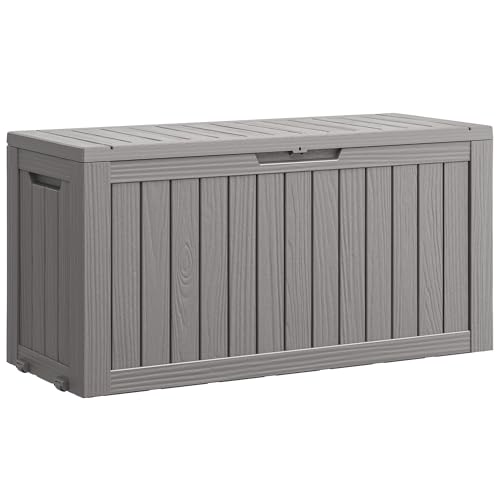
Dimensions - The dimensions of this storage box are 44.9"L x 18.1"W x 22.5"H. This upgraded waterproof and windproof resin material combines aesthetics with practicality, providing this outdoor storage box with protection against water, UV rays, fading, and warping. Virtually maintenance-free for years.

Storage & Seating Combo: With internal dimensions of 15.7 × 35 × 13 in (40 × 89 × 33 cm), this 2-in-1 outdoor storage bench comfortably seats two people and offers ample storage space for various items. It features a pneumatic support rod for easy and safe access, preventing finger pinching. The side handle makes it easy to move around.

【100 Gallon Large Storage Capacity】Featuring a 100-gallon oversized space, this deck box centrally stores patio cushions, pool supplies, garden tools and seasonal items. It efficiently organizes scattered outdoor stuff for a neat and clutter-free yard.