The Ultimate Guide to Removing Deck Stains
You’ll need to strip your deck stain properly before applying a fresh coat. Choose between chemical strippers, sanding, or a combination approach depending on your stain type, wood condition, and existing layers. Chemical stripping works best for penetrating semi-transparent stains with minimal labor, while sanding removes all residue but risks grain damage. Always wear proper PPE, test small areas first, and allow adequate dwell time. The right method depends on your specific situation.
Understanding Different Types of Deck Stains
Five primary stain categories exist for deck finishing, each offering distinct protection levels and aesthetic properties. Clear stains showcase natural wood grain but require frequent maintenance. Semi-transparent options balance color visibility with moderate UV protection, lasting 2–4 years. Semi-solid stains provide higher pigment content while preserving some grain character. Solid stains deliver maximum coverage and protection, ideal for masking imperfections on older decks.
Your wood type determines the best stain selection. Cedar and redwood benefit from semi-transparent applications that enhance natural tones. Pressure-treated pine requires solid or semi-solid stains to even out variable coloring. Exotic hardwoods like Ipe demand lighter, penetrating oil-based stains.
Proper wood preparation tips guarantee stain adhesion and longevity. Before stain application techniques, you’ll need thorough cleaning and sanding to create suitable surface conditions. Just as pergola roofing materials require accurate measurements for proper fit and performance, deck stains demand precise surface preparation to ensure optimal adhesion and protection. Oil-based products penetrate deeply but dry slower, while water-based formulations dry faster and resist color fading. Water-based stains also offer lower VOC emissions compared to their oil-based counterparts, making them a more environmentally responsible choice for eco-conscious homeowners.
Identifying Your Stain: Oil-Based vs. Water-Based
Oil-based stains penetrate deeply into wood pores, offering superior water resistance and protection against warping. They dry slower—4 to 12 hours—giving you extended working windows for even application. However, they fade quickly under sun exposure and emit higher VOCs.
Water-based stains dry rapidly in roughly 2 hours, making them ideal for humid climates. They form protective surface films rather than penetrating deeply, and they’re environmentally safer with lower VOC emissions. Their main drawback: they require multiple coats and complete sanding between applications. Proper surface preparation techniques, including pressure washing and brightening the deck, are essential before applying either stain type to ensure optimal adhesion and longevity.
While oil-based stains provide deep wood penetration, water-based formulations prioritize environmental safety and faster drying times. Understanding these stain characteristics and application methods helps you assess which option best suits your deck’s condition and your removal strategy.
Choosing the Right Deck Stain Stripper for Your Project
How do you know which stripper will effectively remove your deck’s stain without damaging the wood underneath? Your stripper selection depends on understanding formulation comparison across available options.
Caustic strippers containing sodium hydroxide handle solid, semi-transparent, and transparent stains effectively, though they require neutralizing agents afterward. Solvent strippers using NMP work well for stubborn finishes without methylene chloride concerns. For environmental sensitivity, biodegradable formulations minimize impact while maintaining performance.
Consider your wood type carefully. Softwoods like pine need gentler formulations to prevent fiber damage, whereas hardwoods tolerate stronger strippers. Gel-based options suit vertical surfaces, while powdered variants offer superior storage convenience. Once your wood is stripped and prepared, applying thin, even coats following the wood grain will help achieve an optimal finish.
Always test small areas first to verify compatibility. Match your stripper choice to your specific stain type and wood condition for best results and minimal substrate damage. Before applying any stripper, ensure your deck has undergone proper cleaning and preparation to remove dirt, mildew, and previous coatings that could interfere with effective stain removal.

DESIGNED TO REMOVE SPECIALTY DECK COATINGS AND PAINTS FROM MULTIPLE SURFACES - Remove Paint, Latex, Polyurethane, Shellac, Varnish, Acrylic, Oil Based Coatings and More in usually a Single Application!

CITRISTRIP Paint & Varnish Stripping & Removing Gel is easy to use.
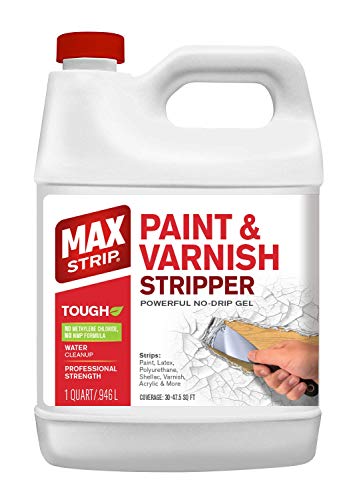
DESIGNED TO REMOVE PAINT AND VARNISH FROM MULTIPLE SURFACES - Remove Aftermarket Paints, Latex, Polyurethane, Shellac, Varnish, Acrylic, Oil Based Coatings and More in usually a Single Application!
Popular Stain Removal Products and Their Effectiveness
The market offers several proven formulations, each designed to tackle specific staining challenges on your deck. Restore-A-Deck Wood Stain Stripper excels at removing stubborn finishes with minimal scrubbing, covering 1,000 sq. ft. per bag affordably. For solid color coatings, RAD PaintStrip Stripping Gel strips multiple layers rapidly while remaining eco-friendly—a critical environmental consideration for outdoor projects.
Defy Exterior Wood and Deck Stripper handles both water and oil-based stains using biodegradable formulas, making it ideal for environmentally conscious deck maintenance tips. Behr Premium requires thorough neutralization and power washing, demanding more effort than solvent-based alternatives. Equisol products target particularly stubborn, aged finishes effectively. When using chemical strippers, allowing the solution to dwell before pressure washing ensures the old stain softens adequately for easier removal. For optimal results, ensure your deck has adequate drying time between applications before applying any new stain products.
Your selection depends on stain type, environmental priorities, and labor tolerance. Match your stripper choice to your specific deck’s condition for best results.

Removes existing, weathered, semi-transparent stains and sealers

EASY STAIN STRIPPING: Powerful deck stain stripper for wood removes weathered, clear, or semi-transparent stains. Spray on with a pump-up sprayer and rinse with a power washer for best results.

IMPORTANT READ FIRST - Will not remove solid color opaque stains, paints, polyurethanes, or excessively over-applied acrylic (water-based) stains. If you have a question about if this will work for removing your stain, please ask below in the Questions Area with the brand name and type of stain being removed or contact us directly.
Step-by-Step Chemical Stripping Process
Once you’ve selected the right stripper for your deck’s specific needs, you’ll need to follow a methodical approach to guarantee effective stain removal and ideal results for your refinishing project. Start by shaking the container thoroughly, then pour it into a glass or metal vessel to prevent melting. Apply the stripper liberally using nylon brushes or rollers across manageable one-square-foot sections, ensuring complete coverage in grooves and corners. The chemical reaction requires moisture, so cover treated areas with plastic wrap for 2-4 hours. Your stripping techniques must include careful scraping after dwell time, followed by low-pressure rinsing to remove dissolved residue. For thick coatings, repeat the application. Allow complete drying before inspecting for touch-ups or sanding needs, as proper surface preparation is essential for optimal paint adhesion on your refinished deck. To prevent damage to surrounding surfaces like vinyl siding, consider using biodegradable paint removers as a safer alternative when working near your home’s exterior.
Neutralization and Safety Protocols
After you’ve completed the chemical stripping process, neutralizing residual chemicals and following strict safety protocols become essential to protect both your deck and yourself. You’ll neutralize sodium hydroxide using oxalic acid or wood brightener solutions, which restores pH balance and removes gray fibers and rust stains. Always wear appropriate PPE—gloves, eye protection, and respirators—to prevent chemical burns and respiratory irritation. Rinse thoroughly with water or low-pressure washers before applying neutralizers. Allow adequate dwell time for the neutralizing agent to work effectively. Your neutralization techniques must include multiple rinses depending on stripper residue thickness. Chemical safety requires disposing of residues properly per local regulations and ensuring the deck dries completely before sanding or recoating. Test on inconspicuous areas first to confirm proper reactions. Before applying fresh stain, inspect your deck for any remaining damage that may need attention. Once your deck is properly neutralized and dried, sanding rough or peeling areas will prepare the surface for fresh stain application to achieve a stunning, long-lasting finish.
Sanding Versus Chemical Stripping: Which Method Works Best
Now that you’ve neutralized residual chemicals and established proper safety protocols, you’re ready to choose your primary method for removing old stains and coatings—and this decision considerably impacts your project’s timeline, wood quality, and overall results.
Chemical stripping excels at penetrating semi-transparent stains and film-based coatings with minimal labor, though it won’t level uneven surfaces. Sanding techniques systematically remove all residue while smoothing high spots for uniform finish application. However, aggressive sanding risks grain damage. Your best approach depends on coating type and condition: use stripping first for multiple stains, then apply light sanding for surface refinement. This combination maximizes chemical safety by reducing caustic exposure while ensuring professional-quality preparation that guarantees superior stain and sealant adhesion. Following manufacturer-specific guidelines for your chosen removal method will help you achieve results comparable to quality deck installation standards. Proper drying and curing time between removal methods allows the wood to stabilize before proceeding with your next preparation step.

DOWNSTREAM INJECTOR COMPATIBLE STRIPPER — water-based alkaline deck stripper formulated for soft-wash downstream injection delivery; strips old stains, coatings, sealers, and paint through standard chemical injectors
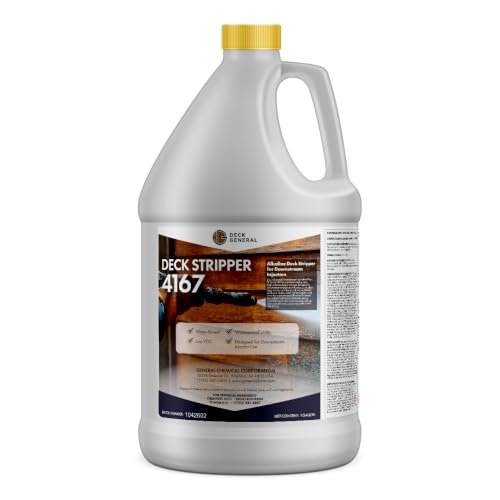
DOWNSTREAM INJECTOR COMPATIBLE STRIPPER — water-based alkaline deck stripper formulated for soft-wash downstream injection delivery; strips old stains, coatings, sealers, and paint through standard chemical injectors

STRIPS OIL AND LATEX FINISHES, SEALERS, AND PAINT — professional low-VOC formula removes deteriorated varnishes, polyurethanes, oil-based stains, latex paint, and water sealers from deck, fence, and siding wood
Preparing Your Deck for a Fresh Stain Application
Before you’ll need to clear your workspace and establish a clean foundation that promotes ideal stain adhesion. Start with deck furniture removal and thorough sweeping to eliminate debris. Use deck cleaning techniques including low-pressure rinsing and wood-specific cleaners to remove mold and old stains. Let cleaning solutions penetrate for at least 15 minutes, then scrub along the grain with synthetic brushes, avoiding wire variants that damage wood.
After rinsing completely, allow your deck to dry for 24 hours minimum in dry conditions. Test moisture content with a water droplet—it should absorb quickly. Inspect boards for damage and sand rough patches lightly. Remove all dust before final preparation. For optimal results, use a fan-style spray tip when power washing to prevent wood damage while achieving thorough cleaning.
Perform a spot stain test on inconspicuous areas, estimate stain quantity needed, and select appropriate application tools. Protect surrounding plants from overspray. Consider weather and drying times to ensure optimal stain performance and curing before exposure to moisture. Confirm all preparations are complete before staining.

Bates deck stain brush set includes 2 high-quality brushes designed specifically for staining decks and other large wood surfaces.

Bates deck stain brush features a 7.5-inch width for expansive and even application, ideal for efficiently staining decks, fences, and other large wooden areas.

Stains flat surfaces and between boards at the same time
Maximizing the Longevity of Your New Deck Stain
Once you’ve applied your fresh stain coat, protecting that investment requires a strategic approach combining smart product selection, consistent maintenance, and environmental awareness. Choose UV-protective, mildew-resistant stains with water repellents to combat sun damage and moisture infiltration. Guarantee peak stain adhesion by applying only when temperatures range between 50°F and 90°F, with wood completely dry and humidity moderate.
Implement regular deck maintenance through gentle cleaning 1-2 times annually using soft brushes rather than power washers. Sweep debris frequently to prevent moisture trapping. Before reapplying stain, prepare the surface by using a wood brightener to restore the wood’s natural pH balance for better stain adhesion. When applying stain, work in manageable sections while maintaining a wet edge to avoid lap marks. Inspect every 2-3 years to determine if touch-ups are needed. Use anti-slip tape in high-traffic areas to minimize stain abrasion. Allow new coats 24-48 hours drying time before use, with full curing taking up to a week. These practices greatly extend your stain’s protective lifespan.

WATERPROOFING STAIN – Bring out the beauty of your outdoors with Thompson’s WaterSeal Clear Multi-Purpose Waterproof Stain. Proven to waterproof concrete, brick, exterior wood and other exterior surfaces.

WATERPROOFING STAIN – Bring out the beauty of your outdoor wood with Thompson’s WaterSeal Semi-Transparent Waterproofing Wood Stain. Along with adding lightly tinted color, it’s a deck sealer that prevents water damage to help you maintain your outdoor living spaces.

ONE‑COAT PROTECTION: Oil‑base formula seals and protects exterior wood surfaces in a single coat, delivering strong defense against water and UV exposure