How to Clean Outdoor Furniture With Oxiclean Effectively
You’ll effectively clean outdoor furniture by removing cushions, rinsing away debris, and mixing one-quarter cup OxiClean per gallon of warm water. Apply the solution to surfaces using cloths or sponges, working in small sections while keeping surfaces wet. Let it sit, then scrub problem areas and rinse thoroughly. Air-dry in filtered sunlight, ensuring complete drying before storage. For extensive maintenance strategies and coastal-specific care techniques, the detailed sections below offer deeper insights into protecting your investment.
Remove Cushions and Prepare Your Furniture
Before you can effectively clean your outdoor furniture cushions with Oxiclean, you’ll need to remove them from the furniture and prepare your cleaning area. Start with cushion inspection to identify removable covers, stains, mold, or damage requiring special treatment. Check manufacturer tags for fiber content and cleaning recommendations to guarantee furniture safety and prevent fabric damage.
Carefully detach all cushions, handling seams and zippers gently. Place them on a clean drop cloth to catch runoff. Lay protective sheeting around your work area to shield outdoor surfaces from cleaning solutions.
Assemble your materials: Oxiclean, soft brushes, spray bottles, buckets, and clean towels. Position your workspace in a warm, sunny, well-ventilated location. This setup facilitates thorough drying while minimizing mildew risk and inhalation hazards during the cleaning process.

Specialized Formula for Outdoor Fabrics - Advanced formula designed for high-use outdoor surfaces, making this patio cushion cleaner, outdoor fabric cleaner, and outdoor furniture cleaner ideal for maintaining cushions and fabrics exposed to sun, moisture, and frequent use. Helps support regular care of outdoor materials without relying on harsh cleaning methods
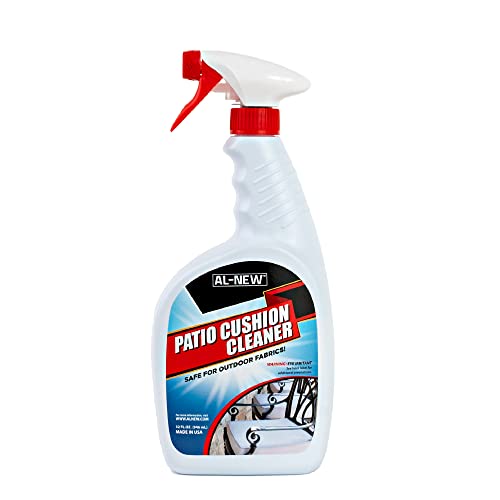
Best Way to Clean Outdoor Patio Cushions, Fabric Cushions, Patio Furniture Covers, Sunshades & Sail Cloth, Fabric Awnings, Umbrellas & More!

EFFECTIVELY REMOVES MOLD & MILDEW STAINS – Designed to eliminate tough outdoor mold, mildew stains, dirt buildup and organic staining from patio cushions and outdoor furniture fabrics.
Rinse Away Loose Debris
Now that you’ve removed your cushions and assembled your materials, you’ll want to clear away loose debris before applying any cleaning solutions. The pre cleaning importance can’t be overstated—accumulated dirt, leaves, and sticks prevent cleaning agents from contacting fabric effectively.
Start by manually removing large debris like sticks and leaves. Use a soft-bristled brush or dry paintbrush to dislodge particles from crevices and seams, working along the furniture’s grain. A vacuum with brush attachment efficiently removes cobwebs and embedded dust from tight spaces.
Next, perform efficient rinsing using your garden hose with spray nozzle. Apply adequate water pressure to dislodge embedded particles. Run multiple rinse cycles to remove all loosened debris completely. This prevents water from creating mud that adheres to fabric surfaces during cleaning. For cushions without removable covers, ensure thorough air drying after rinsing to prevent moisture damage. Similar to how proper drainage and stability are essential for outdoor structures, ensuring complete debris removal is critical for effective cleaning results.
Check Manufacturer Guidelines
Since every piece of outdoor furniture comes with specific care requirements, you’ll want to consult the manufacturer’s instructions before applying any cleaning products. These guidelines guarantee you won’t void warranties or cause irreversible damage to your investment.
Before proceeding with your cleaning tips, test OxiClean on an inconspicuous area to verify colorfastness and material compatibility. Check whether removable covers are machine washable, as this determines your cleaning approach. For material safety, confirm that your furniture’s composition—whether fabric, mesh, or another material—is compatible with OxiClean products.
Different materials require different formulations and techniques. Review the specific care instructions provided with your outdoor furniture to determine the safest and most effective cleaning method. This preliminary step prevents costly mistakes and ensures ideal results.

Quickly removes stains caused by mold and mildew on contact without heavy scrubbing; EASY TO USE - spray, wait until the stain disappears, then rinse
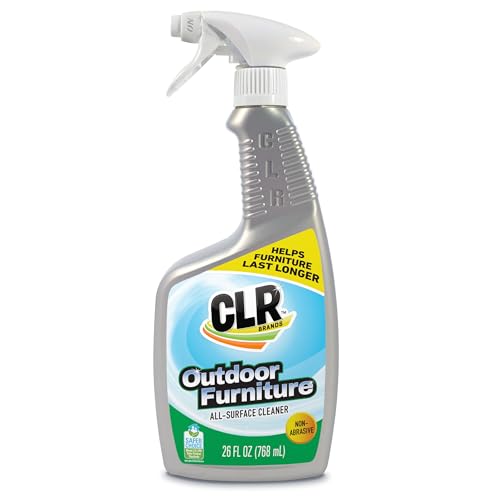
HUNDREDS OF USES: Tackle the whole yard with this powerful outdoor furniture cleaner. Formulated for use on patio, lawn and deck furniture, it is an effective and versatile product for outdoor furniture - from upholstery to plastic play sets.

REMOVE TOUGH STAINS: Home Armor Outdoor Cleaner+ powers away dirt, grime, algae, mold and mildew stains. No scrubbing required.
Mix Your Cleaning Solution
Proper preparation of your OxiClean solution determines the effectiveness of your cleaning efforts. You’ll want to maintain precise mixing ratios: approximately 1/4 cup of powdered OxiClean per 1 gallon of warm to hot tap water. Add the powder to water rather than reversing this order to prevent clumping. Stir thoroughly until no powder remains visible or settled at the bottom, ensuring complete dissolution before application.
Solution stability is critical for peak results. You should prepare fresh solution before each cleaning session since active oxygen weakens over time. Don’t allow mixed solutions to sit longer than a few hours, as cleaning power diminishes considerably. Use only plastic, glass, or non-reactive containers to avoid chemical interactions. This approach maximizes your cleaning effectiveness while minimizing waste and maintaining consistent stain removal power throughout your project.

One 64 fl oz refill of OxiClean Large Carpet Cleaner is a carpet cleaner liquid that can be used in any carpet cleaning machine
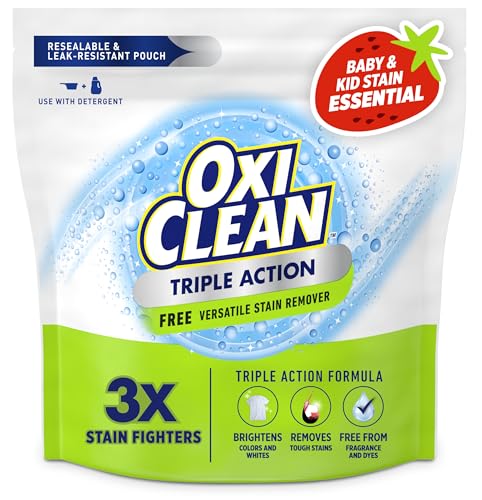
4 LB POUCH OF OXICLEAN TRIPLE ACTION FREE VERSATILE STAIN REMOVER powder is a powerful stain-fighting laundry additive and multi-purpose home stain remover that contains no dyes, and no fragrances

One 5 lb box of OxiClean Odor Blasters Versatile Odor Eliminator and Stain Remover Powder laundry booster to get out tough stains and stubborn smells
Apply OxiClean to Surfaces
Once you’ve prepared your OxiClean solution, you’re ready to apply it to your furniture surfaces. Select your application techniques based on furniture type and stain severity. Use cloths for targeted treatment, sponges for even distribution across larger areas, and brushes for textured materials. You can also pour solution directly onto expansive surfaces for efficient coverage.
Work systematically in small sections to prevent premature drying. Keep surfaces wet throughout the treatment period for peak solution effectiveness. Remove cushions and pillows beforehand to access all surfaces thoroughly. For vertical or elevated furniture, monitor application carefully to prevent dripping or uneven coverage.
Apply fresh solution as needed during the 5-30 minute standing period. This staged approach guarantees consistent, exhaustive cleaning across your entire furniture piece.
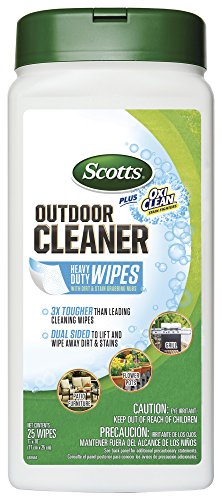
25% larger than leading cleaning wipes

Super Concentrated: Each 6oz bottle makes up to 1 gallon of powerful cleaning solution, providing excellent value with 2 bottles making up to 8 gallons total

REMOVES STAINS: Get rid of stains, and grease from your home, patio, driveway, or garage floor. These two 6 oz bottles when mixed with 4 gallons of water are enough to clean 16,000 sq. ft.
Let the Solution Work
After you’ve applied OxiClean to your furniture, patience becomes your most important tool—you’ll need to let the solution sit for 5 to 30 minutes so it can penetrate and break down stubborn stains effectively. The ideal timing depends on stain severity; lighter marks require less time, while heavily soiled areas benefit from the full 30-minute window.
Don’t allow the solution to dry prematurely. If you’re treating large surfaces, work in small sections to maintain moisture throughout the process. For fabric cushions or removable covers, extend your soaking period to 1–6 hours based on stain severity, but never exceed 6 hours as this risks fabric damage.
Set a timer to track your standing time precisely. Reapply solution if the surface begins drying before completion. Once your ideal timing window closes, thoroughly rinse with cool water to remove all residue.
Scrub and Target Problem Areas
While the OxiClean solution penetrates your furniture’s surface, you’ll want to prepare your scrubbing tools carefully—selecting the right implement makes the difference between effective cleaning and accidental damage. Use soft to medium-bristle brushes for general areas, reserving stiff brushes only for stubborn stains. Apply circular or back-and-forth scrubbing techniques with light to moderate pressure to avoid wearing finishes or fabrics.
Target problem areas with a targeted application by pouring solution directly onto heavily soiled spots—mold, mildew, rust, and accumulated dirt. Scrub seams and crevices thoroughly where grime accumulates. Work small sections at a time, frequently dipping your brush into fresh solution to maintain cleaning effectiveness. Monitor surface condition closely to prevent over-scrubbing, and keep your tools clean throughout the process.

MULTIFUNCTIONAL CLEANING BRUSH: High-quality soft household cleaning brush bristles can easily clean dirty parts of clothes, such as collars and cuffs without damaging the fabrics, and can also be used to clean stains on tiles and countertops, making home cleaning easy.

Ergonomic Design: The peanut-shaped wood body of this hand scrub brush offers an ergonomic grip, ensuring comfortable use during extensive cleaning sessions. Ideal for those seeking a reliable bristle brush for cleaning various surfaces efficiently.

MULTI PURPOSE USE: Tires, car, truck, grills, spokes, bumpers, wheel well, concrete, decks, house, pots
Rinse Thoroughly and Inspect
Your furniture’s cleanliness depends on completely removing all OxiClean residue, which you’ll accomplish through systematic rinsing with a garden hose or bucket method. Use cool water to prevent material damage while saturating cushions thoroughly. Continue rinsing until no visible bubbles emerge—bubbles indicate trapped solution within fabric weaves. For bubble troubleshooting, persistent bubbling suggests incomplete rinsing requiring multiple cycles, especially for densely padded cushions. Water clarity during the final rinse confirms successful removal. After rinsing, inspect your cushions carefully. Test inconspicuous spots first to verify color fastness and prevent discoloration. Examine fabric integrity for any damage from scrubbing or chemicals. Assess remaining stains to determine if additional cleaning cycles are necessary. Review surface uniformity to confirm even cleaning across all sections. To protect your investment long-term, consider applying weatherproof sealants appropriate for your furniture material after cleaning is complete. For optimal results, ensure thorough removal of all residues to maintain the water repellency and longevity of your furniture covers.
Dry and Maintain Your Furniture
Proper drying and maintenance will extend your outdoor furniture’s lifespan markedly, transforming a routine cleaning into long-term protection. You’ll want to air-dry pieces in filtered sunlight or partial shade rather than intense direct sun, which can damage finishes. Guarantee complete drying before covering or storing furniture indoors—trapped moisture invites mildew.
For moisture control, wipe standing water immediately and pay special attention to crevices where moisture collects. Store cushions elevated off ground surfaces to reduce accumulation risk. You should establish monthly deep inspections that identify potential issues before they escalate. Just as achieving precise cuts requires careful measurement and fitting, proper furniture maintenance demands attention to detail and consistent care.
Apply protective coatings suited to your furniture’s material—wood sealants, metal protectants, and fabric waterproofing sprays all contribute to furniture longevity. Remove weather covers regularly and allow pieces to air out, especially in humid conditions. For coastal environments, remember to rinse salt deposits from furniture to prevent corrosion and material degradation. This consistent maintenance approach dramatically extends your furniture’s functional life.