
How to Clean Outdoor Metal Furniture Effectively
You’ll clean your outdoor metal furniture effectively by matching solutions to each metal type—white vinegar for aluminum, mild soap for stainless steel, and gentler formulations for galvanized steel. Use soft-bristled brushes and microfiber cloths to avoid scratching protective coatings. Dry thoroughly with soft cloths immediately after cleaning to prevent rust formation. Inspect joints and crevices regularly where moisture collects. Establish a consistent maintenance routine with light cleaning and protective wax applications to preserve your furniture’s integrity for years to come.
Choosing the Right Cleaning Solutions and Agents
When you’re preparing to clean outdoor metal furniture, selecting the appropriate cleaning solution is essential because the wrong choice can damage your pieces rather than restore them. Your solution selection depends on the metal type and finish you’re treating. For aluminum furniture, you’ll want equal parts white vinegar and water or metal polishing pastes to address oxidation. Powder-coated pieces require non-abrasive liquid cleaners that won’t scuff the finish. Galvanized steel needs gentler acidic solutions since harsh chemicals damage the zinc coating. Stainless steel responds well to mild soap and water applied with the grain. Avoid acid, solvent, and alcohol-based cleaning agents that risk surface damage. Choose pH-neutral or mildly acidic formulations to preserve protective layers and prevent rust development. Metal railings used in outdoor settings require similar care considerations to prevent corrosion and maintain their structural integrity. After cleaning, apply a ceramic sealant or clear protective spray to create a water-repellent barrier that shields your furniture from moisture and environmental damage.
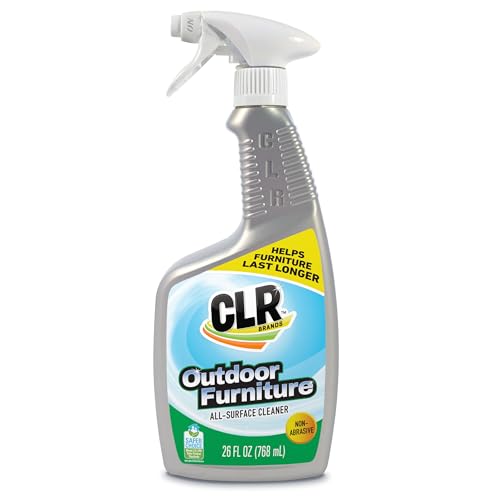
HUNDREDS OF USES: Tackle the whole yard with this powerful outdoor furniture cleaner. Formulated for use on patio, lawn and deck furniture, it is an effective and versatile product for outdoor furniture - from upholstery to plastic play sets.


Removes Both Oil & Water-Based Stains
Metal-Specific Cleaning Techniques
Different metals require tailored approaches to cleaning because their composition, coatings, and susceptibility to corrosion vary greatly. For aluminum care, you’ll apply an equal mixture of white vinegar and water to combat oxidation, or use metal polishing paste for stubborn buildup. Use fine steel wool carefully to smooth oxidized surfaces, then rinse thoroughly. For wrought iron, you’ll employ soft-bristled brushes to scrub without damaging powder coatings, followed by complete air drying. Apply automotive spray wax afterward to protect the metal and enhance shine. Both metals benefit from gentle cleaning with mild soap and water, using soft cloths to follow the grain. Remove water trapped inside frames promptly to prevent corrosion. Wrought iron’s susceptibility to rust means that protective coatings like wax should be reapplied regularly to maintain its durability outdoors. Avoid harsh commercial cleaners that compromise surface integrity on either material type. Aluminum’s resistance to rust and corrosion makes it an excellent choice for outdoor furniture that requires regular cleaning and maintenance.

OXY-POWERED OUTDOOR STAIN REMOVAL: This Outdoor Cleaner & Stain Remover delivers powerful spot cleaning with an oxy-powered formula. Designed to tackle tough outdoor stains caused by mold, mildew, algae, dirt, and grime, it helps refresh patios, decks, and outdoor living spaces
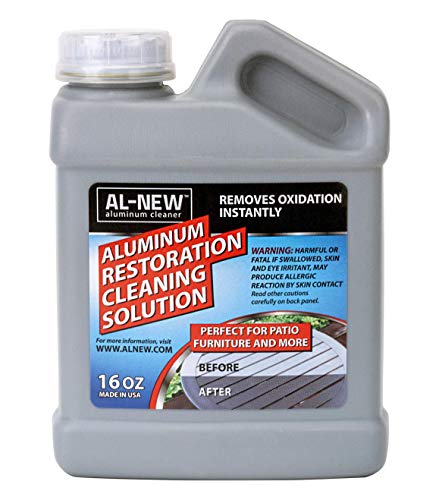
CLEAN, RESTORE, & SHINE: AL-NEW Aluminum Restoration Solution removes the chalky oxidation on painted and anodized aluminum, as well as fiberglass surfaces impacted by heat and UV exposure.

POWERFUL CLEANING ACTION: Formula that loosens and dissolves greasy, grimy messes on contact ensuring easy removal with minimal effort
Removing Rust and Preventing Future Damage
Rust represents one of the most destructive threats to outdoor metal furniture, but you can effectively combat it through systematic detection and prompt intervention. You’ll want to inspect joints, welds, and moisture-prone areas regularly to catch early corrosion. Once detected, you should remove rust mechanically using wire brushes, sandpaper, or power sanders, then wipe surfaces thoroughly dry. For optimal results when sanding, progress from coarse-grit sandpaper to finer grits to achieve a smooth surface ready for treatment.
For rust treatment, apply a rust-inhibiting primer or converter to neutralize remaining particles. Next, you’ll apply protective coatings—specifically formulated outdoor metal paints or enamels—using multiple thin layers rather than one thick coat. Allow complete drying between applications.
You can further prevent damage by using weather-resistant covers, storing furniture indoors during off-seasons, and maintaining seasonal protective reapplications. Just as ensuring proper air circulation helps prevent mold on other outdoor furniture types, it also reduces moisture buildup that accelerates rust formation on metal pieces. This systematic approach markedly extends your furniture’s lifespan.


【CONVERTS RUST INTO A PROTECTIVE COATING】Transform existing rust into a durable protective coating that helps isolate moisture and oxygen from metal surfaces. This rust converter and metal primer helps slow future corrosion while improving the appearance of lightly to moderately rusted metal.
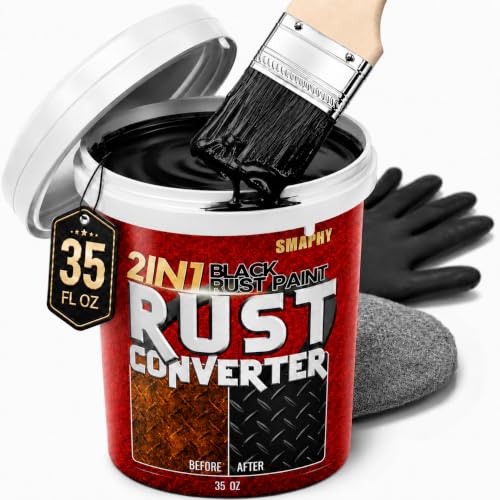
Converts & Prevents Rust In One Coat: Paint directly over rust, to instantly convert stubborn metal rust into a inert, stable rust-protective flat black finish to prevent rust permanently; no more rust on metal after being painted, ideal for outdoor/indoor bare or rusty metal
Essential Tools and Safety Precautions
To protect your furniture’s finish while removing rust and grime, you’ll need the right tools and knowledge of what to avoid. Start with soft-bristled cleaning brushes and microfiber cloths to prevent scratching. For tight spaces, use toothbrushes to access furniture joints effectively.
Avoid abrasive scrubbers, wire brushes, and steel wool on most surfaces—these damage protective coatings. Skip harsh commercial cleaners on anodized aluminum, and never use antibacterial soaps containing bleach on wrought iron. Just as thorough preparation is essential before applying protective finishes to wood surfaces, proper cleaning preparation ensures your metal furniture receives optimal protection.
Apply protective coatings regularly through automotive spray wax for wrought iron twice yearly. For stubborn oxidation that resists regular cleaning, a solution of equal parts white vinegar and water can effectively restore your aluminum furniture’s appearance. Remove damaging materials immediately, including sunscreen and bird droppings, to prevent permanent staining. During humid seasons, increase rust-preventative applications. These precautions maintain your furniture’s integrity while ensuring effective cleaning.

Premium Brass Bristles: Our brass wire brush features soft brass bristles, making it ideal for cleaning metal surfaces without scratching or damaging delicate items. Perfect for cleaning welding spatter, slag, tool maintenance, and more.

Premium Brass Bristles: MAXMAN brass wire brush features soft brass bristles, the brass bristle brushes to be effective at removing rust from a variety of surfaces, ideal for cleaning metal surfaces without scratching or damaging delicate items.

40% Denser & Ultra-Stiff Bristles – Solves “Too Soft” Brush Problems Each brush features 29 tightly-packed stainless steel bristle clusters (vs. 20 in common 7” brushes), engineered to cut through rust, grease, grime, and burnt-on oil with ease. The stiff, durable bristles resist bending and deformation, saving significant time and effort on heavy-duty cleaning. Ideal for tackling stubborn residue on air fryer baskets, grill grates, pellet stove burn pots, and oven wire racks.
Drying, Maintenance, and Long-Term Care
Since moisture left on metal surfaces accelerates rust and corrosion, you’ll want to dry your furniture thoroughly with clean microfiber or soft cloths immediately after cleaning. For outdoor drying, choose partial shade or filtered sunlight to prevent rapid temperature fluctuations that damage finishes. Pay special attention to joints, crevices, and undersides where water collects and extends drying time. Never leave furniture damp overnight, especially in humid climates where oxidation and mildew develop rapidly.
Establish consistent maintenance practices by performing regular light cleaning with mild soap and water to remove dirt and pollutants that accelerate corrosion. Address spills and bird droppings promptly since their acidic composition harms metal surfaces. Apply automotive or specialized metal wax periodically to create protective water-repelling barriers. Just as UV protection is essential for rattan furniture longevity, safeguarding metal surfaces from environmental damage requires consistent preventative care. Inspect furniture routinely for rust signs, sanding lightly and touching up primer as needed to prevent spread.

OUTDOOR RESTORER: Penetrates deep to restore faded & weathered outdoor surfaces.
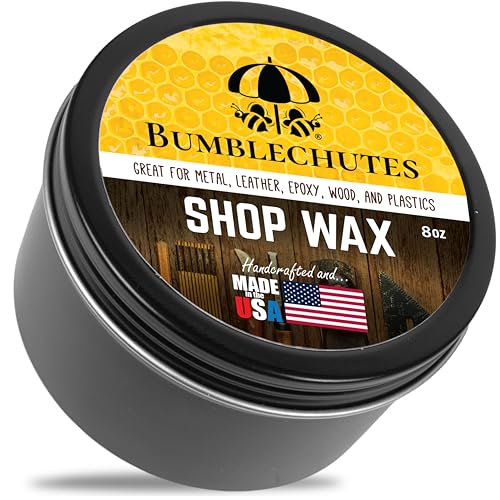
MULTI-SURFACE CONDITIONING - Protect metal, epoxy, wood, plastic, cast iron and more with our wood wax finish for the shop. The smooth, non-greasy formula also reduces friction and lubricates moving parts like wooden jigs, sleds, planers and jointers.

SAFE FOR FOOD-CONTACT SURFACES: This cutting board wax is a food grade beeswax for wood that offers a protective barrier for kitchen items, providing safety and integrity in wood furniture polish applications


