Best Finishes for Outdoor Metal Furniture Protection
You’ll protect your outdoor metal furniture most effectively by choosing between galvanizing for sacrificial protection, powder coating for aesthetic consistency, or advanced ceramic-enhanced technologies delivering 15-20 years of UV resistance. Silicone and polyurethane sealants provide flexible, temperature-resistant barriers from -60℃ to 200℃. Oil-based enamels create chemical-resistant shells against UV degradation and moisture. Marine-grade polishes and wax treatments enhance hydrophobic barriers requiring regular reapplication. Proper application in dry conditions with 24-72 hour curing, combined with annual inspections and seasonal storage, guarantees lasting protection and coating integrity through systematic maintenance protocols.
Understanding Protective Coatings for Outdoor Metal
When you’re selecting a finish for outdoor metal furniture, you’ll need to understand how five primary coating systems work: galvanizing, powder coating, epoxy and polyurethane systems, anodizing, and paint finishes. Each employs distinct application techniques and corrosion resistance levels. Hot-dip galvanizing immerses metal in molten zinc, offering sacrificial protection that guards even cut edges. Powder coating applies dry polymer via electrostatic methods, then heat-bonds it for aesthetic consistency. Epoxy and polyurethane systems provide chemical resistance through two-part formulations or flexible UV-resistant films. Anodizing electrochemically thickens aluminum’s oxide layer for coastal environments. Paint finishes require surface preparation including cleaning, sanding, and primer application. Powder coated aluminum furniture can last 10 to 25 years or more with proper care, making it a cost-effective choice for outdoor environments. Unlike polyurethane finishes designed for indoor use, outdoor metal furniture requires coatings specifically formulated to withstand UV rays, moisture, and temperature changes. You’ll evaluate each system’s durability, maintenance requirements, and environmental suitability to determine best protection for your furniture’s location and exposure conditions.
Sealants and Polishes for Maximum Defense
Beyond the primary coating systems, you’ll want to layer additional protection through strategic sealant and polish applications that substantially enhance your furniture’s corrosion resistance. You’ve got two primary sealant types to evaluate: silicone and polyurethane formulations. Silicone sealants handle extreme temperatures from -60℃ to 200℃ while maintaining flexibility without primer requirements. Polyurethane alternatives excel in rough weather, accommodating seasonal expansion and resisting salt spray exposure. For polish application, you’ll benefit from marine-grade finishing solutions that deliver UV protection and moisture resistance comparable to boat-level coatings. These layered applications create invisible protective films that defend against oxidation while preserving aesthetic appeal. Regular reapplication maintains continuous rust prevention across all metal components exposed to outdoor elements.

DEVELOPED SPECIFICALLY AS A MARINE SEALANT – Stays tough and flexible for a wide range of uses above the waterline

CURES FAST – One-part adhesive sealant requires no mixing, typically cures within 48 hours so you can get back on the water faster

PERMANENT WATERTIGHT SEAL — ABOVE & BELOW WATERLINE — 5200 fast-cure formula creates a permanent, flexible bond that holds against water pressure, hull flexing, and wave impact. Use above or below the waterline for through-hulls, transducers, struts, and hull-to-deck joints.
Paints and Enamels: Durable Weatherproofing Solutions
While sealants and polishes establish your first line of defense, paints and enamels provide the all-encompassing weatherproofing layer that’ll keep your outdoor metal furniture protected for years. Oil-based enamels deliver superior paint durability, forming a chemical-resistant shell that protects against moisture and UV degradation. You’ll benefit from their excellent adhesion to metal substrates and resistance to scratching and peeling. Acrylic D.T.M. paints offer comparable weather resistance when properly primed. For color selection, consider textured spray enamels that diffuse UV rays while adding aesthetic appeal. Apply multiple thin coats using spray techniques to guarantee uniform coverage. Using rust-inhibiting primers suited for metal surfaces provides essential protection against corrosion before applying your topcoat. Follow manufacturer-recommended drying intervals meticulously. Beyond paint application, routine inspections and repairs help maintain the integrity of your finish and extend its protective lifespan. Properly primed and painted metal furniture maintains appearance and rust protection for several years under typical outdoor conditions.

Weather and corrosion resistant coating protects exterior/interior surfaces like wood, metal, concrete, masonry and more

Weather and corrosion resistant coating protects exterior/interior surfaces like wood, metal, concrete, masonry and more

Premium Quality: We fill each marker with 5 ml of premium Japanese ink that is chemically stable, lightfast and quick-dry. The ink dry within a minute ensure your beautiful creations get to last for longer.
Wax and Oil Treatments for Natural Protection
Your metal furniture’s finish doesn’t end with paint—wax and oil treatments add a secondary protective layer that complements weatherproofing systems you’ve already applied. You’ll find that car wax or boat wax enhances aluminum and powder-coated surfaces by creating hydrophobic barriers that reduce moisture retention and mask fine scratches. For raw metals like stainless steel, acid-free oils inhibit oxidation effectively.
Application tips matter considerably. You should use lint-free cloths to apply thin, even layers, then buff thoroughly to prevent dust attraction. Reapply treatments after heavy rain or sun exposure for ideal protection.
These treatments offer environmental benefits—they’re non-toxic and reduce reliance on harsh chemical cleaners. However, they require regular maintenance and aren’t permanent solutions, making them most effective when combined with quality base finishes.

SAFE FOR FOOD-CONTACT SURFACES: This cutting board wax is a food grade beeswax for wood that offers a protective barrier for kitchen items, providing safety and integrity in wood furniture polish applications
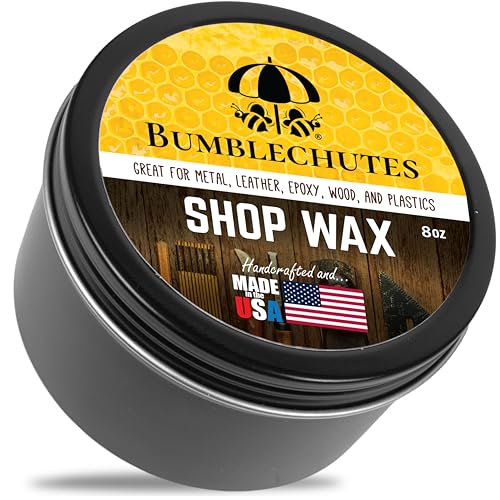
MULTI-SURFACE CONDITIONING - Protect metal, epoxy, wood, plastic, cast iron and more with our wood wax finish for the shop. The smooth, non-greasy formula also reduces friction and lubricates moving parts like wooden jigs, sleds, planers and jointers.

Polishes all wood surfaces to a soft luster with a protective coating of Carnauba Wax and Beeswax
Advanced Coating Technologies and Methods
When you’re ready to move beyond basic protective treatments, advanced coating technologies deliver performance that far exceeds traditional paint and wax solutions. Powder innovations in polyester and epoxy-polyester hybrids provide superior UV resistance and durability lasting 15-20 years in intense sunlight. Ceramic enhancements, utilizing nano-scale particles, create dense layers that dramatically increase surface hardness and corrosion resistance while reducing abrasive penetration. UV-curable powder coatings cure rapidly under ultraviolet light, enabling faster production cycles and energy savings. Some formulations incorporate silver ion technology, achieving 99.99% antimicrobial reduction. Fusion-bonded epoxy coatings offer robust single-coat protection for infrastructure applications. You’ll find these systematic approaches meet AAMA 2605 standards, ensuring your outdoor furniture withstands harsh environmental conditions effectively.
Comparing Professional-Grade vs. Consumer Products
How do you decide between professional-grade coatings and consumer-spray options for your outdoor metal furniture?
The durability comparison reveals significant differences. Professional coatings last 12–18 months in harsh environments, while consumer sprays typically protect for 6–8 months, requiring frequent reapplication. Professional-grade formulas like powder coating create thick, durable barriers resisting chipping and UV fading far beyond DIY finishes. Cast aluminum’s powder-coated finishes exemplify how professional applications enhance both protection and aesthetic appeal.
Cost effectiveness favors professionals long-term despite higher upfront investment. Consumer sprays offer accessibility and simple application without specialized equipment, maintaining furniture’s original appearance. However, they lack advanced UV blockers and antioxidants that professional systems provide.
For heavy-use or coastal environments, professional applications deliver superior rust, oxidation, and salt-spray resistance. Consumer products suit moderate climates where convenience outweighs durability needs. Your climate severity and maintenance tolerance should guide your selection.

Strong Electrostatic Adhesion: VEVOR powder coating system boasts a 50KV electrostatic output, ensuring superior adhesion of the coating to surfaces. The resulting coating exhibits exceptional resistance to cracking, scratching, and wear, with colors that remain vibrant and durable. It's 10 times more durable than liquid coatings.

Ideal for use on truck beds, trailer floors, fenders and other metal surfaces

Dual voltage design: Our Powder Coating Systems, Choose between 20Kv and 50Kv output voltage, Customized powder coatings for different workpieces. Ensures superior adhesion of the coating to the surface, It is the most durable surface treatment available.
Application Best Practices for Optimal Results
Achieving ideal results with outdoor metal furniture finishes requires meticulous attention to preparation and application methodology. You’ll want to employ thin, even coats using high-quality brushes, rollers, or spray applicators for consistent coverage. These coating techniques prevent drips, runs, and uneven finishes that compromise protection.
Your application tips should include avoiding direct sunlight and high humidity during application, as these conditions cause bubbling and poor adhesion. You must follow manufacturer-specified drying times between coats—typically 2–4 hours—before applying subsequent layers.
Pay particular attention to joints, corners, and hard-to-reach areas where protection’s most critical. Allow 24–72 hours for complete curing in well-ventilated, dry conditions. You shouldn’t touch or move furniture during this phase. Similar to deck installation where proper board spacing prevents moisture damage and warping, maintaining appropriate spacing and ventilation during the curing process ensures optimal adhesion and durability of your finish. Selecting weather-resistant materials like marine-grade metals provides an additional layer of long-term protection against rust and corrosion. This systematic approach guarantees maximum protection and durability for your outdoor metal furniture investments.

Perfect for refinishing and protecting exterior wood such as picnic tables, chairs, swing sets and more

Ideal for use on interior/exterior surfaces including wood, plastic, plaster, metal, masonry and unglazed ceramic

Weather and corrosion resistant coating protects exterior/interior surfaces like wood, metal, concrete, masonry and more
Long-Term Maintenance and Storage Strategies
While applying protective finishes establishes the foundation for outdoor metal furniture durability, your long-term investment depends on consistent maintenance and strategic storage practices. You’ll conduct annual inspections targeting joints, welds, and hidden surfaces for rust or corrosion signs. For moisture management, you’ll dry furniture completely after cleaning or rain exposure, checking crevices and hollow frames for water accumulation. During seasonal storage, you’ll move pieces indoors to cool, dry, ventilated areas, elevating them off the ground to prevent moisture absorption. You’ll use breathable, waterproof covers when furniture remains outdoors, removing them periodically for ventilation checks. In coastal or high-humidity environments, you’ll increase cleaning frequency considerably and apply periodic waxing to protect the finish and reduce dirt accumulation. When storing metal furniture outdoors year-round, ensure structural integrity by using schedule forty pipe or comparable materials that can withstand environmental stressors. By implementing these systematic protocols, you’ll extend your furniture’s lifespan considerably and preserve protective coating integrity.