Is Sapele Wood Durable for Outdoor Furniture?
You can rely on sapele wood for outdoor furniture because its EN Durability Class 1–2 rating, Janka hardness of 1,360–1,510 lbf, and naturally high oil content deliver exceptional resistance to moisture, rot, insects, and wear. The wood’s interlocked grain structure minimizes warping, while its 29% fiber saturation point limits moisture absorption. However, you’ll need consistent maintenance—applying exterior-grade finishes every 6–12 months—to maximize longevity and preserve its rich golden-brown aesthetic as it weathers over time.
Natural Resistance to Moisture, Rot, and Insects
Sapele wood’s outstanding durability for outdoor furniture stems from its natural resistance to moisture, rot, and insects—properties that’re rooted in the wood’s inherent chemical composition and structural characteristics. The wood’s dense structure combined with natural oils creates an effective barrier against moisture penetration, protecting cellular integrity from weathering. These oils deliver robust decay prevention by limiting water absorption, reducing rot development without relying heavily on chemical treatments. Sapele’s EN Durability Class 1–2 rating confirms its exceptional resistance to decay and insect attack. However, you’ll need protective measures for sapwood and termite vulnerability. Unlike beech wood, which requires frequent refinishing and protection to withstand outdoor conditions, sapele’s natural durability makes it significantly more suitable for exterior applications. Professional treatment and quality finishes substantially extend lifespan, ensuring your outdoor furniture withstands UK weather conditions reliably for decades.

Modern and Ergonomic Design: The design of our patio furniture set is simple, stylish and Ergonomic. It is perfect to decorate your your yard, poolside, balcony, patio and indoor area. Provide great comfort for you while you are enjoying your leisure time

Durable and Long-Lasting: This metal patio furniture set is constructed from steel, offering a stable structure with excellent strength. This small patio furniture set frame features an external rust-proof coating that provides water resistance and corrosion protection, ensuring a long service life

DURABLE WOOD:This bistro set is made of real Acacia wood with a natural finish. This chat set is solid, strong and durable.This table chair set is Crafted from solid, weather-resistant natural acacia wood for beauty and long-lasting durability.Acacia wood is strong and durable.No splinter, rust, crack, chip or peel.Chat Set Bistro Set Table Chair Set.
Physical Properties That Enhance Durability Outdoors
While chemical composition and natural oils provide the foundation for Sapele’s decay resistance, the wood’s physical properties—its grain structure, dimensional stability, and response to environmental stressors—determine how reliably it’ll perform in outdoor furniture applications. Sapele’s interlocked grain structure minimizes warping and twisting, critical for maintaining joint integrity under fluctuating humidity. Its moderate shrinkage rates (5.0% radial, 7.0–7.2% tangential) with a TS/RS ratio of 1.4 guarantee predictable movement across the grain. This stability prevents excessive swelling or contraction that compromises structural connections. The wood’s 29% fiber saturation point limits moisture absorption at equilibrium, reducing stress from repeated wet-dry cycles. Like eucalyptus wood, Sapele’s high natural oil content provides exceptional resistance to outdoor elements. These combined physical characteristics enable Sapele furniture to maintain mechanical integrity and dimensional consistency throughout decades of outdoor exposure.

Simple & Practical: Closed armrest and leg design makes the chair simple but modern and no need to worry about the rattan falling off when they are used after a long time.
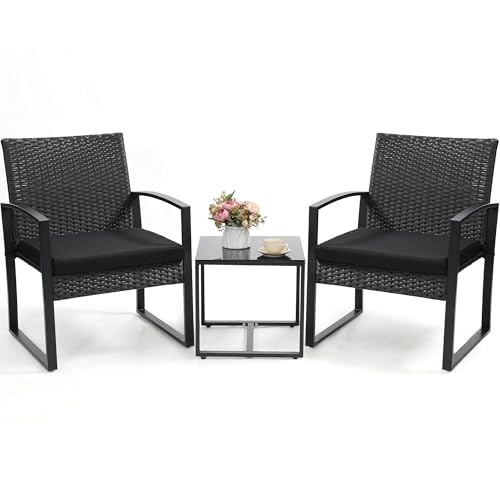
【AESTHETIC AND MINIMALIST DESIGN】The legs connected with seat and armrests. It looks like simple and modern. Each chair has self-adjust feet at the bottom. you can adjust it according to the ground conditions, keep the chair balance.

Comfortable Textile Material: The back and seat of the chair are made of textile materials with many meshes. It is one of the selected materials for outdoor furniture. This quality material is very breathable and you will enjoy it even in the summer. When it’s dirty, just wipe it with a wet or dry cloth.
Hardness and Resistance to Wear and Impact
Exceptional hardness serves as a critical performance metric for outdoor furniture, directly determining how well a material resists the mechanical stresses inherent to exterior environments. Sapele’s Janka hardness rating of 1,360-1,510 lbf substantially exceeds white oak at 870 lbf, positioning it among commercially available hardwoods’ strongest options. You’ll find its 640-670 kg/m³ density directly correlates to superior scratch resistance and impact durability. The wood’s interlocking grain patterns enable it to withstand knocks, bending, and indentation while maintaining intricate details and joinery integrity. This combination of exceptional hardness and density makes sapele particularly suitable for high-traffic outdoor applications where wear resistance proves critical to longevity and performance. Like larch wood, sapele’s natural toughness allows it to withstand knocks and scratches, though proper maintenance remains essential for optimal durability in outdoor settings. Before installing outdoor furniture, homeowners should verify local building permit requirements to ensure compliance with regulations in their area.

DURABLE SOLID WOOD CONSTRUCTION ► Made of durable cedar/fir wood, the patio garden bench ensures years of maintenance free use, ideal for your patio lawn, garden, backyard, beach, porch, balcony etc. Besides, the bench chair can be left natural finished or painted on any color you like

⛱️【Premium Acacia Wood Construction】Crafted from high-grade acacia wood, this set combines durability with exotic beauty. Naturally resistant to outdoor elements, acacia maintains its rich, sleek appearance without darkening over time. Its sturdy hardwood frame ensures long-lasting resilience against wear and tear, making it a timeless investment for your patio or garden.

Classic Log: This rocking bench features a classic log design that adds a cozy country farmhouse look to any porch.
Maintenance Requirements for Long-Term Performance
To preserve sapele’s exceptional hardness and density gains over decades of outdoor exposure, you’ll need to establish a proactive maintenance regimen that addresses cleaning, protective finishes, moisture control, and timely repairs. Your cleaning techniques should involve soft cloths and mild soap solutions, avoiding harsh chemicals that deteriorate finishes. For protective strategies, apply exterior-grade spar urethane or 4-5 epoxy coats every 6-12 months, adjusting frequency based on climate severity. You’ll strengthen end grain protection with epoxy-coated foot pads to prevent water ingress. Inspect regularly for wear and UV damage, then sand with 320-grit paper between coats for ideal adhesion. Store furniture indoors during severe weather, maintaining stable humidity levels to prevent cracking and warping throughout the year.
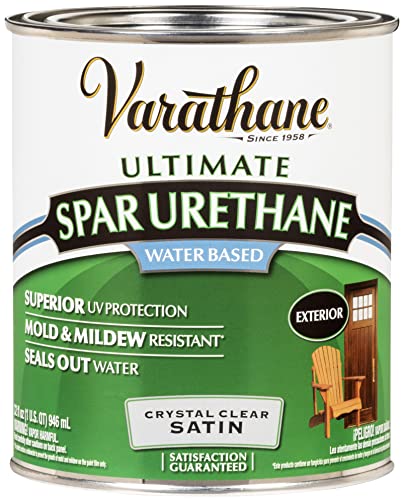
Durable, poly for outdoor wood surfaces such as furniture, doors, windows, fences, trim and more

Ideal for use on exterior wood surfaces above the water line, including trim, railings and wood furniture

PROTECTIVE CLEAR FINISH – Minwax Helmsman Spar Urethane is specially formulated as a protective varnish for wood for interior and exterior projects. It contains special UV blockers that reduce the sun’s graying and fading effects.
Aesthetic Appeal and Color Changes Over Time
Sapele’s rich golden to dark reddish-brown heartwood, often featuring striking lighter and black striping, delivers aesthetic value comparable to mahogany at a lower cost point. You’ll observe natural darkening as tannins oxidize, deepening the wood’s tone and enhancing elegance. However, unfinished outdoor exposure gradually shifts color to silvery gray through UV oxidation. You can maintain color saturation and aesthetic longevity by applying quality exterior finishes with marine varnishes or oil-based coatings that provide UV protection. For optimal durability and color preservation, spar urethane finishes offer flexible, UV-resistant barriers that protect sapele wood from sun and moisture damage while maintaining its aesthetic appeal for 3–5 years with proper maintenance. Sanding weathered surfaces restores original coloration before refinishing. The interlocked grain creates dynamic “flash figure” effects that shift with lighting angles, maximizing visual appeal. Iron or steel contact causes yellowing; avoid prolonged contact. Proper maintenance preserves both color vibrancy and the luxurious appearance you initially selected.
How Sapele Compares to Other Outdoor Wood Options
While maintaining that rich aesthetic appeal through proper finishing protects your investment, understanding how sapele stacks against competing wood species will help you make an informed choice for your outdoor furniture project. Sapele’s Janka hardness rating (1350-1410 lbf) notably exceeds white oak (870 lbf) and western red cedar, delivering superior dent and scratch resistance. Its density (640 kg/m³) and interlocking grain provide mechanical strength comparable to wenge and zebrano, though sapele remains more commercially accessible. Against alternative materials, teak outperforms sapele in marine environments due to higher natural oil content, yet sapele surpasses softwoods like pine in longevity. For moderate climates, sapele advantages include excellent stability, strong bending resistance, and reduced replacement frequency—making it a practical, sustainable choice over less durable alternatives. To maximize the lifespan of sapele furniture, committing to regular maintenance such as sealing or oiling will help preserve its natural resistance to the elements. Like composite decking secured with color-matched composite screws, sapele furniture benefits from proper fastening techniques that ensure long-term durability and structural integrity.

Repels moisture as it enhances wood's natural beauty. Protect your outdoor furniture from mother nature and protect your investment.

LONG-LASTING PROTECTION - Outperforms any teak oil or sealer, even under harsh tropical sun and salt conditions; a reliable choice for all your fine woods
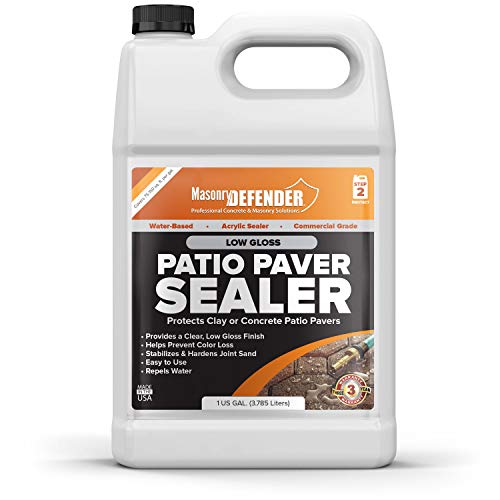
CLEAR WATERPROOF PROTECTION: Water based acrylic sealer dries clear with a low gloss finish, enhancing and protecting surfaces from fading. VOC-compliant and prevents color loss without yellowing.