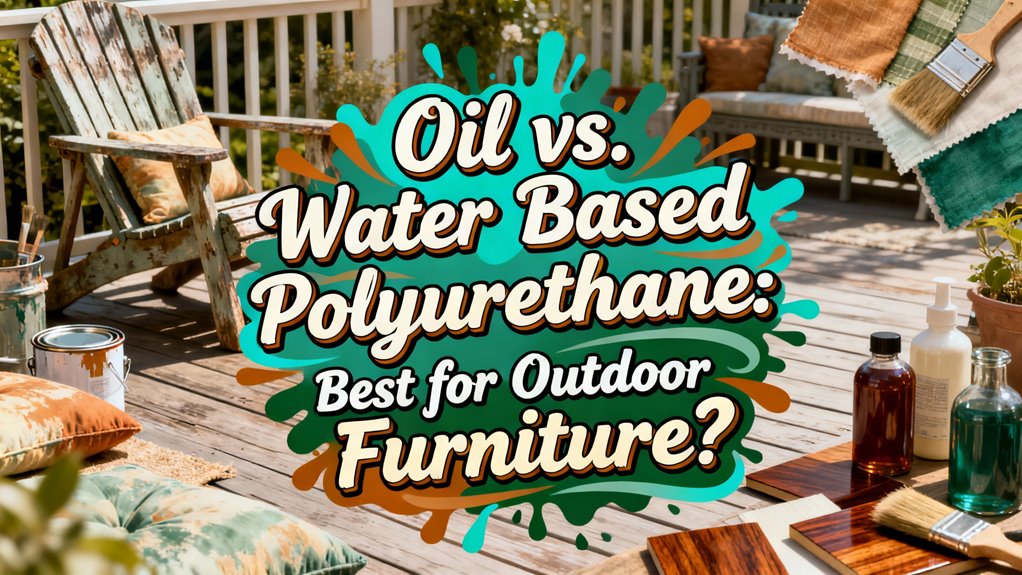
Oil vs. Water Based Polyurethane: Best for Outdoor Furniture?
For outdoor furniture, you’ll find oil-based polyurethane superior because it penetrates deeper, cures harder, and lasts 3–5 years versus water-based’s 1–2 year lifespan. Oil-based finishes maintain structural integrity better against weather exposure and UV damage. However, you’ll face higher VOC emissions and longer curing times—21–30 days compared to water-based’s three days. Water-based options offer easier cleanup and lower health risks, though they require more frequent recoating. Understanding wood compatibility and alternative finish strategies will help you make the best choice.
Durability and Longevity Comparison
When it comes to protecting outdoor furniture, oil-based polyurethane noticeably outperforms its water-based counterpart in durability. The durability factors clearly favor oil-based formulations, which create harder, more resilient films that withstand physical impact and abrasion better than water-based alternatives. Your longevity assessment should account for practical timelines: oil-based polyurethane typically lasts 3–5 years before reapplication, while water-based variants require recoating every 1–2 years. Spar urethane, specifically engineered for outdoor exposure, delivers the longest-lasting protection. Water-based polyurethane’s susceptibility to chipping, peeling, and UV degradation considerably shortens its outdoor lifespan. Both finishes degrade faster outdoors than indoors, but oil-based finishes maintain structural integrity notably longer under harsh environmental conditions, making them the superior choice for extended outdoor furniture protection.

Protects outdoor wood surfaces such as furniture, fences, railings, trim and more

Apply to outdoor wood projects

ENHANCES THE BEAUTY OF THE WOOD: Teak Oil restores the beauty of grey, old and weathered teak furniture to give a golden-brown natural finish.
Drying Time and Application Process
The drying and application timelines for polyurethane finishes differ greatly, directly impacting your project timeline and labor requirements. Water-based polyurethane dries to touch within one hour, allowing recoating after just two hours between coats. You’ll achieve light use capability after 24 hours and full cure in three days. Oil-based variants require 3-4 hours before recoating, with complete hardening spanning 21-30 days.
Your application techniques matter considerably. Water-based formulations accept brush application with light-handed technique and soap-water cleanup. Oil-based options demand brush, lambswool, or spray methods with mineral spirits cleanup, plus light sanding between coats.
Drying conditions—temperature, humidity, and coat thickness—greatly influence both timelines. Maintain 65-85°F environmental conditions for ideal results. Spray-applied polyurethane generally dries faster than brush-applied variants.
It remains our goal to earn your trust through the traditional way we do business
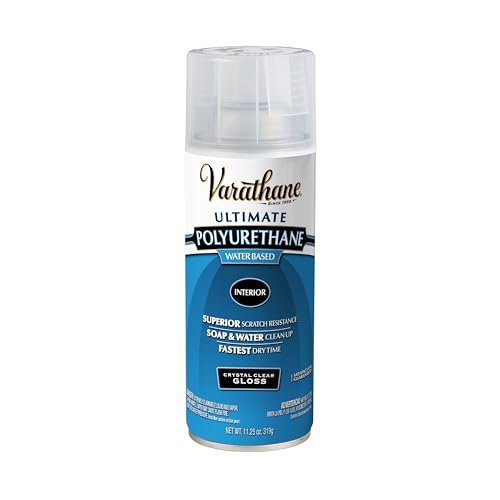
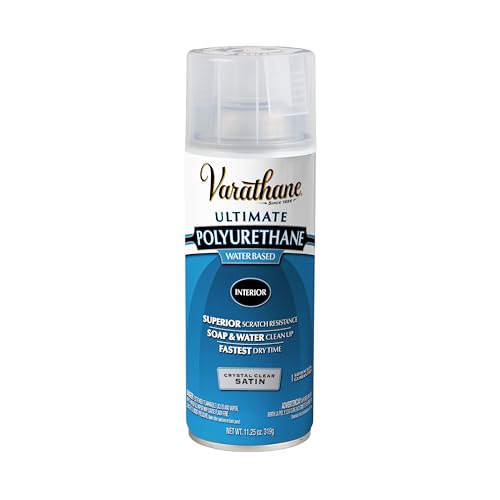
Protects indoor wood surfaces such as furniture, windows, cabinets, trim and more

Protects outdoor wood surfaces such as furniture, fences, boats, trim and more
Aesthetic Qualities and Finish Appearance
Beyond the application timeline, your choice between oil-based and water-based polyurethane greatly shapes the final aesthetic character of your outdoor furniture.
Oil-based formulations deliver pronounced color enhancement through amber tinting, intensifying wood grain patterns and creating warm, rich surfaces that deepen over their 3-5 year lifespan. You’ll find multiple sheen options—gloss, satin, and semi-gloss—accommodating diverse aesthetic preferences.
Water-based alternatives preserve your wood’s natural coloring with transparent, clear finishes that maintain authentic appearance without alteration. These formulations offer gloss, satin, and semi-gloss variants, sustaining visual clarity across their 2-3 year durability window.
Both formulations require three coats applied with proper sanding intervals for consistent results. Your application method—brush, lambswool, or spray—significantly influences final finish uniformity and professional appearance.
Environmental and Health Considerations
As you weigh your polyurethane choice for outdoor furniture, environmental and health impacts deserve careful consideration, since they extend far beyond your immediate project.
Oil-based polyurethane poses significant risks through elevated VOC emissions exceeding 250 grams per liter, directly degrading air quality and causing respiratory irritation during application. Chemical exposure to isocyanates can damage your liver and kidneys with prolonged inhalation. Water-based alternatives substantially reduce these hazards, emitting under 50 grams per liter while minimizing off-gassing duration.
Environmentally, both formulations persist for decades in landfills, though water-based options lower fossil fuel consumption and reduce toxic waste handling requirements. Neither achieves true biodegradability, and recycling remains limited. When selecting outdoor furniture coatings, water-based polyurethane clearly mitigates health and environmental consequences while maintaining protective performance.
Outdoor Performance and Weather Resistance
While health and environmental factors influence your initial polyurethane selection, outdoor performance ultimately determines whether your furniture investment withstands years of weather exposure. Water-based polyurethane requires more frequent reapplication due to shallow penetration, whereas oil-based polyurethane penetrates deeper and lasts longer. However, oil-based finishes become brittle with age, cracking under temperature fluctuations common in outdoor conditions. Water-based polyurethane maintains better flexibility, reducing crack risk during wood movement. Both polyurethane types degrade under UV exposure without added inhibitors, though water-based resists yellowing better. Film-forming finishes can trap moisture if applied incorrectly, causing rot or failure. Just as composite decking requires proper reinforcement to prevent structural issues in raised beds, outdoor furniture finishes must be applied with proper technique to ensure longevity. Modern water-based formulations have improved durability, sometimes rivaling oil-based options for outdoor use. For those seeking natural alternatives, tung oil offers superior water resistance and faster drying times compared to other oil finishes. Spar urethane offers superior UV resistance, making it ideal for exposed furniture.

PROTECTIVE CLEAR FINISH – Minwax Helmsman Spar Urethane is specially formulated as a protective varnish for wood for interior and exterior projects. It contains special UV blockers that reduce the sun’s graying and fading effects.
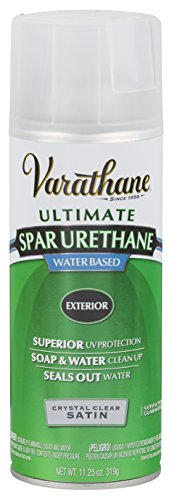
Protects outdoor wood surfaces such as furniture, fences, boats, trim and more

PROTECTIVE CLEAR FINISH – Minwax Helmsman Spar Urethane is specially formulated as a protective varnish for wood for interior and exterior projects. It contains special UV blockers that reduce the sun’s graying and fading effects.
Maintenance and Recoating Requirements
Selecting between oil-based and water-based polyurethane for outdoor furniture means committing to vastly different maintenance schedules and recoating protocols. Oil-based polyurethane requires recoating every 2 to 4 years, creating longer intervals between applications. Water-based polyurethane demands more frequent recoating due to its thinner film formation and faster degradation under UV exposure and moisture.
Your maintenance schedules should reflect these differences. Oil-based finishes need complete stripping and refinishing once degradation begins—spot repairs prove ineffective. Water-based finishes allow simpler maintenance: light sanding and cleaning enable easier recoating cycles. Penetrating oils require bi-annual or yearly reapplication to maintain protection. Consistent cleaning with mild soap and water helps extend the life of any polyurethane finish by removing surface contaminants that accelerate degradation.
Regular bi-annual inspections optimize your recoating frequency, preventing extensive refinishing and wood damage from trapped moisture beneath compromised surfaces. For comparison, alternative materials like resin furniture eliminate these recurring maintenance demands entirely, offering superior durability without the need for frequent refinishing or recoating cycles.

Protects outdoor wood surfaces such as furniture, fences, railings, trim and more

DURABLE SATIN FINISH – Minwax Wipe-On Poly is a high-quality, durable oil-based polyurethane finish that provides protection with a classic, hand-rubbed look.

MARINE GRADE VARNISH imparts a rich, clear amber tone that enhances wood grain; creates a durable, uv resistant, waterproof finish that won't fade; ideal for interior and exterior wood, brightwork on boats & outdoor furniture
Wood Type Compatibility and Selection
Your choice of wood species fundamentally determines which polyurethane formulation‘ll perform most effectively on your outdoor furniture. Dense hardwoods like oak and teak demonstrate superior wood species compatibility with oil-based polyurethane, requiring only 2-3 coats for complete protection. These surfaces accept finish application techniques readily, with polyurethane bonding tenaciously when you follow proper preparation guidelines.
Cedar presents unique challenges despite its natural rot resistance. Its porous structure expands and contracts seasonally, creating incompatibility with impermeable polyurethane shells that restrict movement. Water-based alternatives work better with cedar‘s living material properties, allowing easier reapplication without compromising wood integrity. Cedar’s relatively soft composition with a Janka hardness rating of only 350 makes it particularly susceptible to surface damage that could compromise any polyurethane finish.
Softwoods like pine demand careful attention to adhesion during finish application techniques. Both oil and water-based formulations work across all wood types, but your specific species and environmental exposure ultimately dictate the best polyurethane selection. For outdoor applications, consider that larch wood’s natural durability makes it an excellent choice that pairs well with either polyurethane type, though its tendency toward cracking in hot, dry conditions may influence your finish selection.
Alternative Finish Options for Outdoor Furniture
Because polyurethane’s inflexibility creates durability issues on outdoor furniture—particularly with wood species like cedar that expand and contract seasonally—you’ll want to contemplate alternative finishes that accommodate wood movement while providing protection. Penetrating oils like tung and linseed oil represent eco-friendly alternatives that enhance grain appearance while allowing wood to breathe. Exterior wood stains with UV inhibitors outperform polyurethane by preventing fading without trapping moisture. Clear cedar-specific sealers offer flexible protection without cracking problems. For minimal maintenance, you might consider high-density polyethylene composite materials, which combine recycled plastic with wood fibers to resist warping and rot. Spar varnish, which offers a flexible, protective coating that accommodates wood movement, represents another excellent option for outdoor furniture durability. Applying UV wood sealer as a topcoat provides additional protection from outdoor elements and extends the longevity of your furniture’s finish. These natural finishes and eco-friendly alternatives eliminate polyurethane’s degradation cycle while maintaining your furniture’s integrity and appearance.

CLEAR WATERPROOFING WOOD SEALER: Olympic WaterGuard clear sealer waterproofs and protects exterior wood and masonry without changing the surface's natural look.

ONE-PART PRE-VARNISH WOOD SEALER for new or bare wood; fills and seals the wood grain, and creates a smooth, level surface for varnish; apply to all types of wood including plywood and oily hardwoods such as teak and mahogany
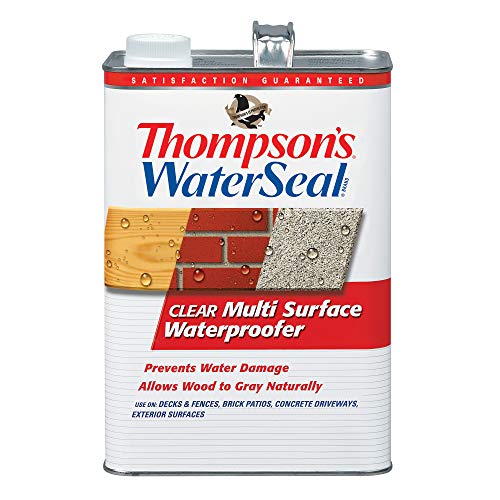
WATERPROOFING STAIN – Bring out the beauty of your outdoors with Thompson’s WaterSeal Clear Multi-Purpose Waterproof Stain. Proven to waterproof concrete, brick, exterior wood and other exterior surfaces.